
The SMP Process · Step by Step
What Happens During an SMP Session?
Nervous about your first appointment? Here's an honest, step-by-step walk-through of what a scalp micropigmentation session actually looks like — from consultation and hairline design to pigment application, comfort, healing, and how density is built across multiple sessions.
The short answer
Not knowing what to expect is the number-one thing that keeps people from booking. Here’s the honest version: scalp micropigmentation is a cosmetic tattoo procedure that uses thousands of tiny pigment impressions to replicate the appearance of natural shaved hair follicles. A session starts with a consultation and scalp assessment, moves through hairline design and pigment selection, then your artist places those tiny impressions into the skin over roughly 2 to 4 hours. Most clients describe the feeling as a mild scratching sensation, and a topical numbing agent is used throughout. Crucially, density is built progressively across 2 to 3 sessions — never finished in a single pass — so the result heals looking natural.
Your SMP session, step by step
Every case is a little different, but here’s the journey most clients follow from first hello to final result.
- 01
Consultation
Every treatment begins with a conversation — never a needle. We talk through your goals, your hair-loss history, what's realistic for your case, and any questions or nerves you're carrying. This is also where we quote your exact price and map out how many sessions your case is likely to need. There's no pressure to book on the spot.
- 02
Hair-loss & scalp assessment
In person, your artist looks closely at your degree of hair loss, your skin tone and type, existing hair density, and any scar tissue or prior work. Scalp micropigmentation is a cosmetic tattoo procedure that uses thousands of tiny pigment impressions to replicate the appearance of natural shaved hair follicles — so the plan has to be built around how your specific skin will hold and heal pigment.
- 03
Hairline design
Together we design a hairline that suits your face shape, age, and how you actually want to look. It's drawn on first and reviewed with you in a mirror before any pigment is placed — a natural, age-appropriate hairline usually sits slightly soft rather than razor-sharp. Nothing is permanent until you've approved the shape.
- 04
Pigment selection
Your artist matches a pigment shade to your natural hair color and skin tone, diluting and adjusting it so the impressions read as real follicle shadows rather than a flat block of color. Getting this right is what keeps SMP from looking artificial or shifting to an off tone over time.
- 05
Preparation
The scalp is cleaned and prepped, and a topical numbing agent is applied to keep you comfortable. We confirm the design one last time and get you settled before starting. Most clients are surprised by how relaxed the setup feels.
- 06
Application of follicle impressions
Using a fine needle, your artist deposits thousands of tiny pigment impressions into the upper layers of the skin — each one placed to mimic a single shaved hair follicle. The impressions are built up gradually, layer by layer, so the result heals looking natural instead of dense or painted on. This is the heart of the session.
- 07
Session duration
A single session commonly runs about 2 to 4 hours depending on the size of the area and your degree of hair loss. Larger, full-coverage cases take longer; a hairline or small crown area is quicker. Your artist works at a steady pace and takes breaks as needed.
- 08
Immediate appearance
Right after your first session the impressions look darker, sharper, and more defined than the final result will — this is completely normal. The pigment settles and softens as your skin heals over the following days, which is exactly why density is layered across sessions rather than maxed out in one sitting.
- 09
Healing
Over roughly the next week, tiny scabs form and flake off and the pigment lightens and mellows into a more natural shade. Some redness or mild tenderness for a day or two is normal. Following your aftercare — keeping the scalp dry early on, avoiding heavy sweating and direct sun — protects how the impressions settle.
- 10
Multiple-session progression
SMP is not a one-and-done procedure. A natural result is built across 2 to 3 sessions (occasionally more for extensive scar or alopecia work), spaced one to two weeks apart. Each pass adds density on top of the healed foundation of the last — so you and your artist can dial in the exact fullness you want without over-committing early.
- 11
Aftercare
Between and after sessions, you'll follow simple aftercare: keep the area clean and dry as instructed, skip the gym and swimming for a few days, moisturize once healed, and protect the scalp from strong sun. Good aftercare is a real part of how well the final result holds.
- 12
Final evaluation
After your last session has fully healed, we review the result together and decide whether any small refinement is worthwhile. From there, SMP typically holds for years before a light touch-up refresh. You leave knowing exactly what to expect going forward.
Wondering whether SMP is right for your case? See who tends to be a good candidate or book a free consultation.
What people value about the process
- You approve the design first. The hairline is drawn and reviewed in the mirror before any pigment is placed — nothing is committed until you’re happy with the shape.
- It’s gradual, not all-or-nothing. Because density is layered across sessions, you and your artist can build to exactly the look you want rather than over-committing on day one.
- Minimal downtime. Most people return to everyday life quickly, with a few days of simple aftercare between sessions.
- A realistic, natural finish. The goal is impressions that read as real shaved follicles — see whether SMP looks real and real before-and-after results.
Honest limitations to keep in mind
SMP is a cosmetic treatment, not a medical one. It does not regrow hair or create new follicles — it replicates the appearance of shaved follicles on the surface of the skin. It won’t make existing hair grow and it isn’t a cure for any hair-loss condition.
- The final density is built over multiple sessions — expect the first session to look sharper and darker before it settles.
- Comfort varies from person to person; numbing helps, but no tattoo-based procedure is entirely sensation-free.
- Results and healing differ with skin type and lifestyle, so what your case needs is assessed in person — not promised from a photo.
- SMP fades gradually over years and benefits from an occasional refresh — see how long SMP lasts.
This page is educational and not medical advice.
Who tends to do well with the process
Often a good fit
- Men with a receding hairline or thinning crown
- Those wanting a clean, closely-shaved look
- People adding density between existing hairs
- Anyone looking to camouflage transplant or other scars
- Those comfortable committing to more than one session
May want to talk first
- Anyone with an active scalp condition or infection
- People expecting SMP to regrow their own hair
- Those wanting a finished head in a single visit
- Anyone unsure whether SMP suits their skin or goals
The honest way to know is an in-person assessment. Am I a candidate for SMP? →
Setting realistic expectations
Good SMP is a process, not a single dramatic before-and-after. Your first session lays a foundation that looks bolder than the final result; it softens as it heals, and each following session refines the density and blend. Nobody can honestly promise an identical outcome for every person — skin, healing, and goals all differ — so the most useful thing we can offer is a clear plan and an honest conversation about what your case can achieve.
If that sounds like the kind of straightforward approach you want, read whether SMP is worth it, review honest California pricing, and book a free consultation.
What happens during an SMP session — FAQ
Does an SMP session hurt?+
Comfort varies from person to person, but most clients describe it as a mild scratching or light stinging sensation rather than sharp pain. A topical numbing agent is applied before and during the session to keep you comfortable, and your artist takes breaks as needed. The scalp can feel slightly tender for a day or two afterward, similar to a mild sunburn.
How long does a single SMP session take?+
A single session commonly runs about 2 to 4 hours depending on the size of the treatment area and your degree of hair loss. A hairline or small crown is on the shorter end; a full-coverage case takes longer. Your artist works at a steady, careful pace rather than rushing.
Why does SMP take multiple sessions instead of one?+
Because a natural result is layered, not stamped in all at once. The first session lays a foundation of follicle impressions, and each following session adds density on top of the healed skin from the last. Building it up across 2 to 3 sessions is what lets the result heal looking realistic and lets you fine-tune the exact fullness you want.
What does the scalp look like right after the first session?+
It looks darker, sharper, and more defined than the final result — this is normal and expected. As your skin heals over the following days, the pigment settles and softens into a more natural shade. That gradual settling is one reason density is deliberately built across multiple sessions.
What is the healing process like between sessions?+
Over roughly a week, tiny scabs form and flake off on their own and the pigment lightens into a natural tone. Some redness or mild tenderness in the first day or two is normal. Following your aftercare — keeping the scalp dry early, avoiding heavy sweating and direct sun — helps the impressions settle evenly.
Can I go back to work and normal life after a session?+
Most people return to everyday activities quickly, though we ask you to avoid the gym, swimming, saunas, and heavy sweating for a few days while the scalp heals, and to protect it from strong sun. Your artist will give you clear, simple aftercare instructions tailored to your case.
A decade of SMP experience.
Every result you see is a real client — built dot by dot in San Lorenzo.
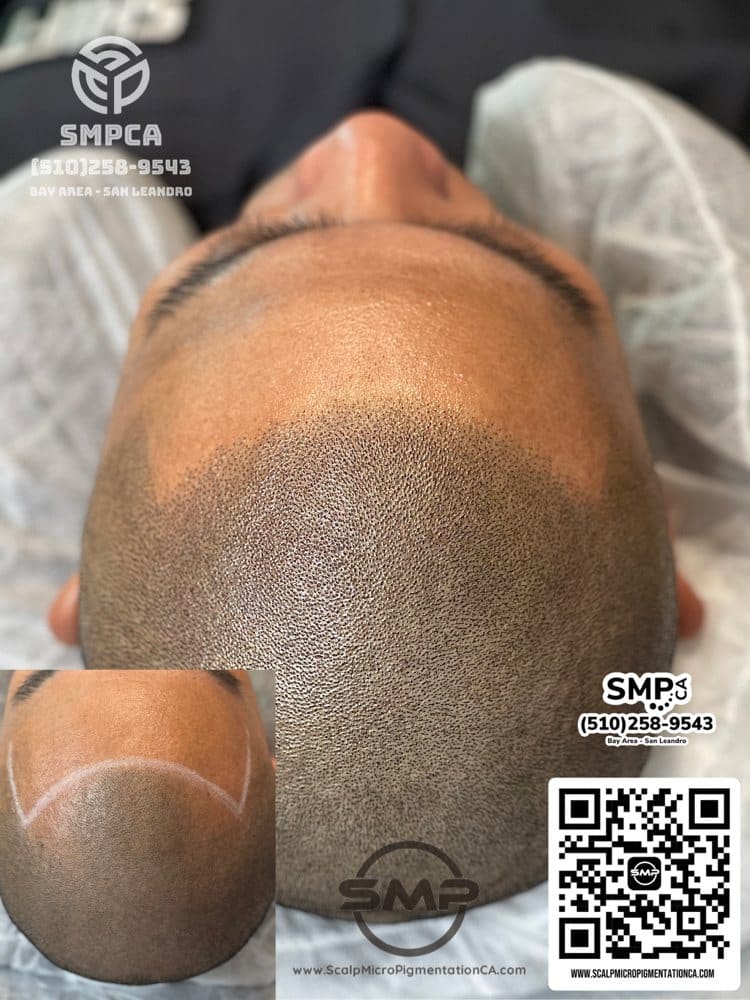
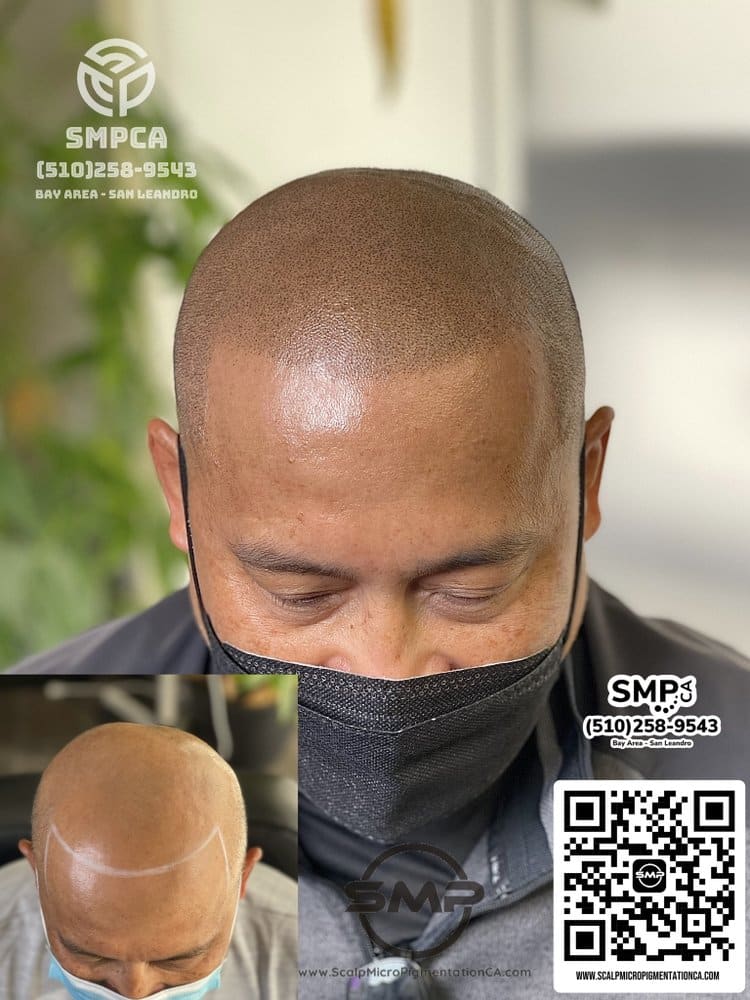
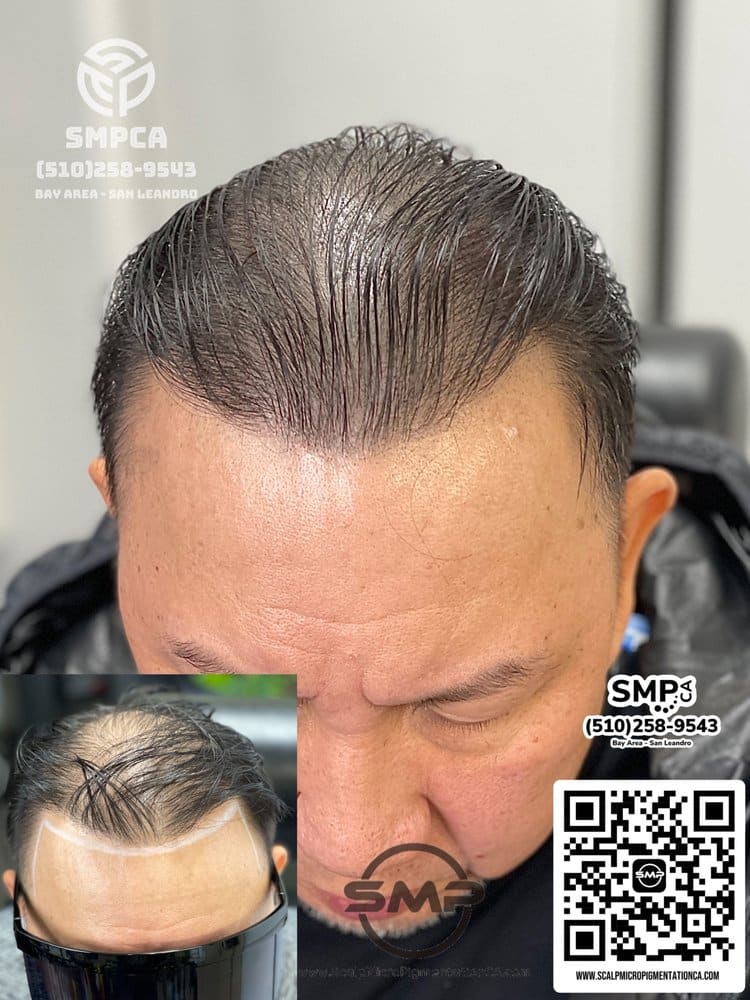
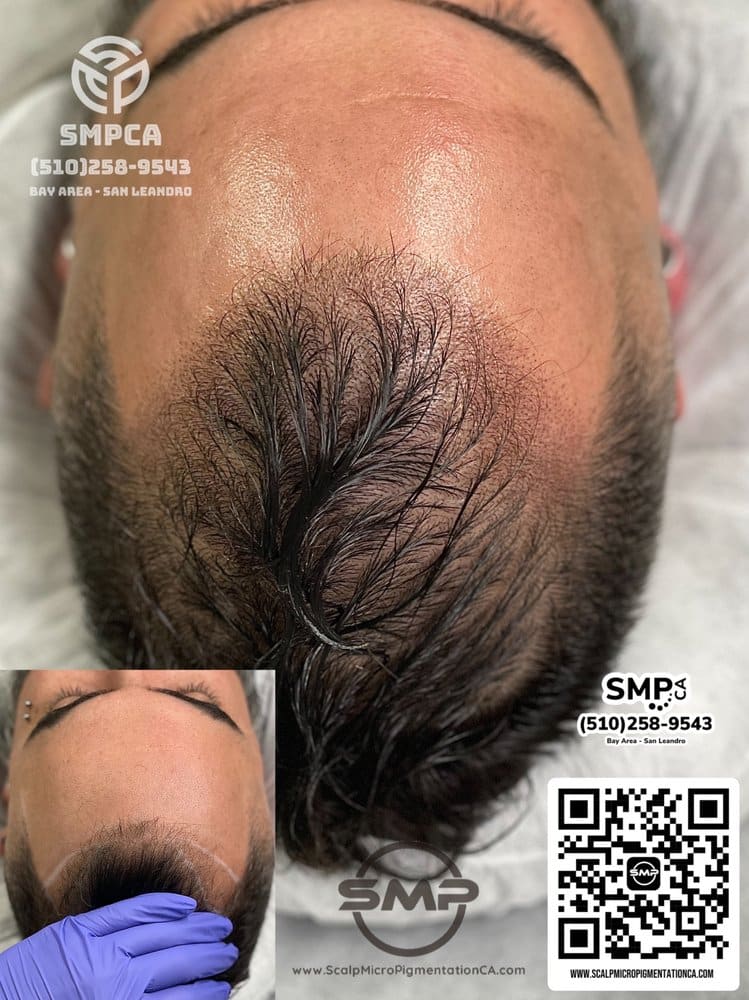
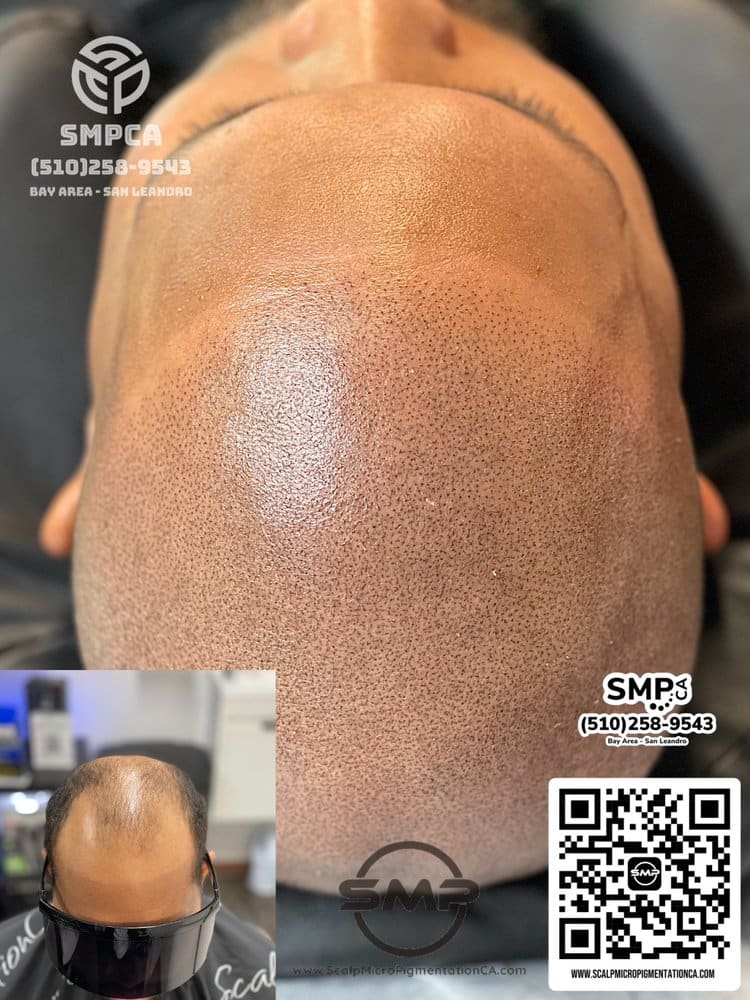
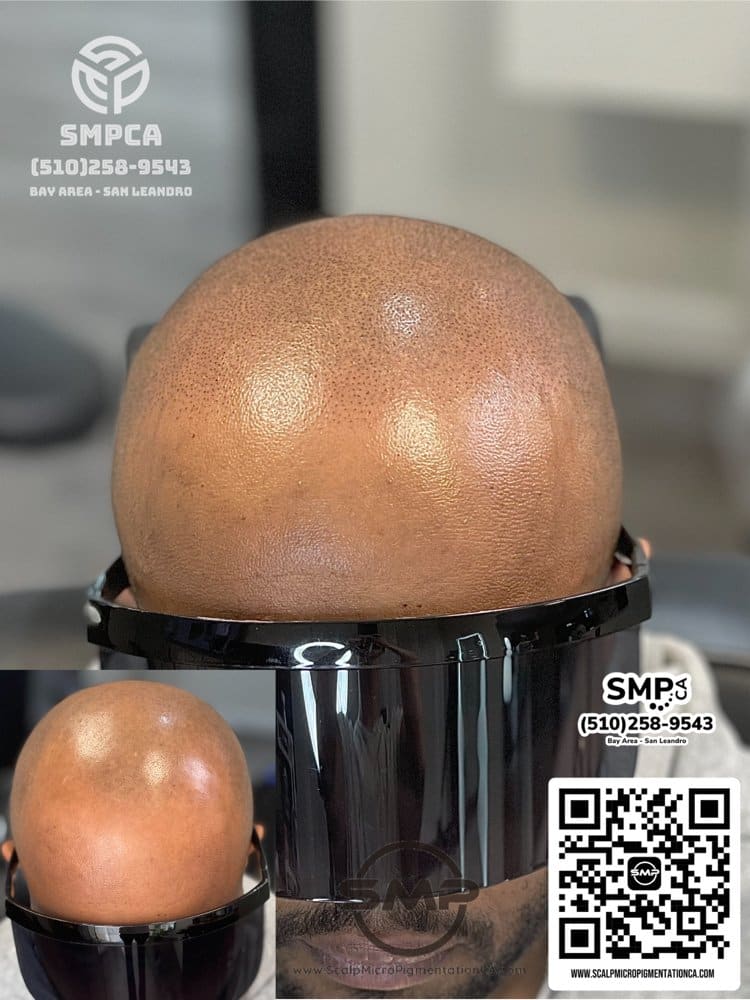
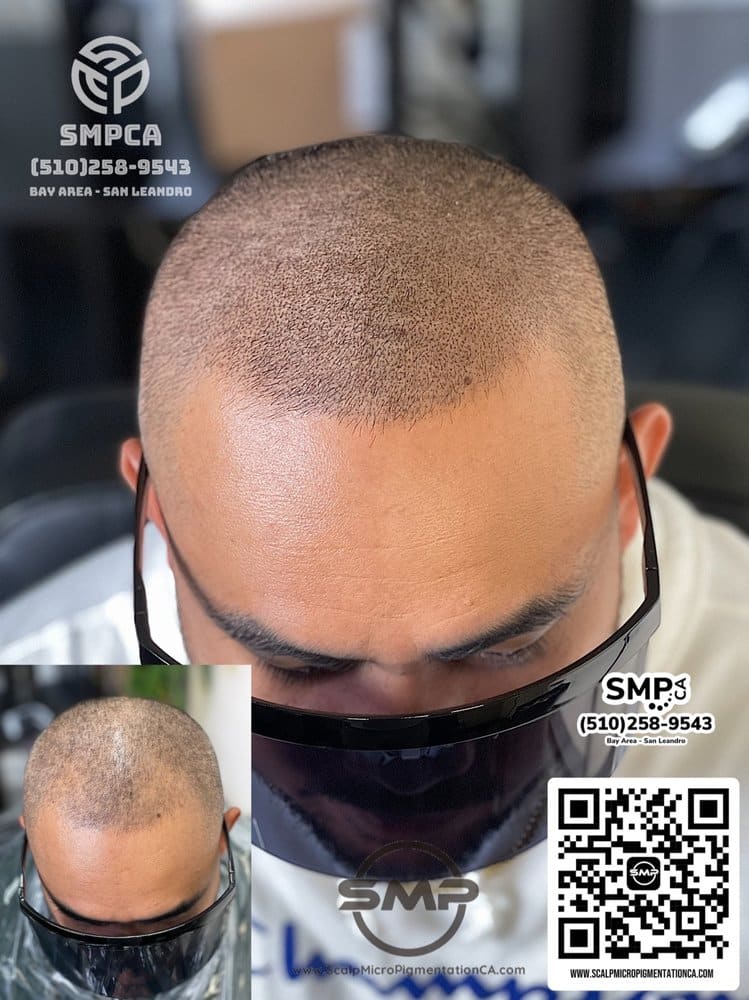
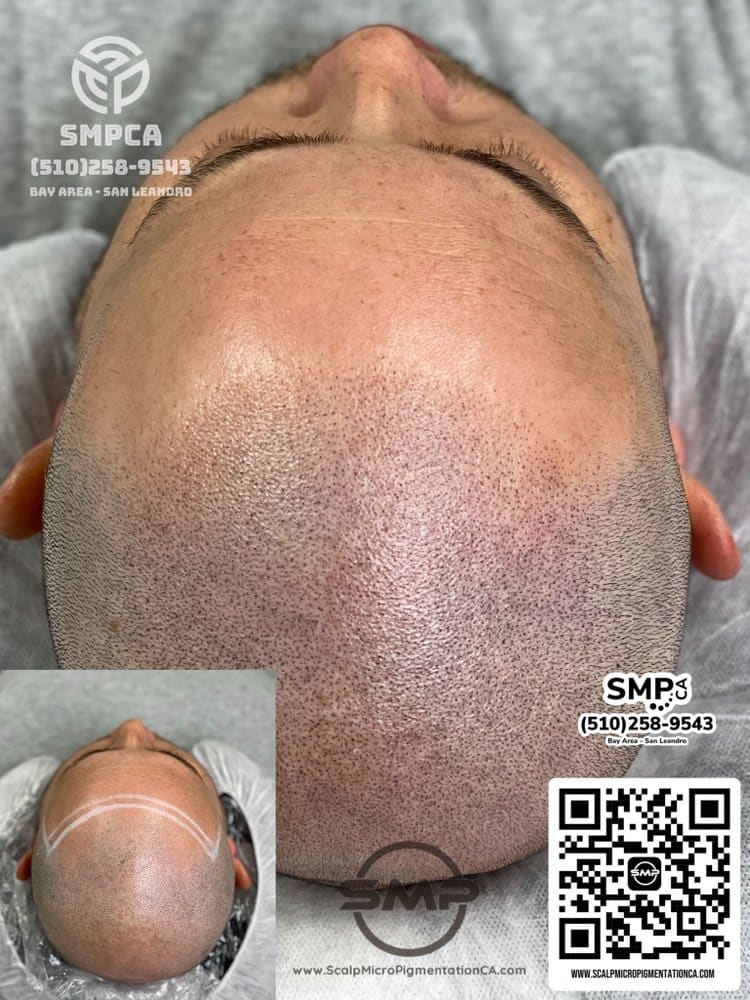
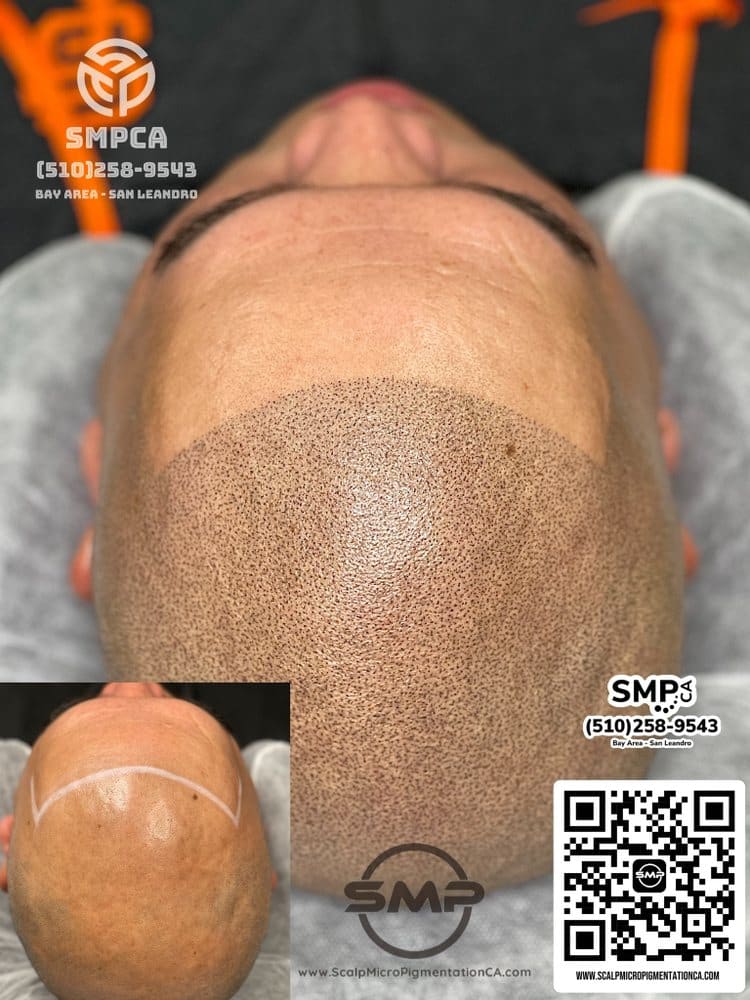
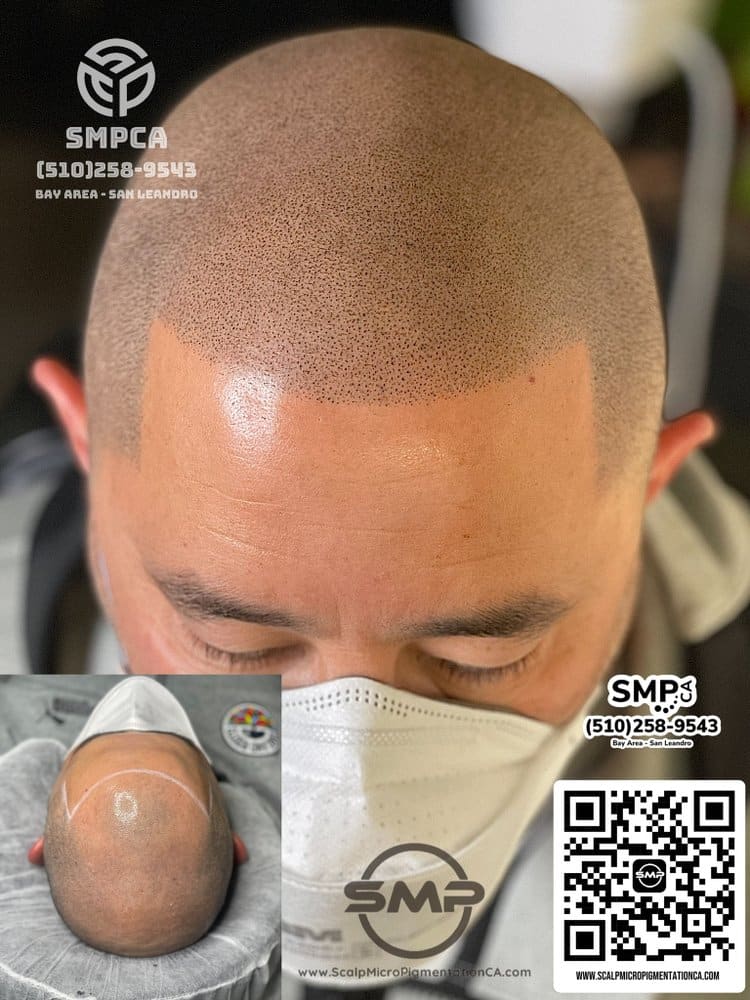
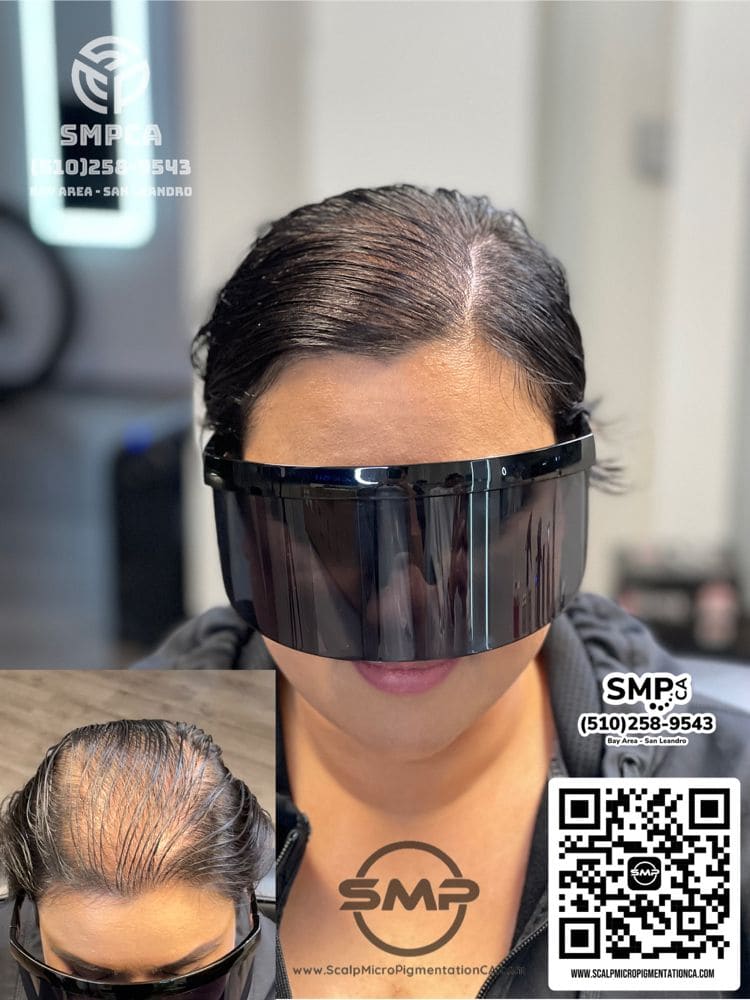
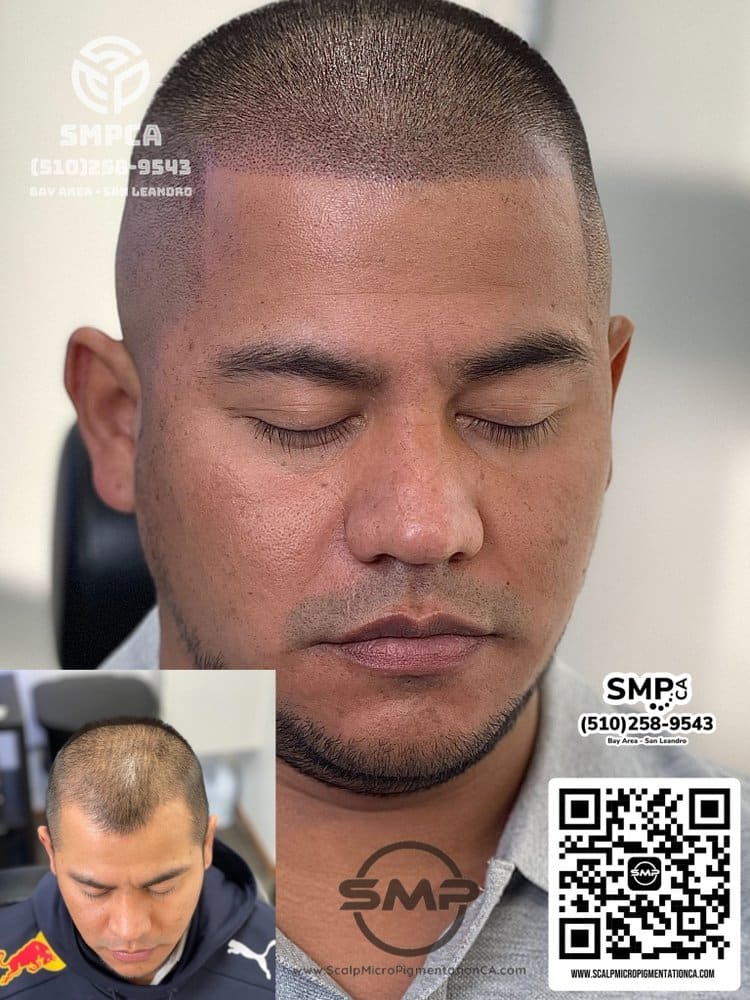
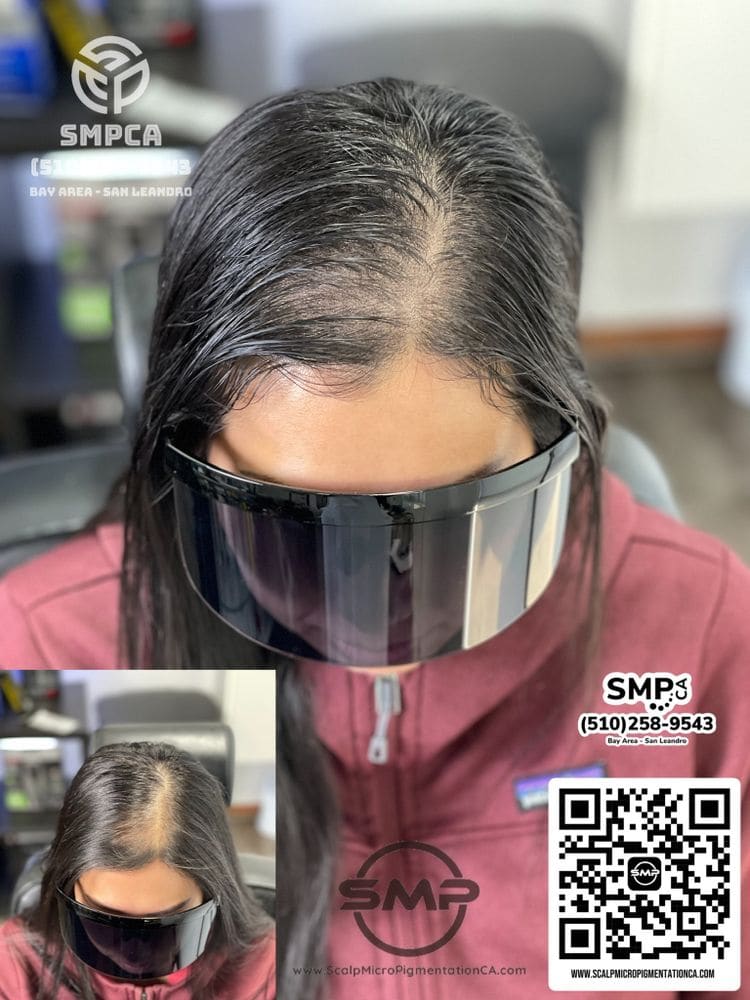
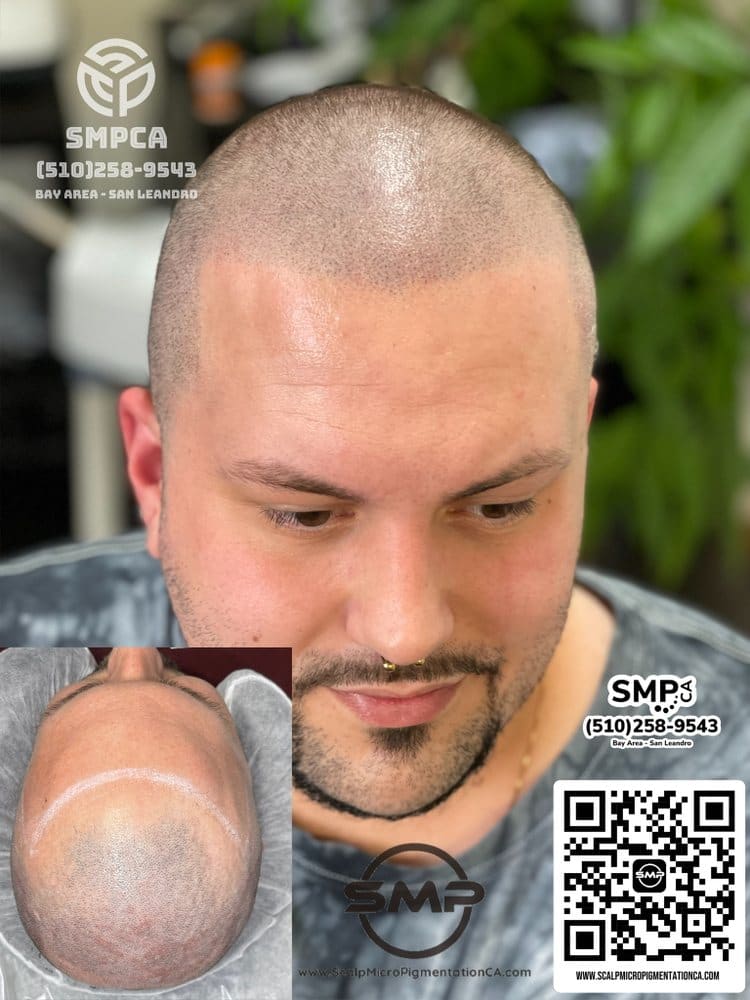
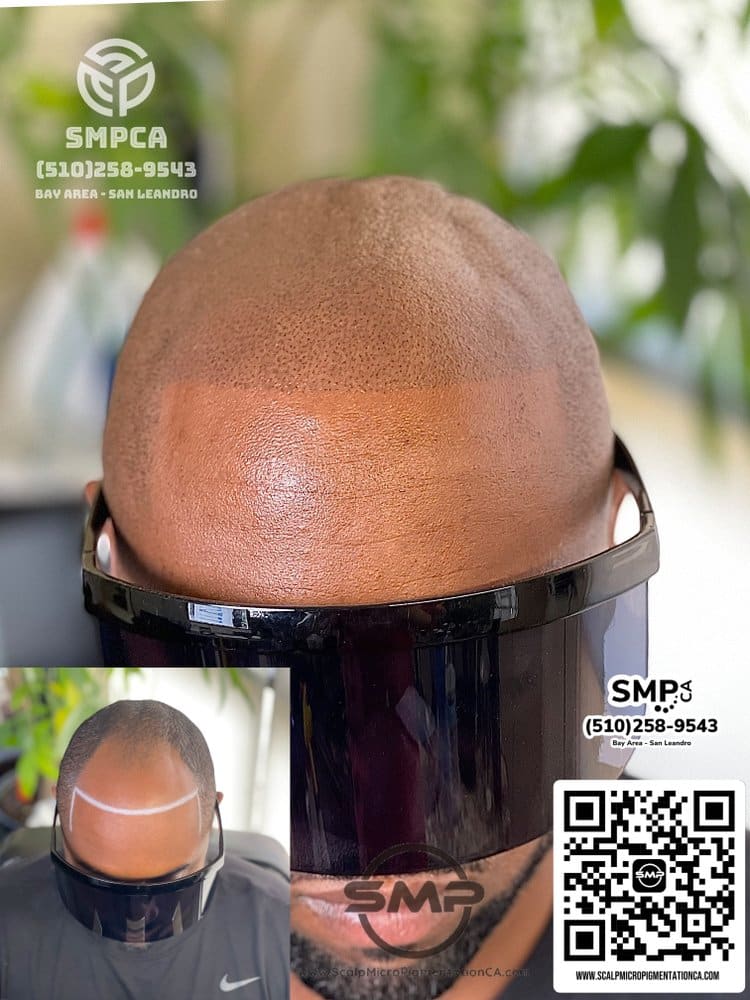
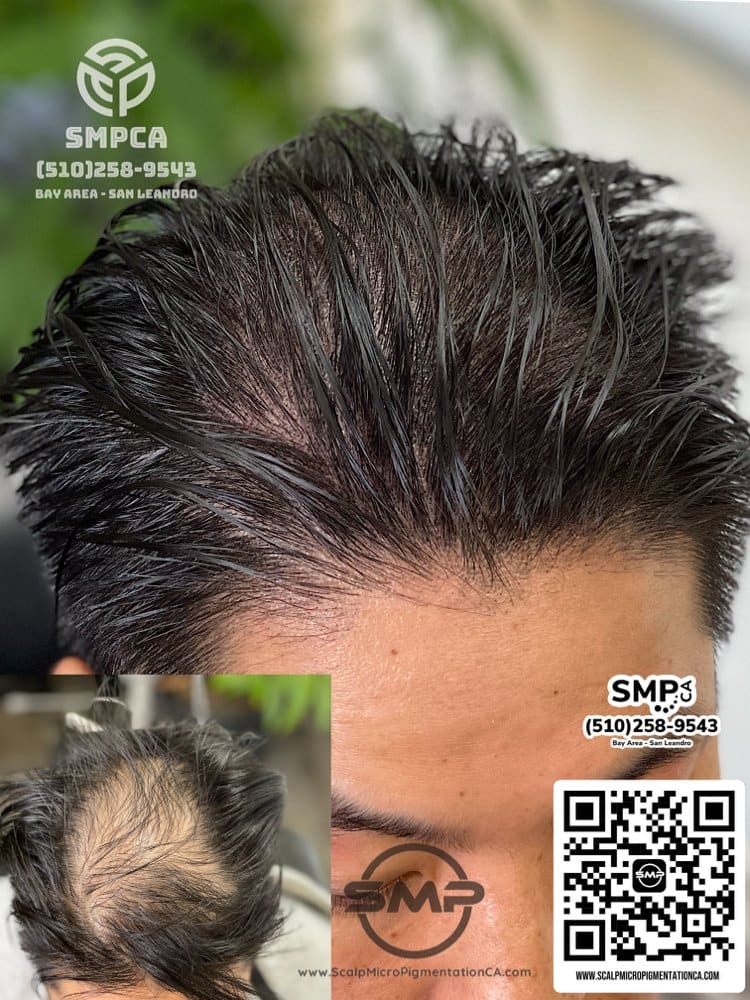
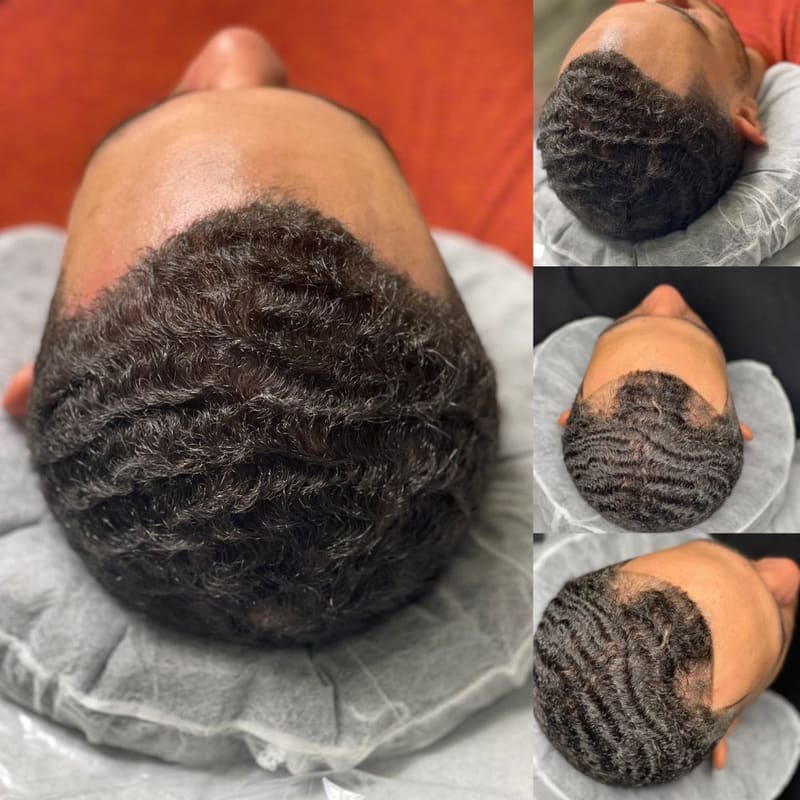
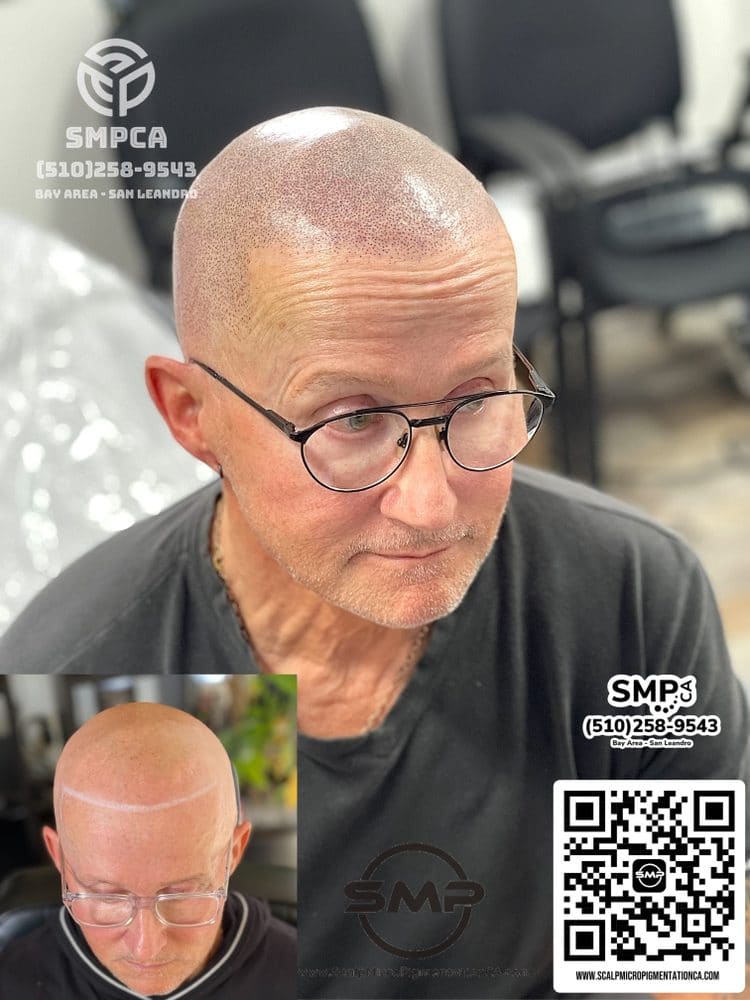
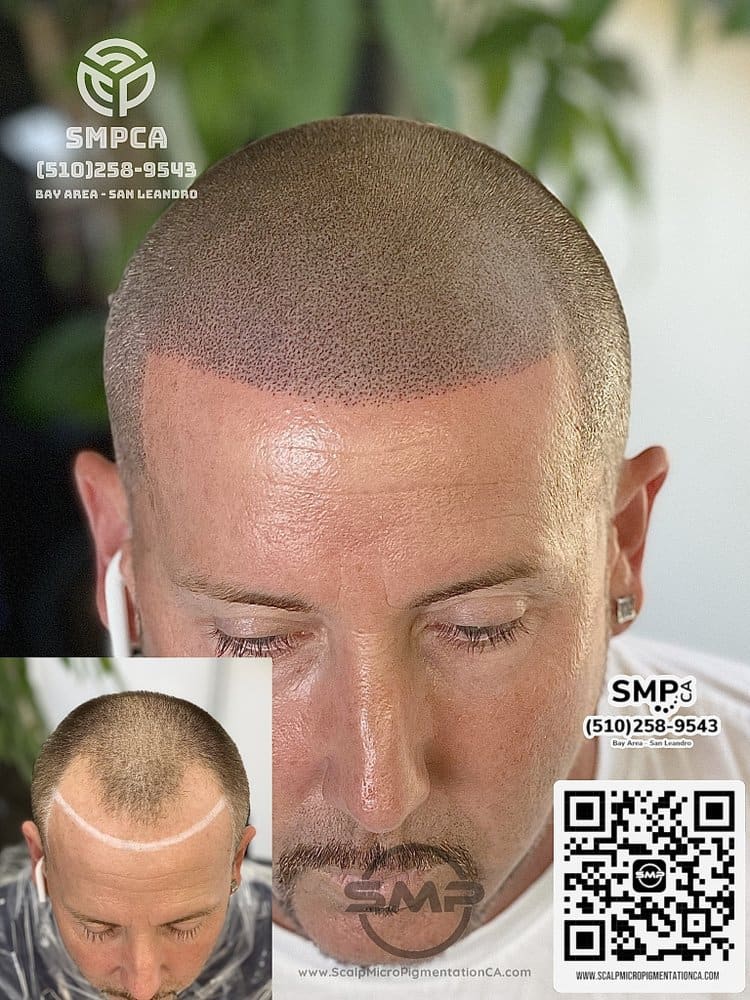
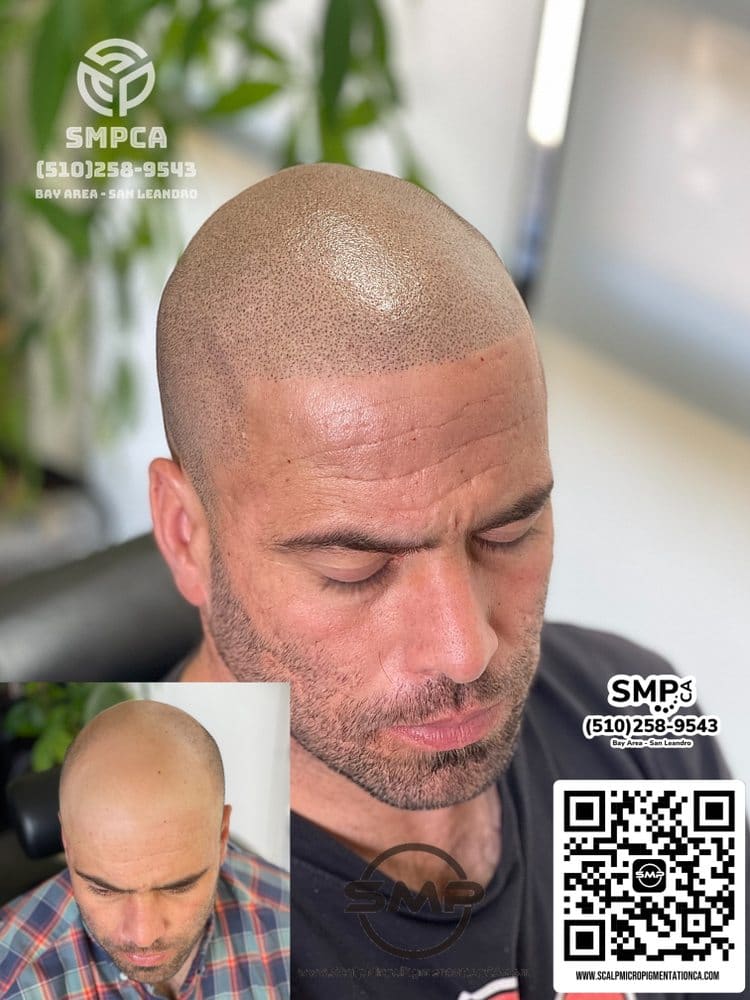
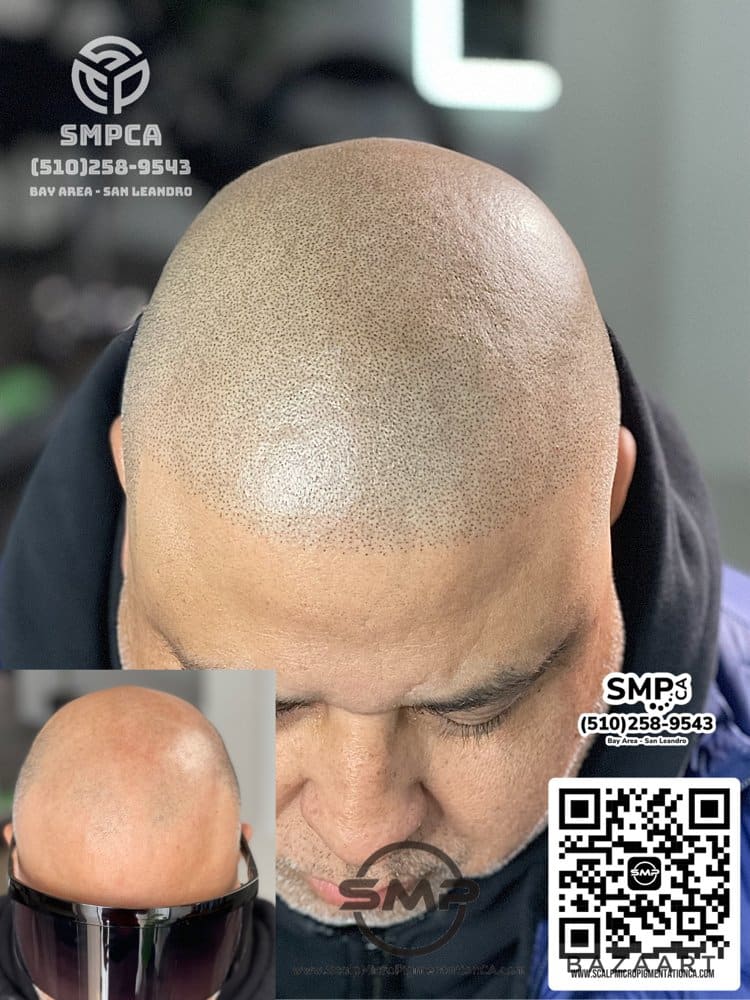
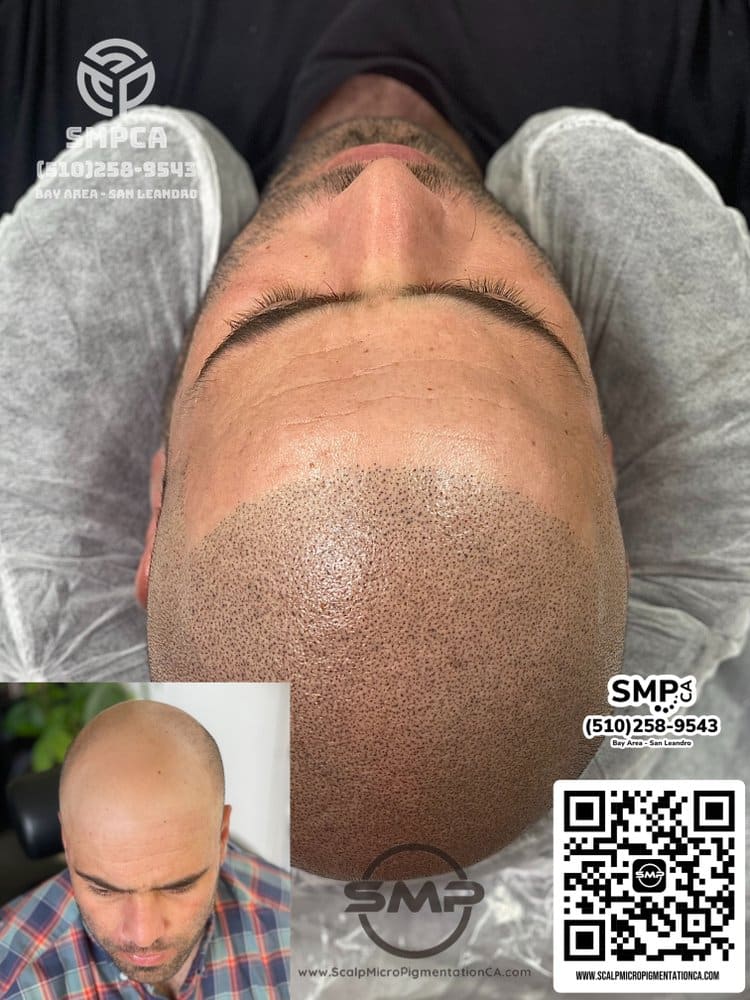
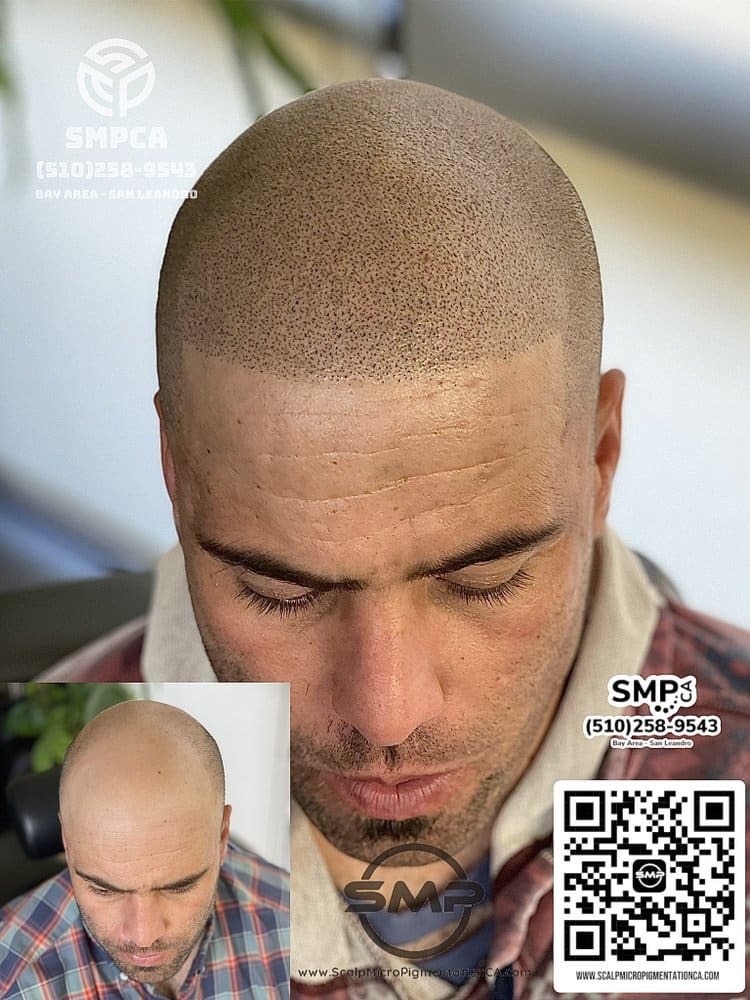
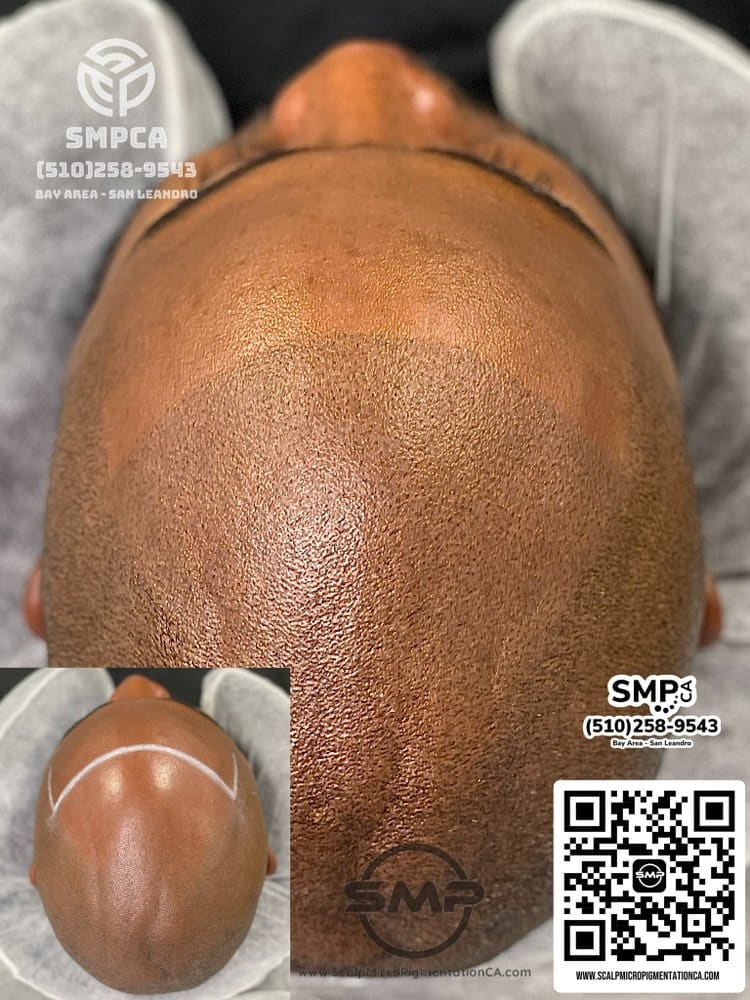
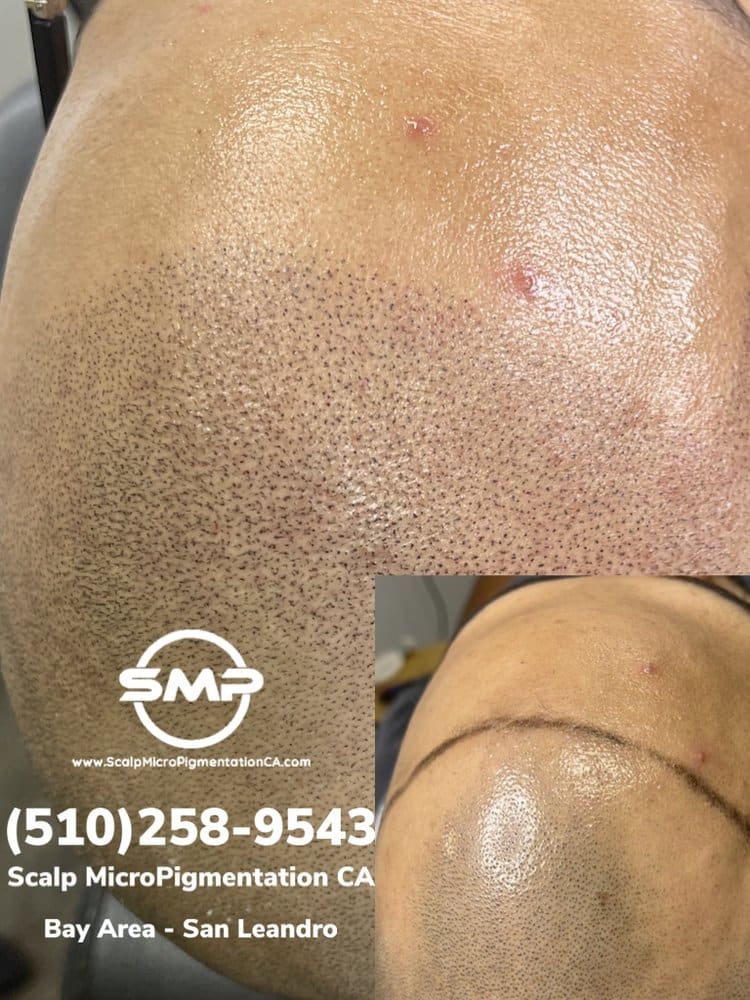
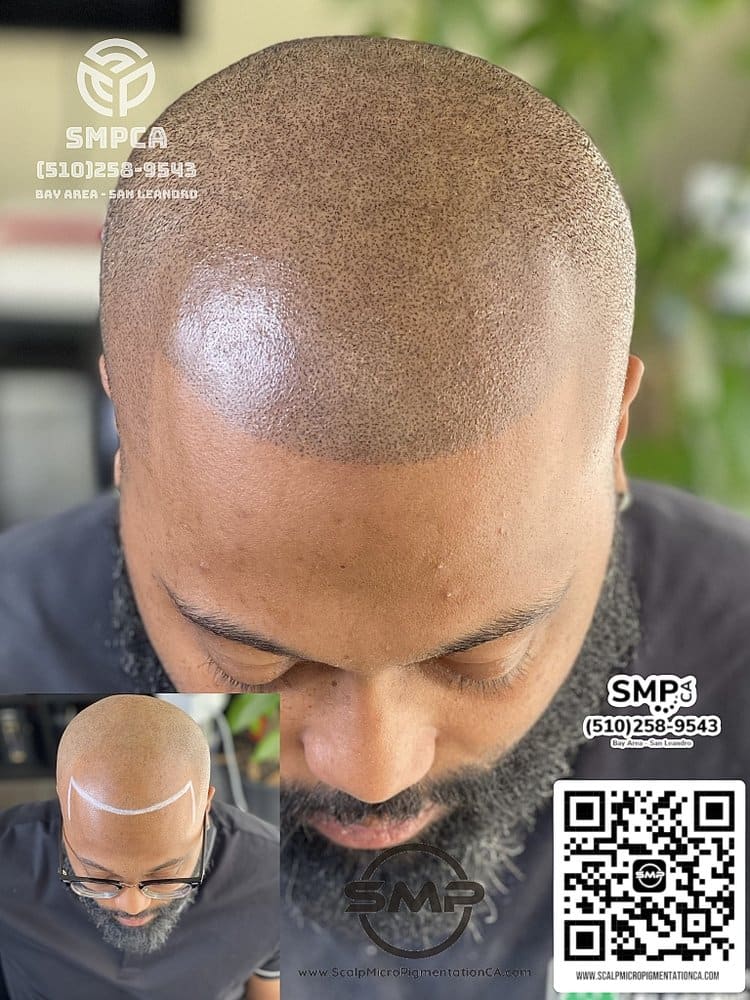
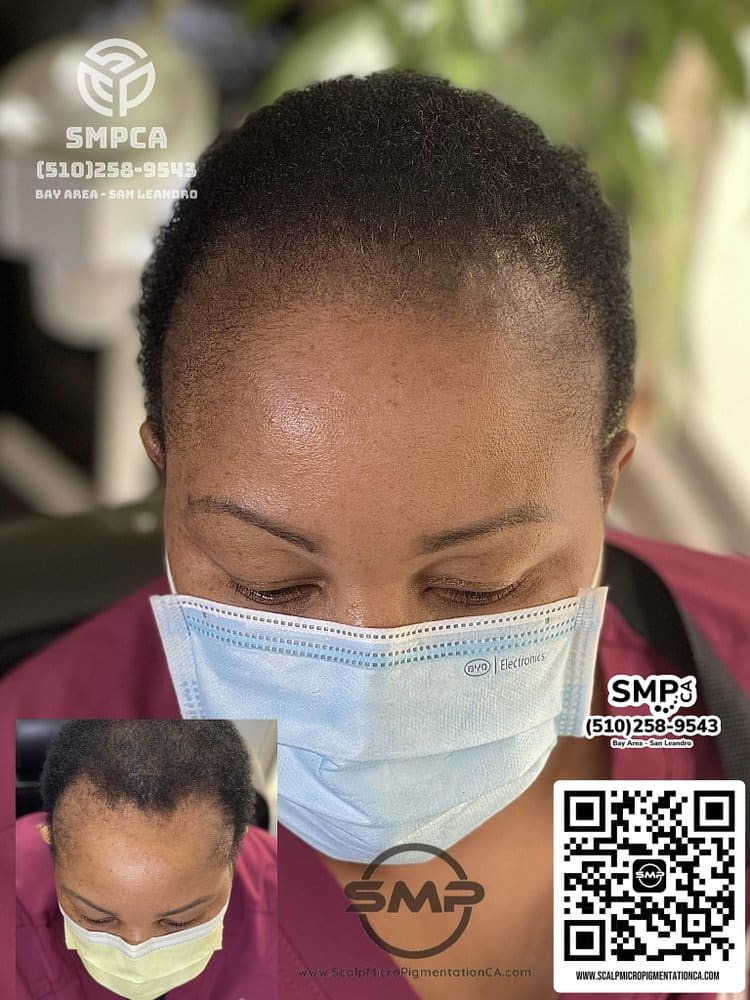
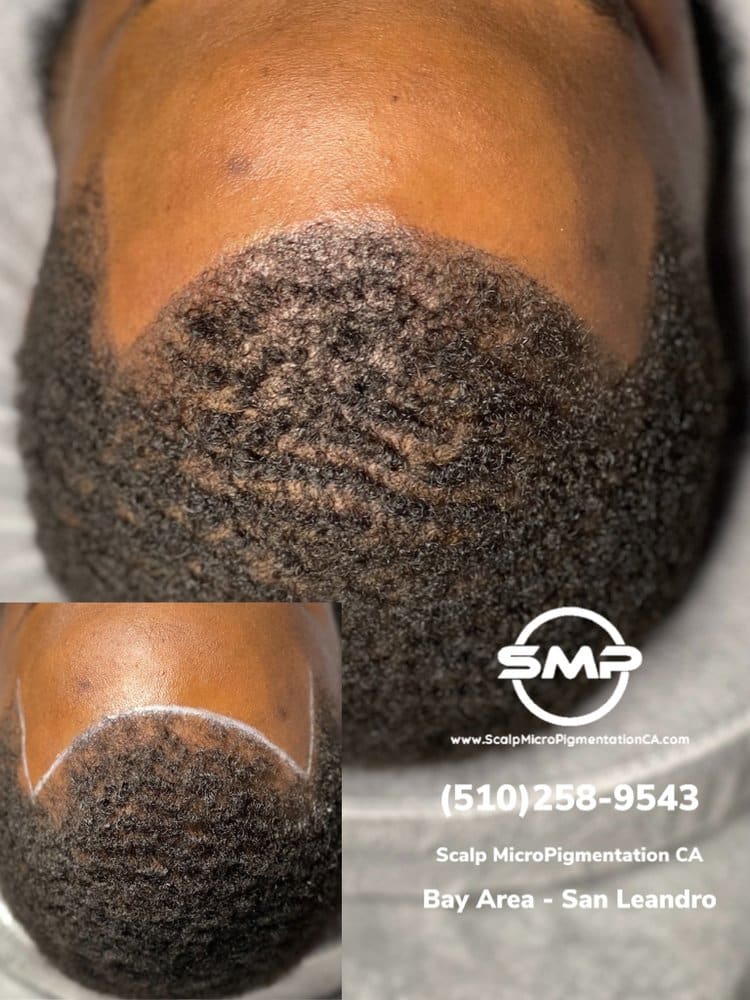
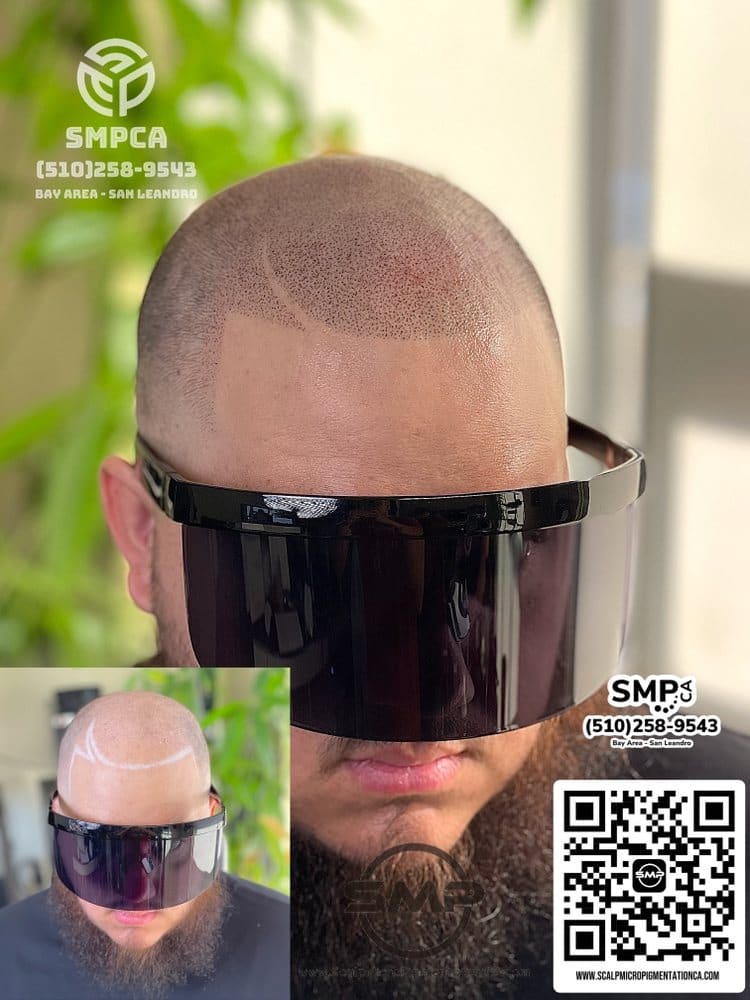
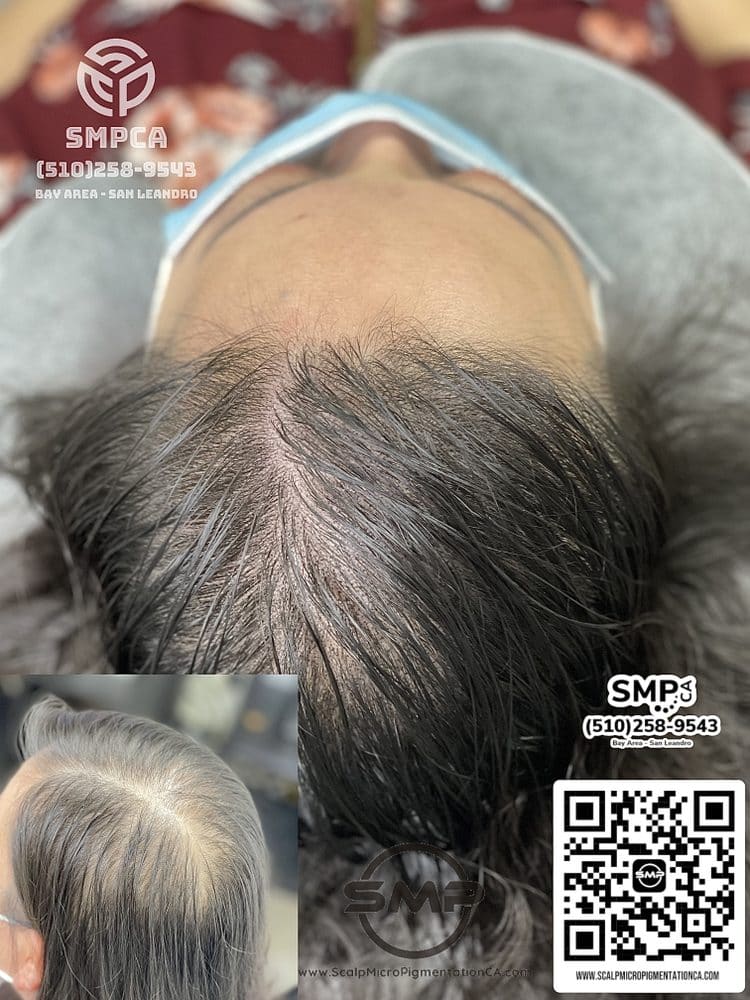
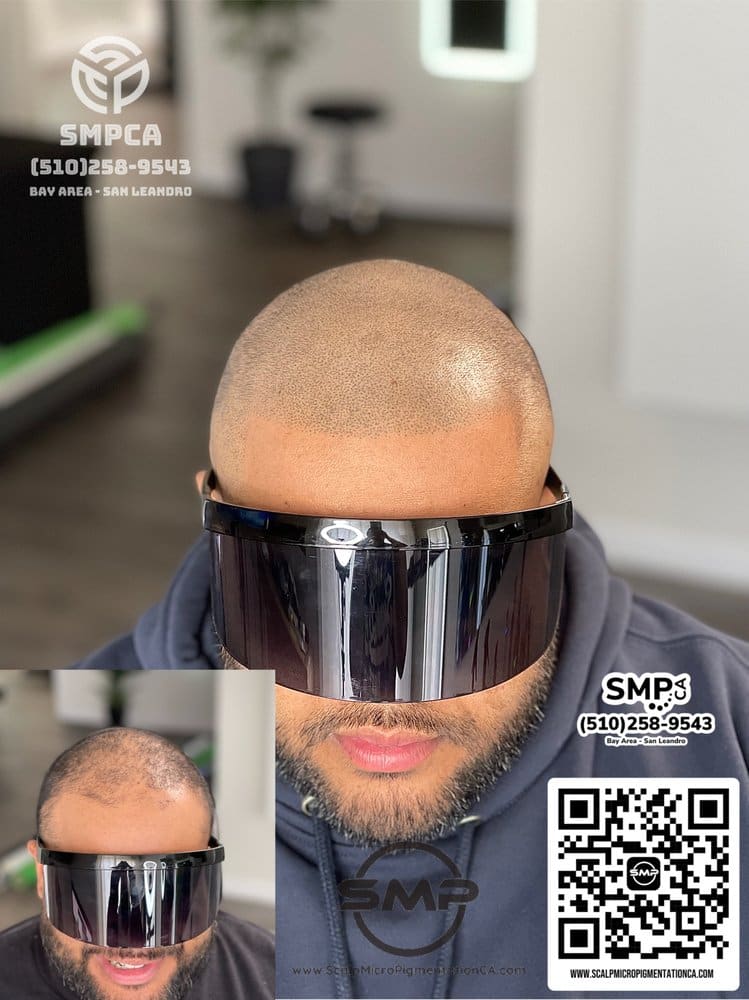
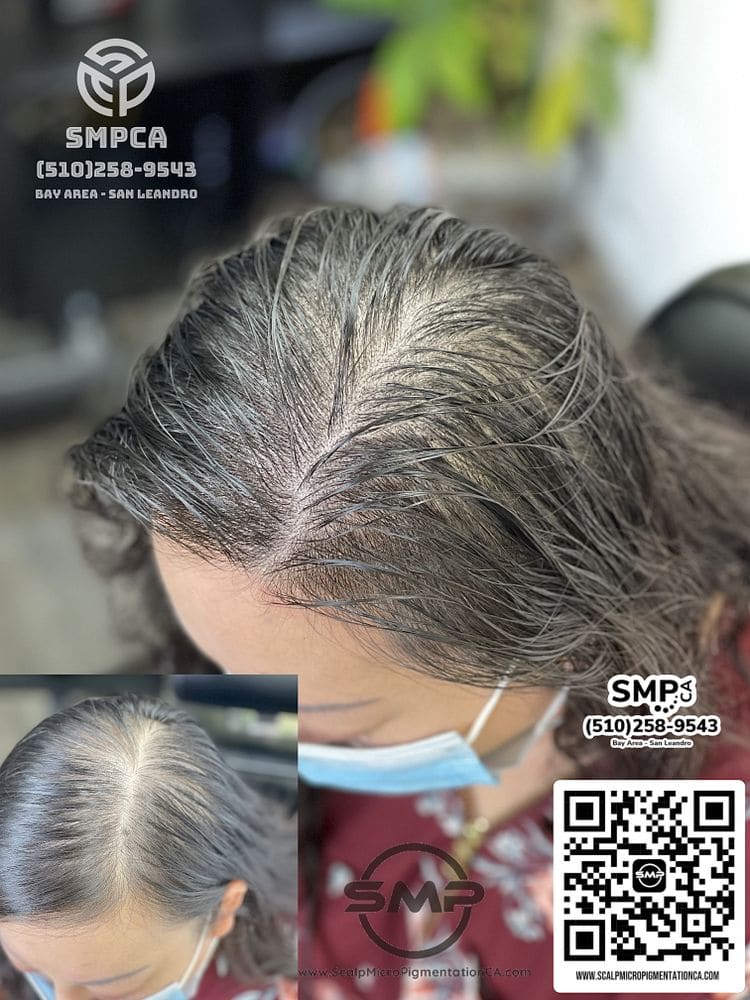
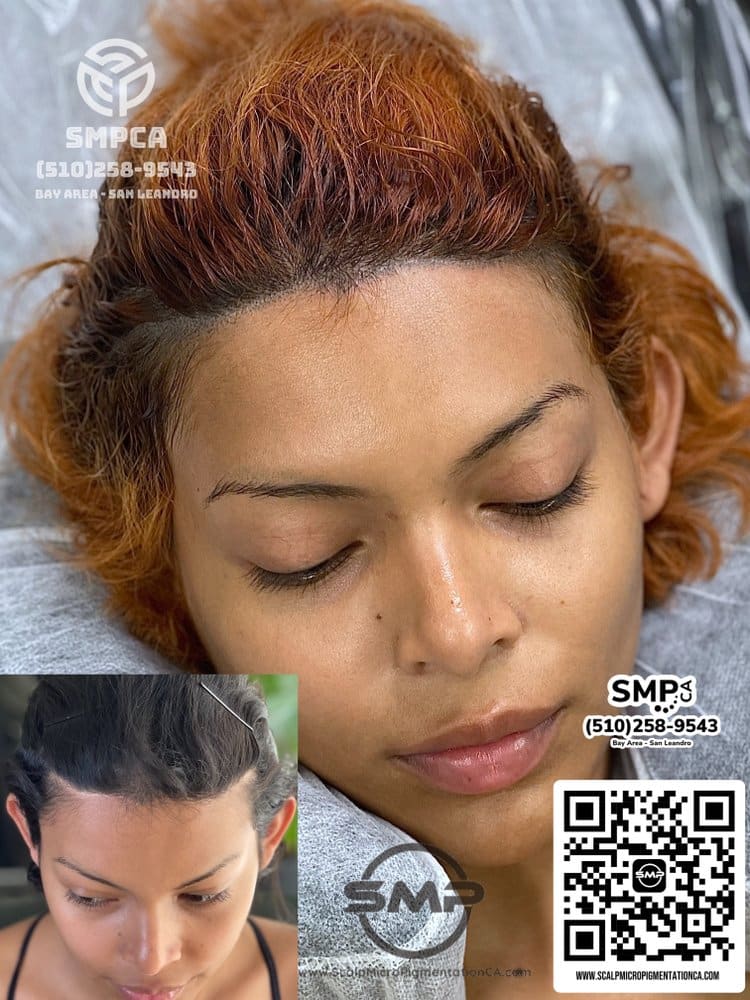
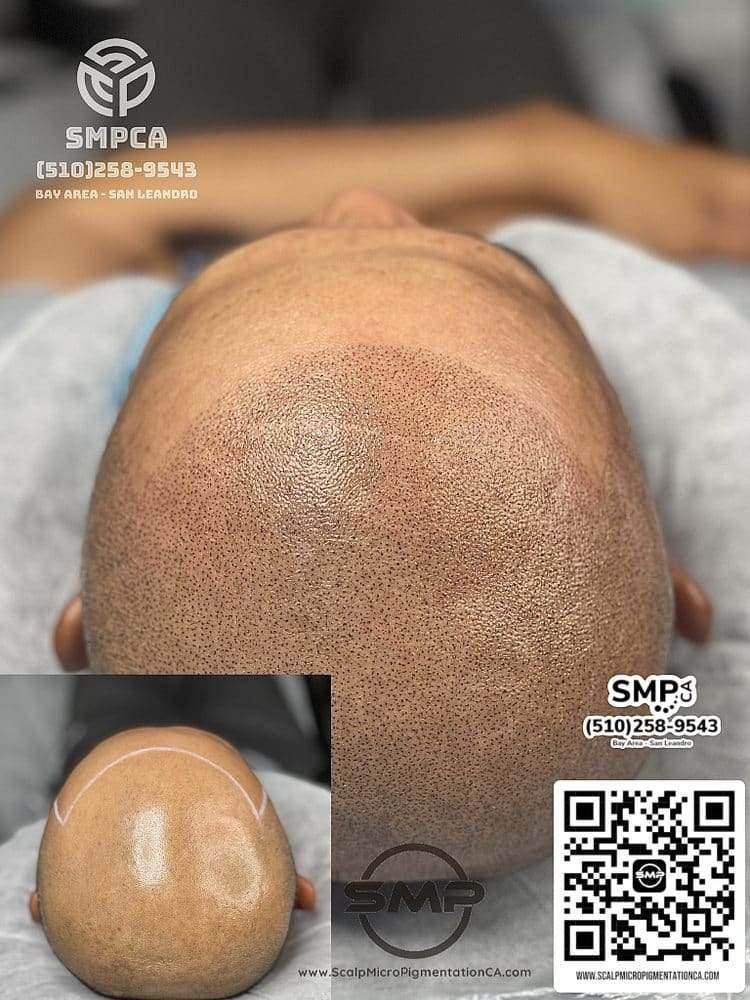
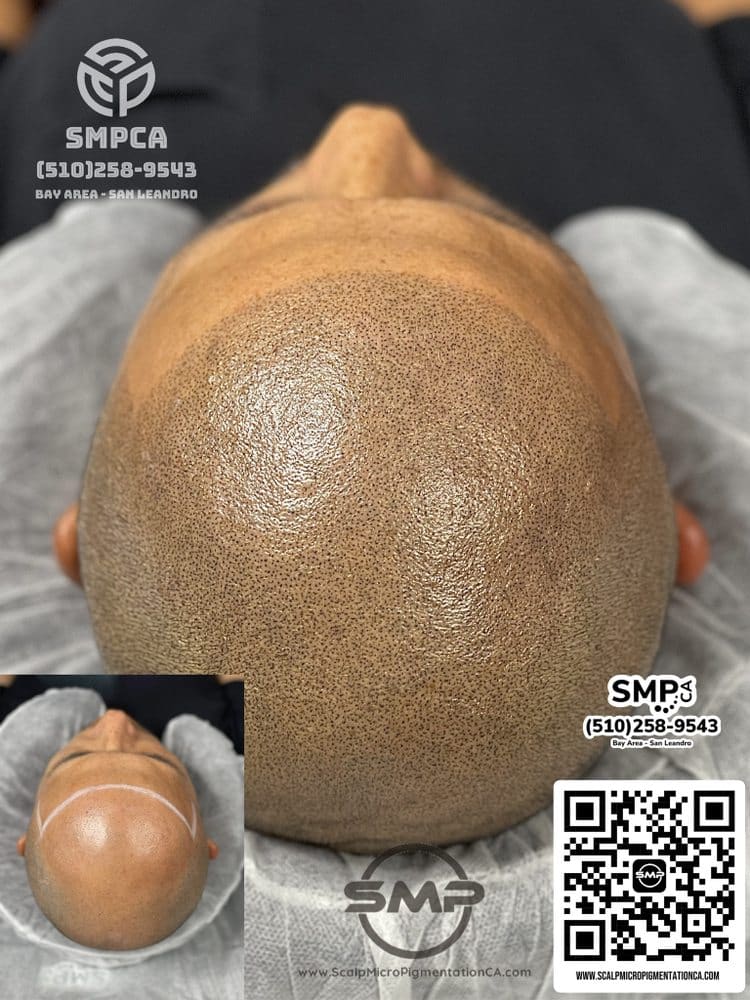
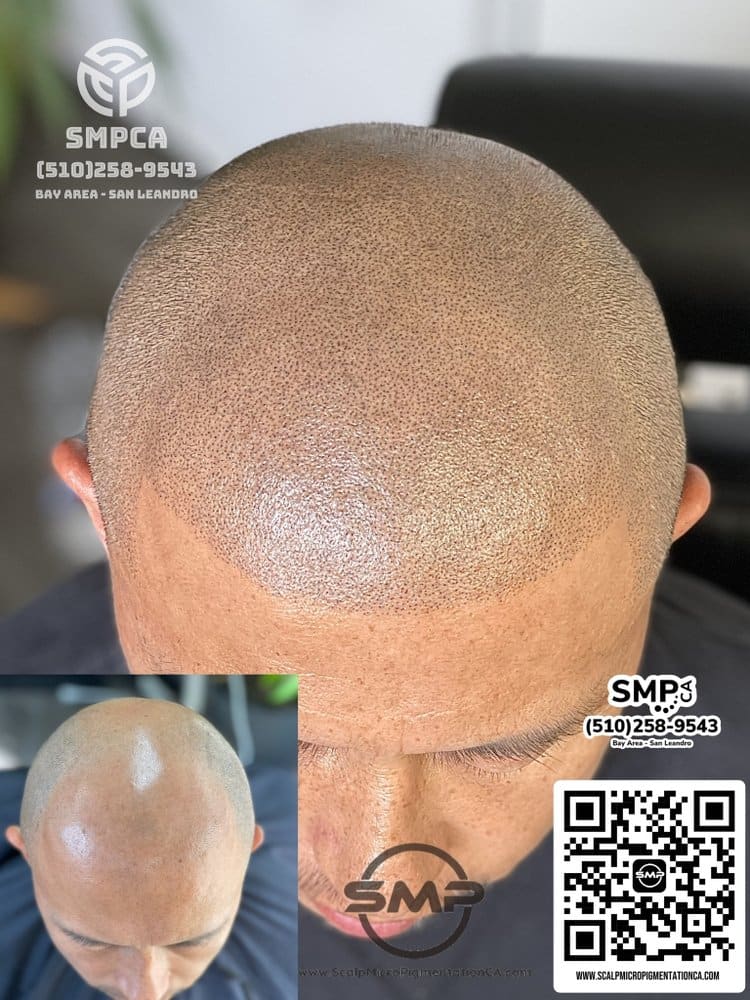
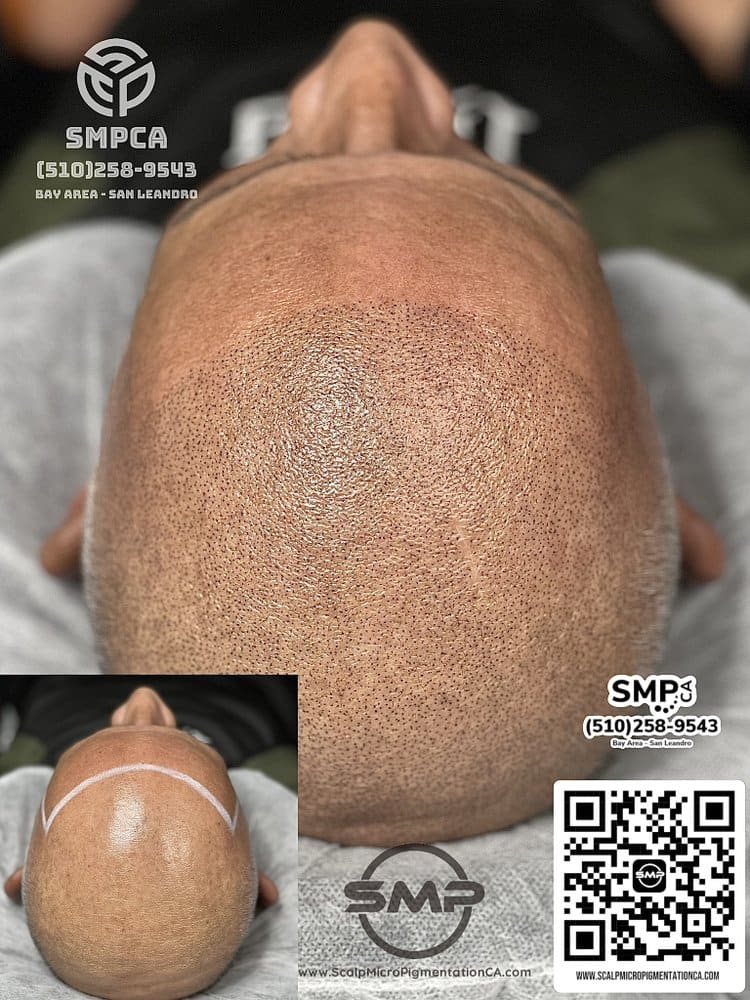
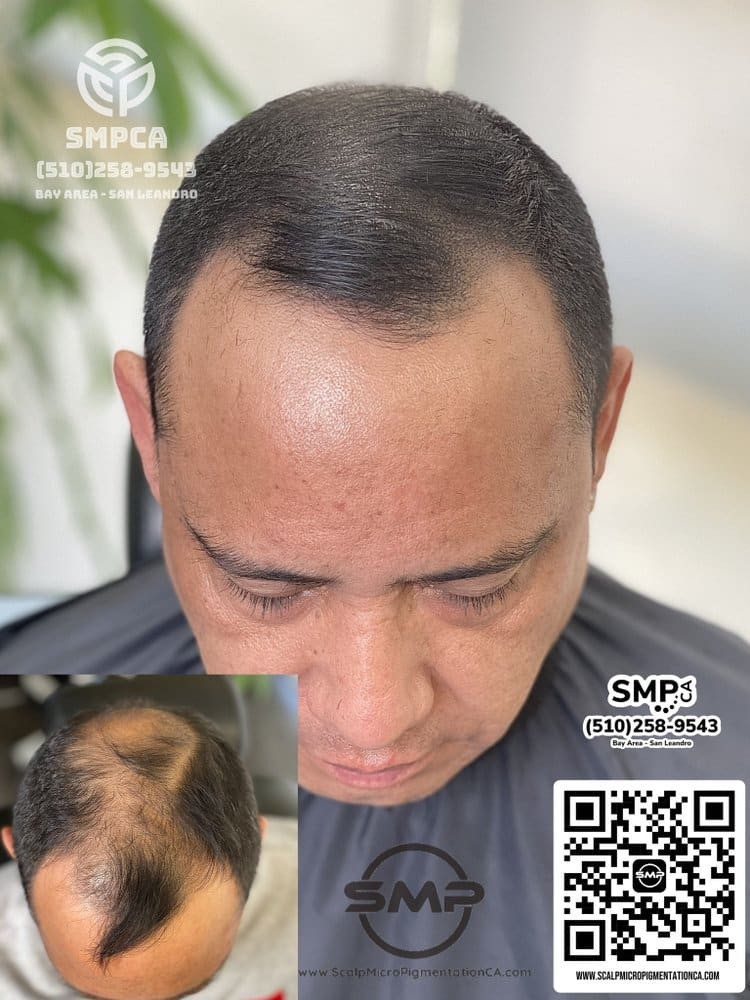
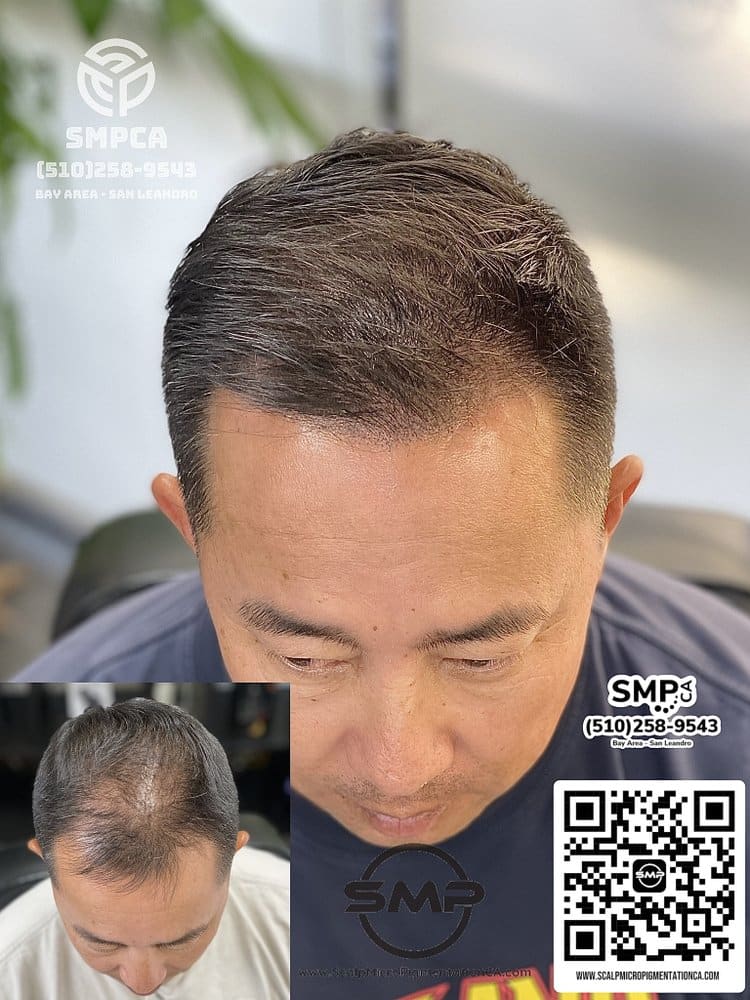
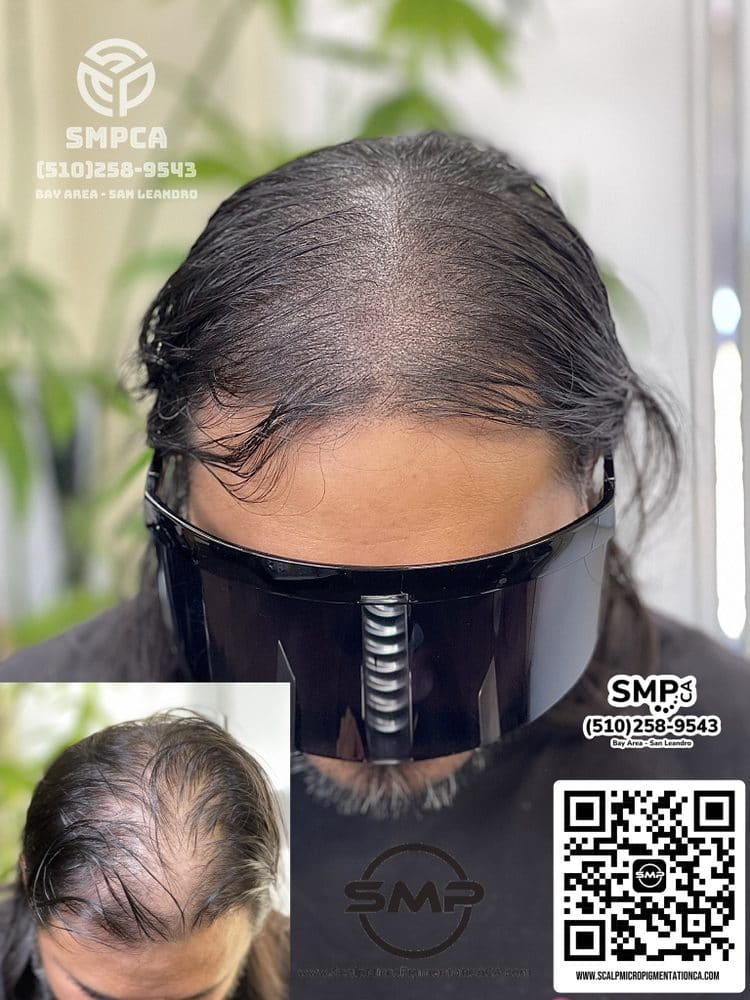
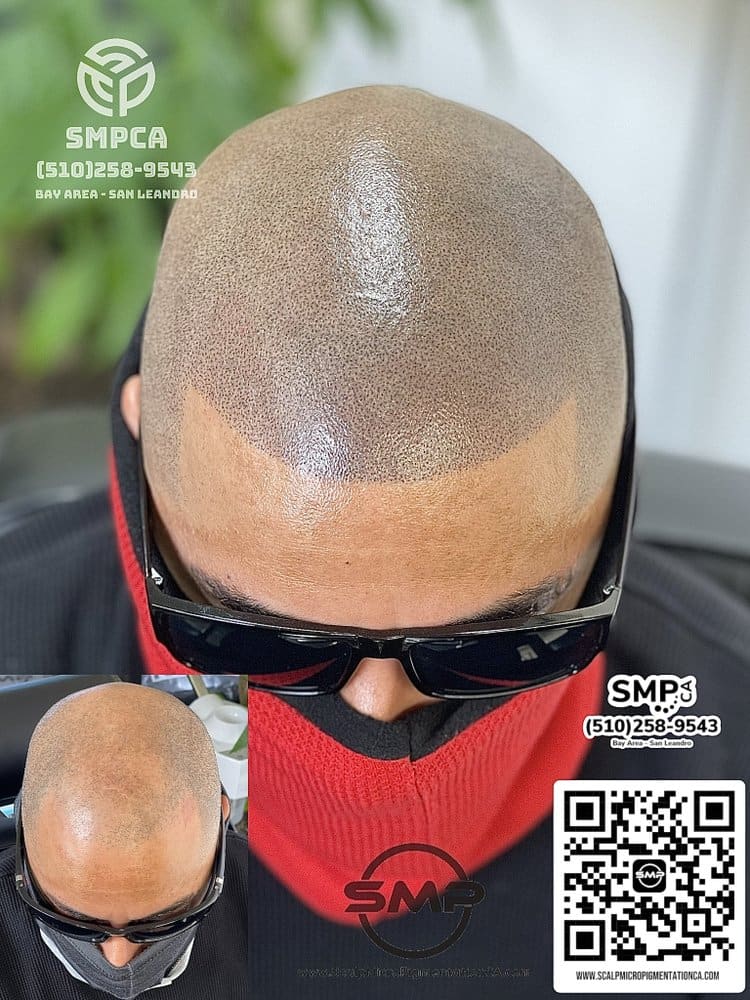
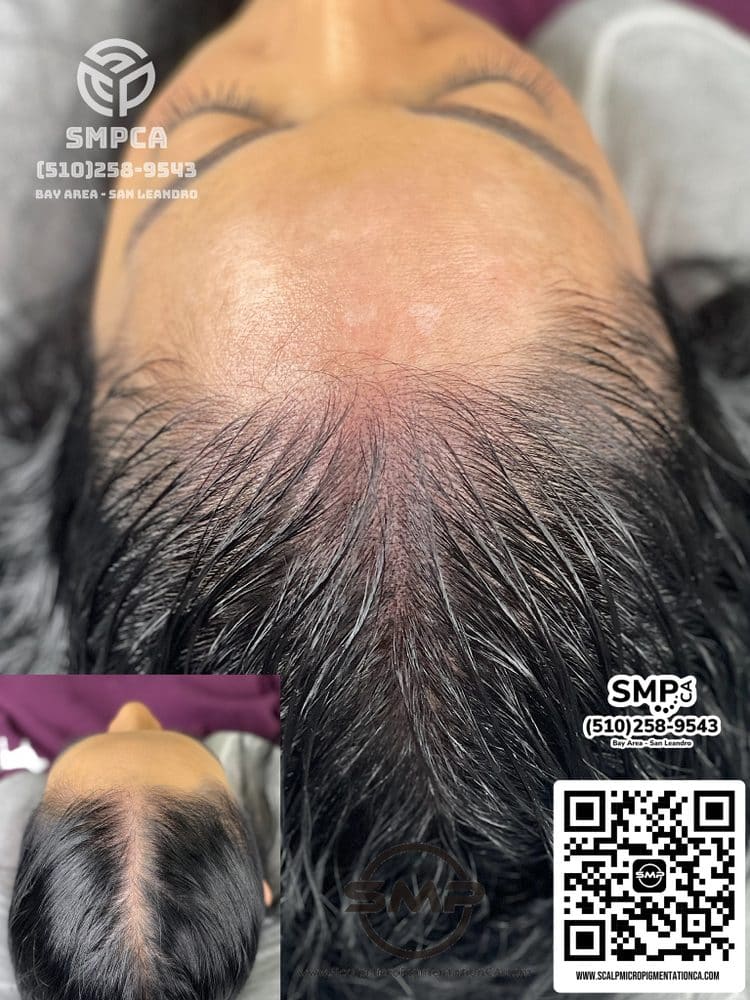
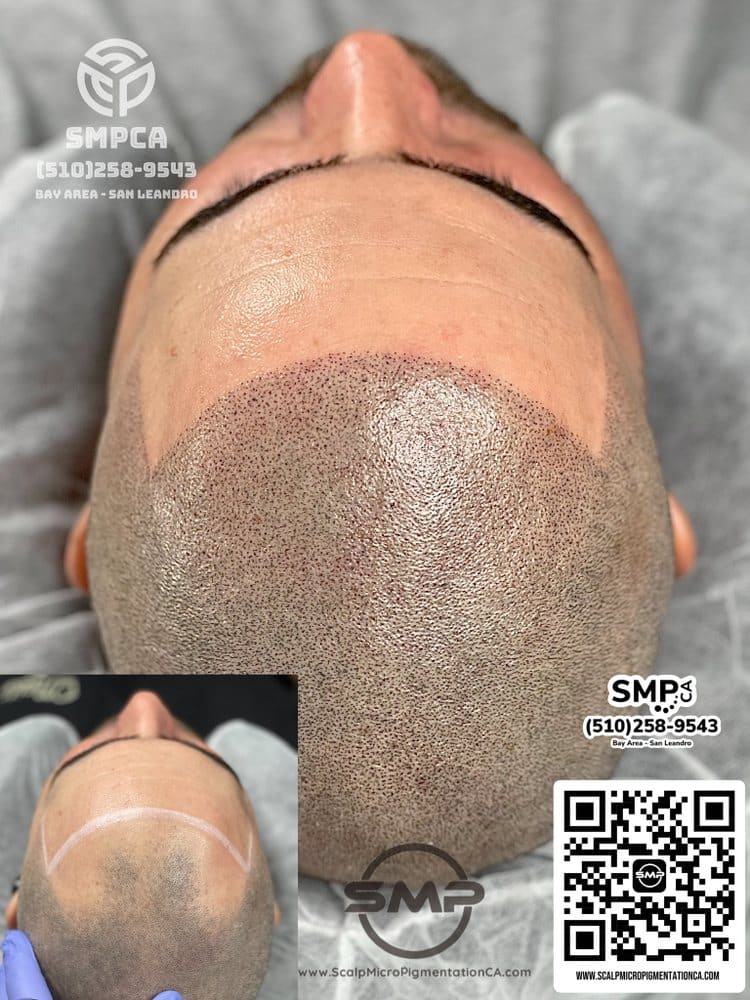
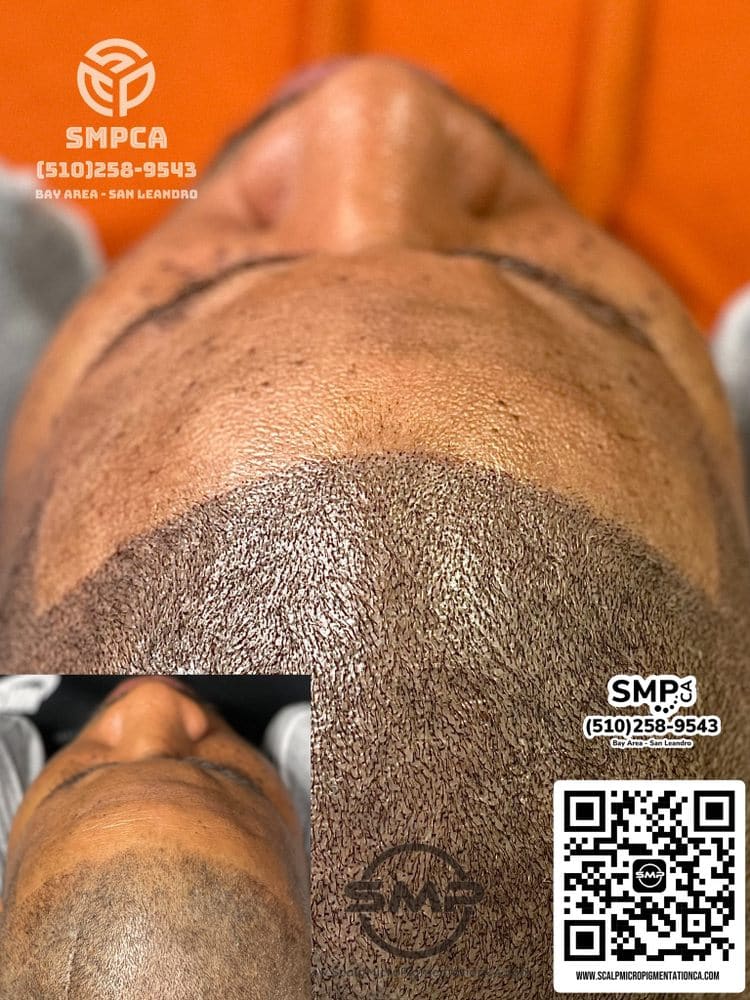
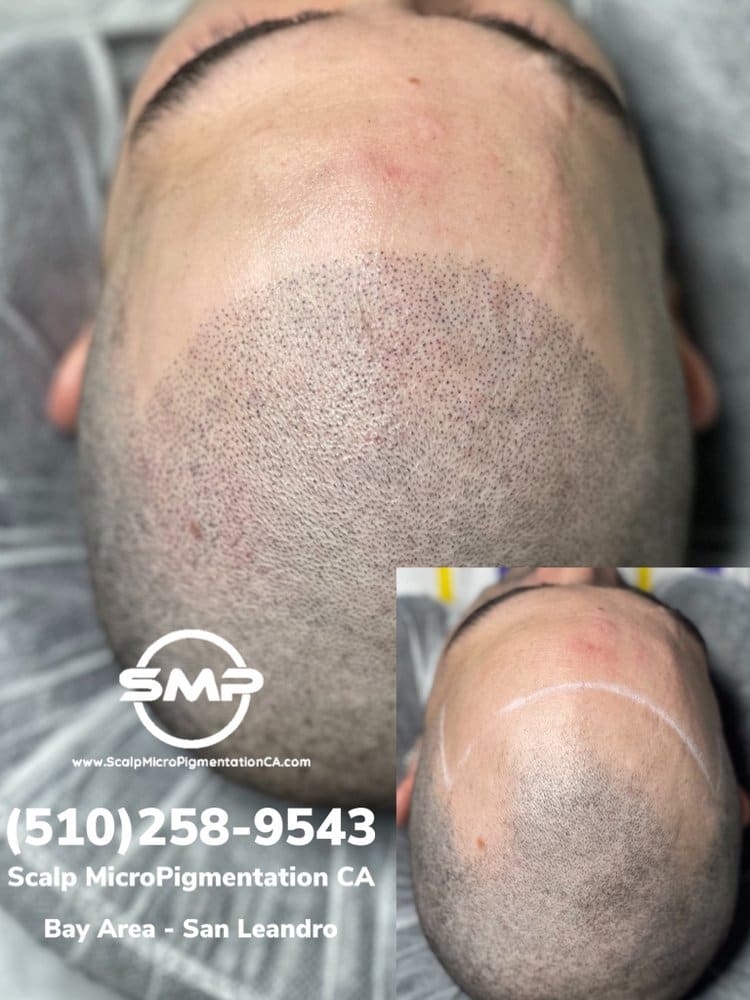
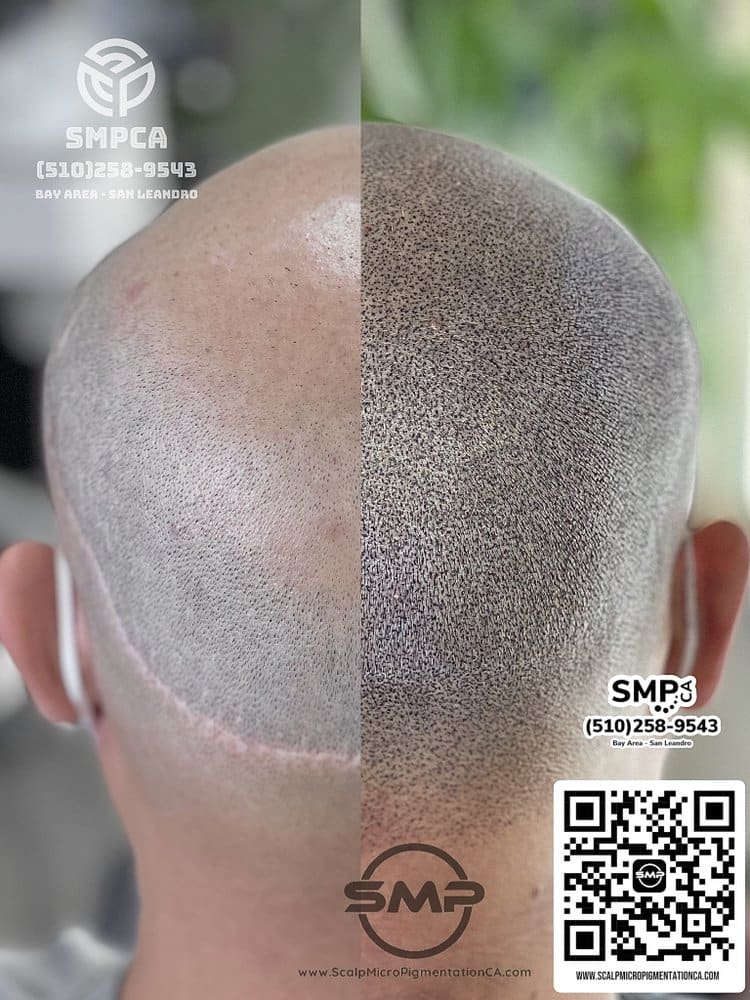
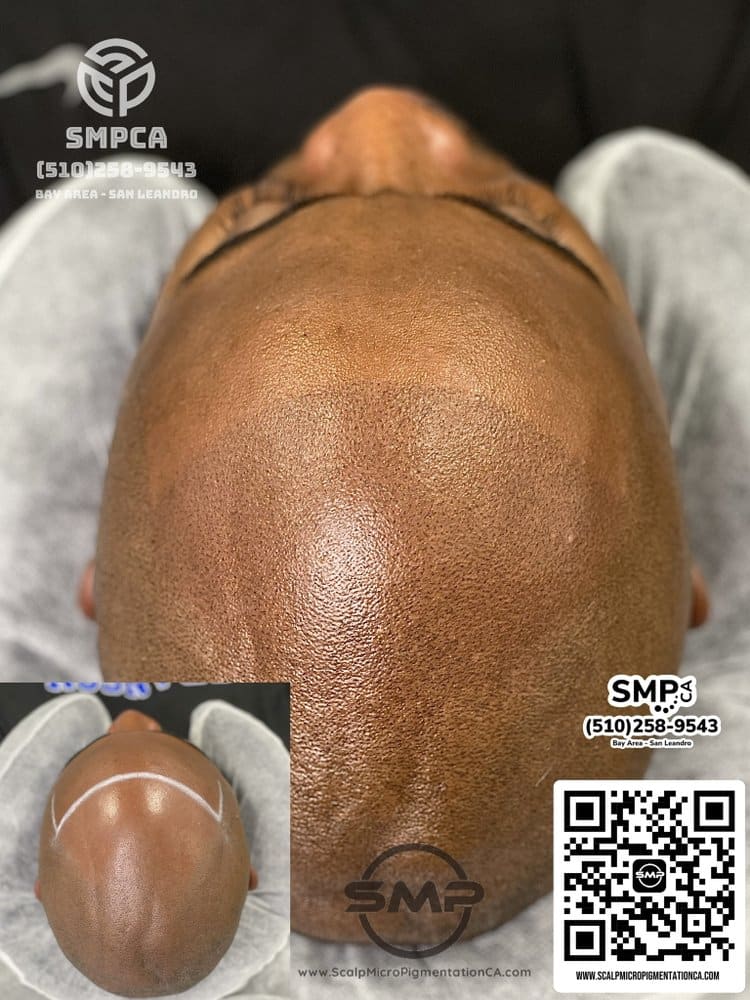
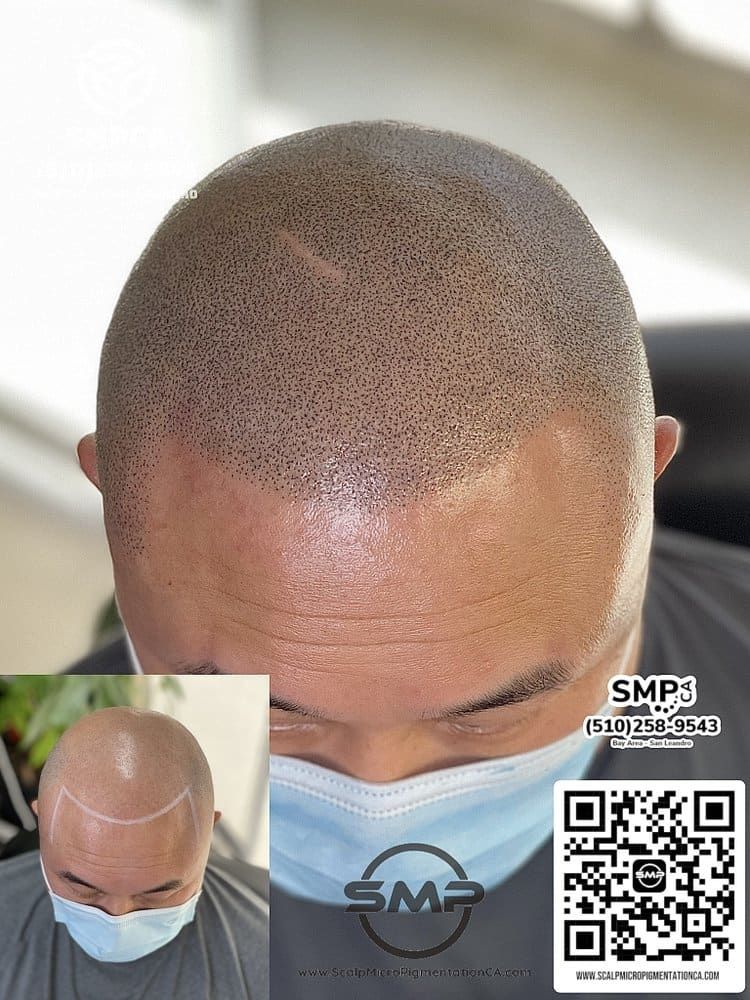
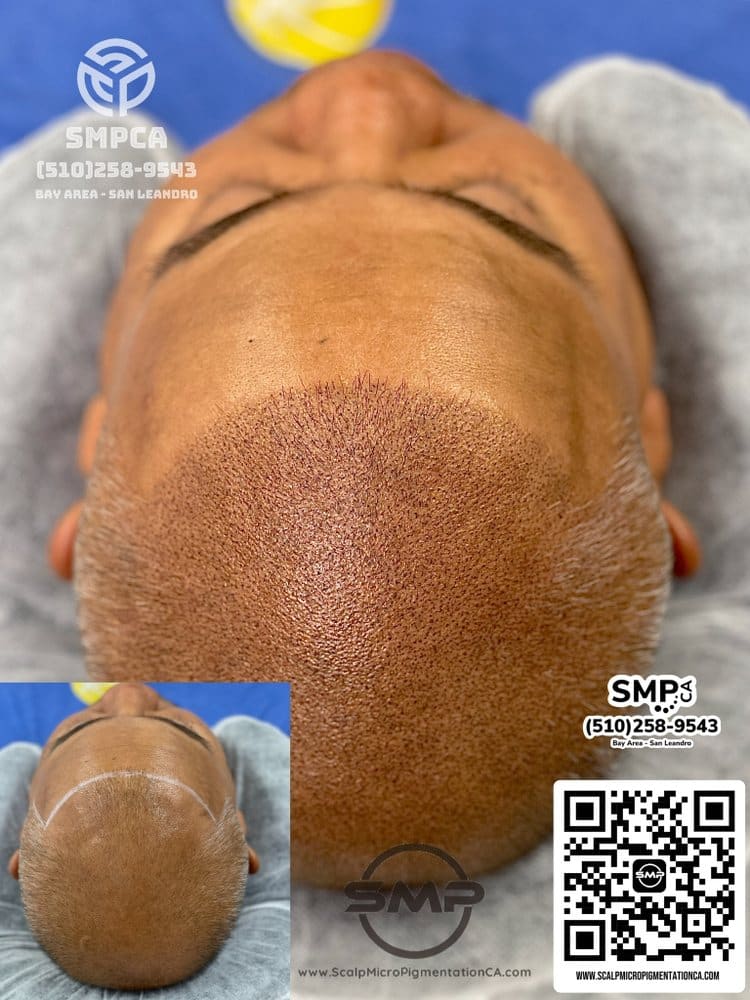
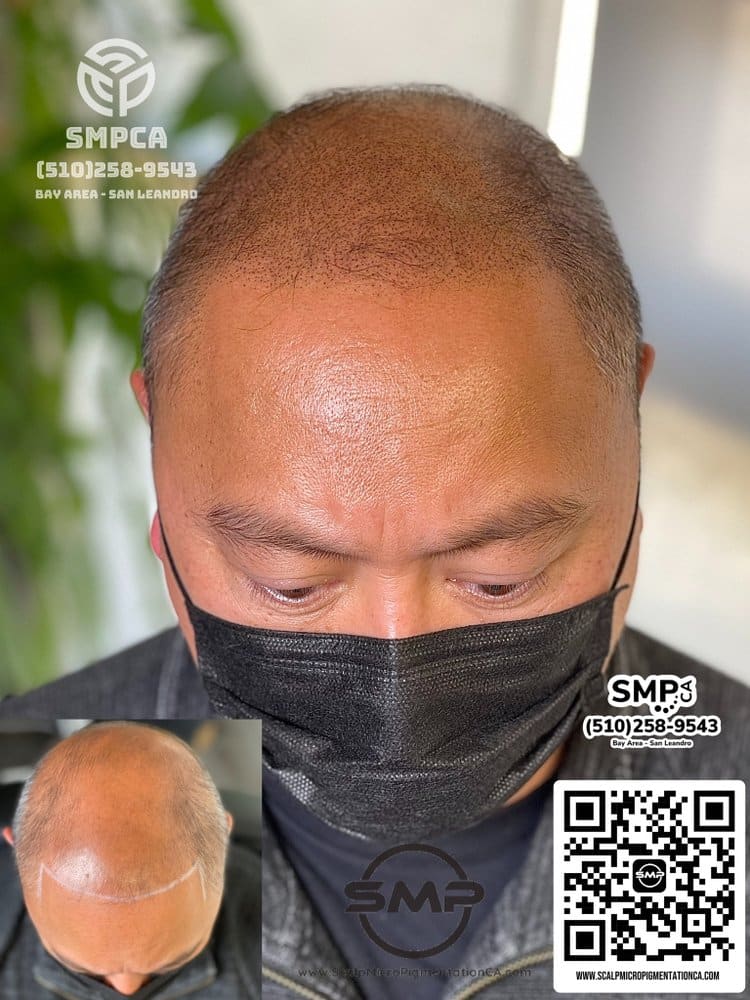
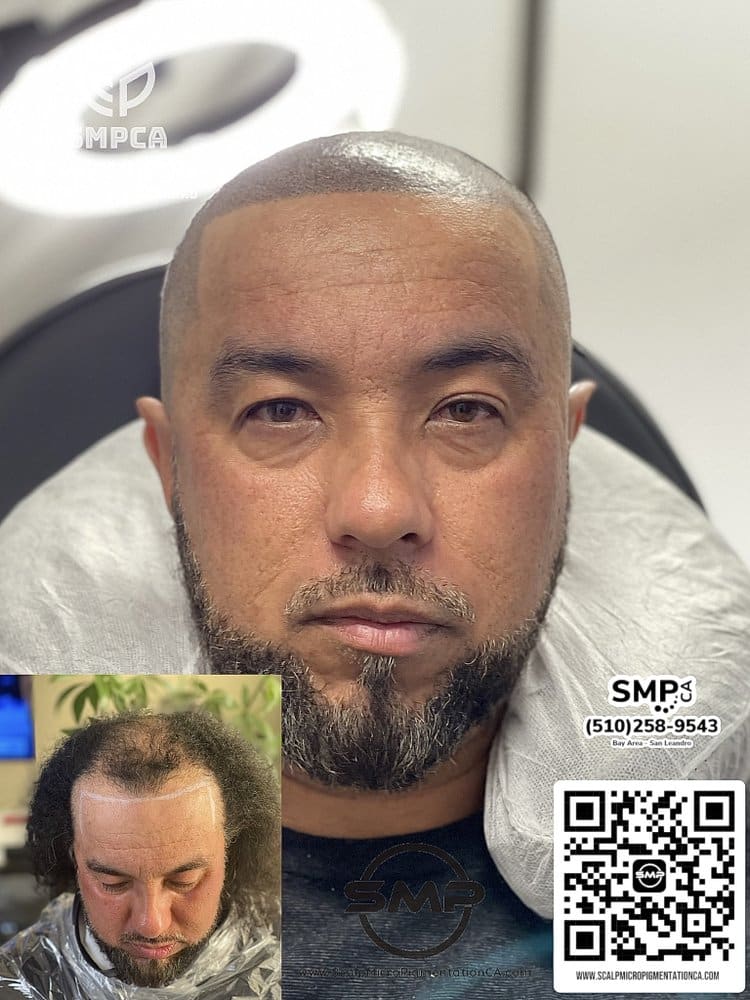
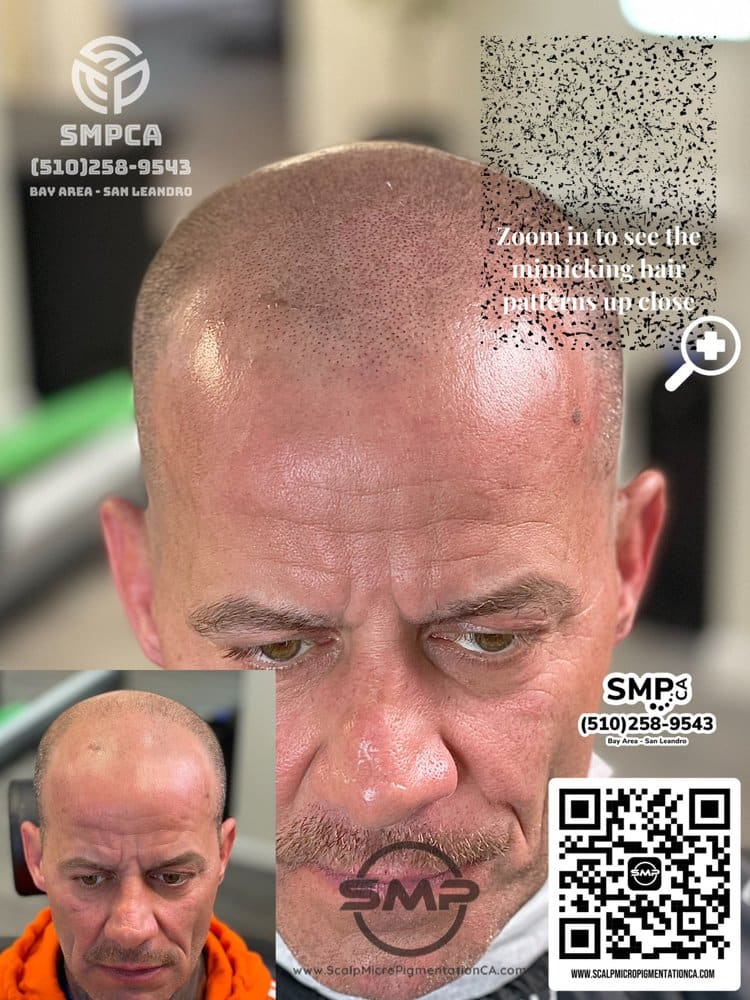
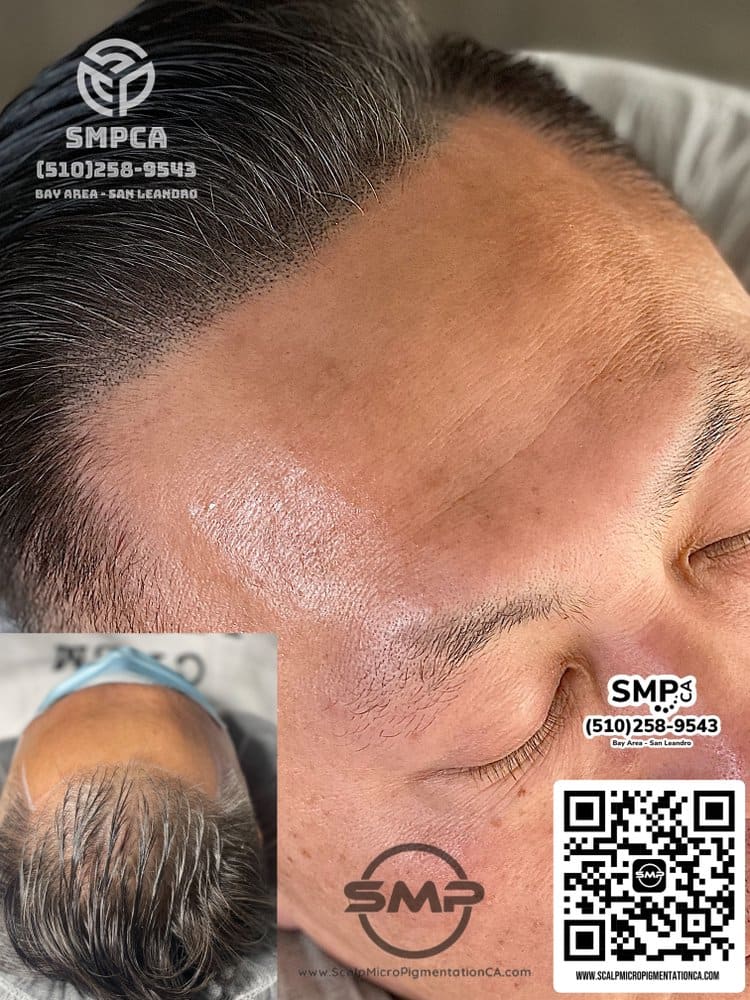
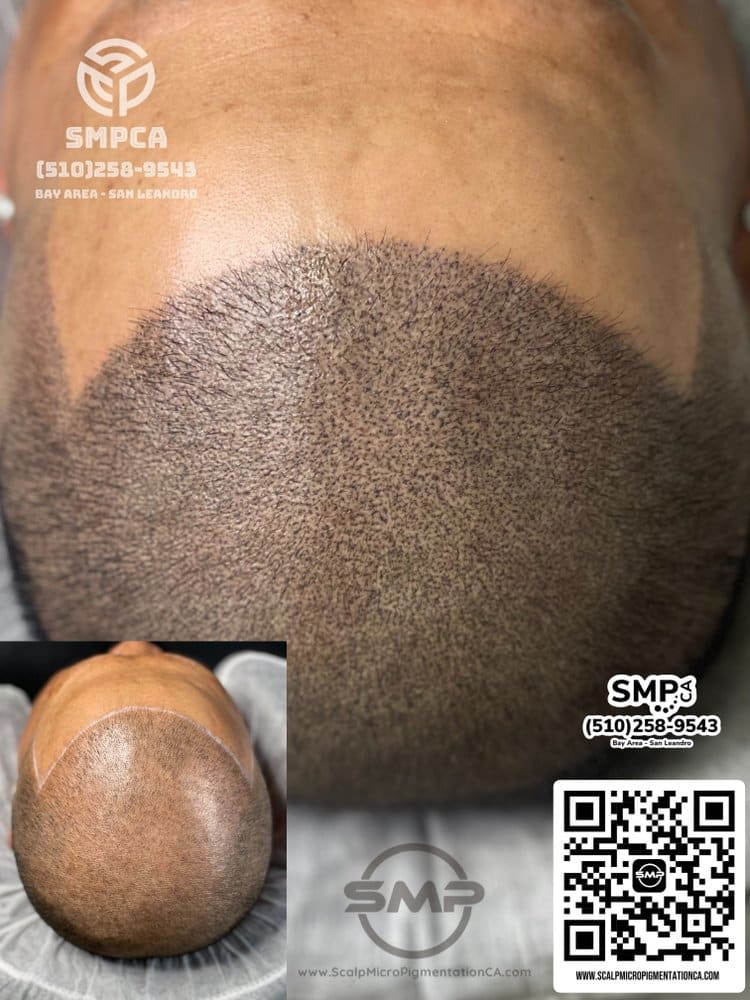
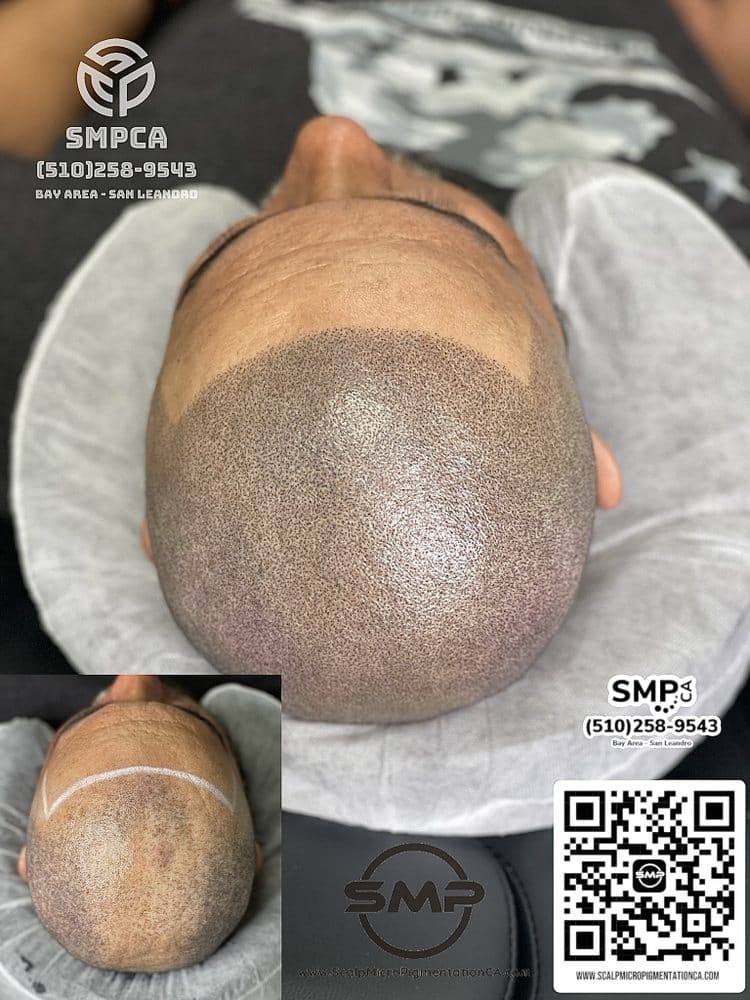
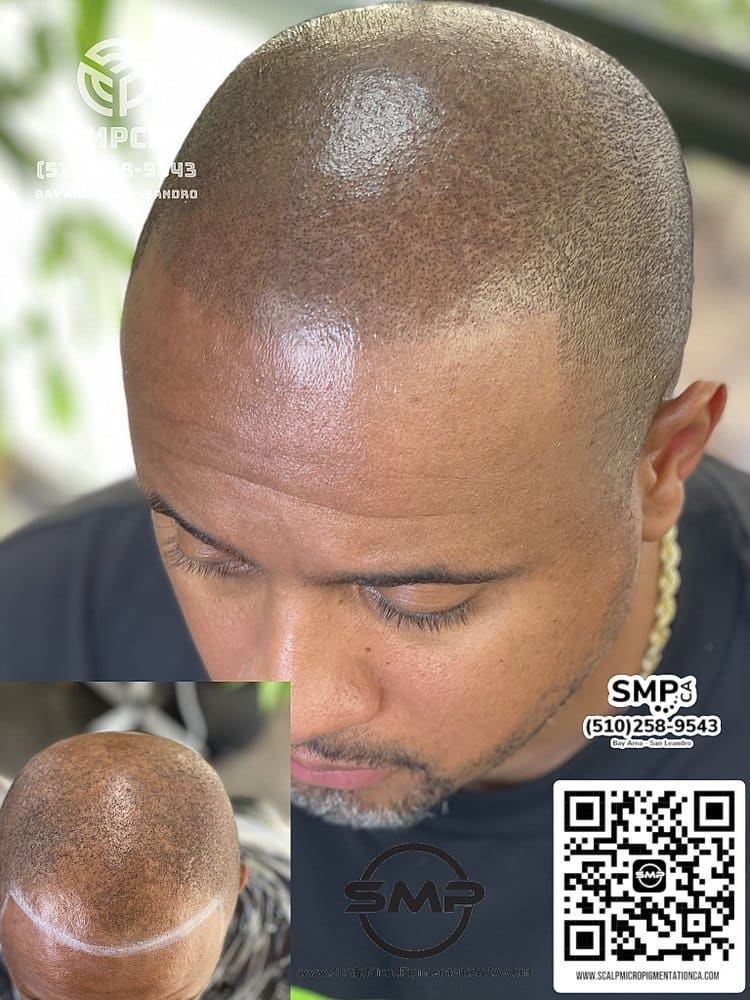
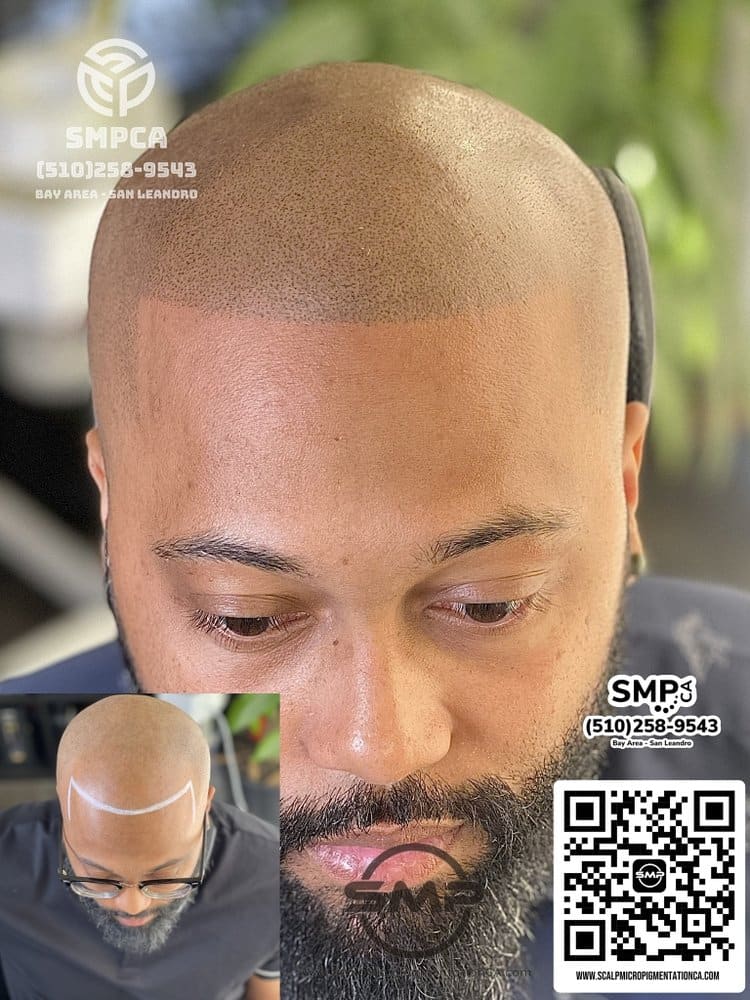
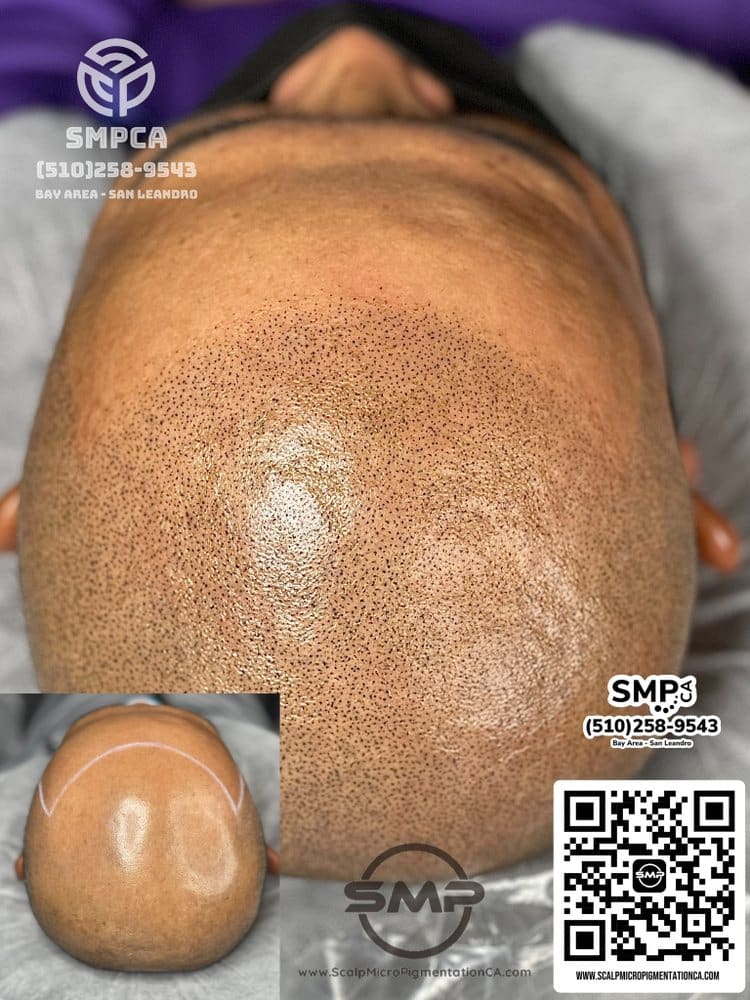
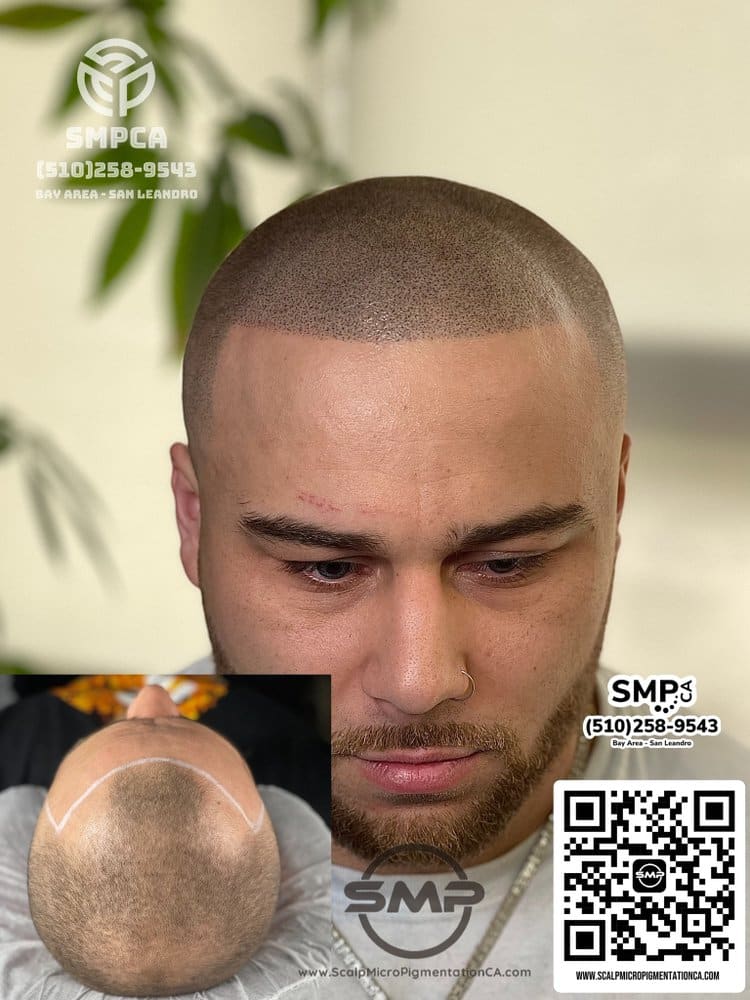
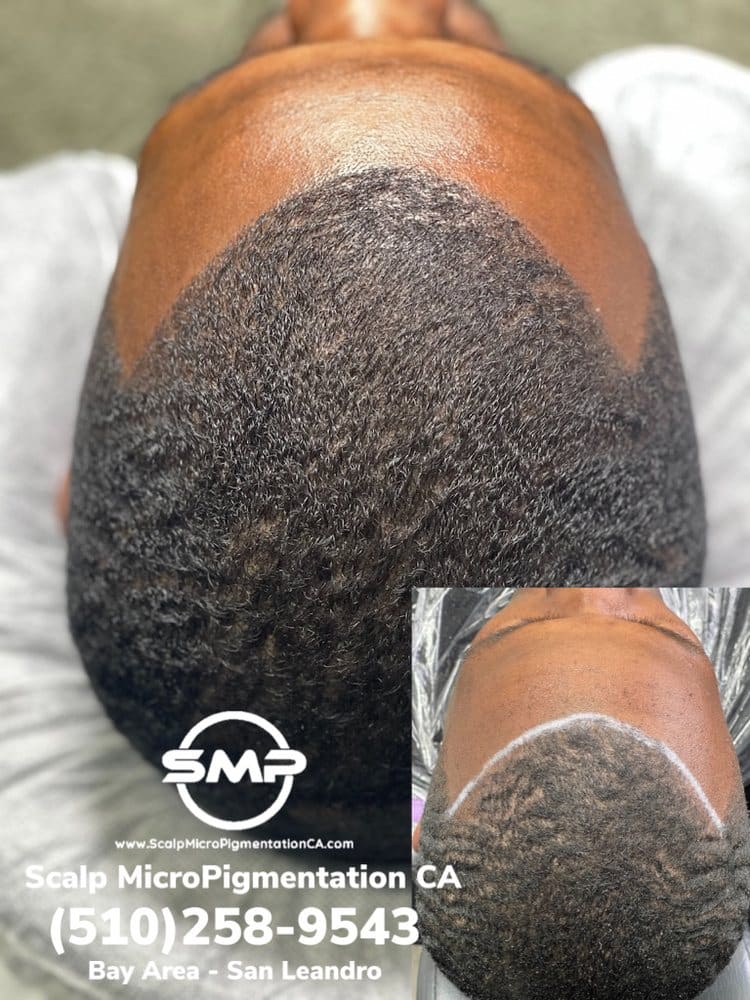
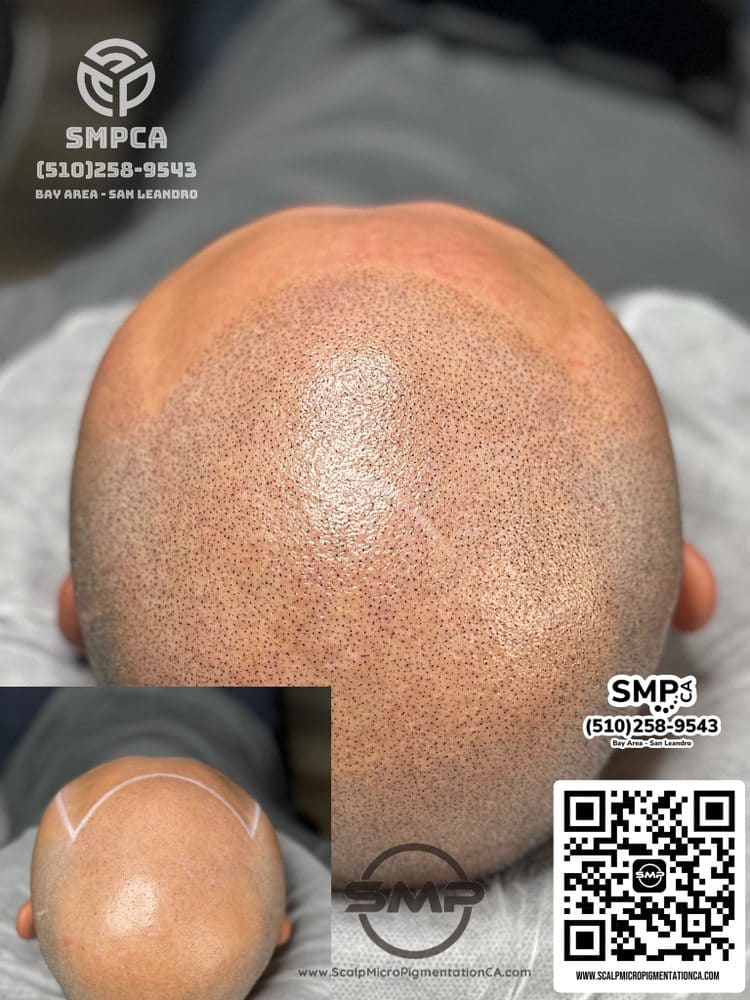
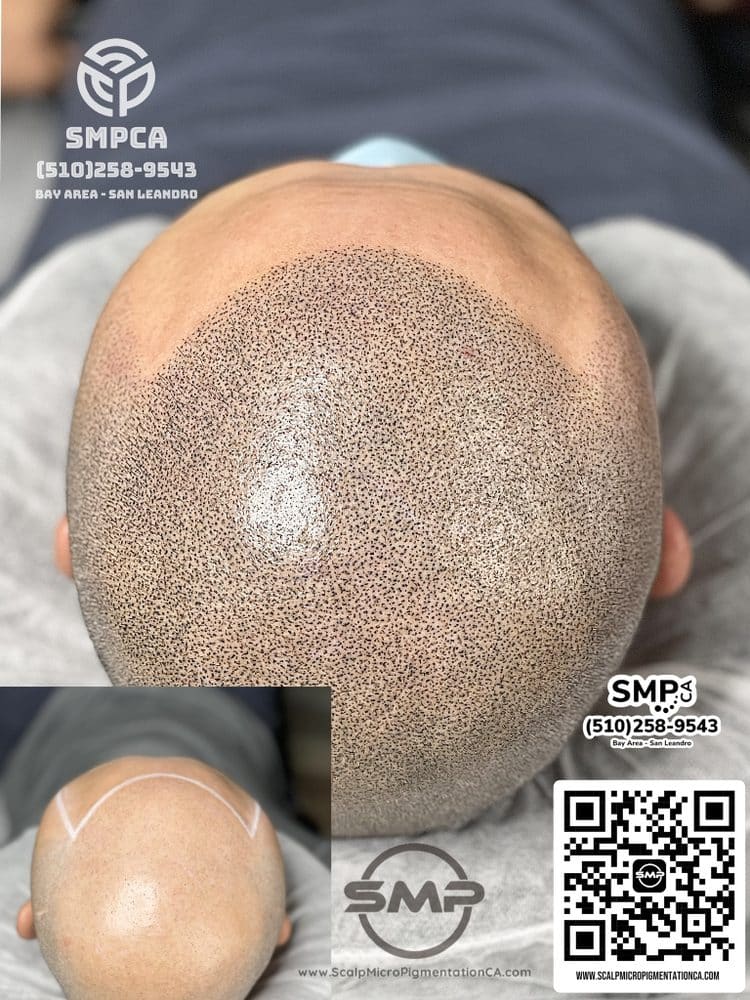
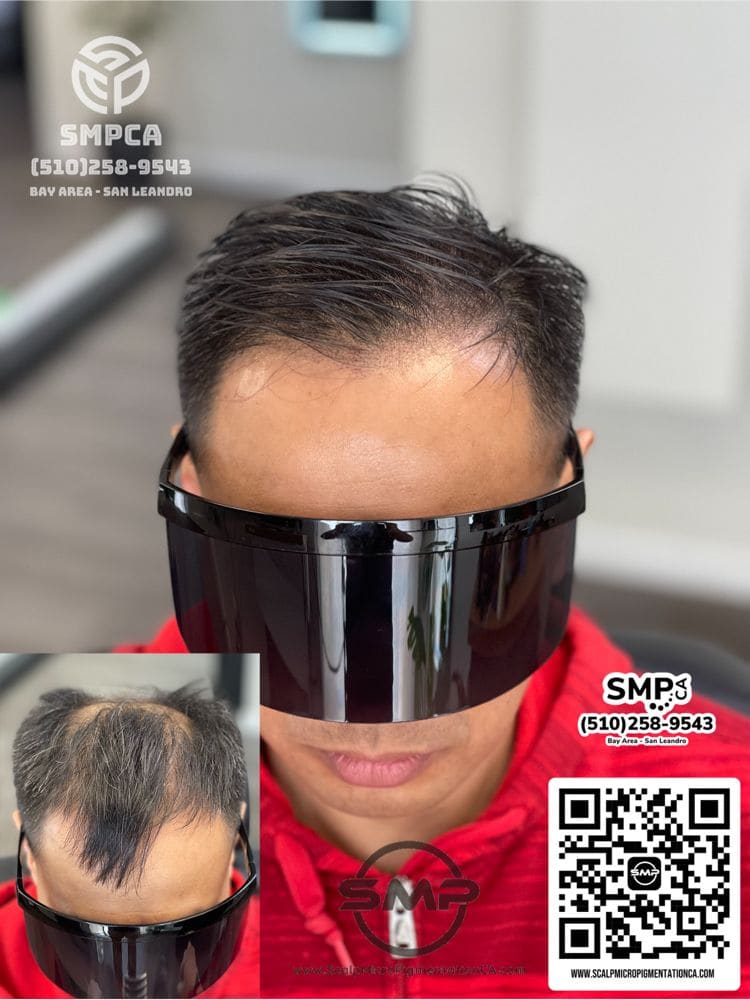
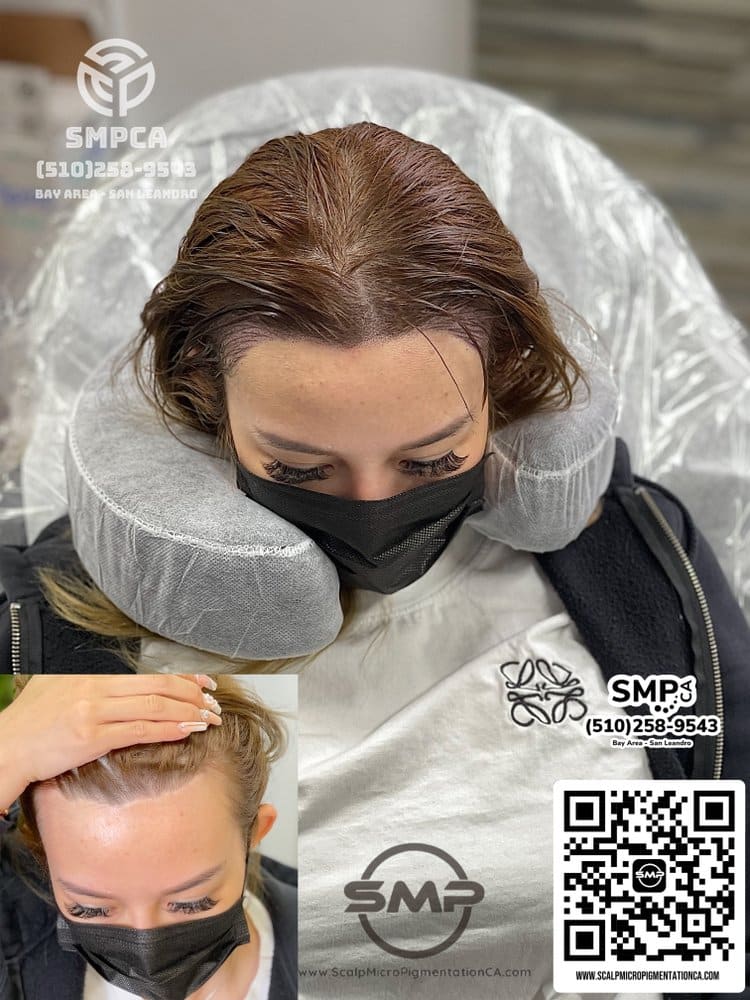
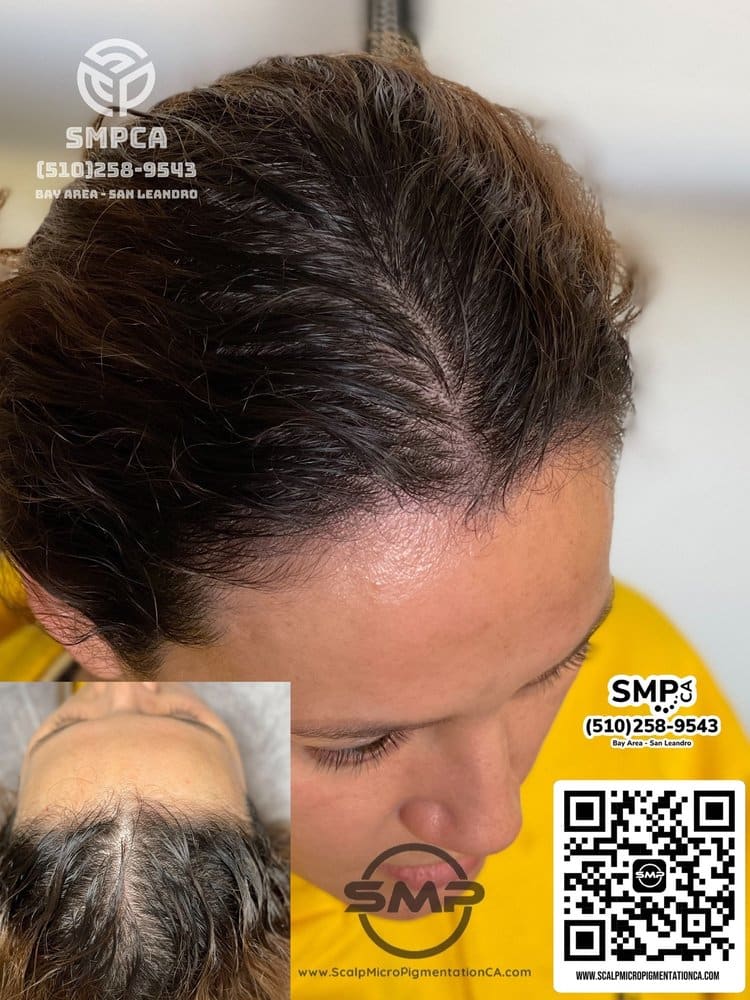
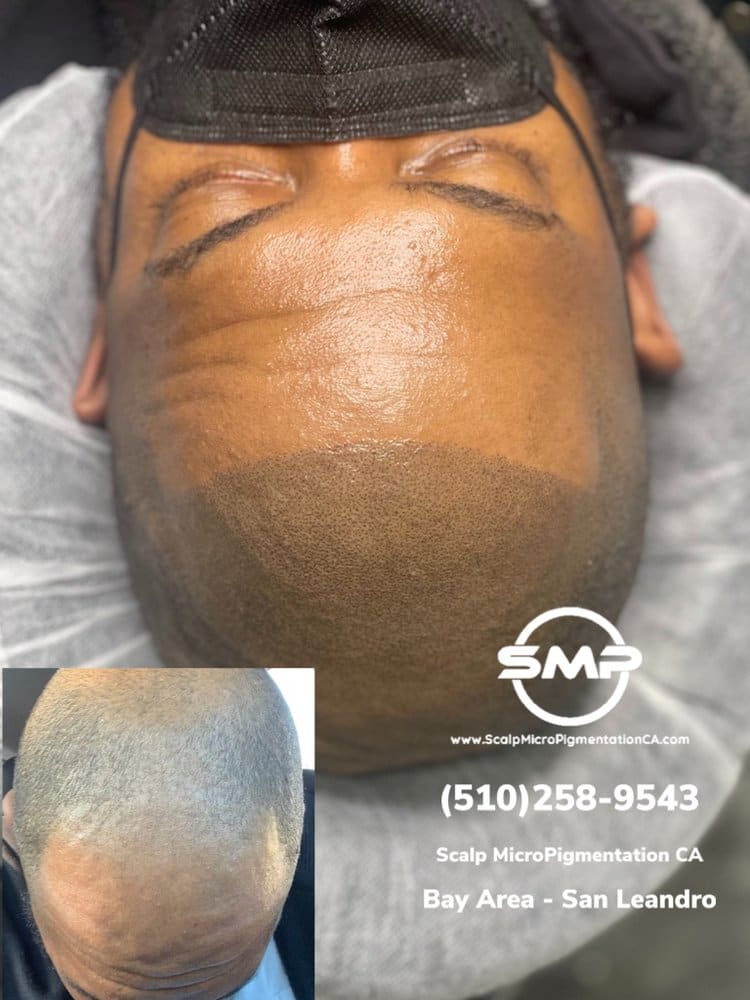
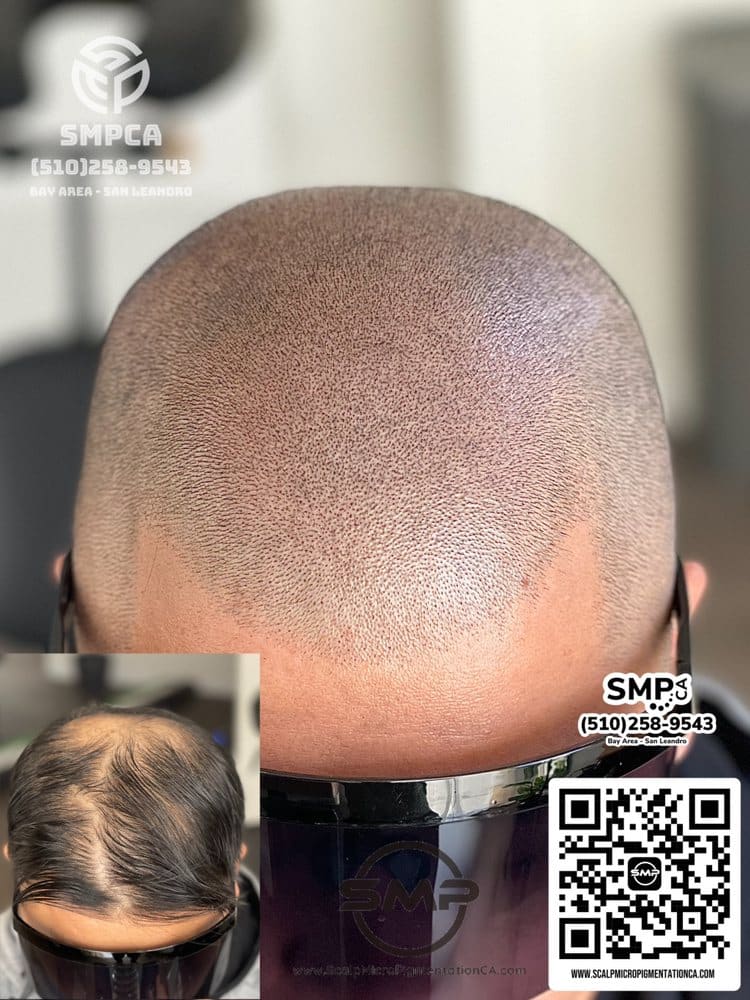
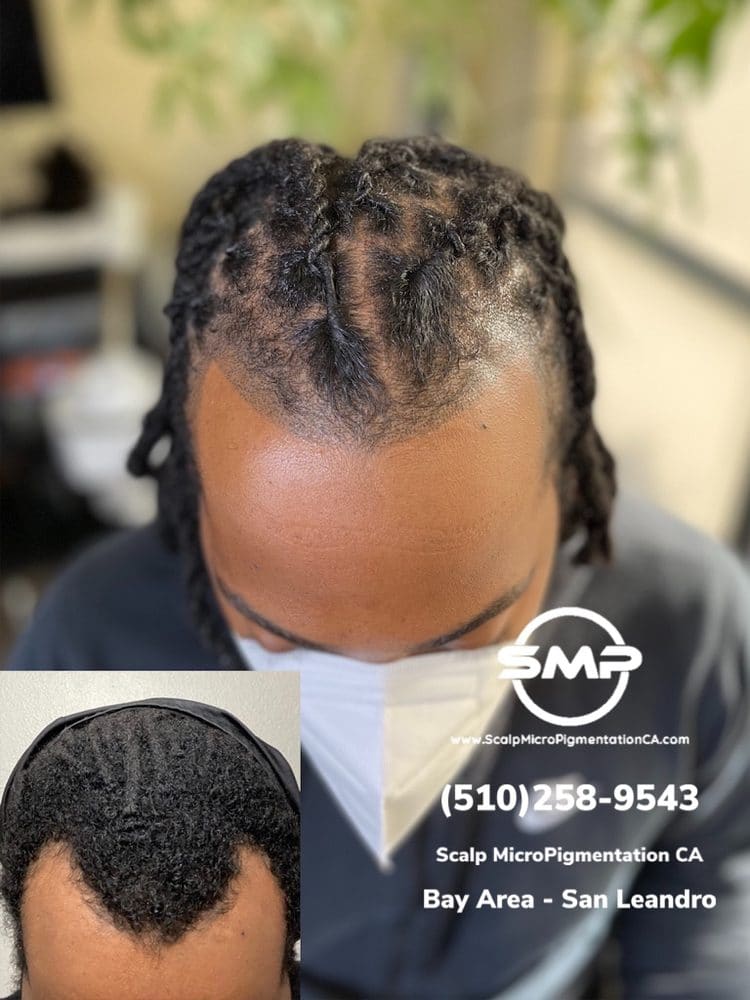
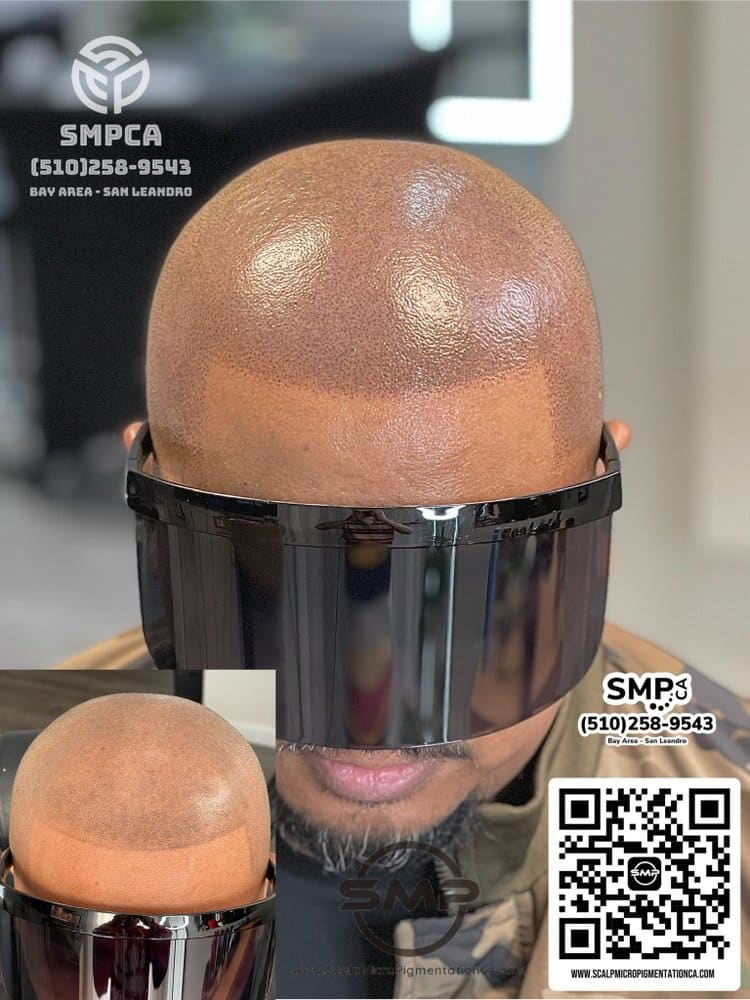
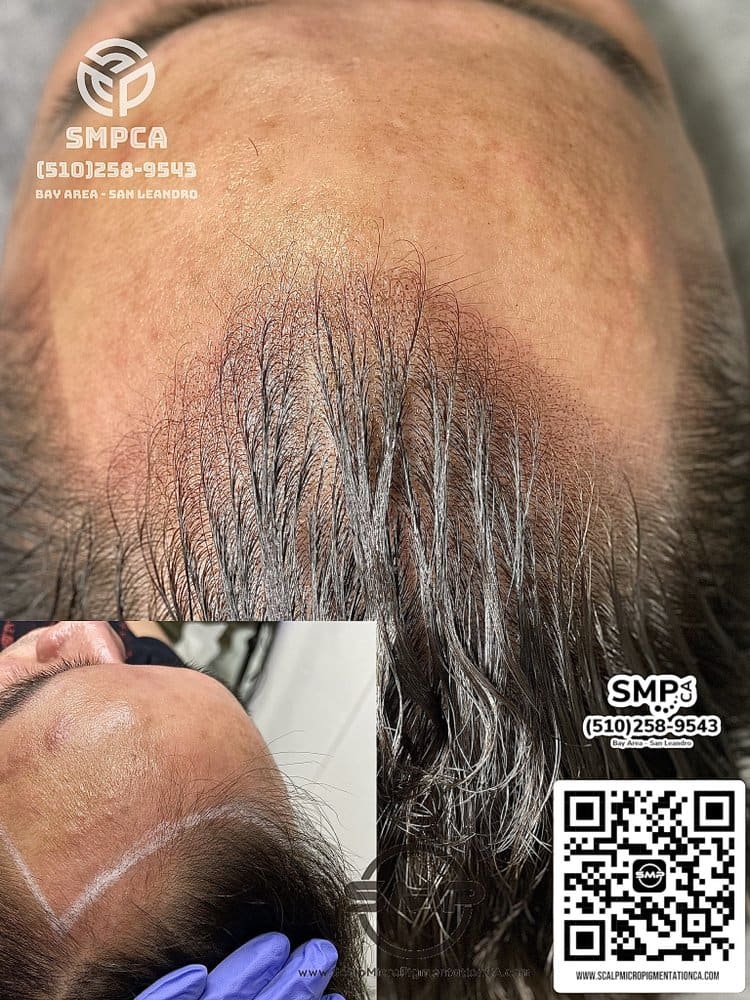
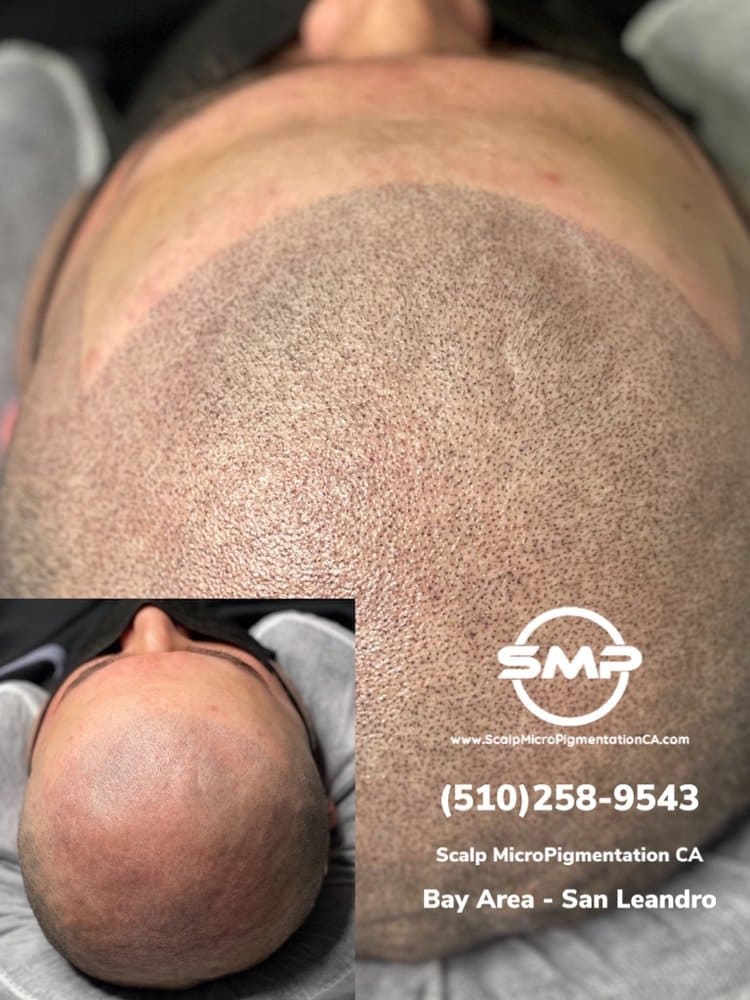
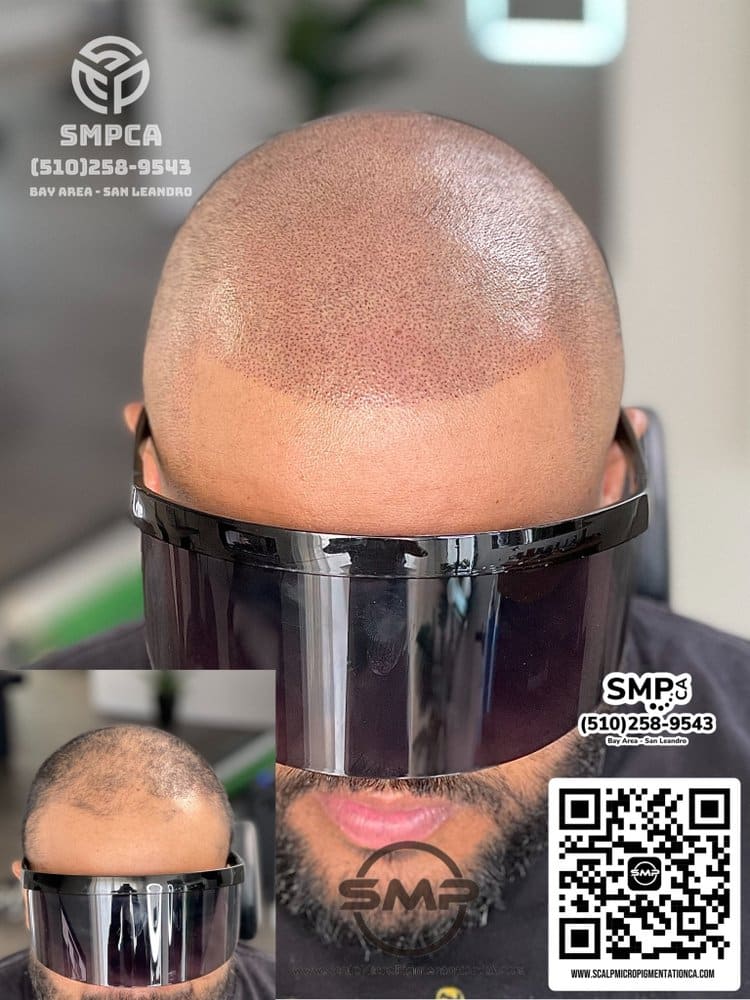
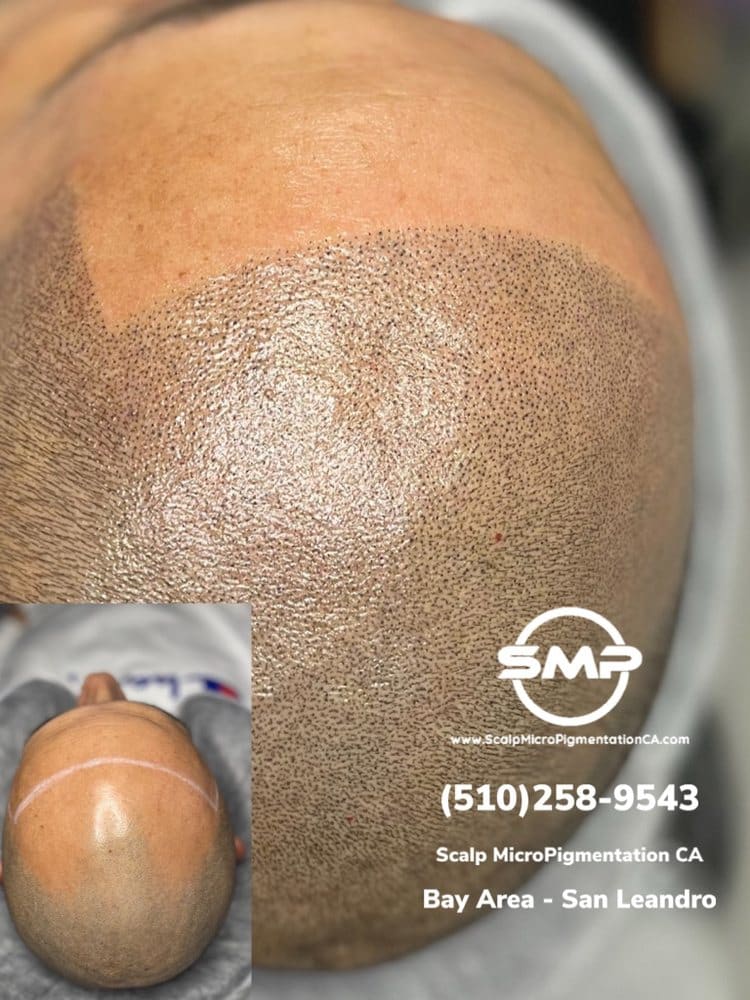
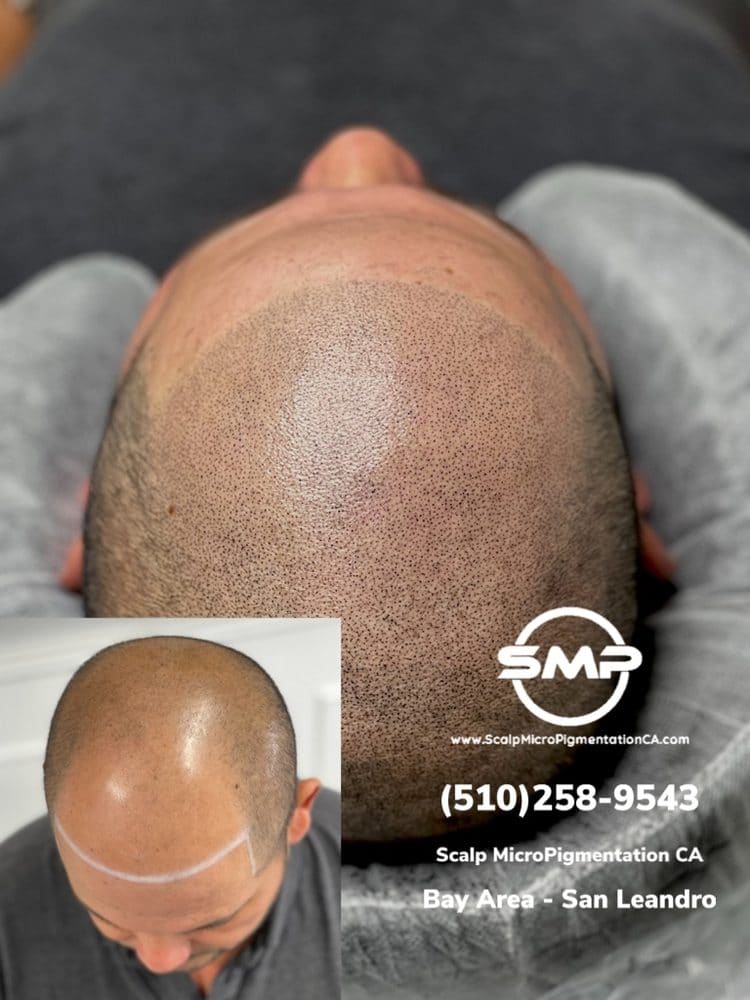
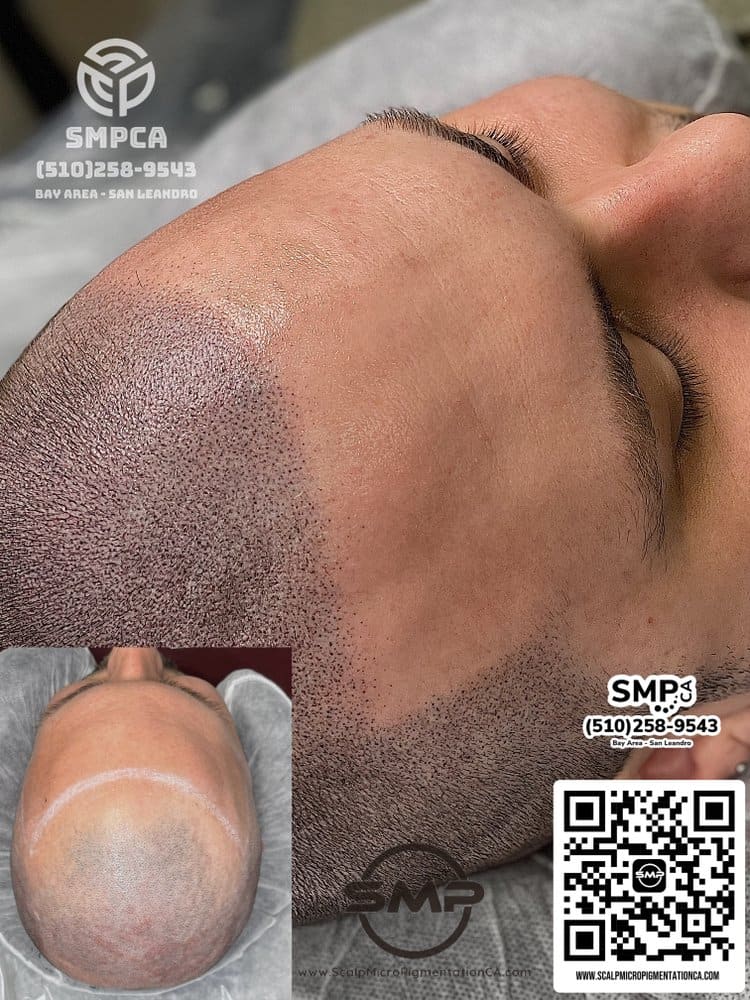
Thousands of sessions · hundreds of clients · one artist
Get your hairline — and your confidence — back.
Free, no-pressure quote. Tell me your situation and I'll show you exactly what's possible before you commit to anything.