
Does It Look Real?
Does SMP Look Real?
The honest answer for anyone worried about looking obvious — what actually makes scalp micropigmentation read as natural, the warning signs of fake-looking work, and real Bay Area healed results so you can judge for yourself.
The short answer
If you’re afraid SMP will look fake, painted-on, or obvious, that fear is fair — bad work exists. But done well, scalp micropigmentation is designed to be indistinguishable from a closely shaved head of real hair at conversational distance. It is a cosmetic tattoo procedure that uses thousands of tiny pigment impressions to replicate the appearance of natural shaved hair follicles — so it reads as a clean buzz cut, not a full head of length. Whether it looks real comes down almost entirely to one thing: the skill of the artist. Below is exactly what separates natural-looking SMP from the obvious kind.
What makes SMP look real
Realistic SMP isn’t luck — it’s a set of deliberate technical choices. These are the details that make it read as your own stubble.
Tiny, crisp follicle impressions
Each dot mimics a single shaved hair follicle — small, defined, and varied, exactly like real stubble catches light on a buzzed head.
Natural, irregular spacing
Real hair doesn't grow in a perfect grid. Good SMP scatters impressions with the same organic randomness, so nothing reads as a pattern.
Visible scalp between impressions
You should still see skin peeking through — that gap is what makes it look like short hair rather than a filled-in block of ink.
A soft, broken hairline
A believable hairline is slightly irregular and feathered at the front, never a hard ruled edge. Small stray-looking dots ahead of the main line sell the realism.
Correct pigment selection
The shade is matched to your skin tone and existing hair so it heals as a soft charcoal-gray, not a flat black or a cool blue cast.
Seamless blending
Where you still have hair, the pigment fills the gaps between strands so the treated and untreated areas read as one continuous density.
Density built gradually
Depth is layered across sessions instead of forced in one pass, which is how the result heals looking dimensional and real rather than saturated.
Real vs. fake-looking SMP, at a glance
Use this to audit any artist’s portfolio before you book. The left column is what a natural result looks like; the right is the warning signs of unnatural work.
Looks real
- Tiny, crisp follicle impressions
- Natural, irregular spacing
- Visible scalp between impressions
- A soft, broken hairline
- Correct pigment selection
- Seamless blending
- Density built gradually
Warning signs
- Solid, dark fill
- Oversaturated pigment
- A straight, ruler-like hairline
- Dots that are too large
- Blue or discolored pigment
- Poor blending
- Abrupt density changes
Warning signs of unnatural SMP
These are the giveaways of poorly done work — and the most common reasons someone ends up needing a correction.
Solid, dark fill
A continuous block of ink with no scalp showing through reads as a flat tattoo, not individual follicles.
Oversaturated pigment
Dots pushed too deep or too dark bleed and lose their crisp edges over time, turning a shaved-hair look into a smudge.
A straight, ruler-like hairline
A perfectly geometric, hard front edge is the single most common giveaway of unnatural SMP — real hairlines are soft and slightly uneven.
Dots that are too large
Impressions bigger than a real follicle look like freckles or a dotted pattern up close instead of stubble.
Blue or discolored pigment
The wrong ink or placement that's too deep can heal blue, green, or ashy — a hallmark of work that used improper pigment.
Poor blending
A visible seam where treated skin meets existing hair, or a halo around thinning areas, breaks the illusion of one continuous density.
Abrupt density changes
Sudden jumps from light to heavy coverage look like patches. Natural results transition gradually across the scalp.
If you’re already living with results like these, they can often be softened, re-blended, or lightened and redone. See how bad-SMP correction works →
Realistic expectations — what SMP is and isn’t
Honesty is part of a natural result. SMP replicates the appearance of a freshly shaved head — it does not regrow hair, create new follicles, or add length or texture you can run your fingers through. It looks most seamless when you keep the surrounding hair short, so the pigment and your real stubble sit at the same visual length.
It also isn’t instant-perfect on day one. Density is layered across sessions and settles as it heals, so the truest read of realism is a healed result — which is exactly why we show healed work, not just fresh photos. Learn what SMP is → and how long SMP lasts →
Why a natural result matters
- Confidence, not a costume — the goal is that people see you, not a treatment. Natural work simply reads as a sharp, well-kept buzz cut.
- A defined, believable hairline — a soft, age-appropriate front line can frame your face without ever looking drawn on. See hairline work →
- Low-maintenance — no daily product to fake density, no styling to hide thinning. It looks the same when you wake up.
- A worthwhile decision — when it looks real, it tends to feel worth it. Is SMP worth it? →
Who tends to get the most natural results
SMP looks natural for a wide range of people — receding or thinning hairlines, crown thinning, fuller male-pattern loss, adding density between existing hairs, and camouflaging transplant scars. It tends to be most seamless for those comfortable keeping their hair short, since that’s the look SMP recreates.
It may be less straightforward — and worth an honest in-person conversation — if you have certain active scalp conditions, particular scar tissue, or you’re hoping for literal hair regrowth or added length, which SMP does not provide. SMP isn’t right for everyone, and a good artist will tell you so. Am I a candidate for SMP? →
See real, healed SMP results
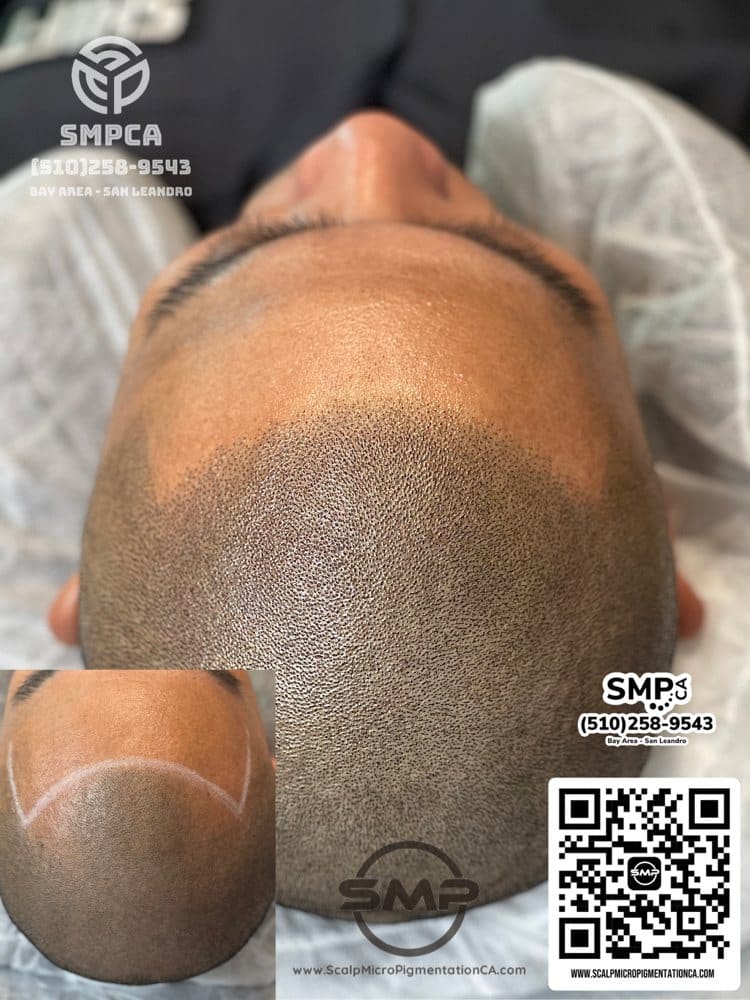
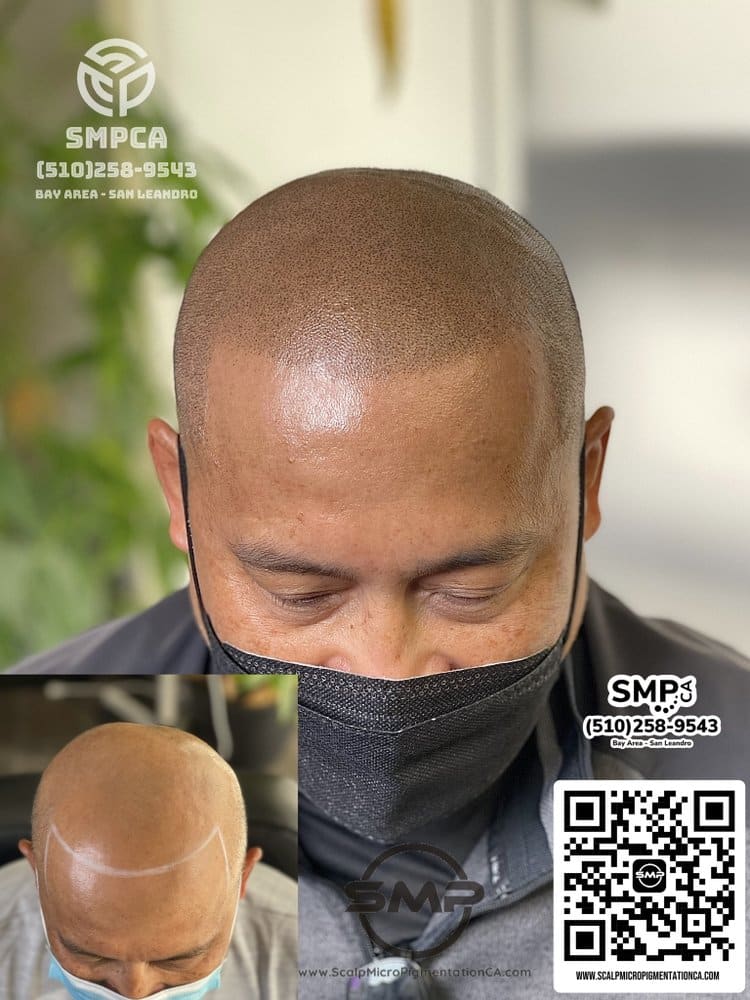
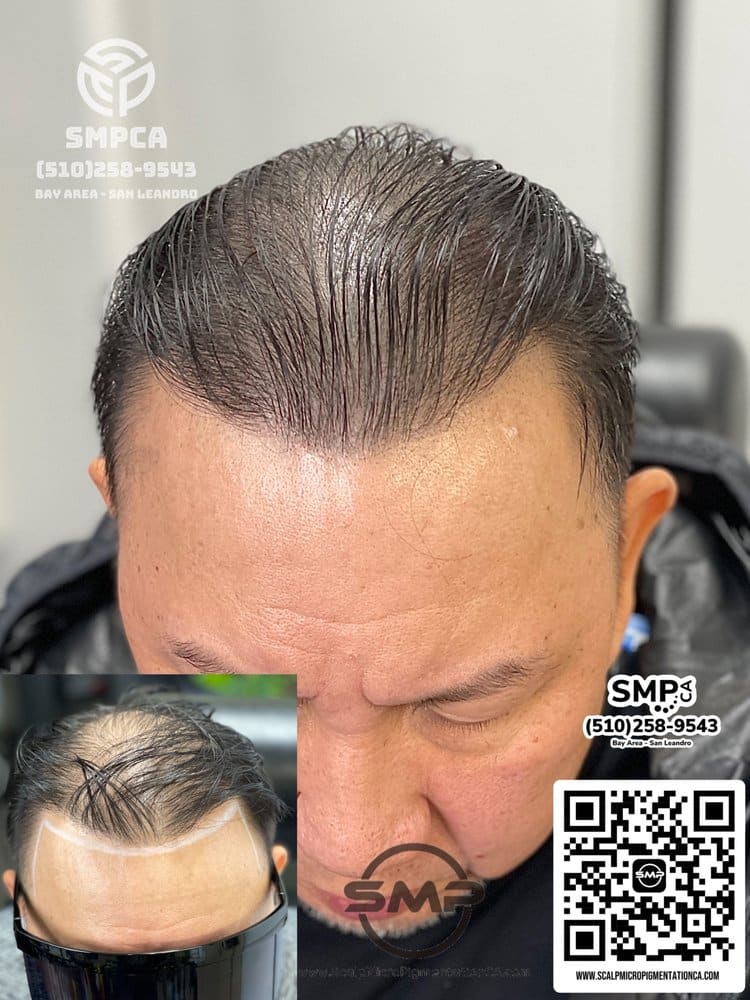
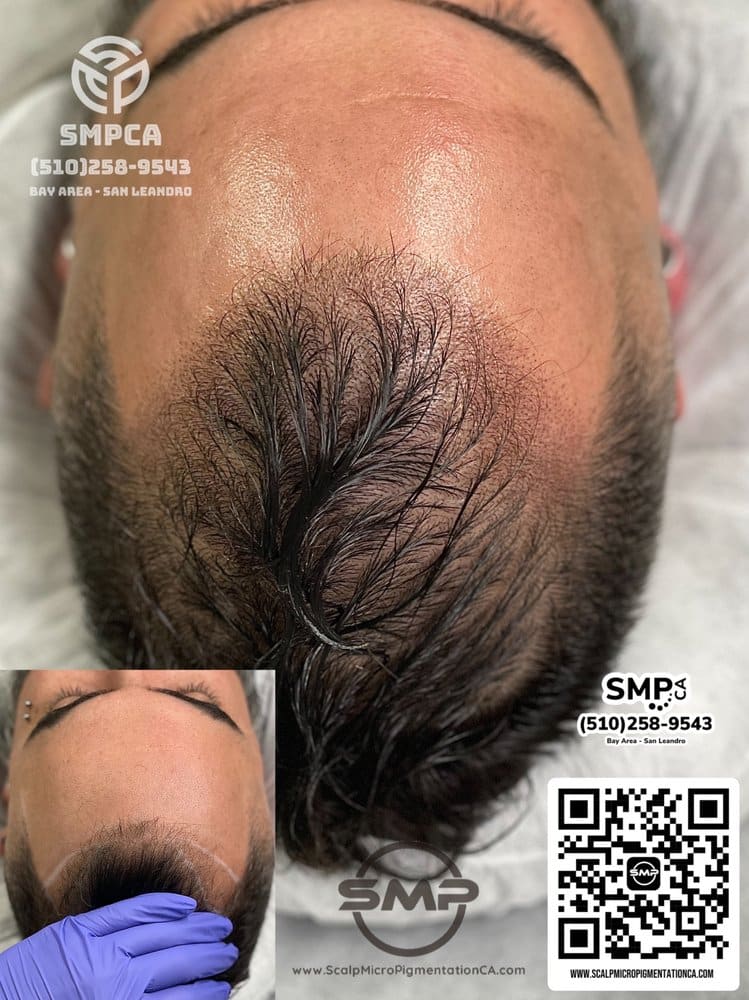
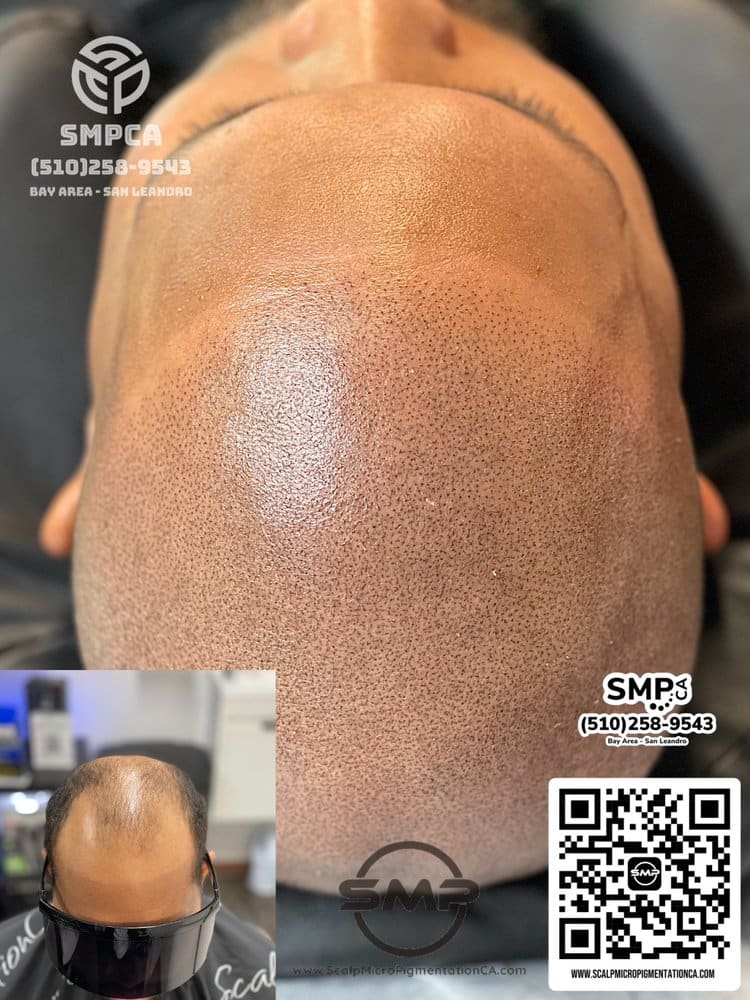
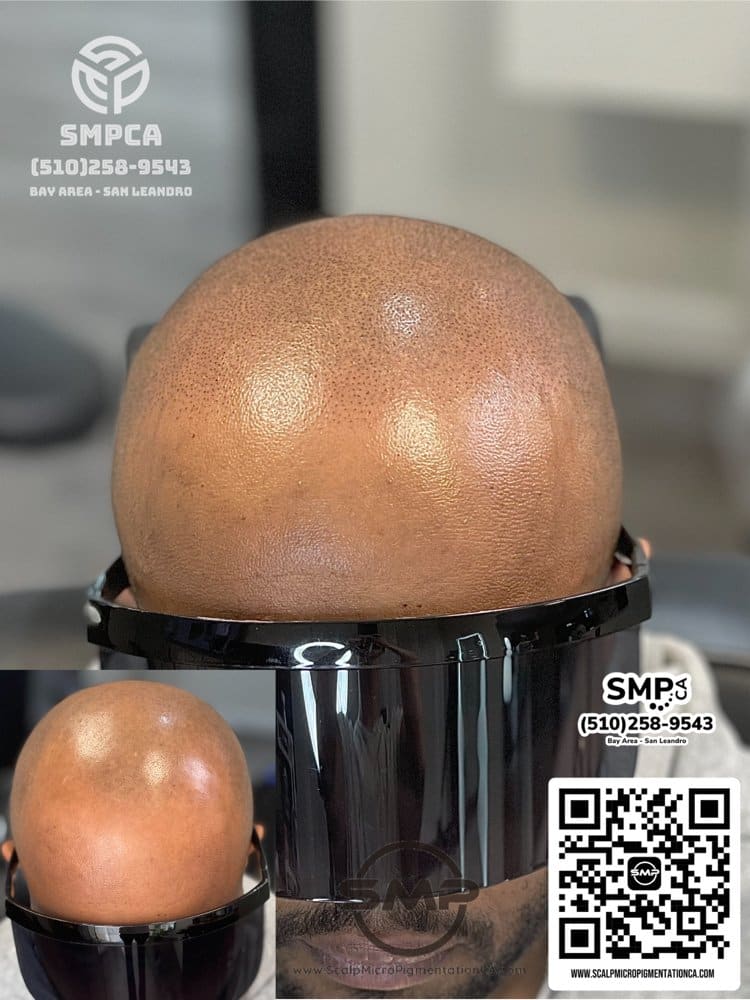
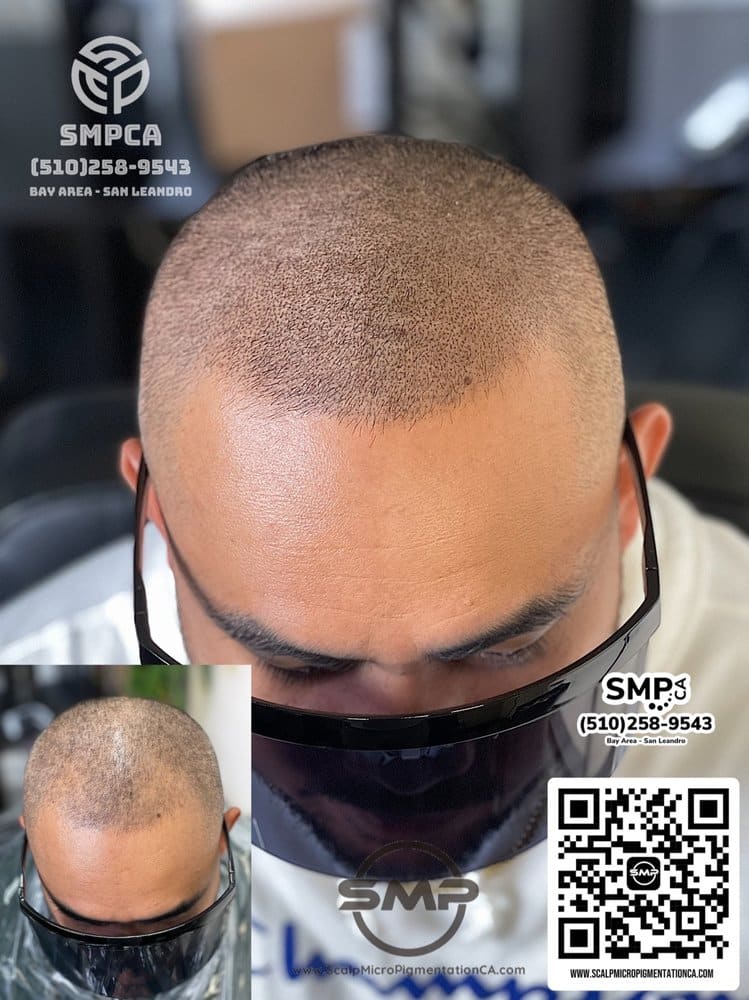
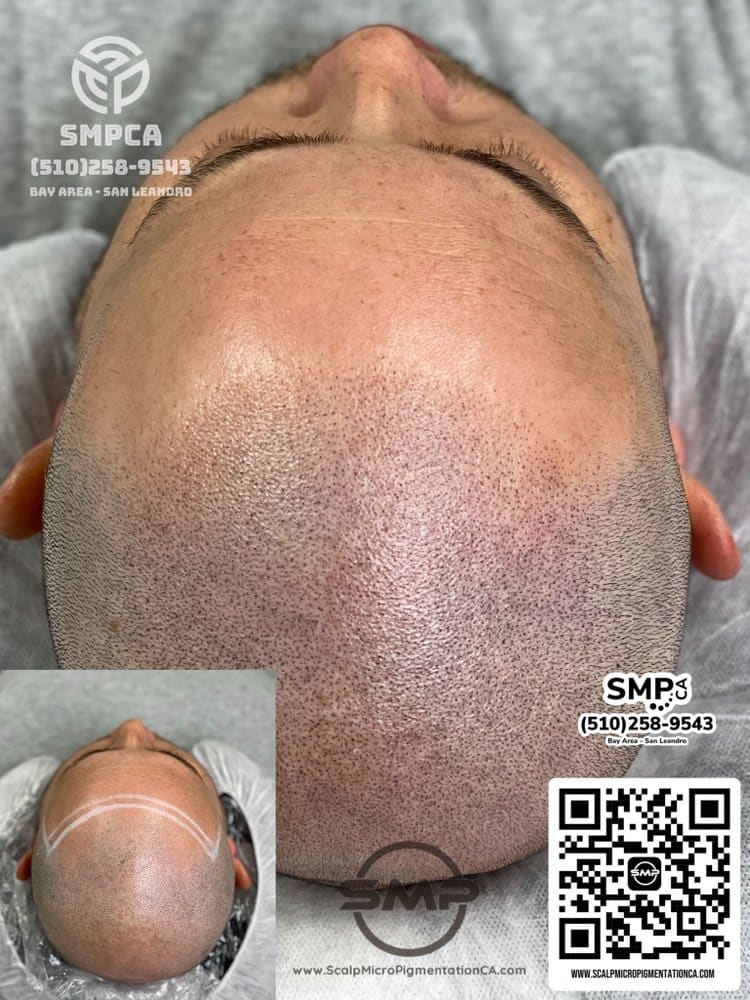
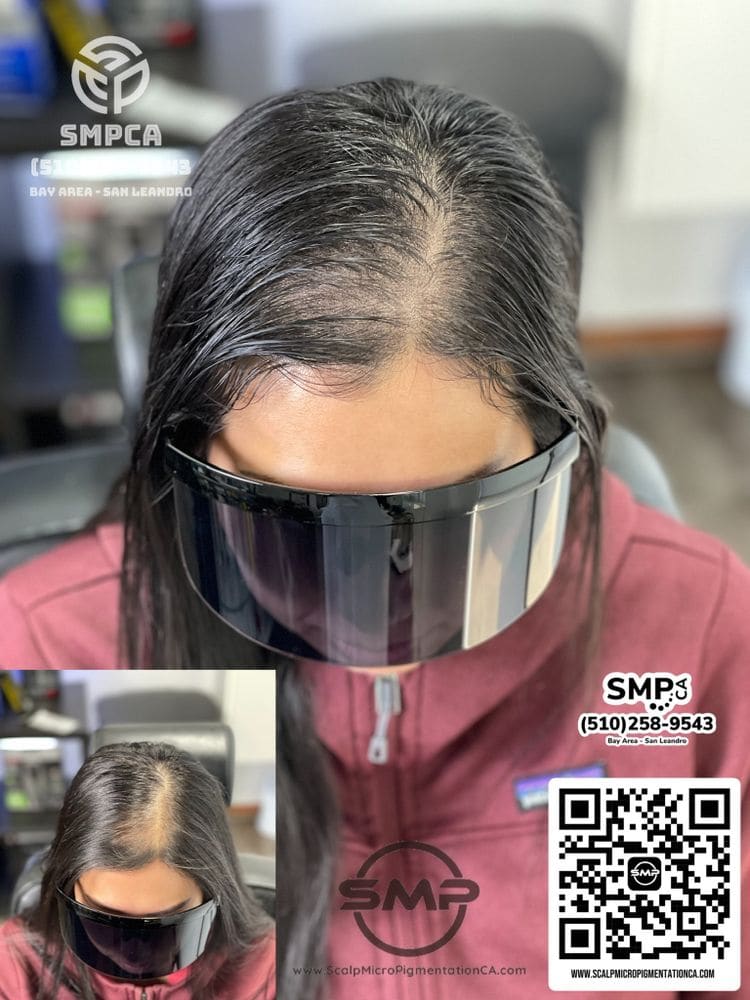
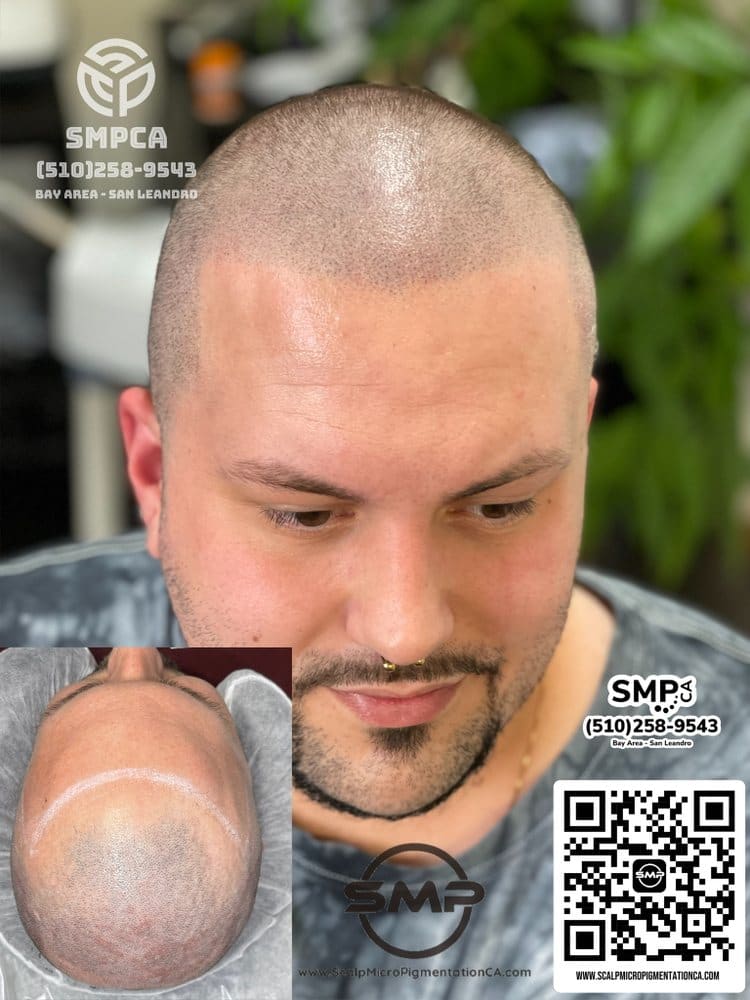
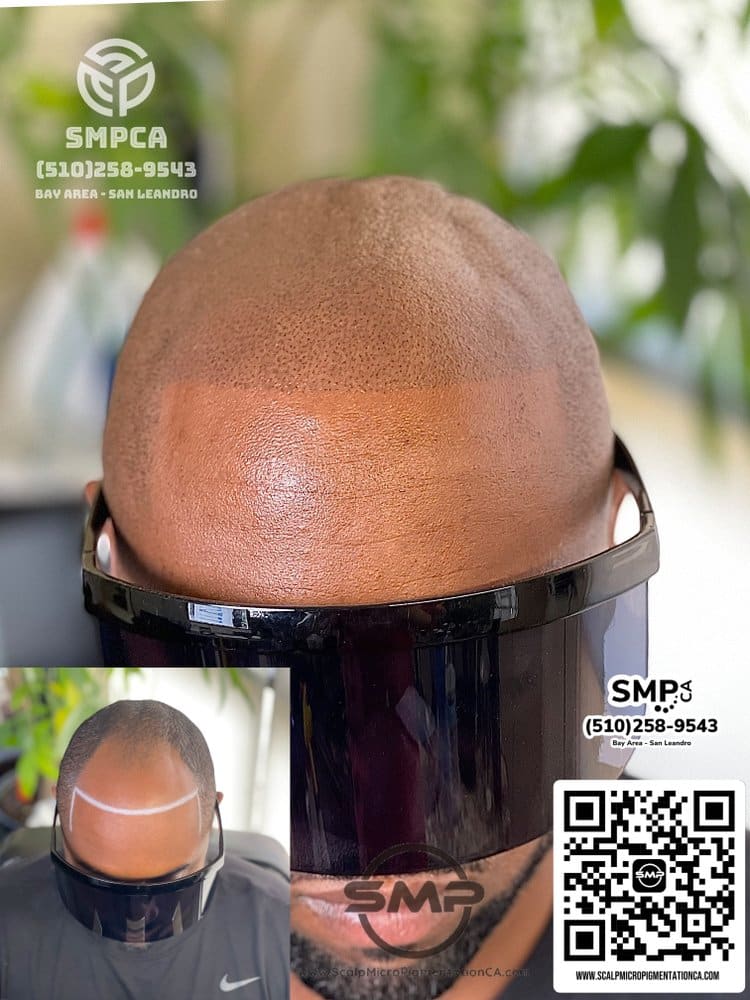
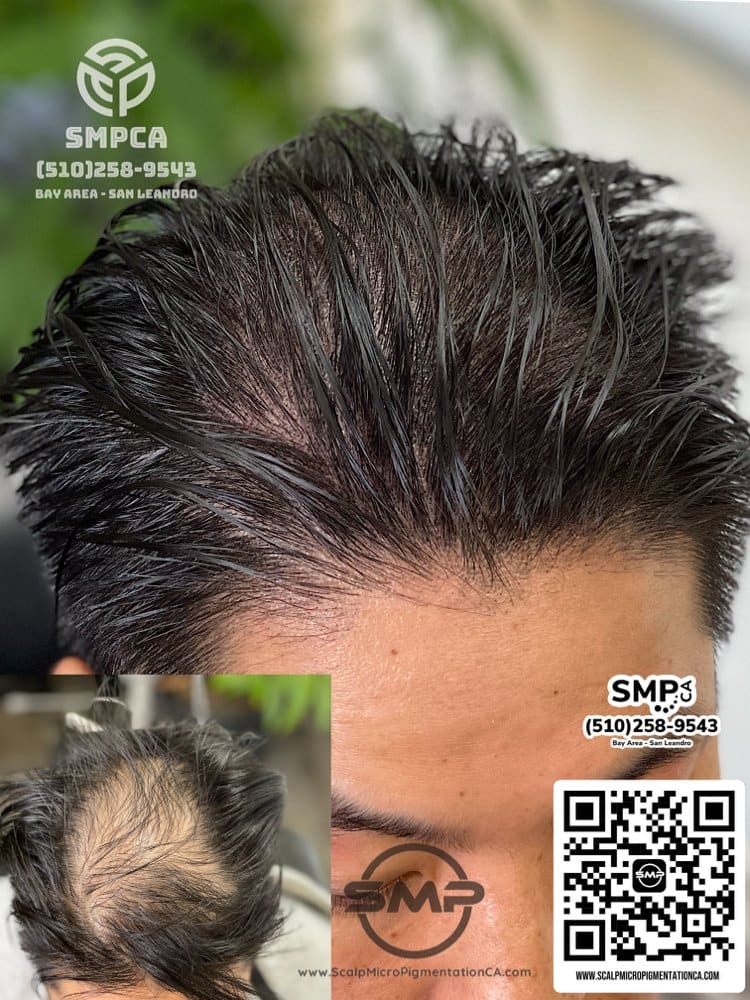
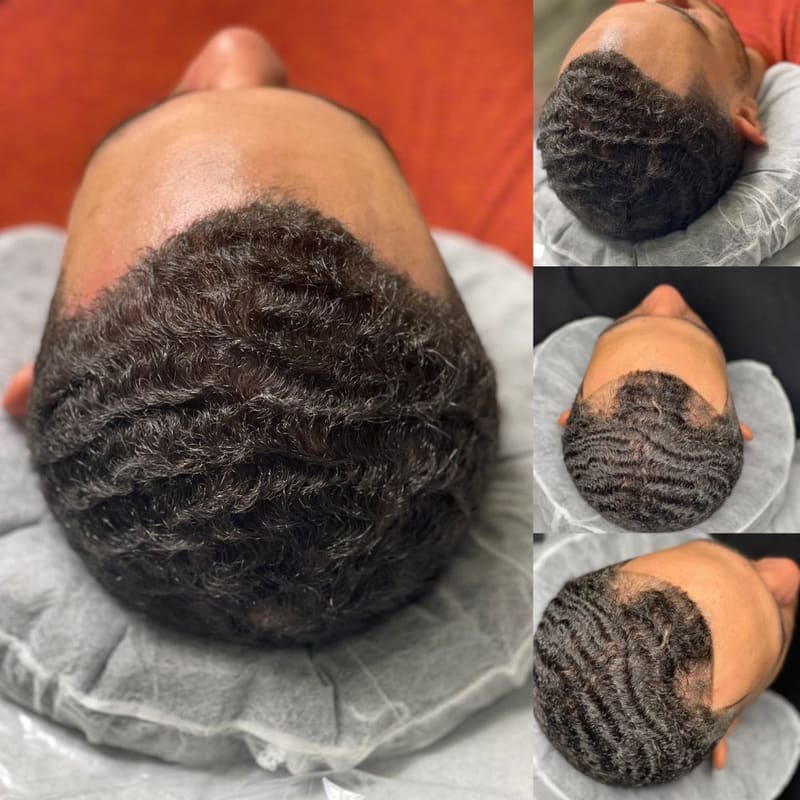
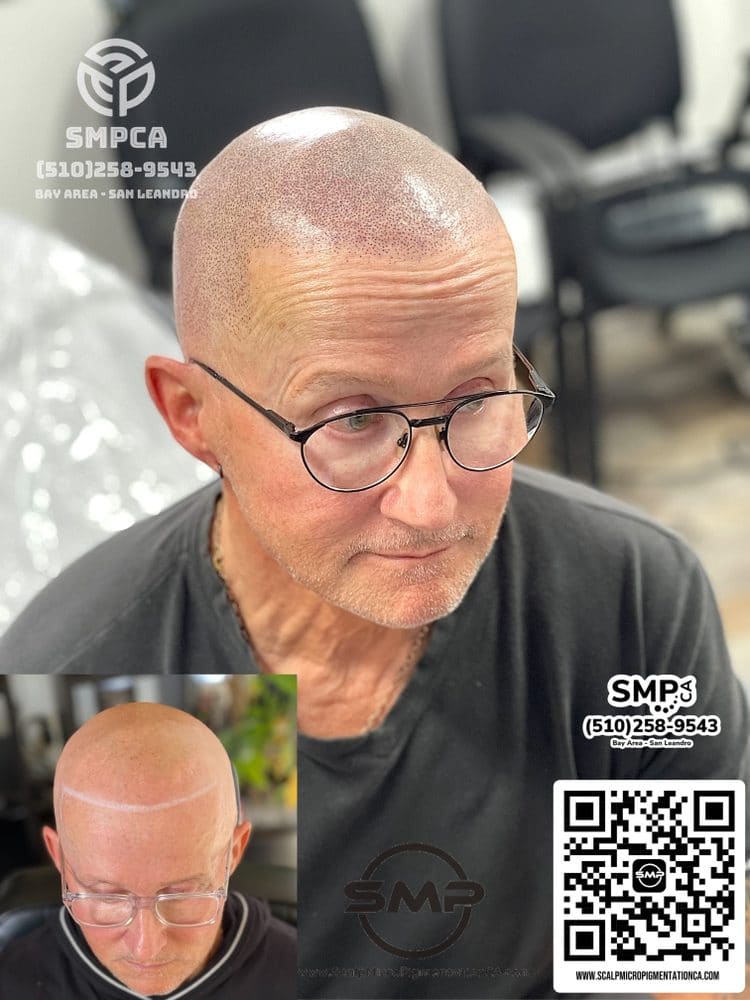
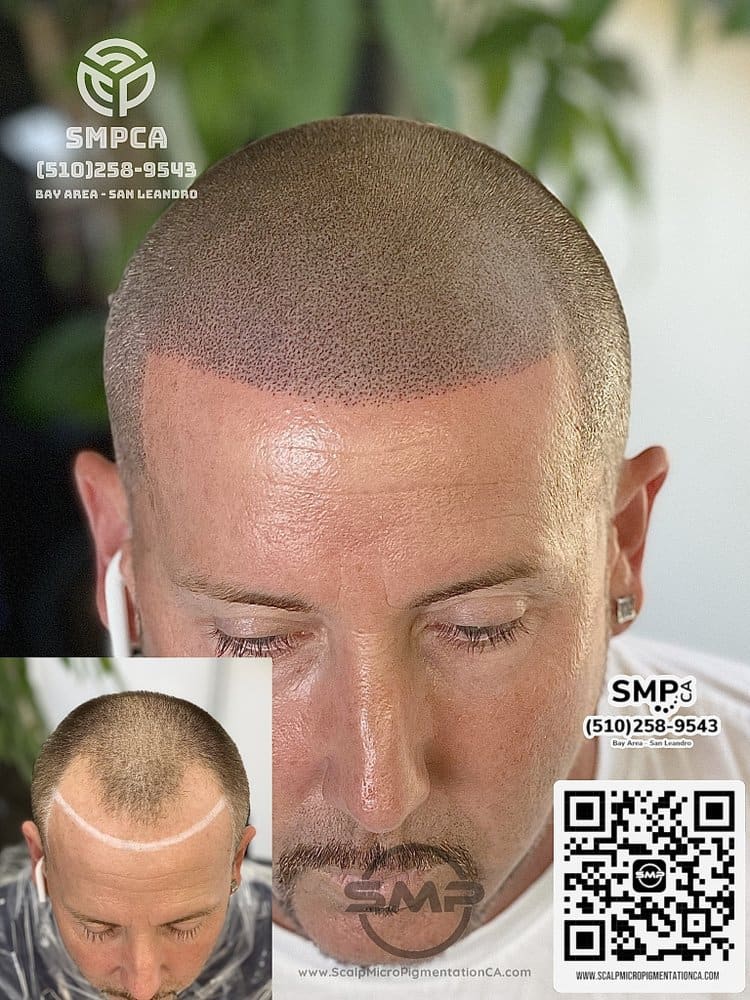
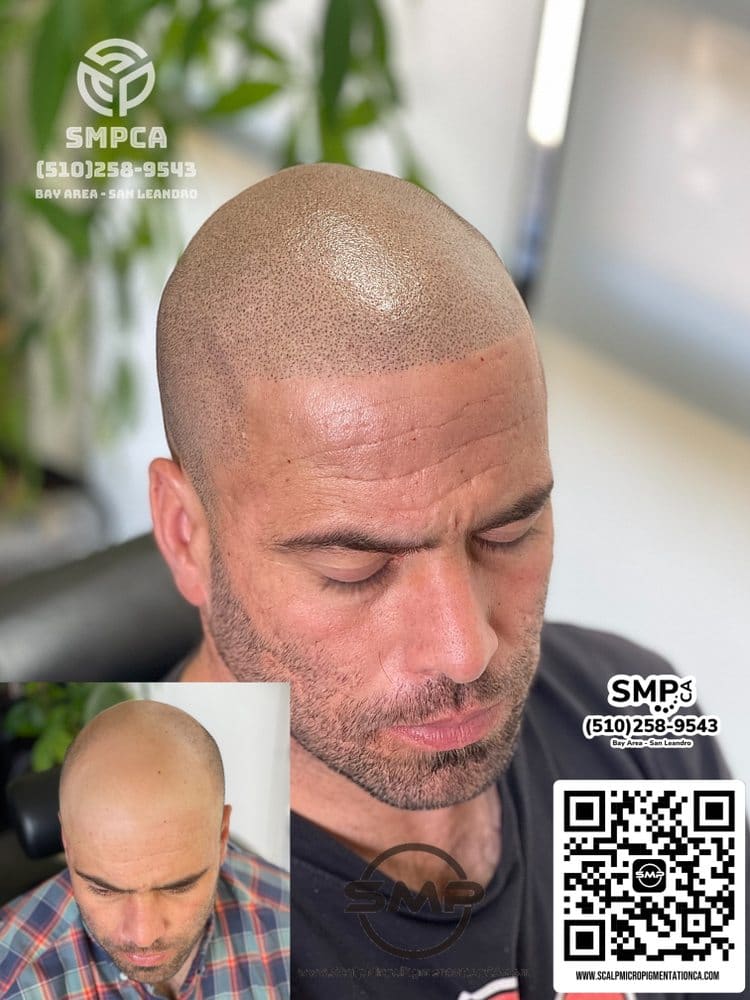
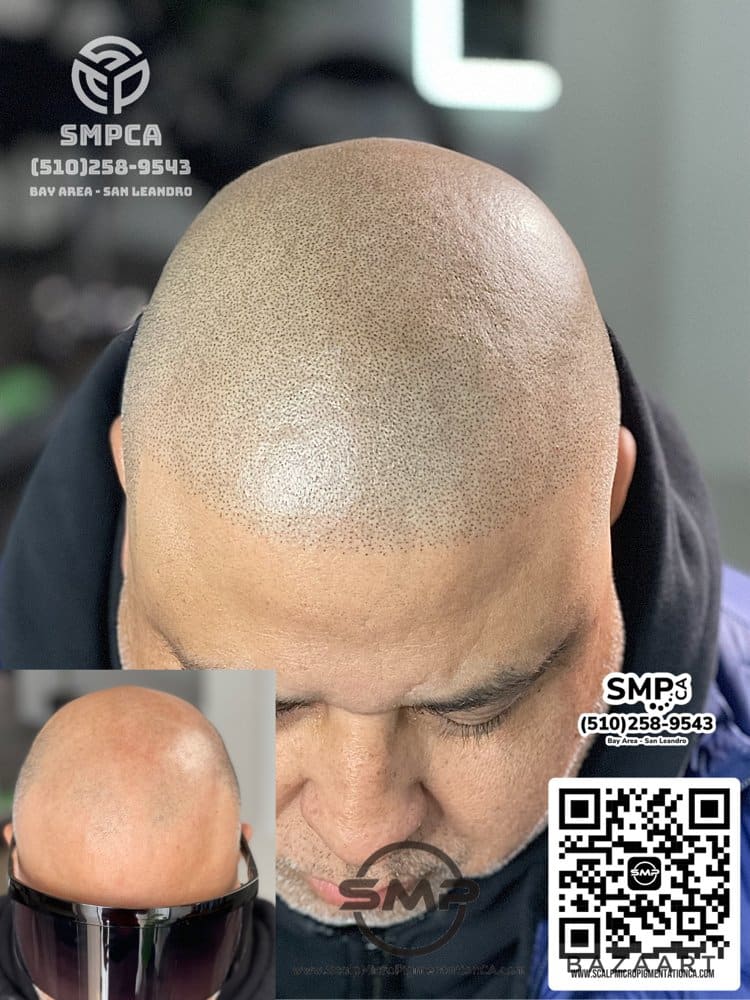
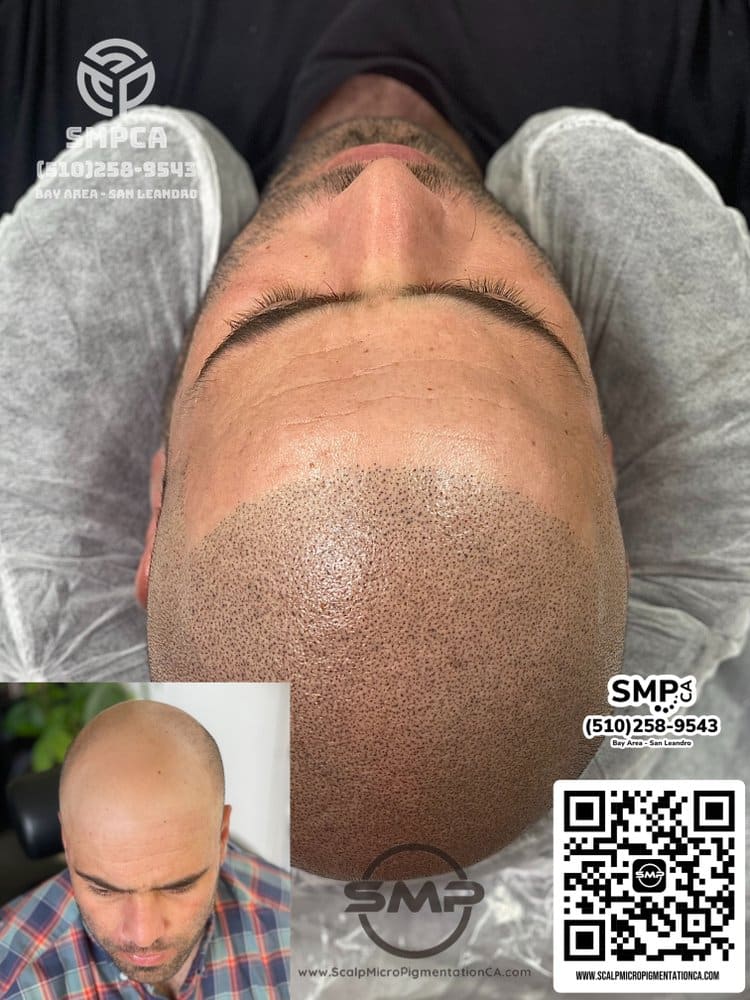
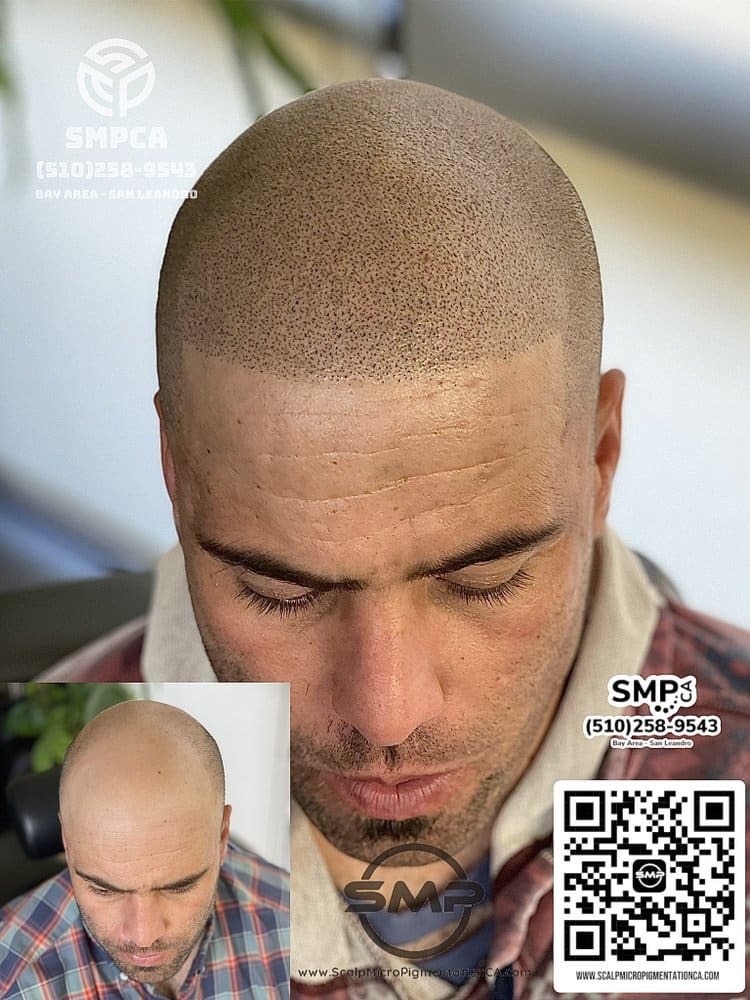
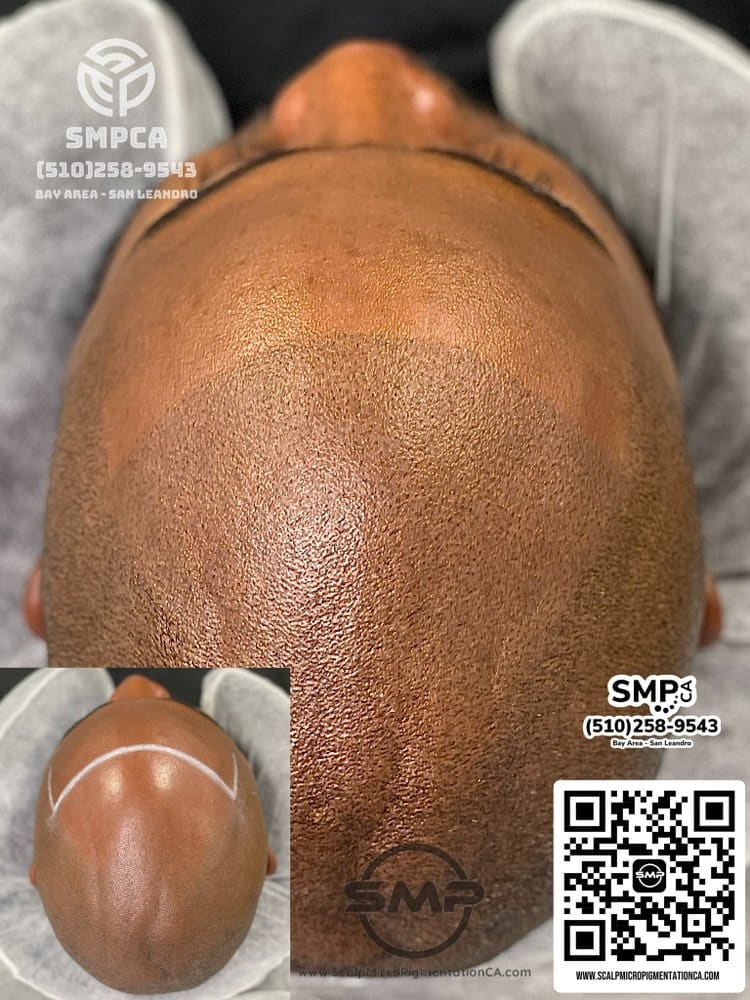
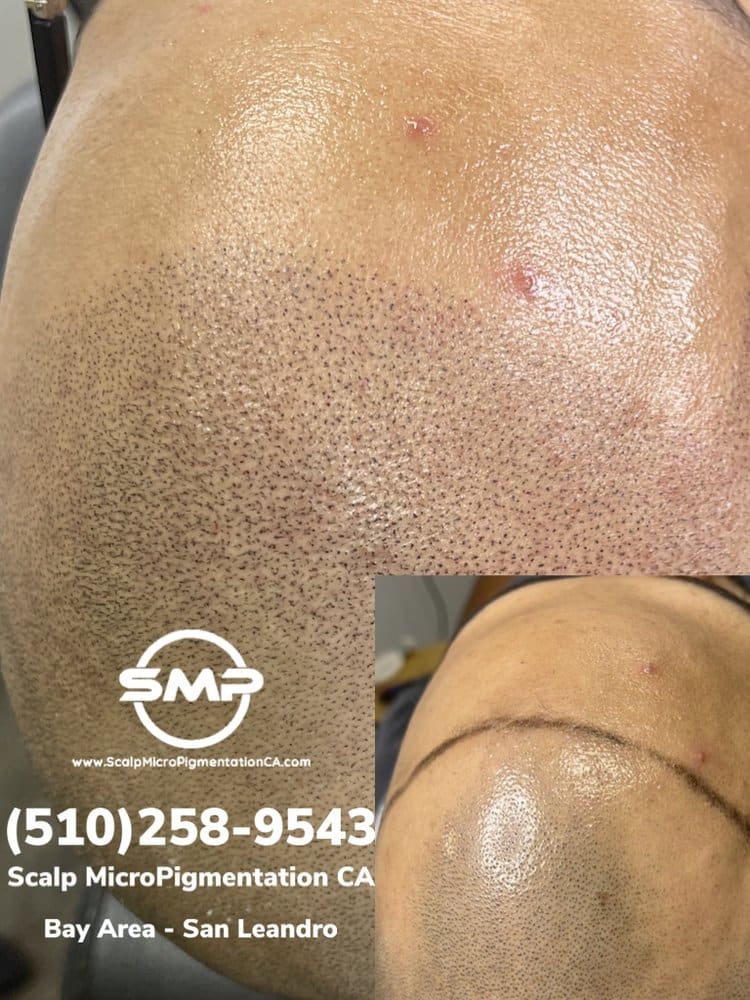
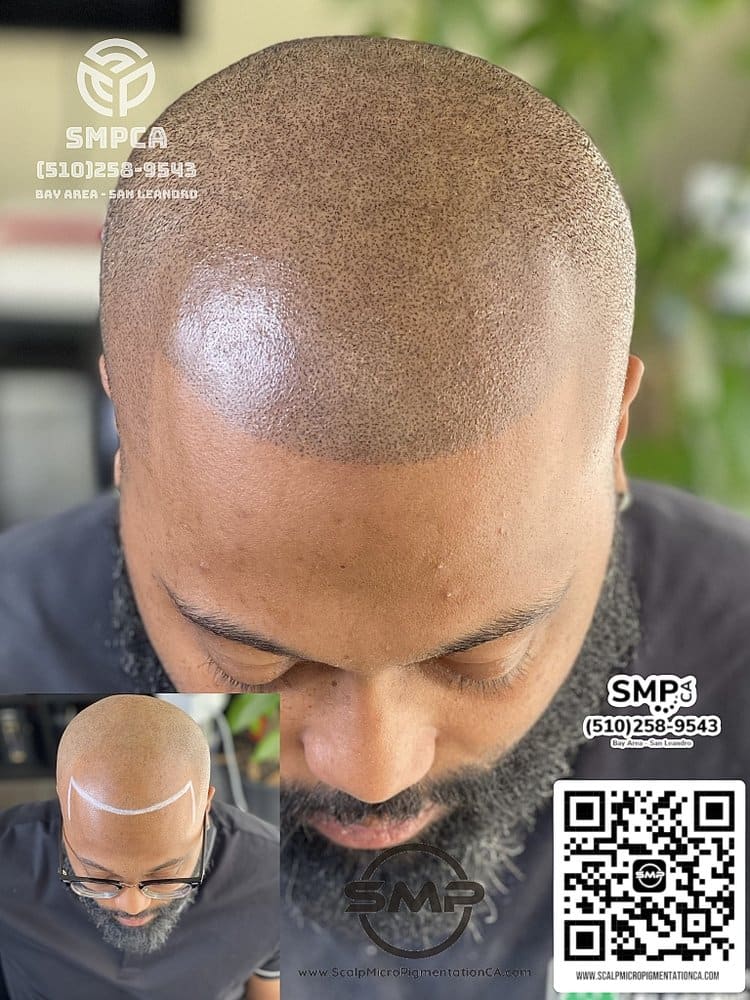
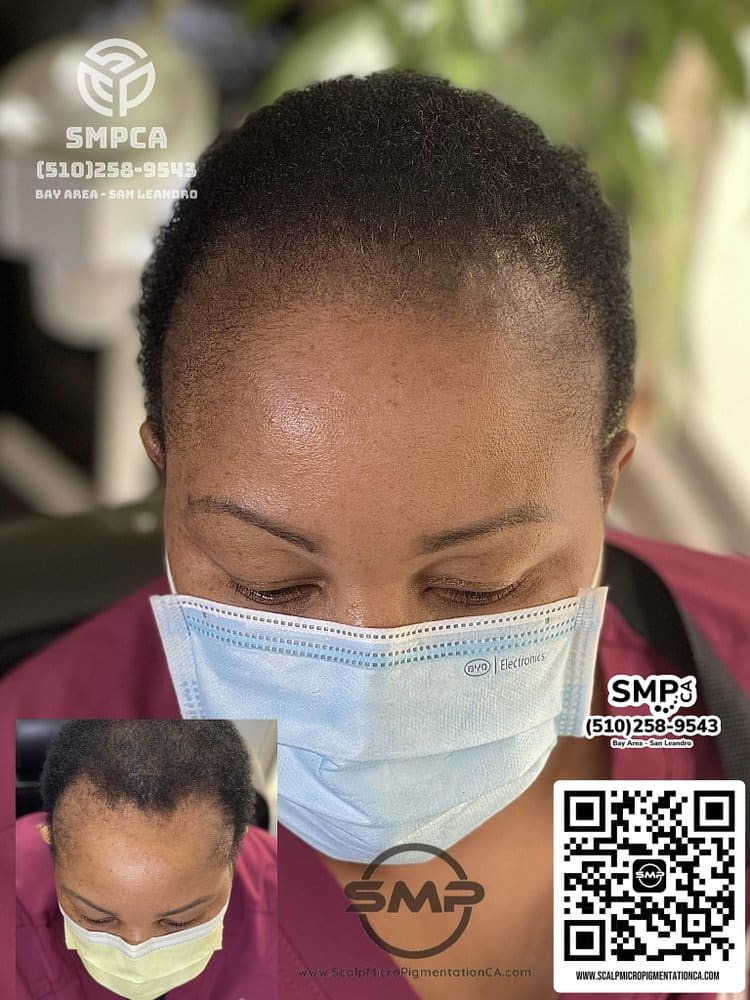
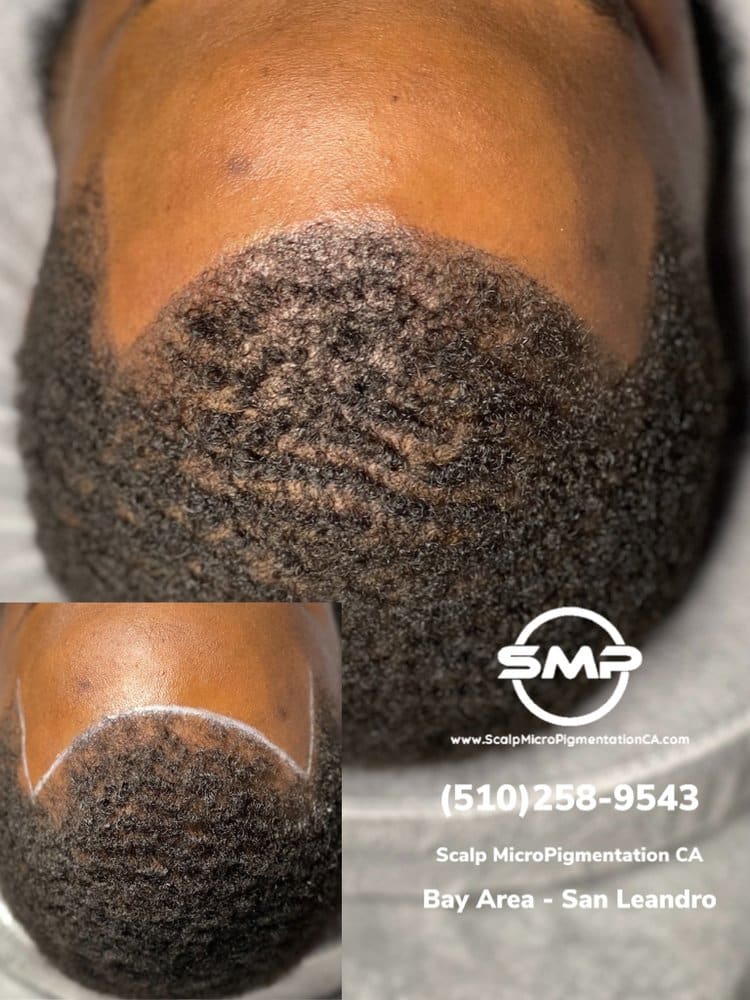
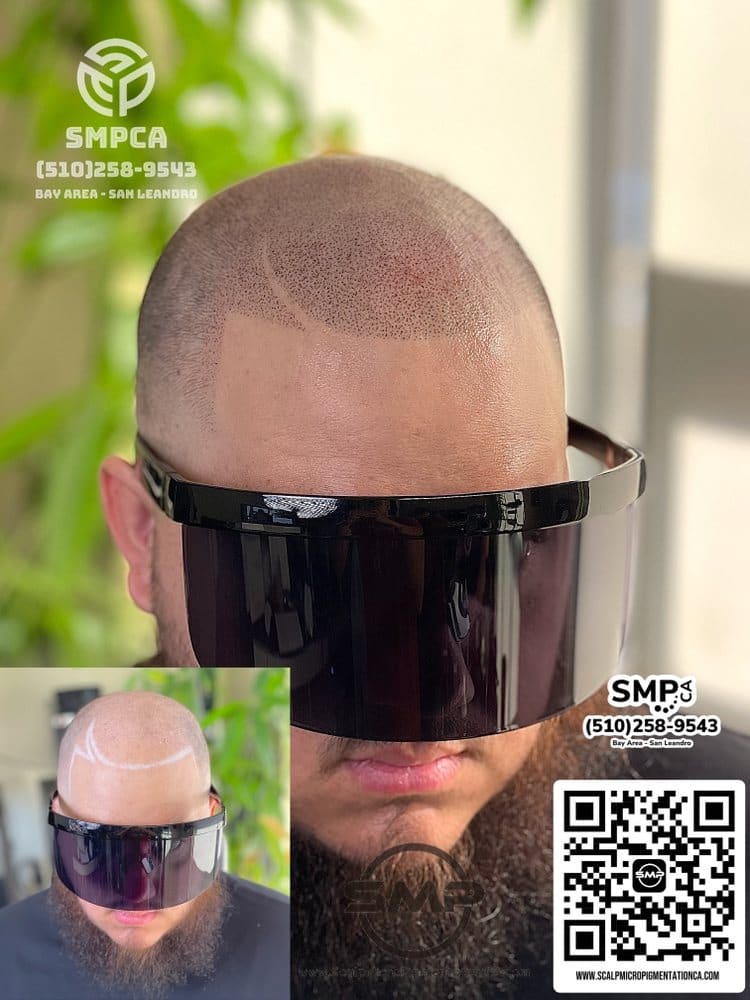
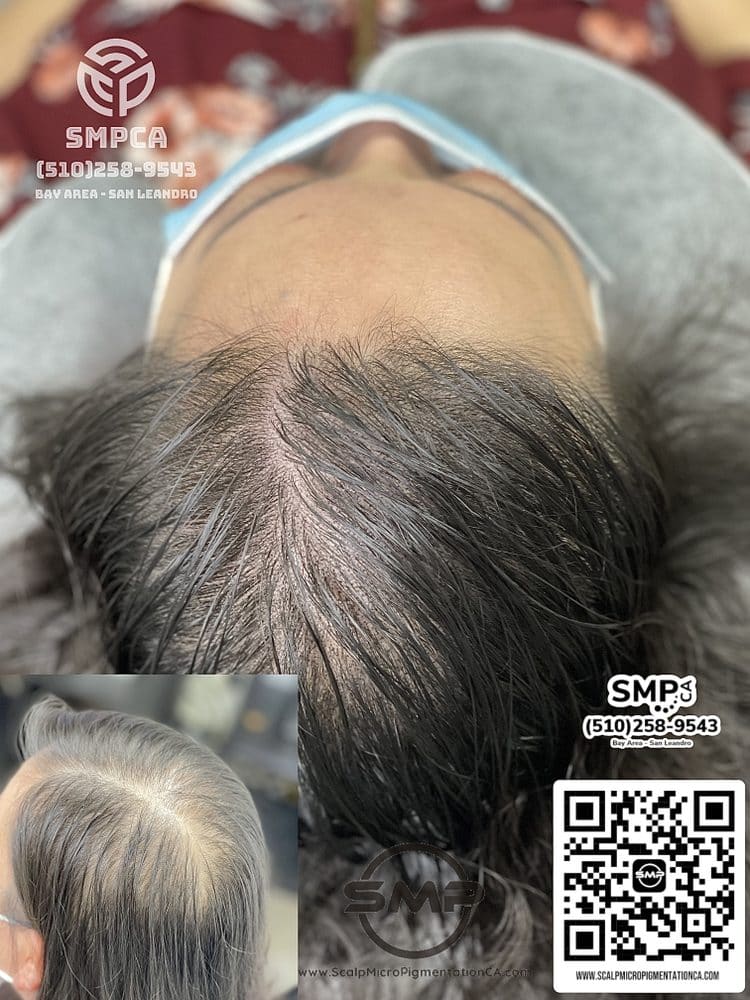
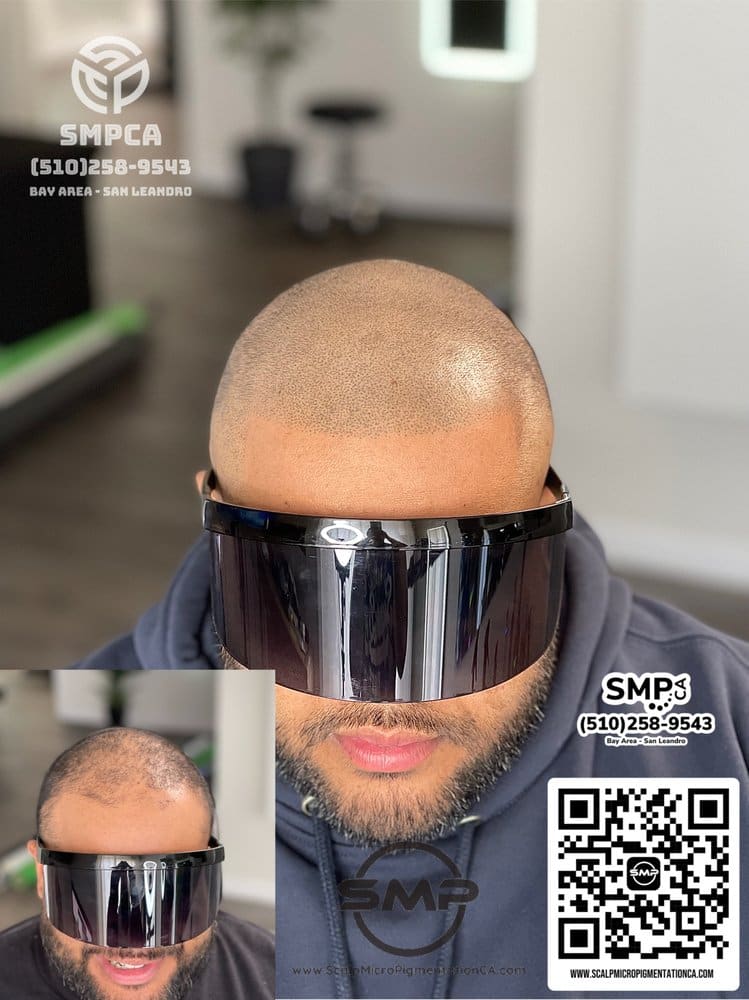
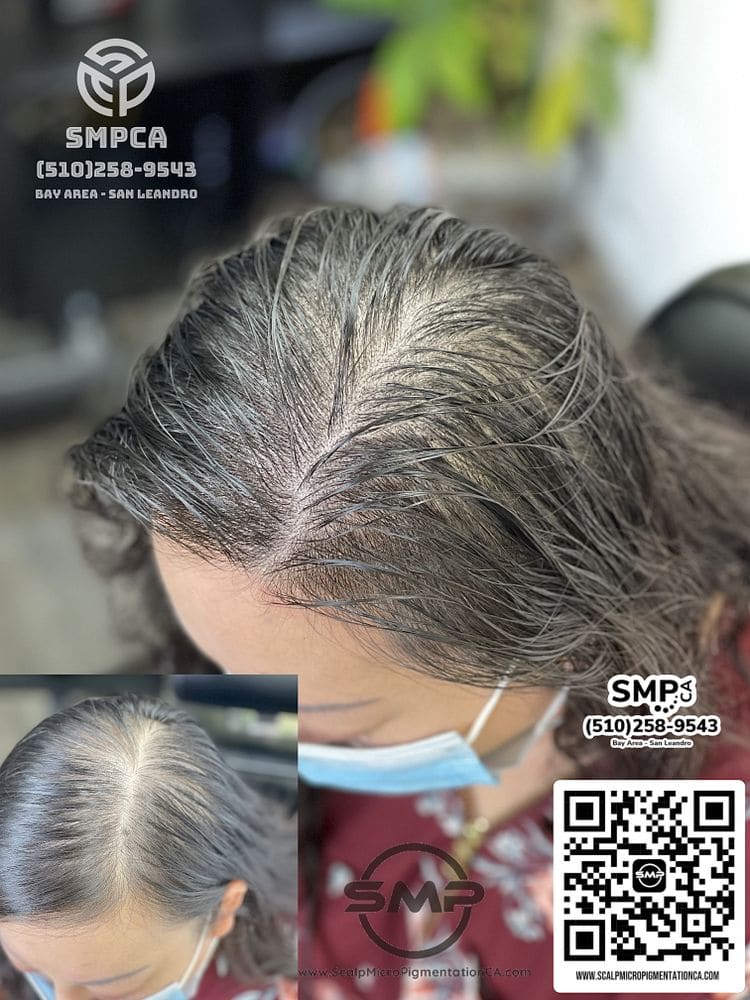
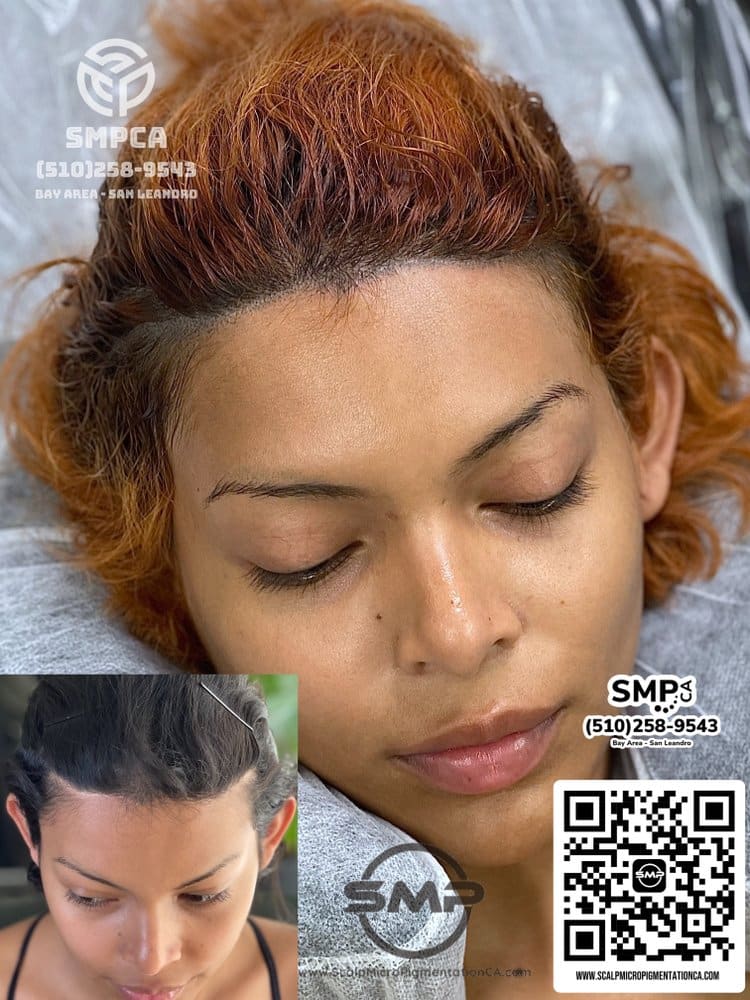
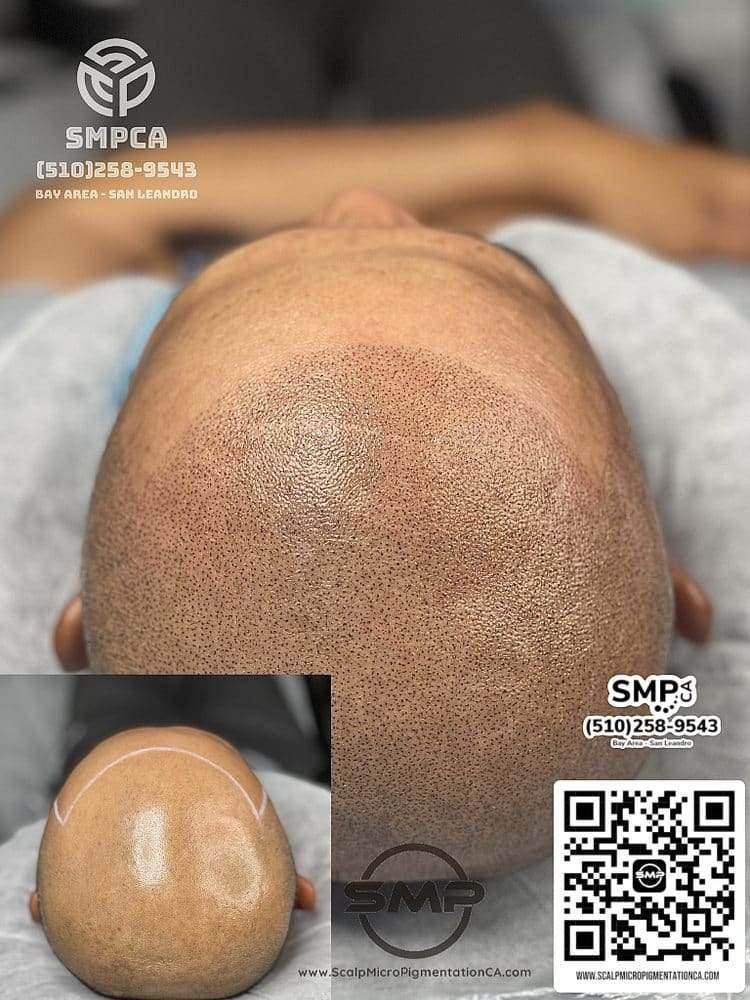
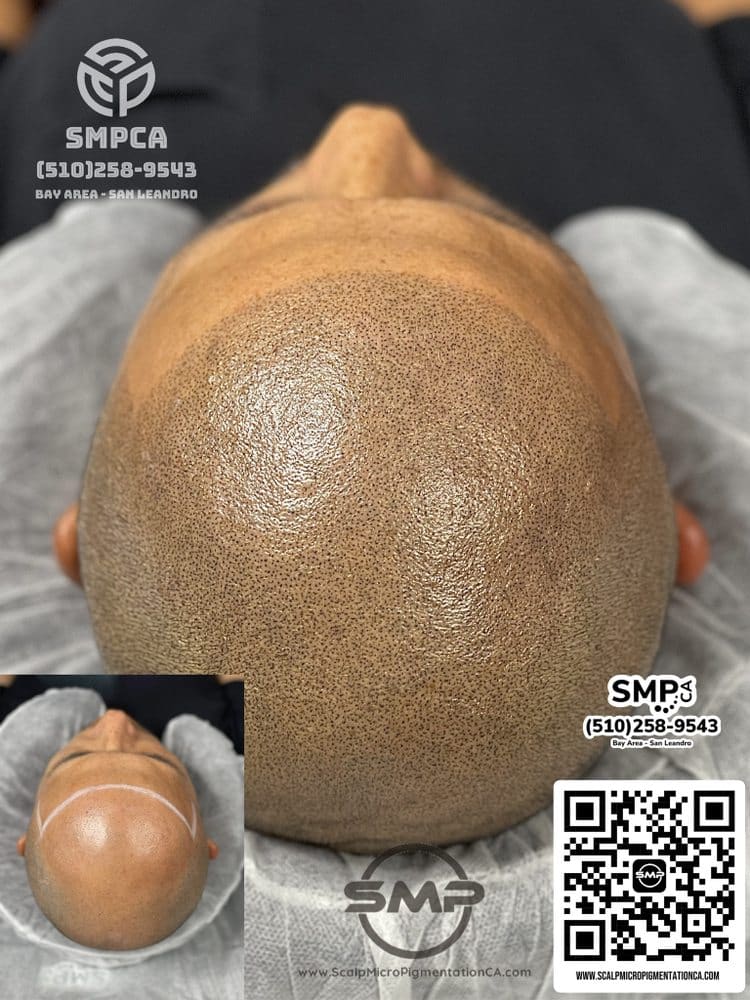
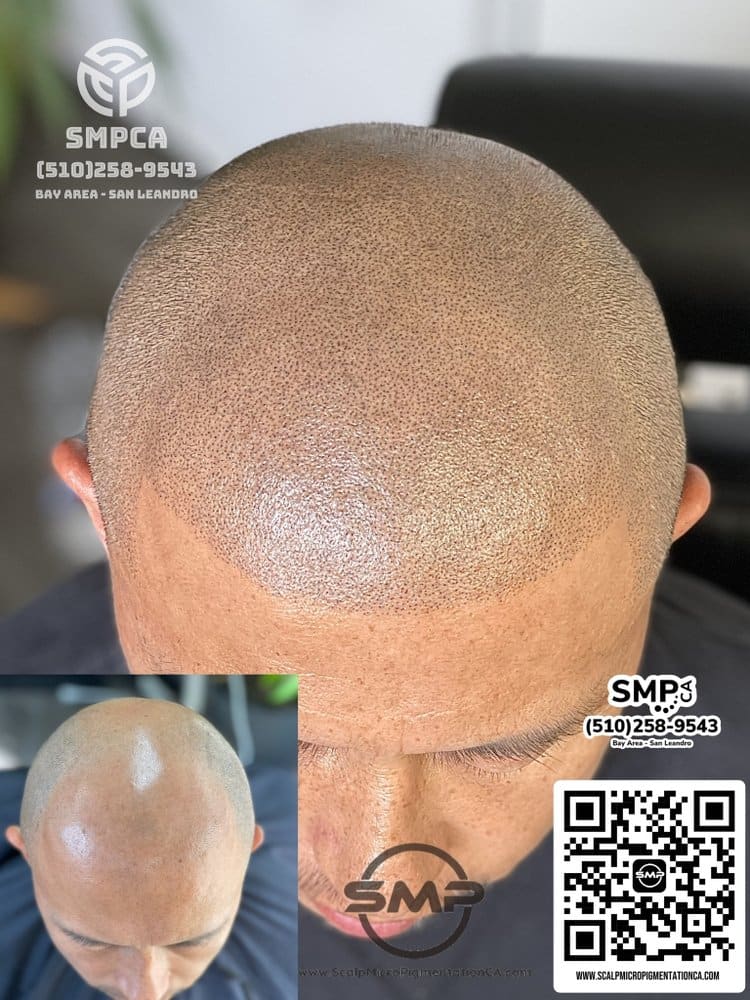
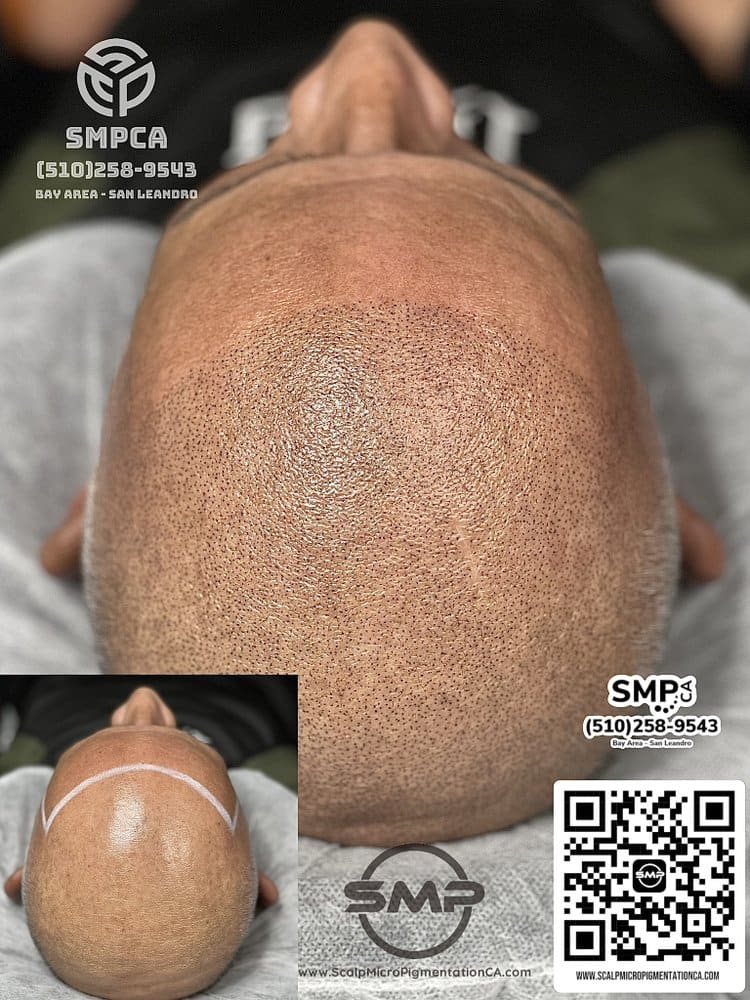
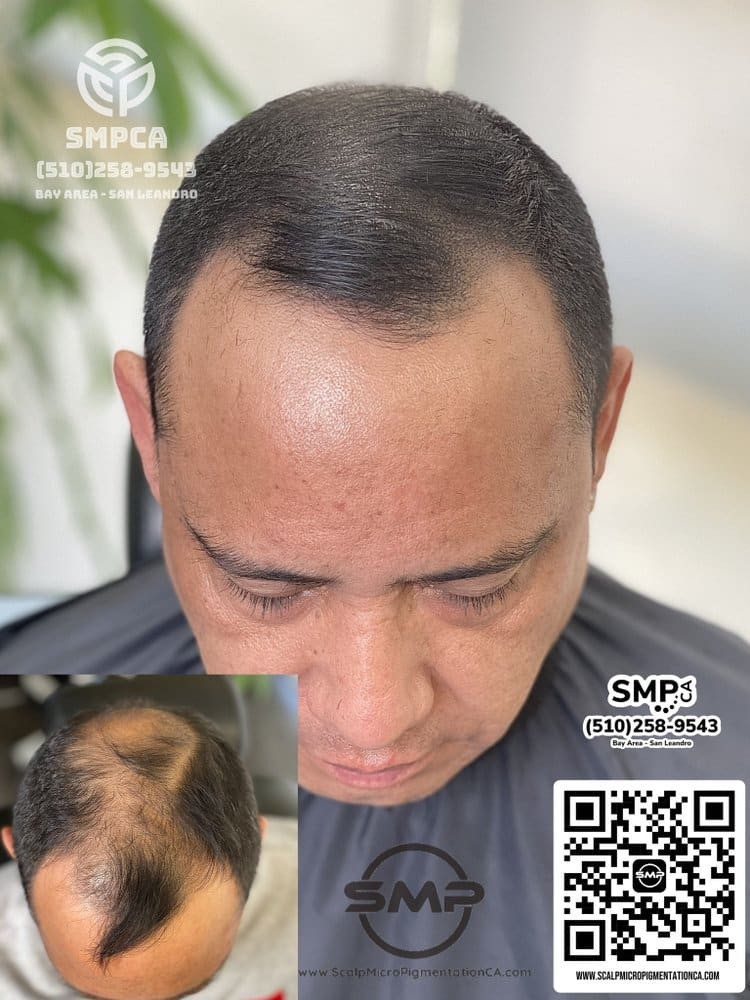
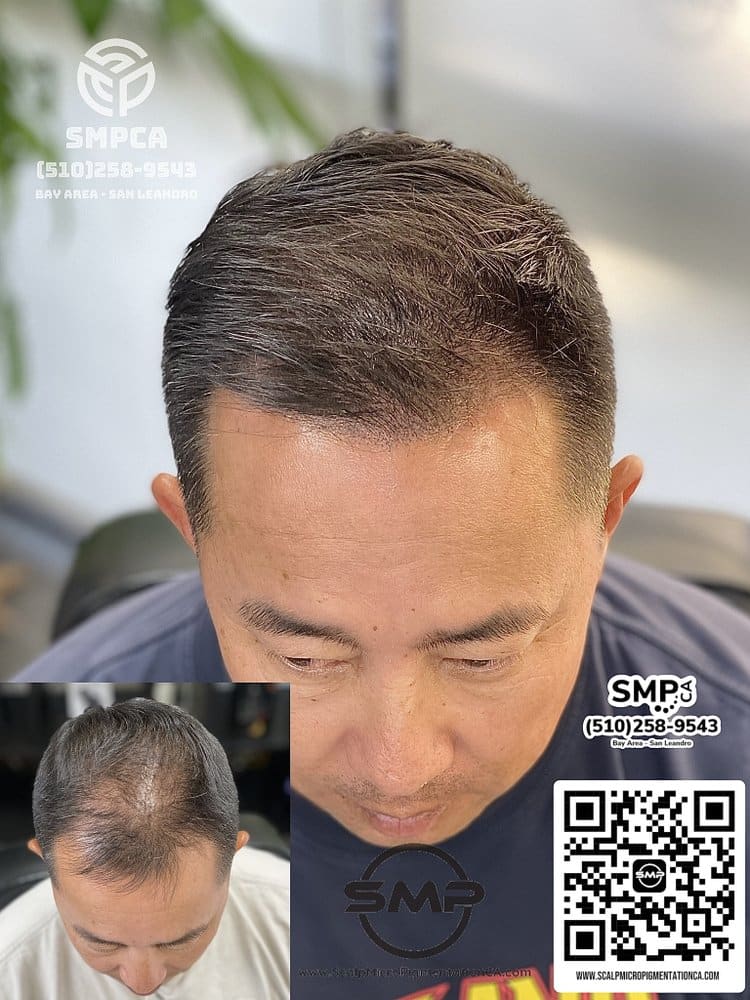
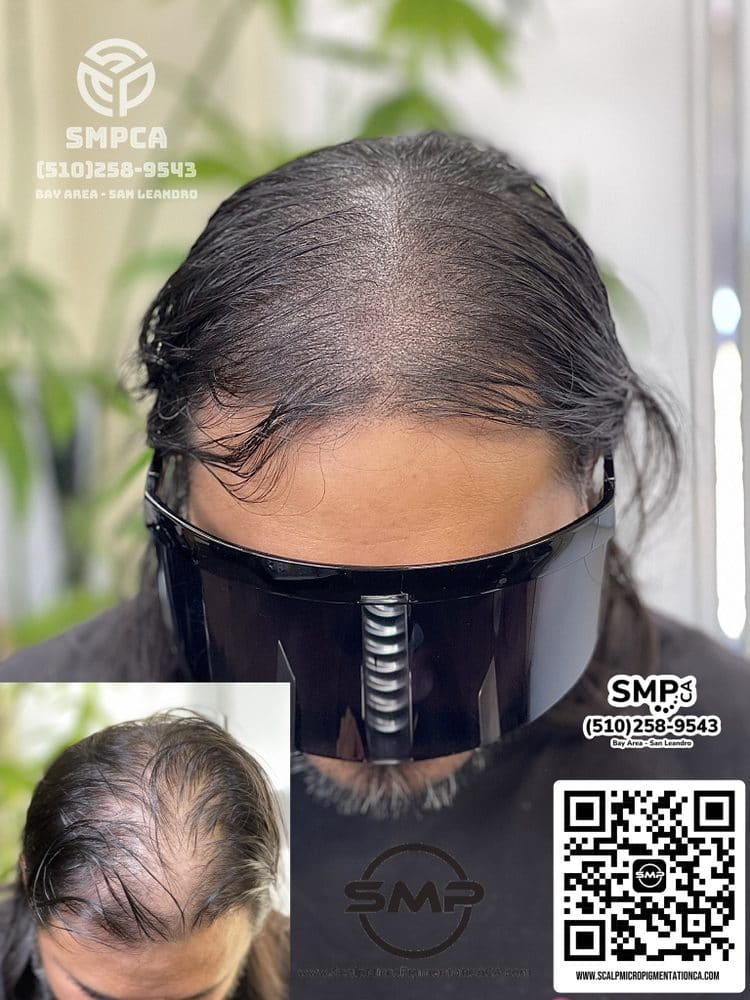
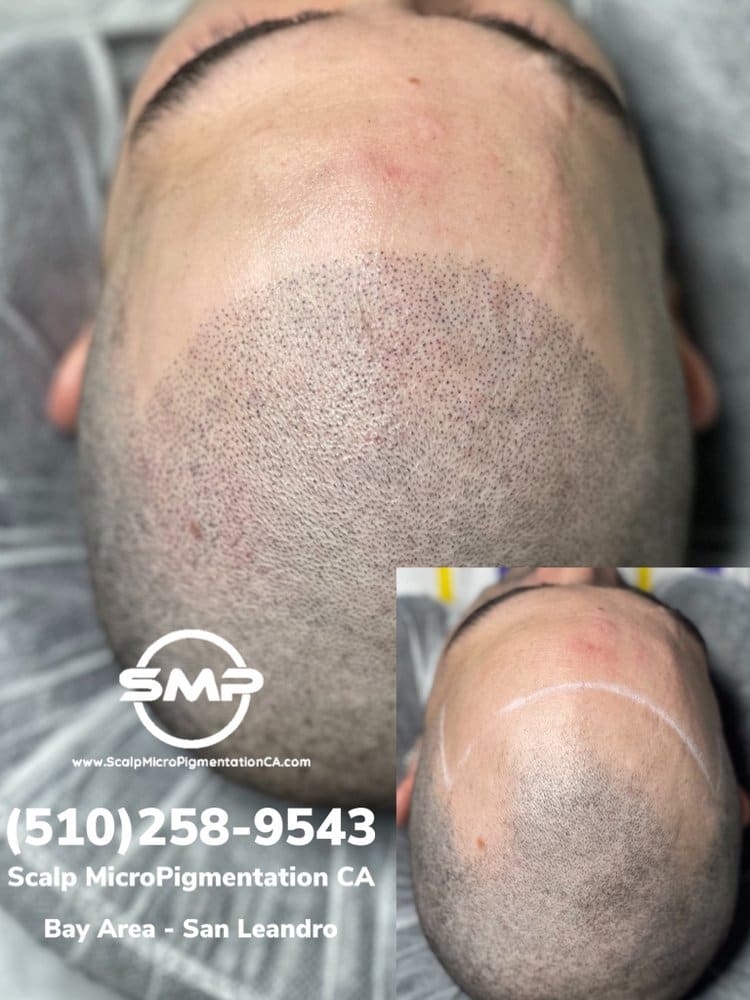
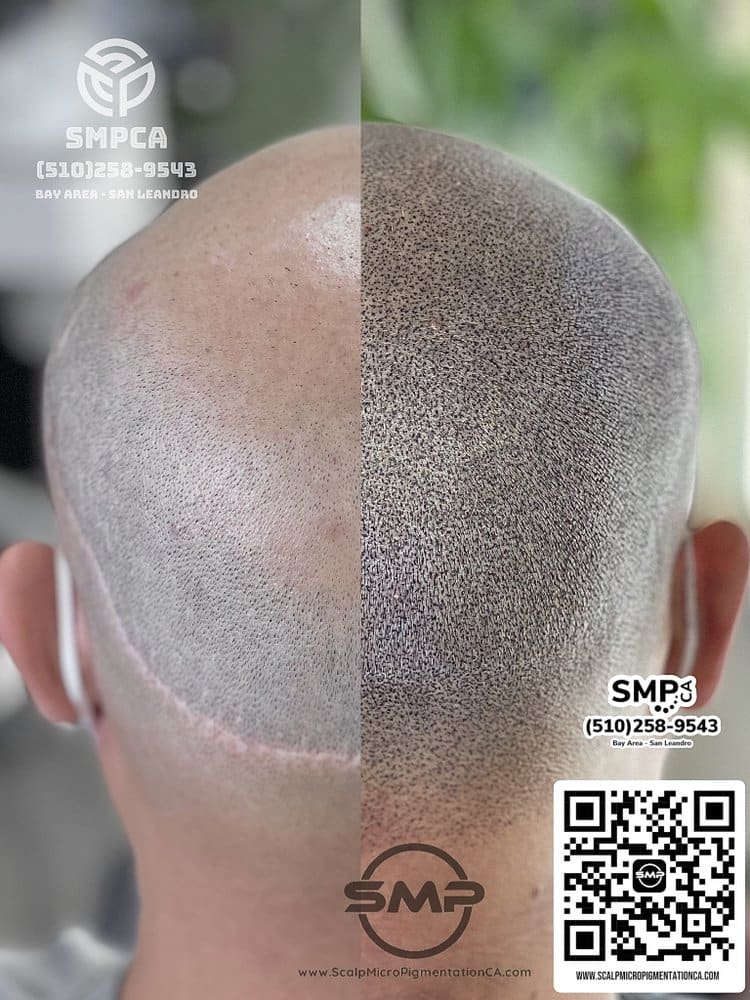
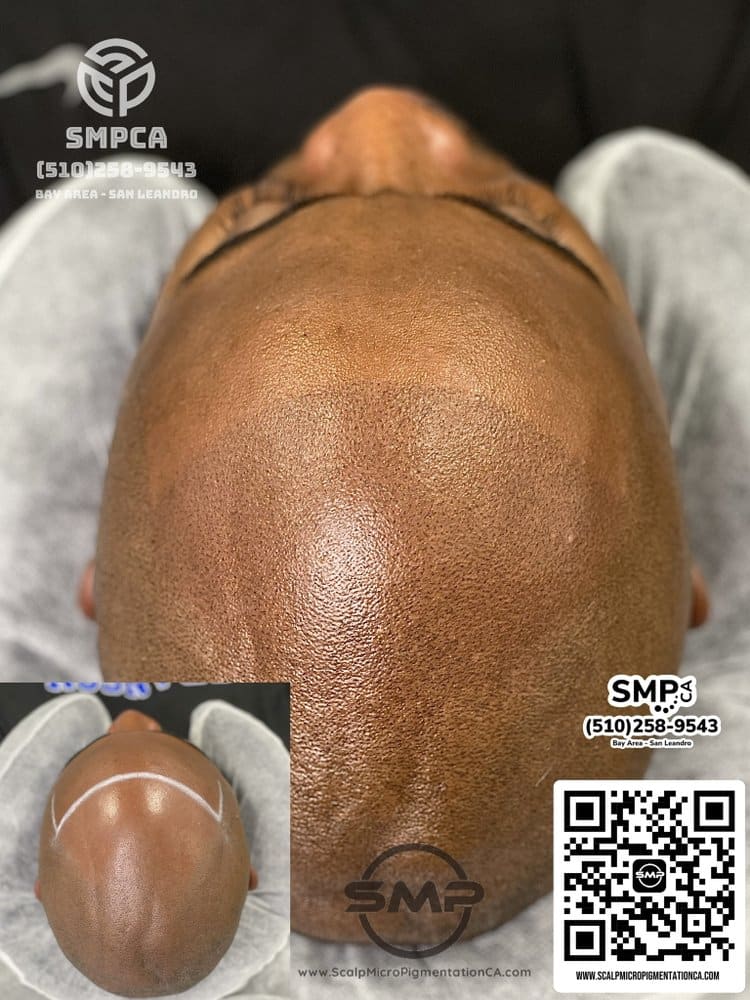
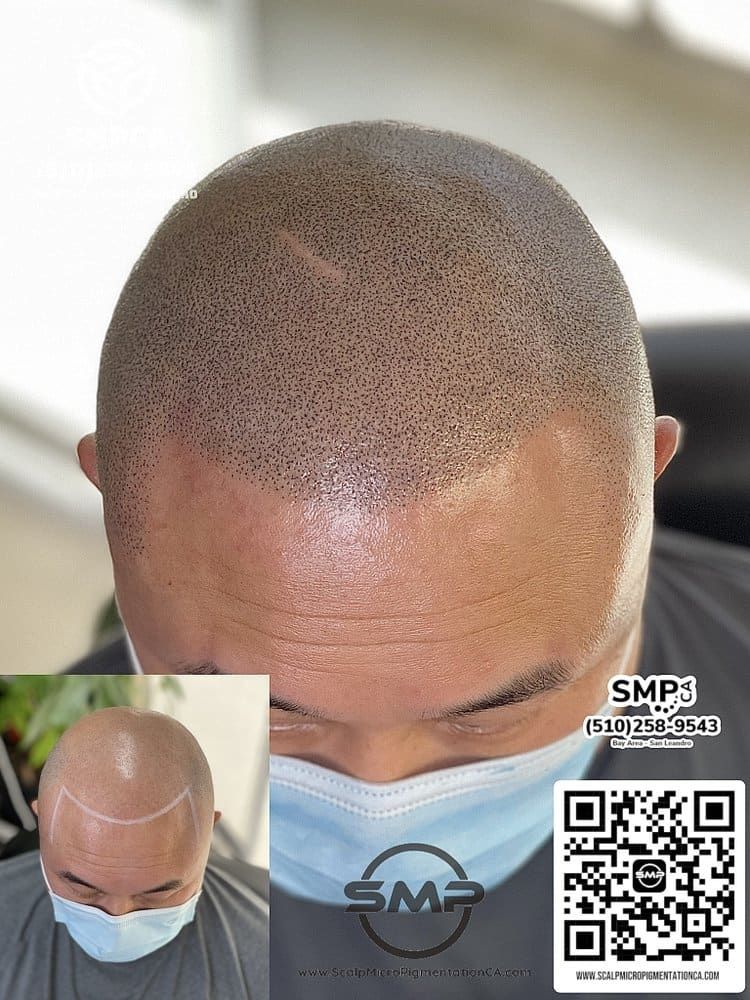
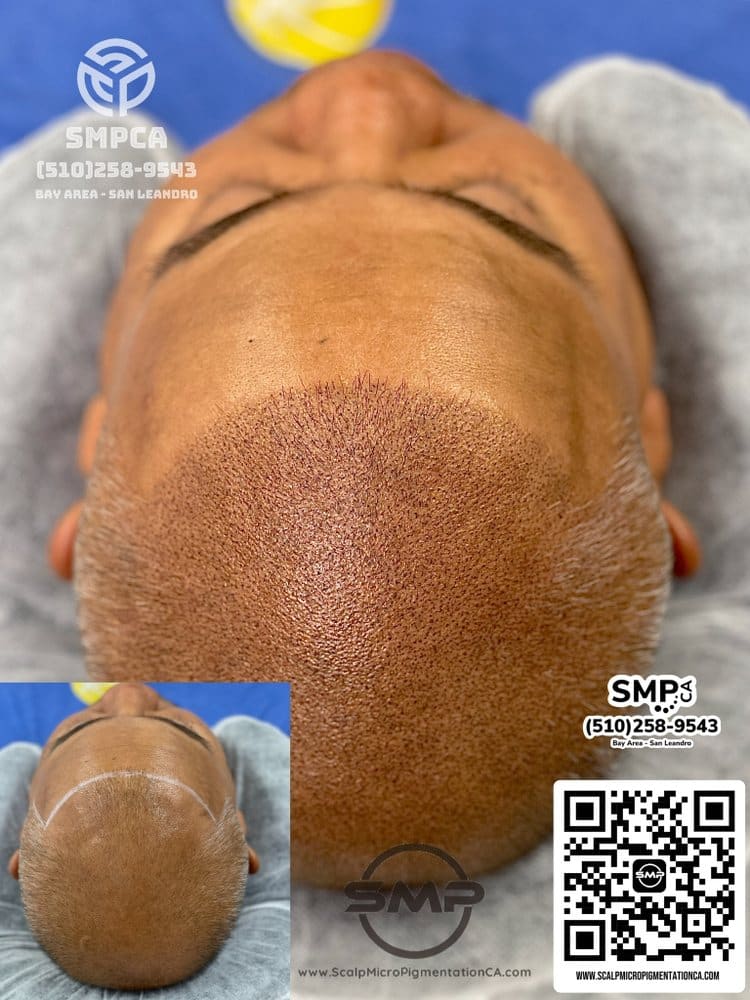
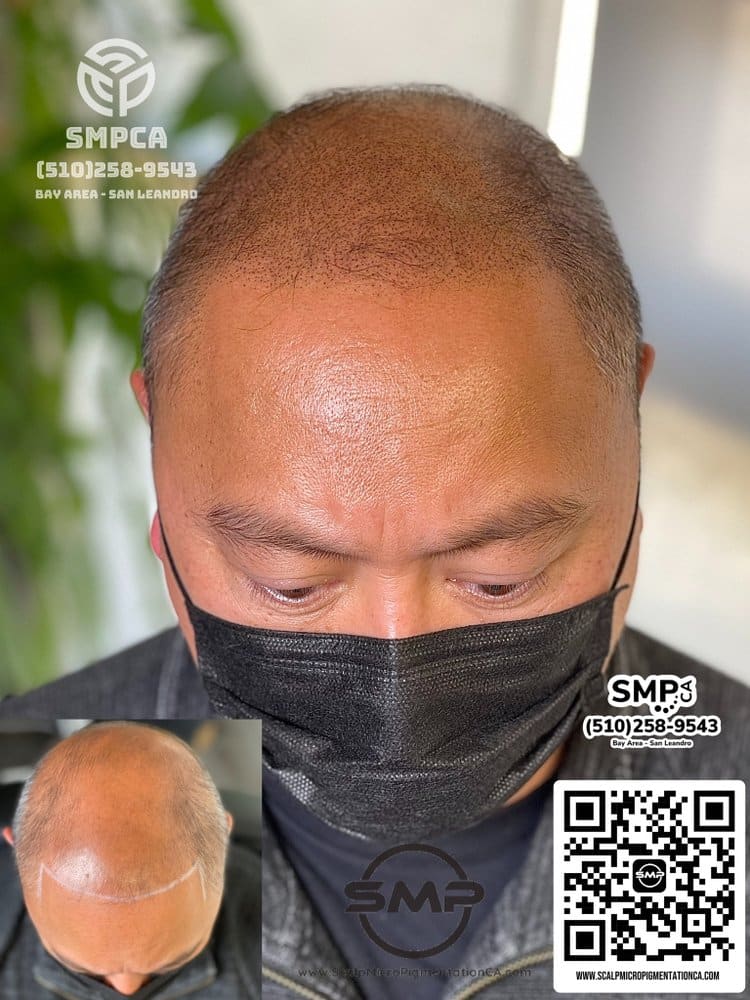
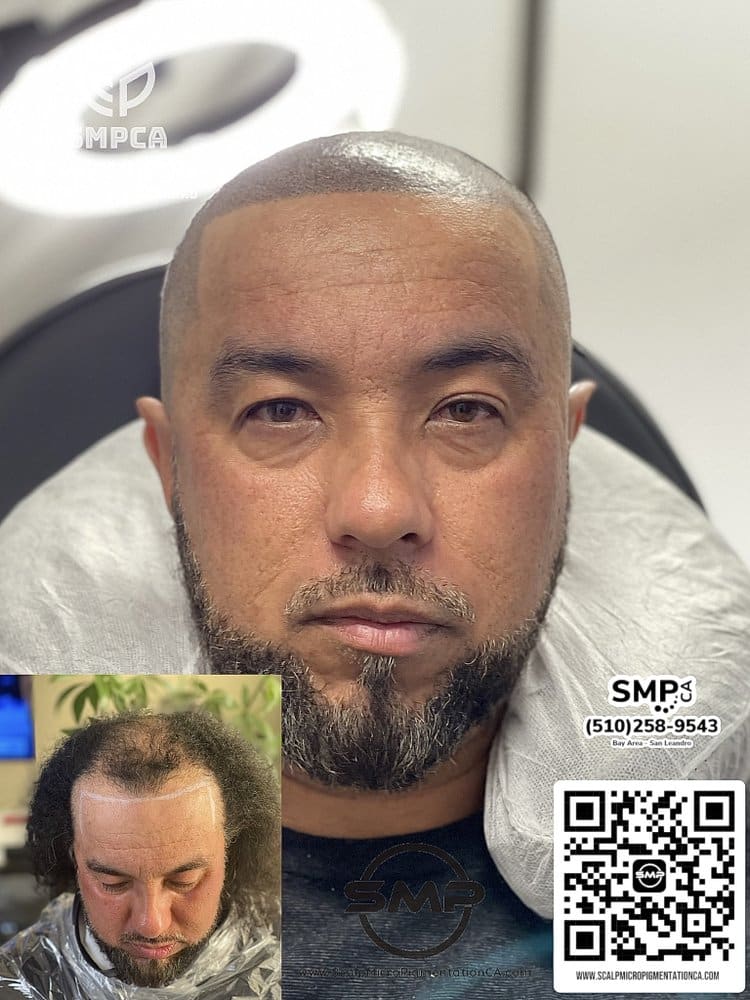
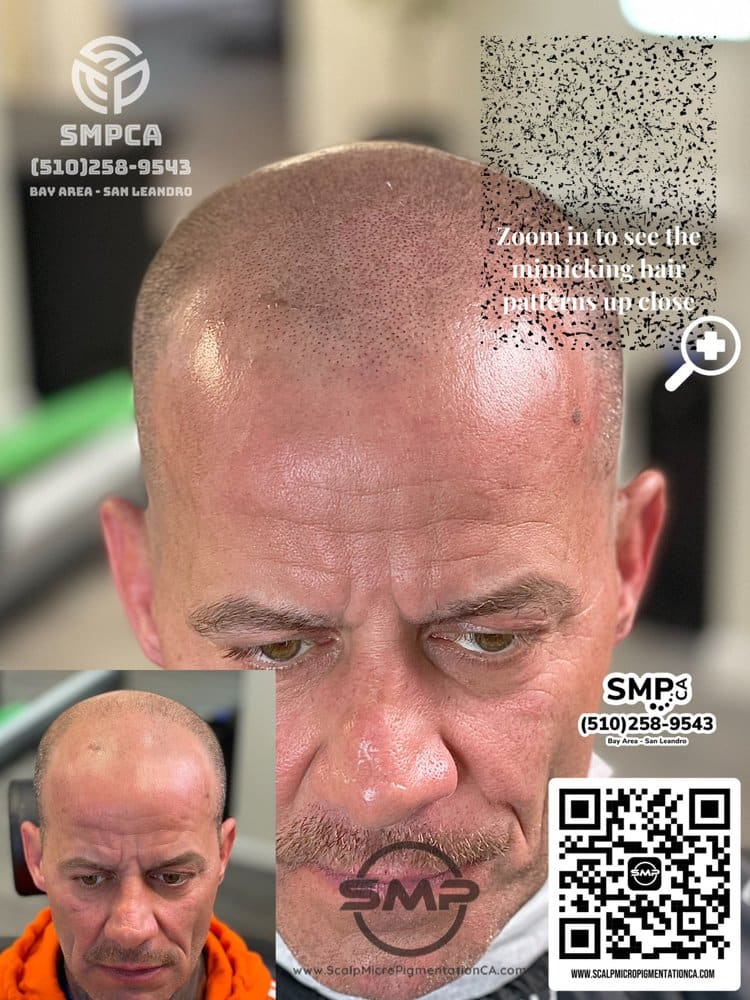
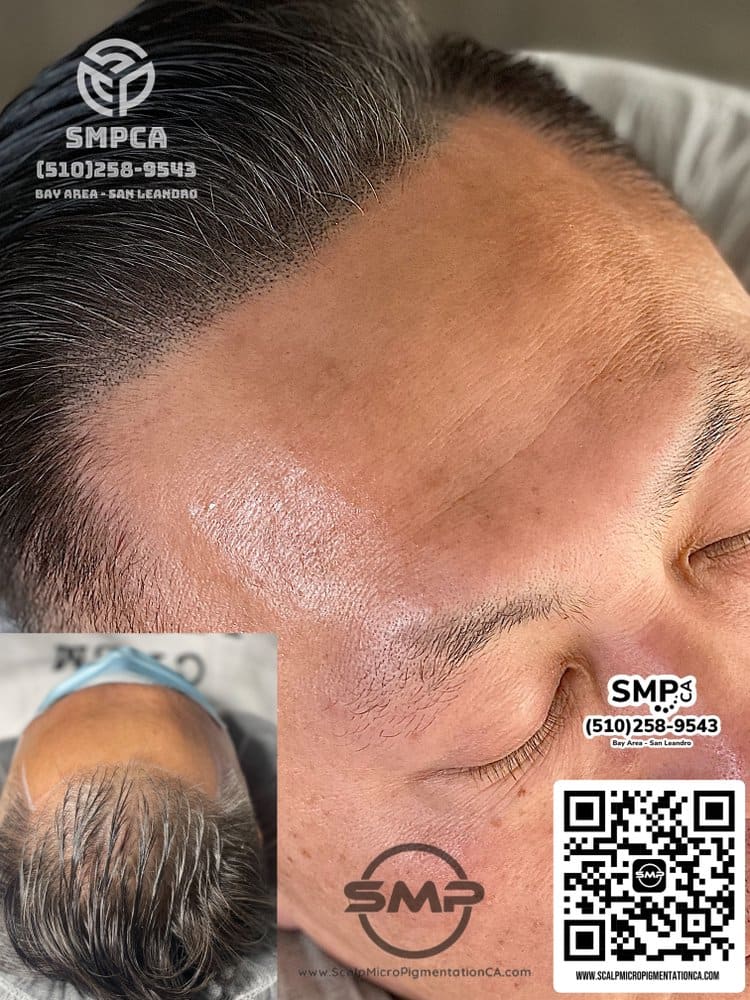
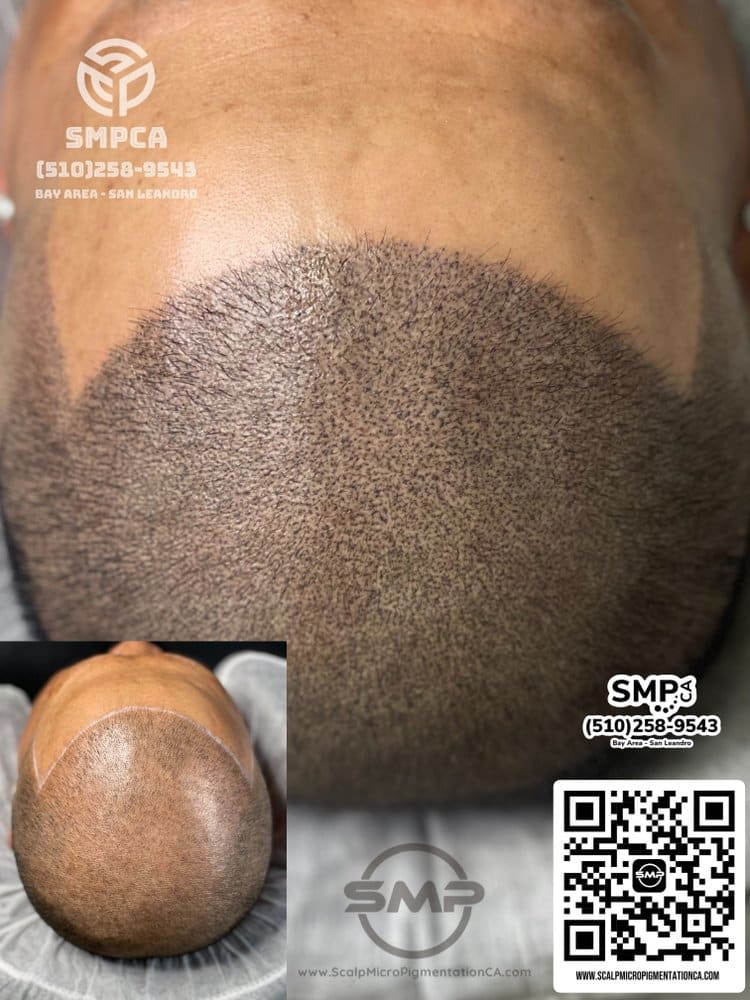
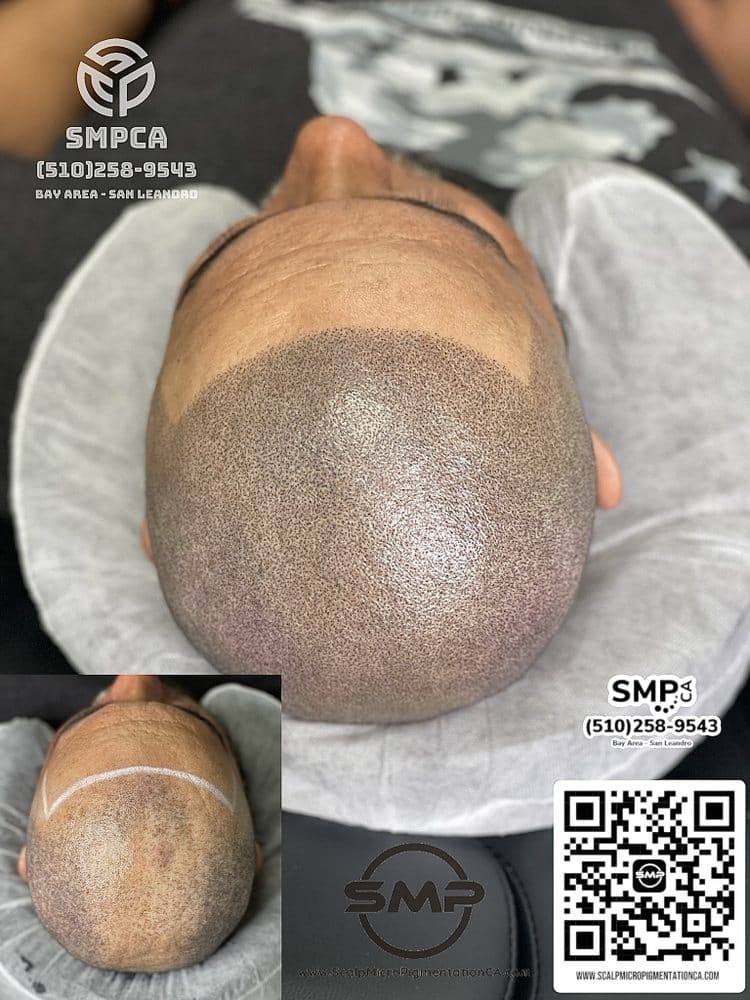
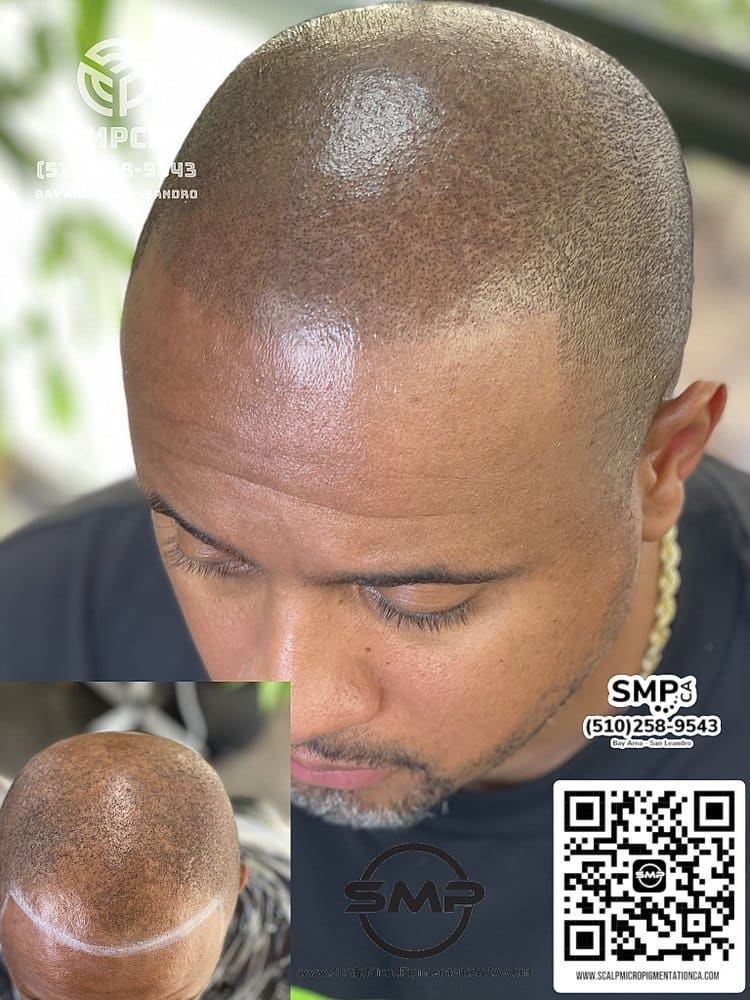
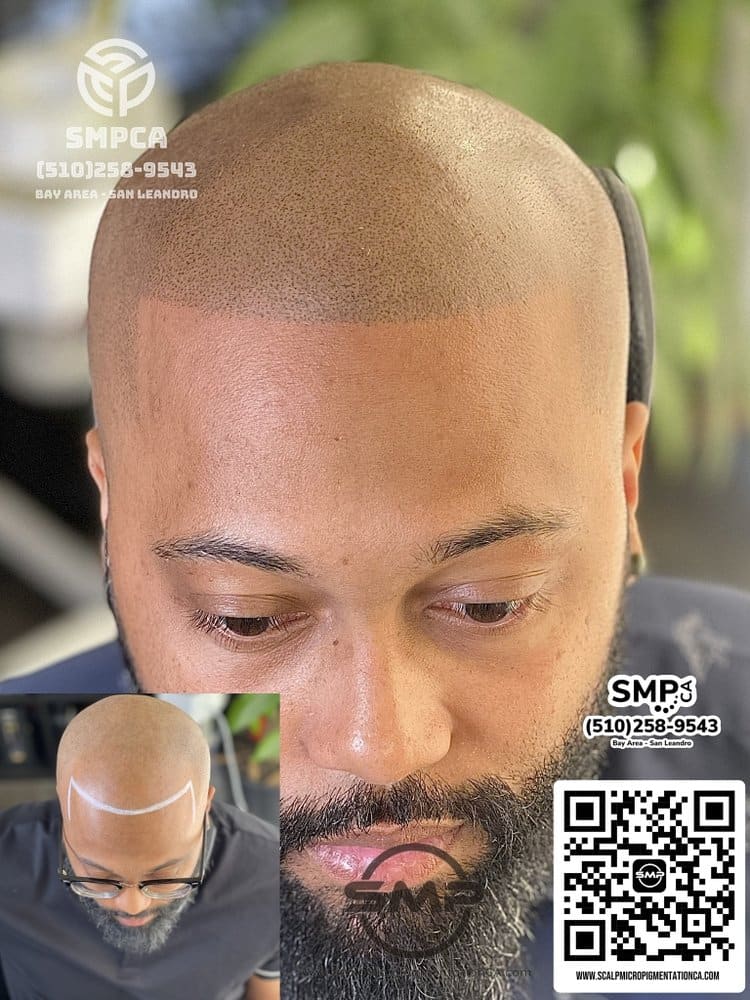
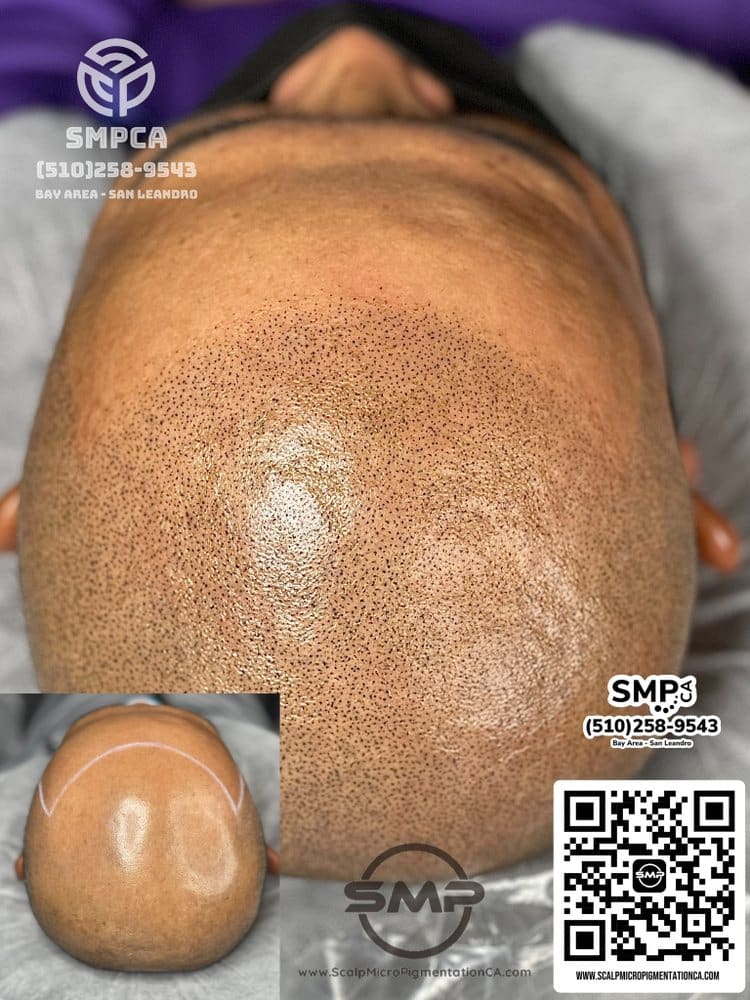
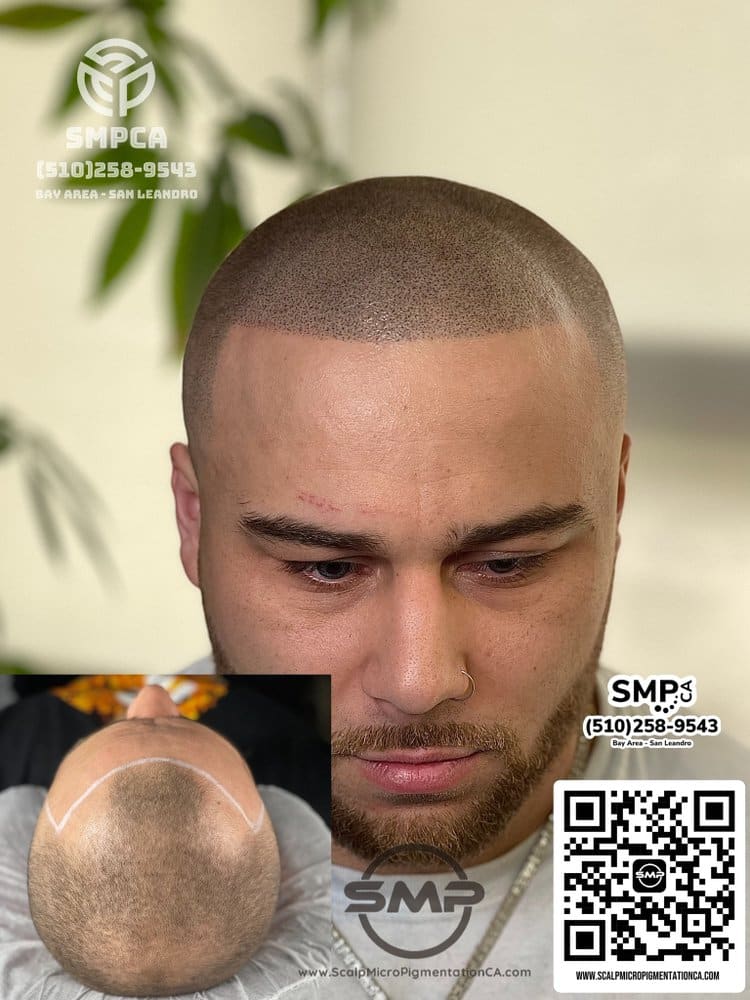
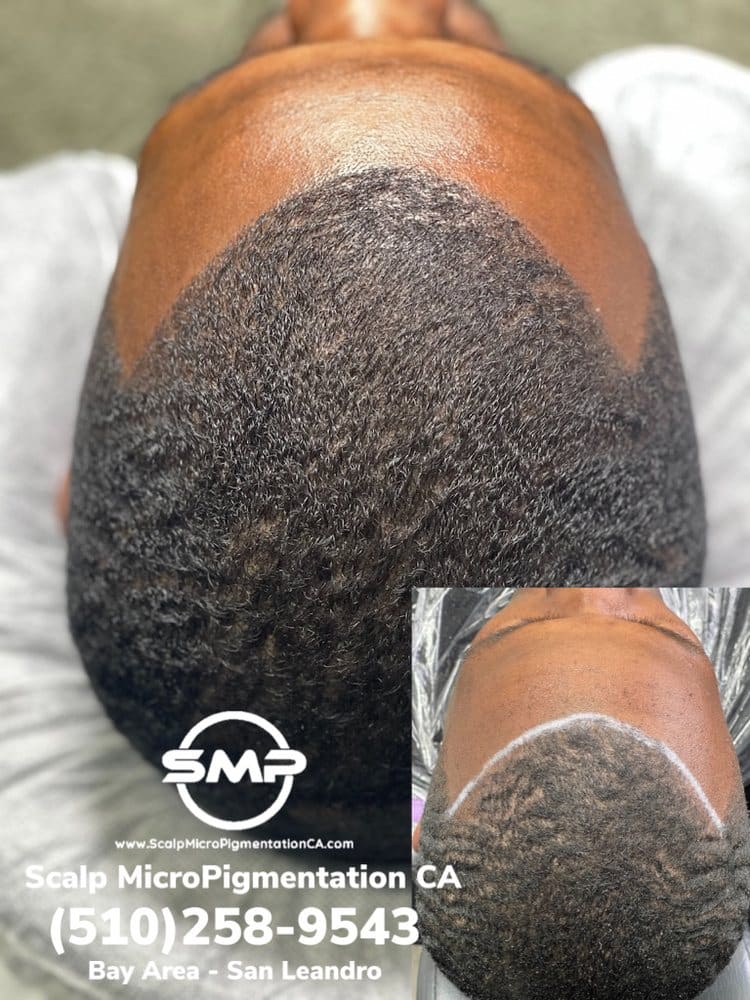
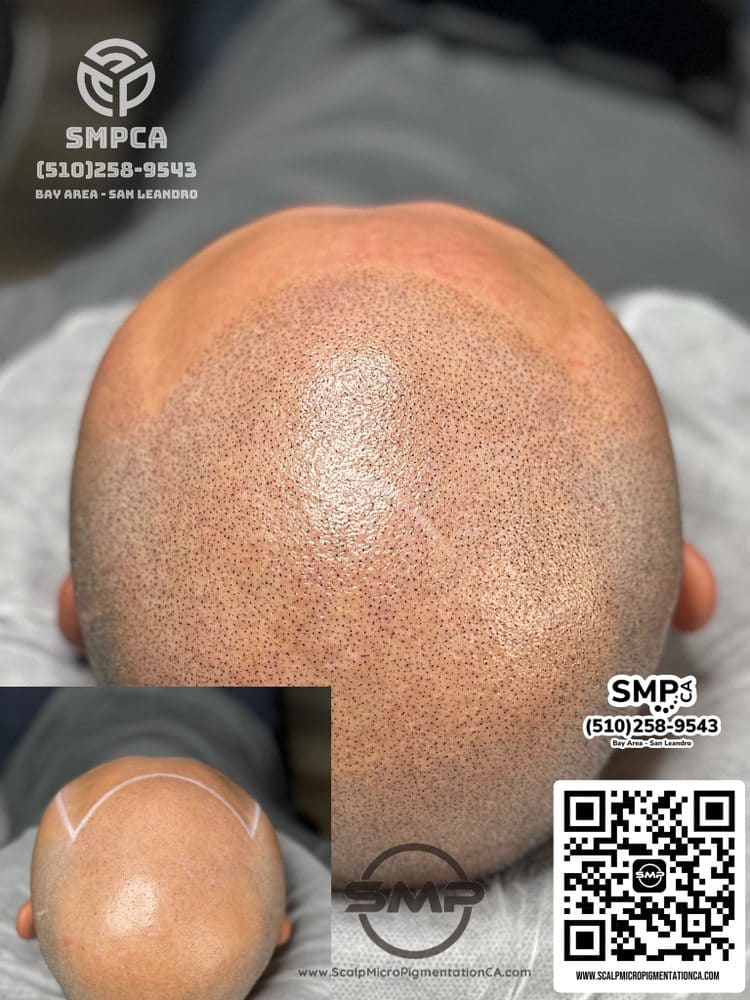
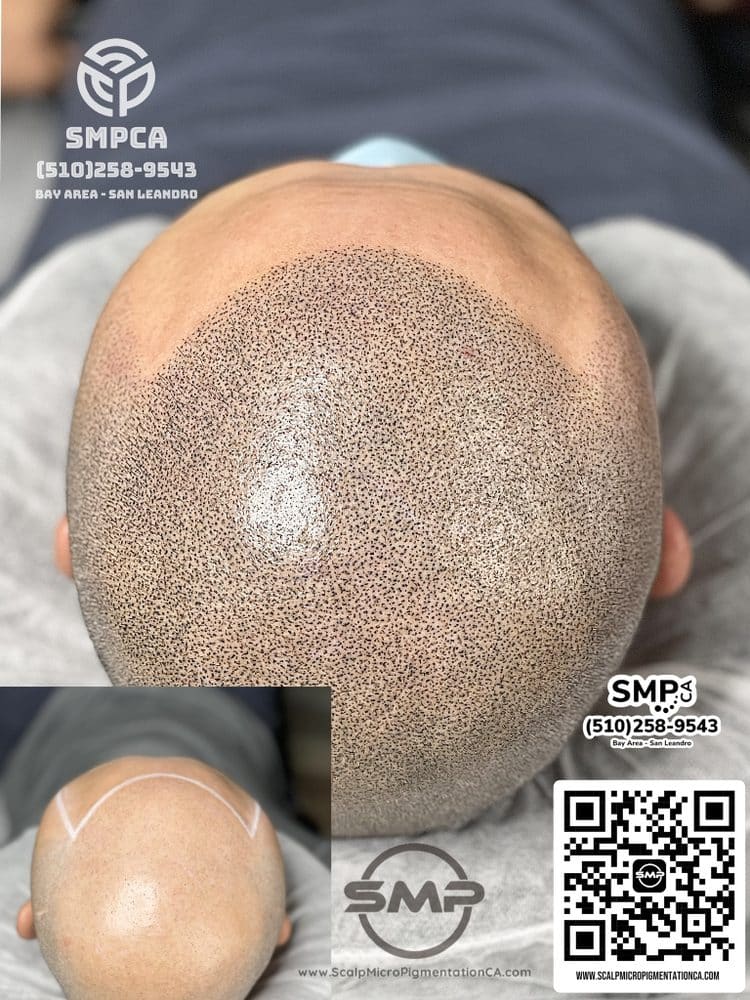
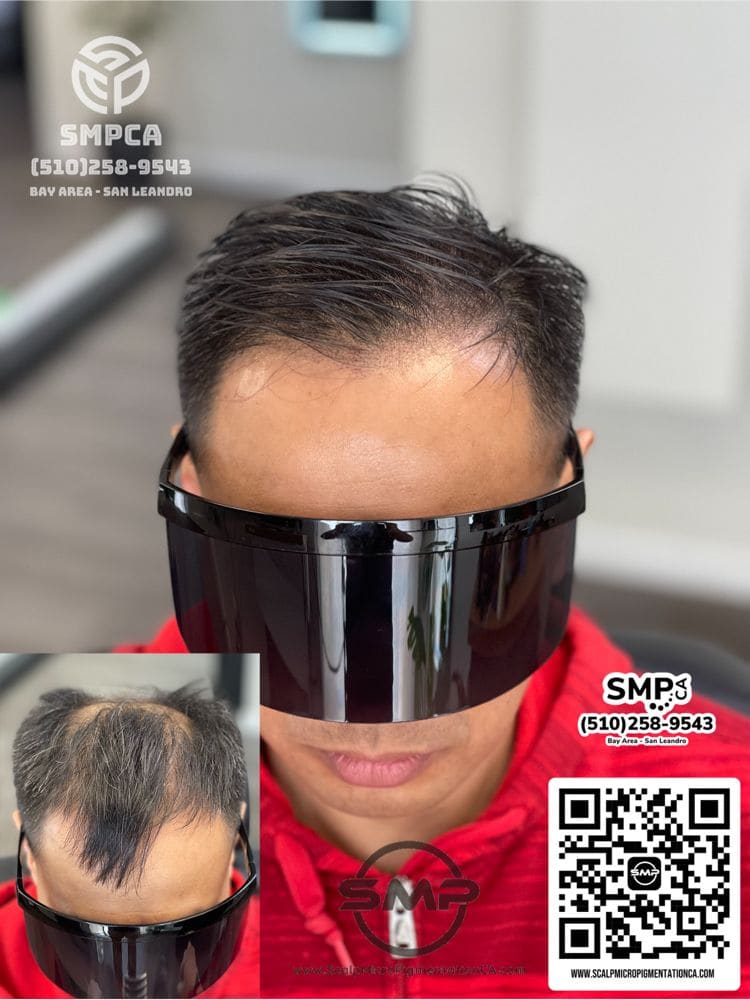
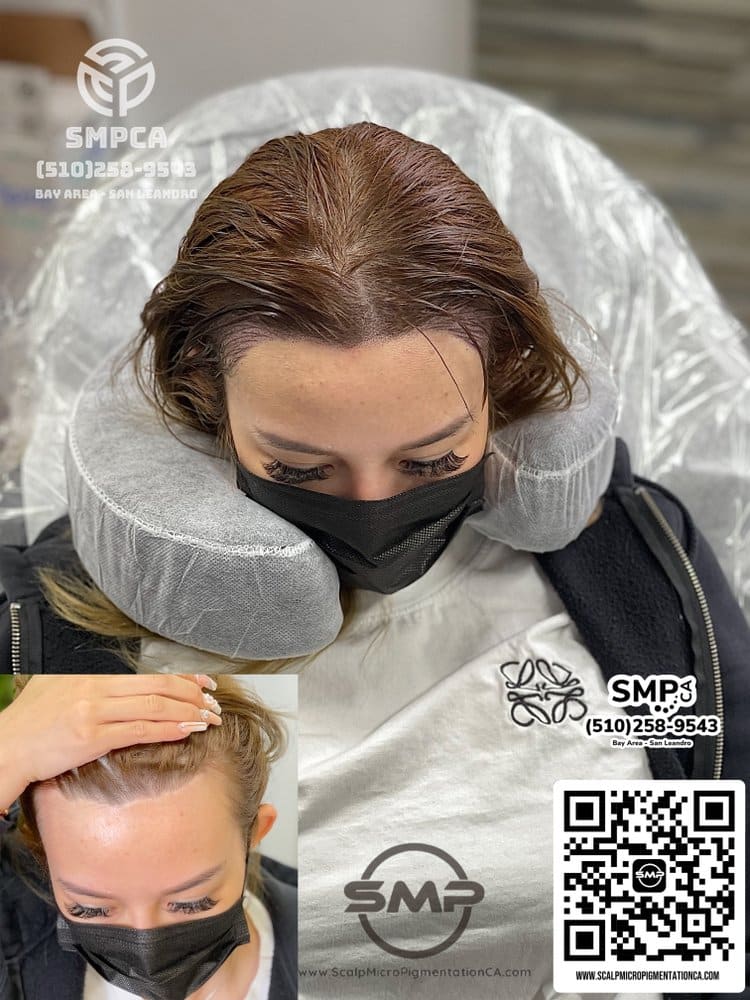
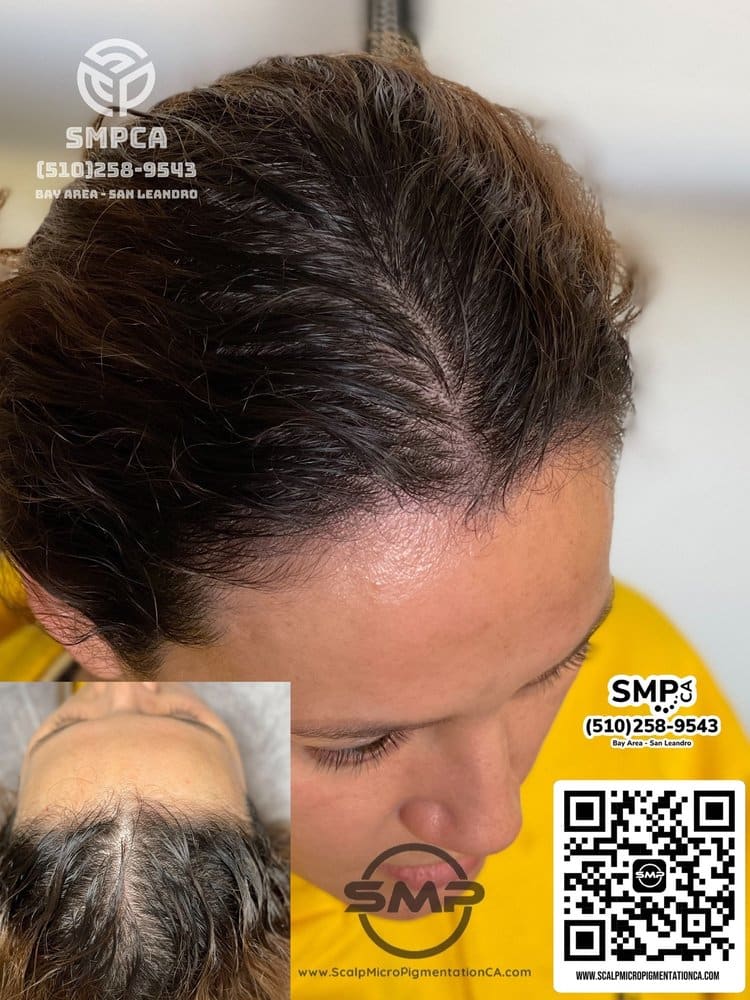
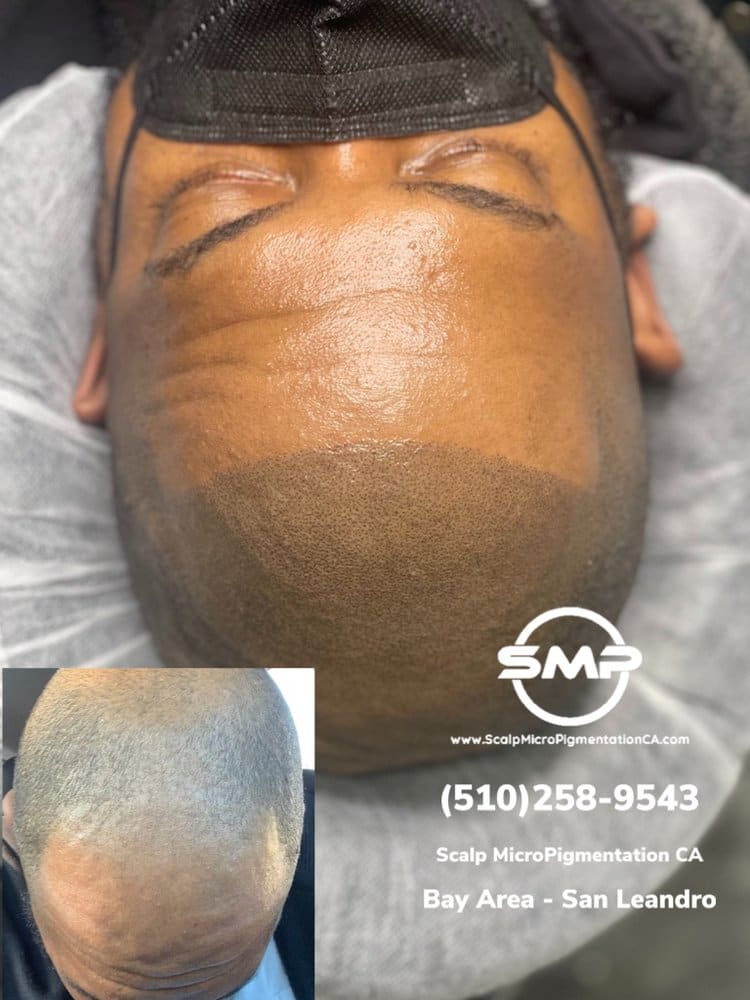
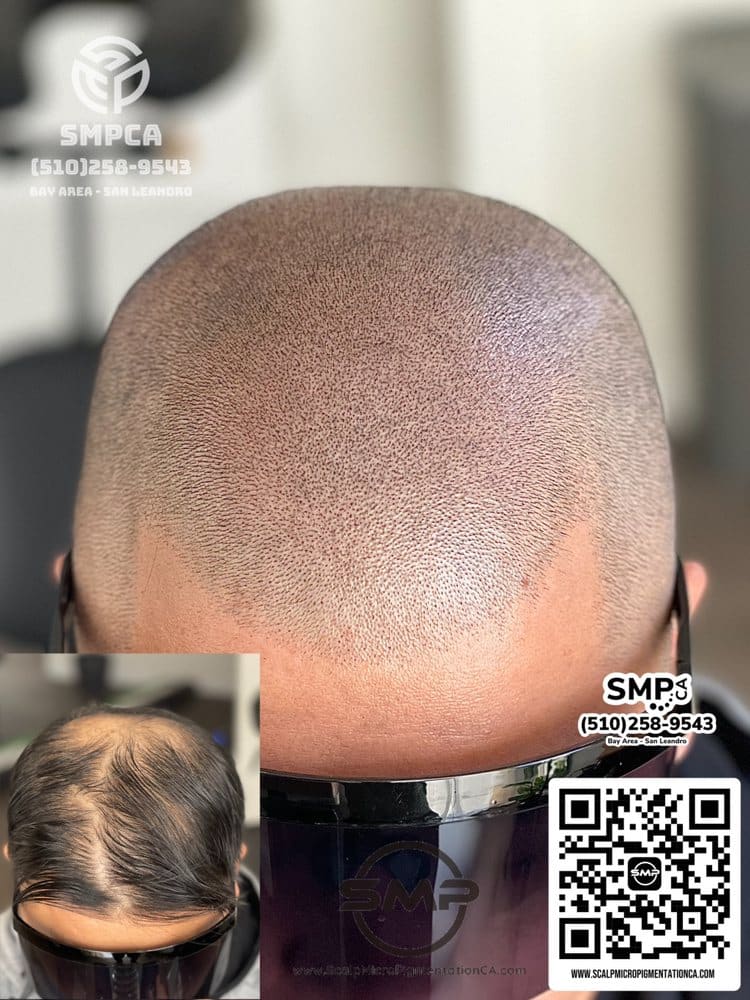
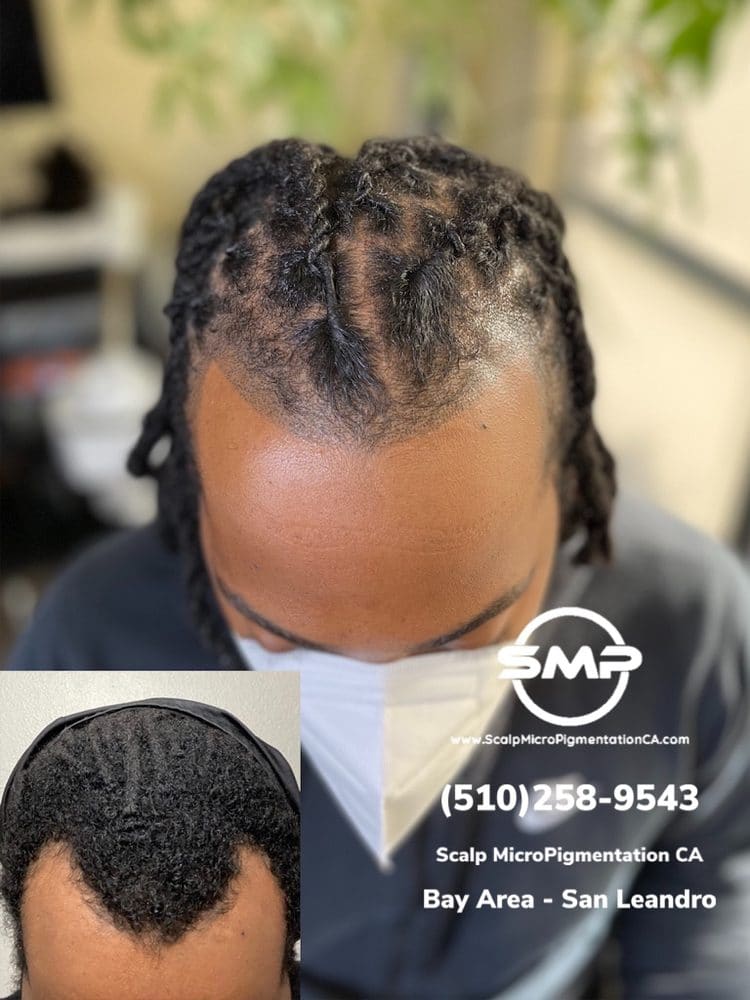
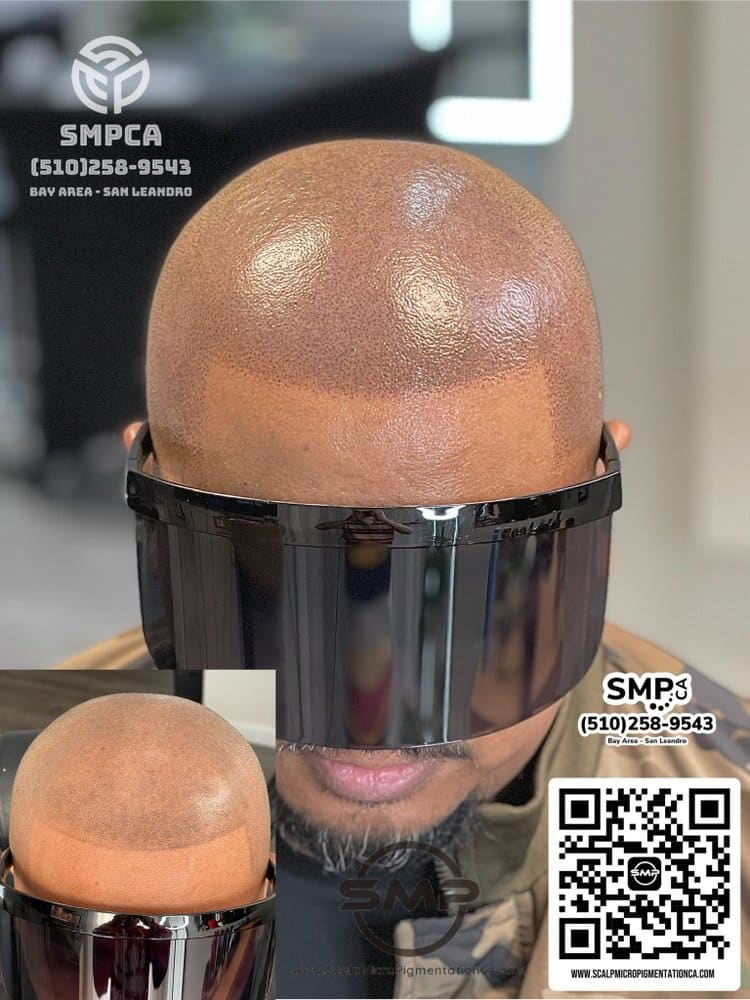
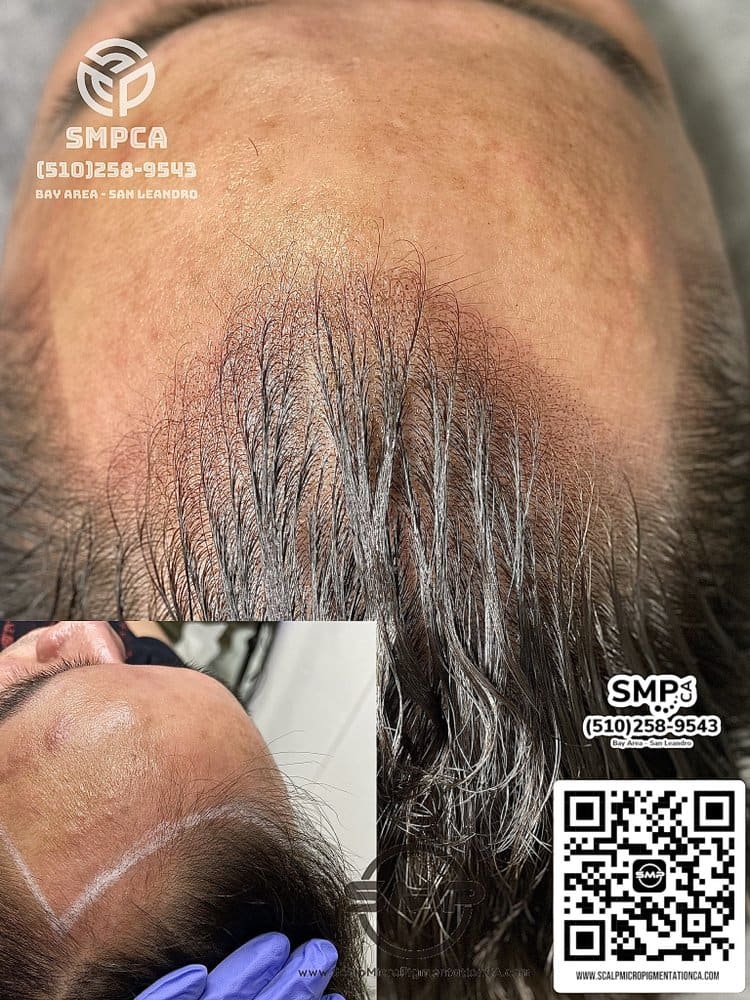
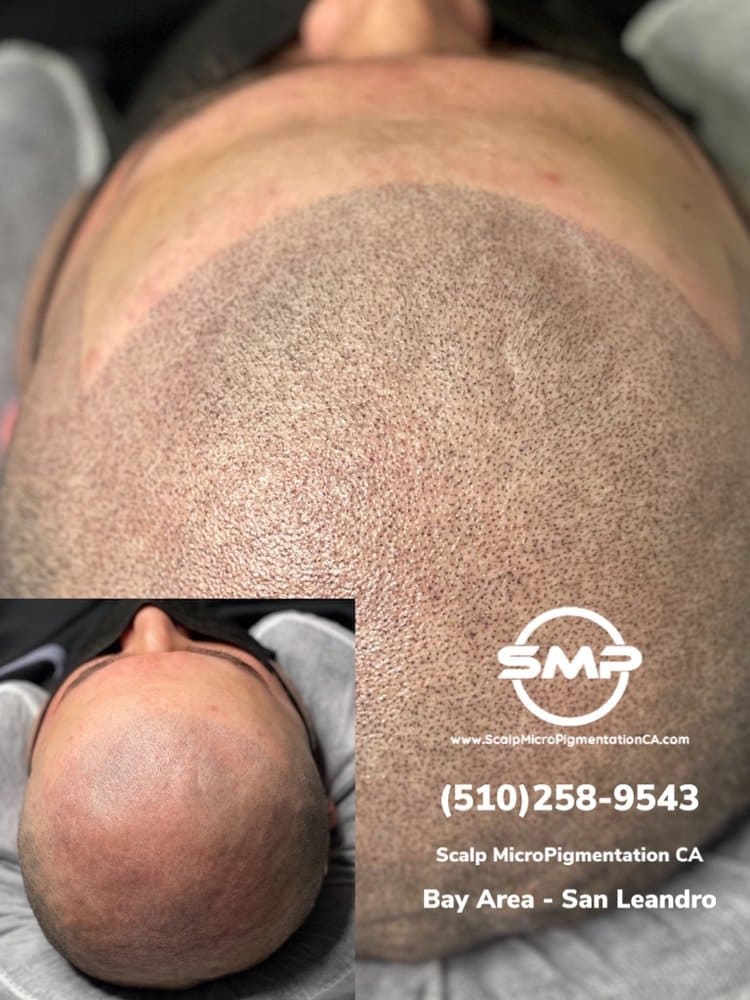
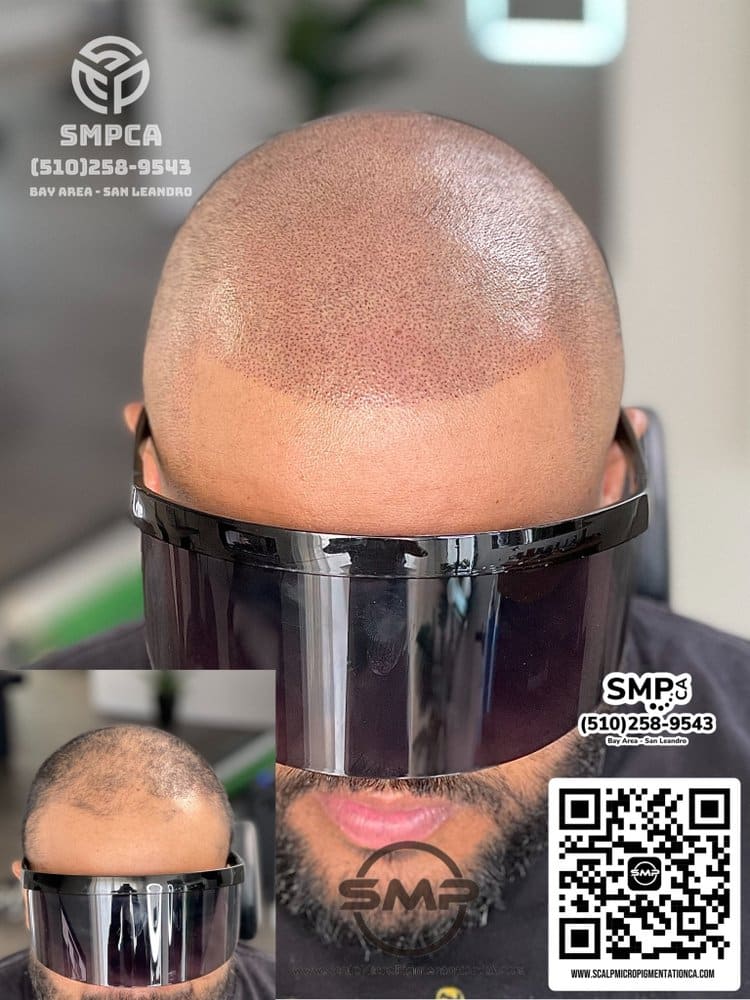
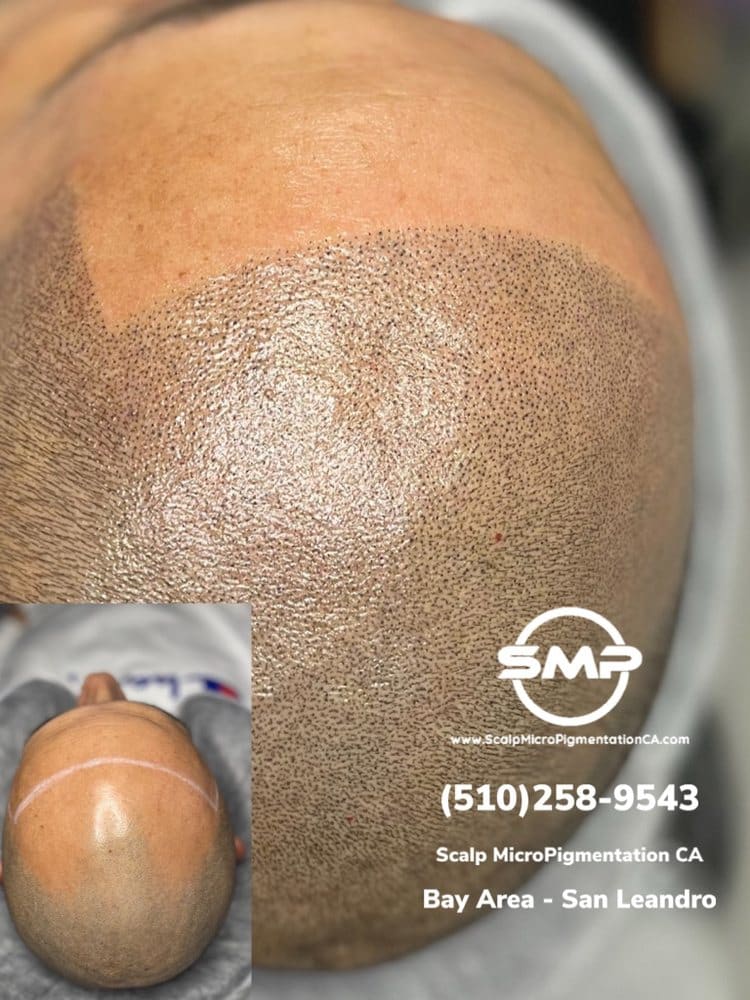
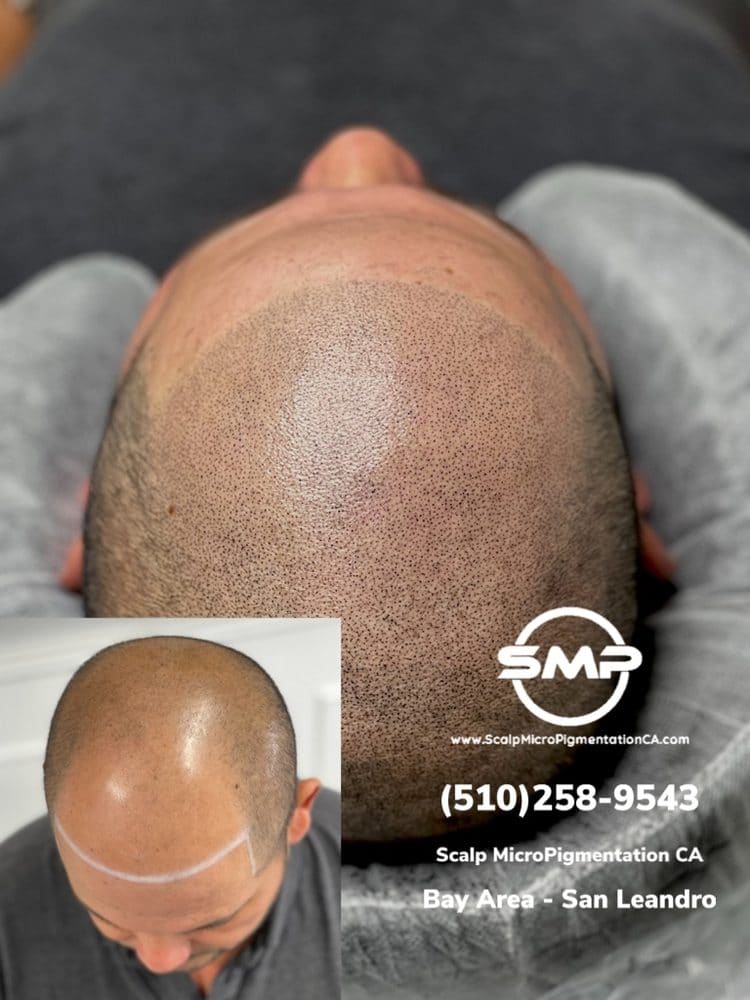
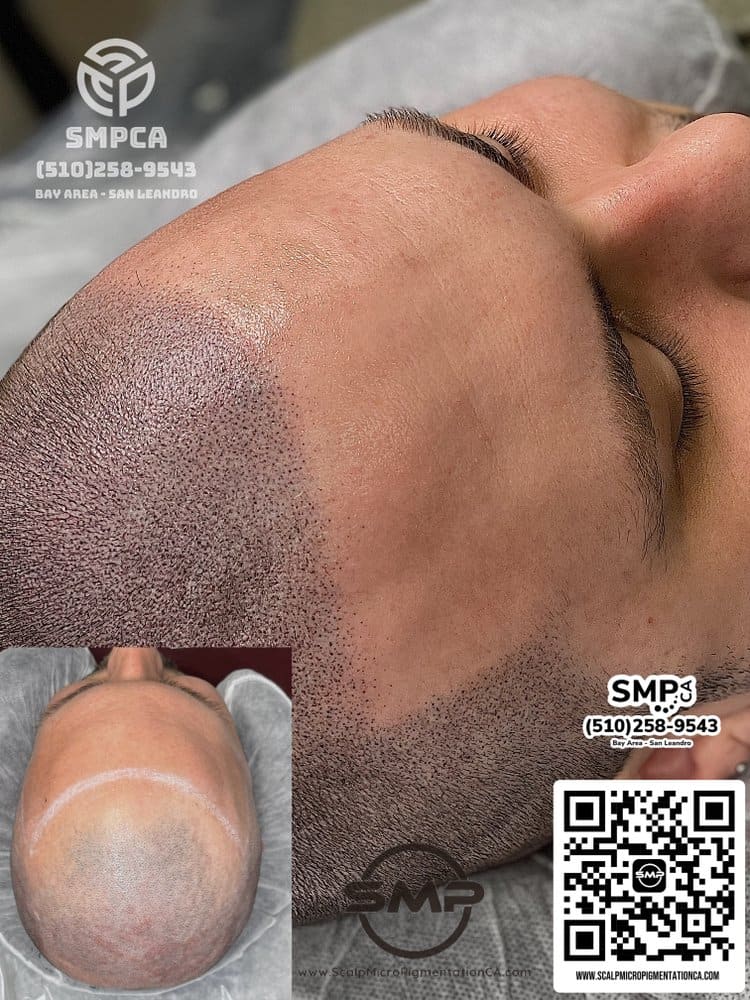
The best way to know if SMP looks real is to look at healed work up close. Our gallery below and full before-and-after page show real SMPCA clients — not stock photos.
Does SMP look real — FAQ
Does scalp micropigmentation actually look real?+
When it's done well, yes — SMP is designed to be indistinguishable from a closely shaved head of real hair at conversational distance, and it holds up in most everyday situations. Scalp micropigmentation is a cosmetic tattoo procedure that uses thousands of tiny pigment impressions to replicate the appearance of natural shaved hair follicles. It doesn't grow hair or add texture, so it reads as a clean buzz cut rather than a full head of length. Realism comes down almost entirely to the artist's skill: crisp follicle-sized dots, natural spacing, a soft hairline, and the right pigment.
Will people be able to tell I got SMP?+
Most people won't. Because good SMP mimics the look of your own shaved follicles, others typically just register that you keep your hair very short — not that you had a procedure. The most common reaction clients report is people assuming they simply started buzzing their head. Extremely close inspection under bright light can reveal it to someone specifically looking, which is why natural spacing, visible scalp, and a broken hairline matter so much.
Does SMP look real up close?+
Quality SMP holds up well at close range because each impression is sized and placed to imitate a single follicle, with real skin visible between the dots. What separates natural work from obvious work is exactly what shows up close: crisp (not blurry) impressions, an irregular hairline instead of a ruled edge, and a shade that healed soft gray rather than harsh black or blue. This is why reviewing an artist's healed, up-close results — not just fresh photos — matters before you book.
Why does some SMP look fake or obvious?+
Unnatural results almost always trace back to technique, not the treatment itself. The usual culprits are a straight ruler-like hairline, dots that are too large, solid dark fill with no scalp showing through, oversaturated or too-deep pigment that heals blue, and poor blending into existing hair. These are the correction cases we see most often — and they're avoidable by choosing an experienced, specialized artist.
Can I see real healed SMP results before deciding?+
Yes. Our gallery and before-and-after page show real SMPCA clients, including healed results rather than only fresh, just-finished work — healed photos are the honest test of whether SMP looks natural over time. We always encourage reviewing healed portfolios (ours and any artist's) before you commit.
Does SMP look natural on any skin tone or hair color?+
SMP can look natural across a wide range of skin tones and hair colors, but the result depends on matching the pigment shade and density to you specifically — it isn't one-size-fits-all and it isn't right for everyone. Some situations, such as certain scar tissue, active scalp conditions, or expectations of literal hair regrowth, need an honest in-person assessment. A consultation is where we look at your skin, your existing hair, and your goals to tell you candidly what a natural result would look like for you.
Still unsure how it would look on you? Book a free consultation and we’ll tell you honestly.
A decade of SMP experience.
Every result you see is a real client — built dot by dot in San Lorenzo.
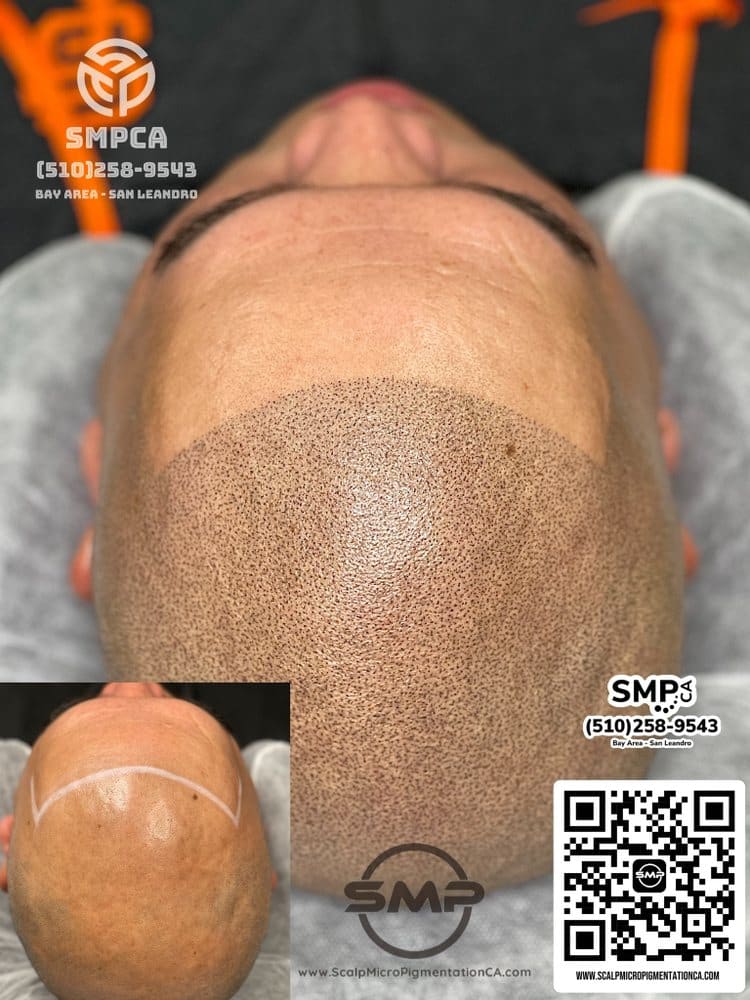
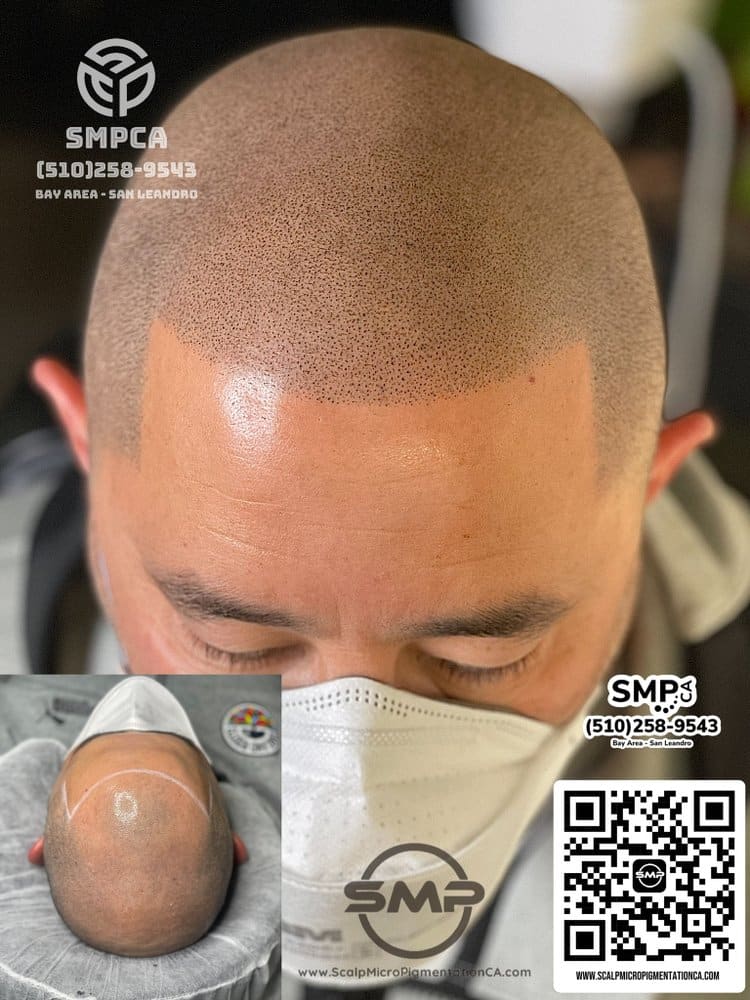
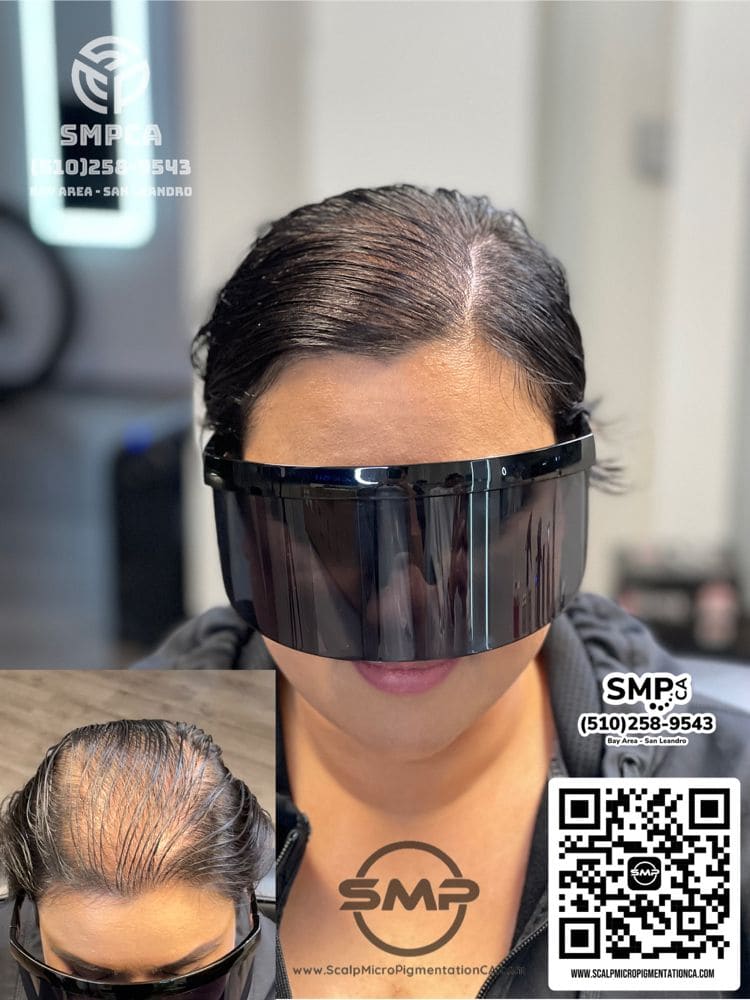
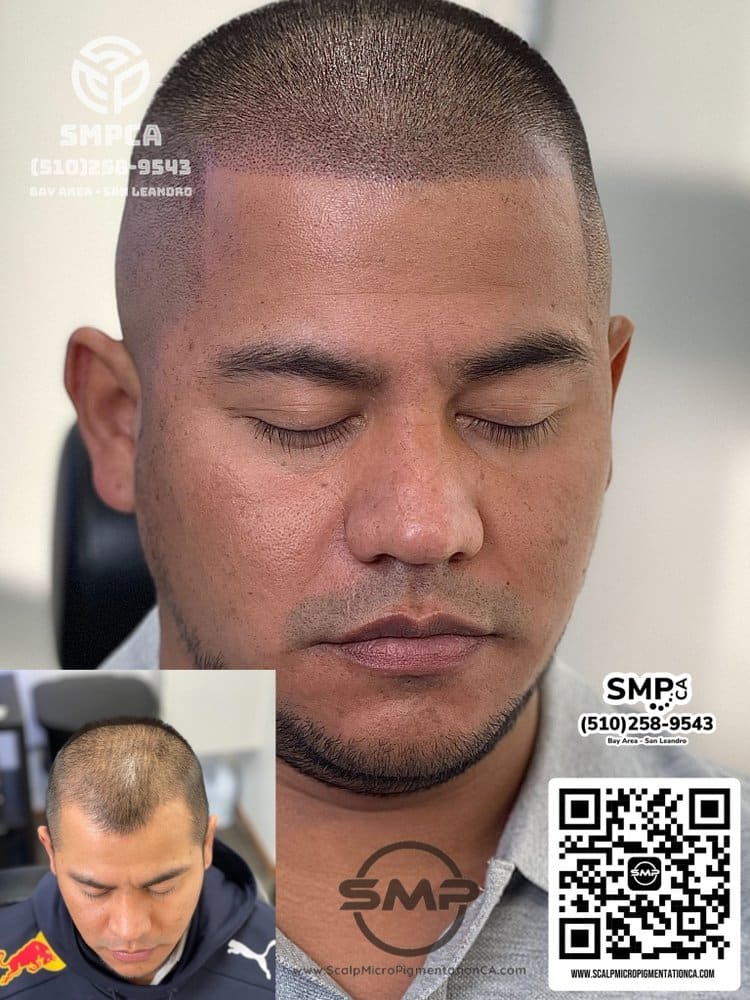
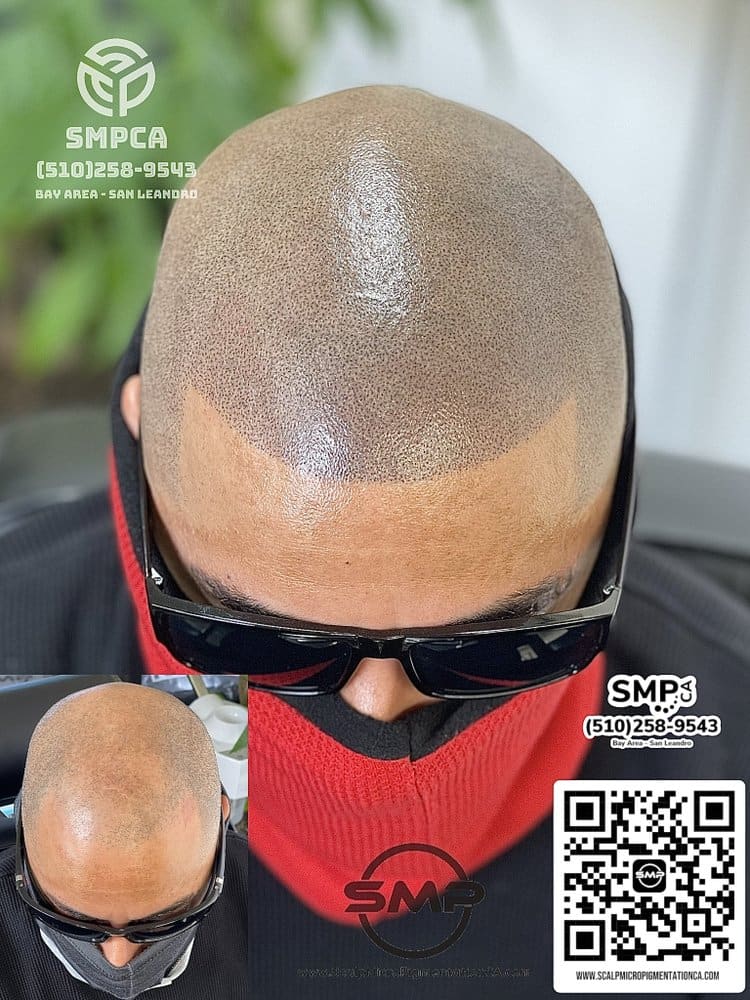
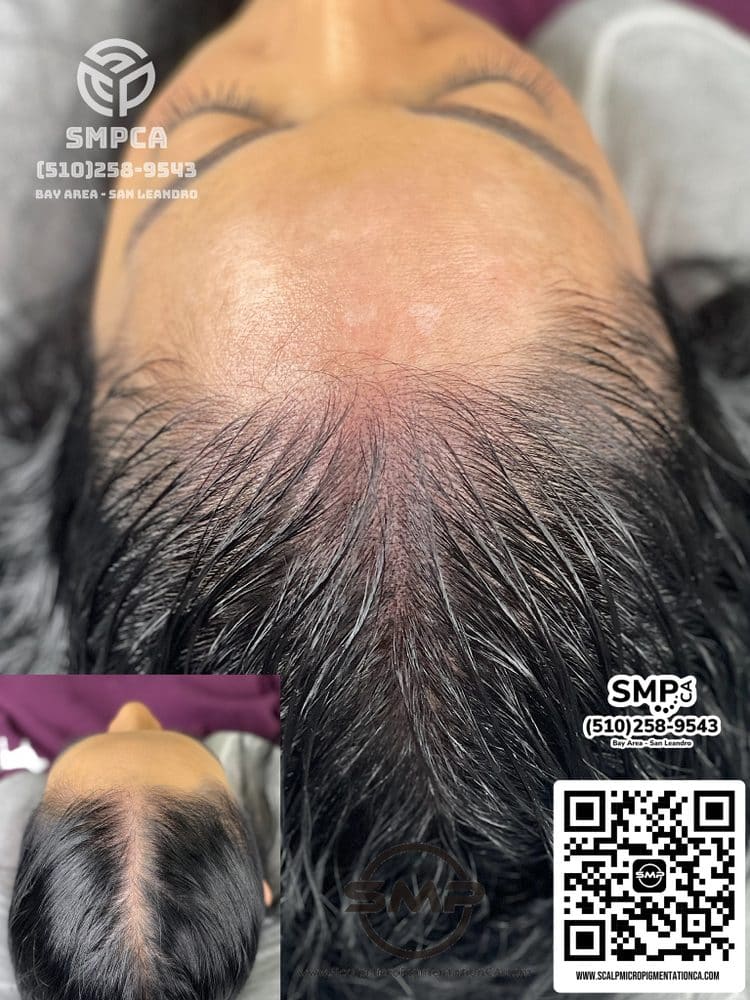
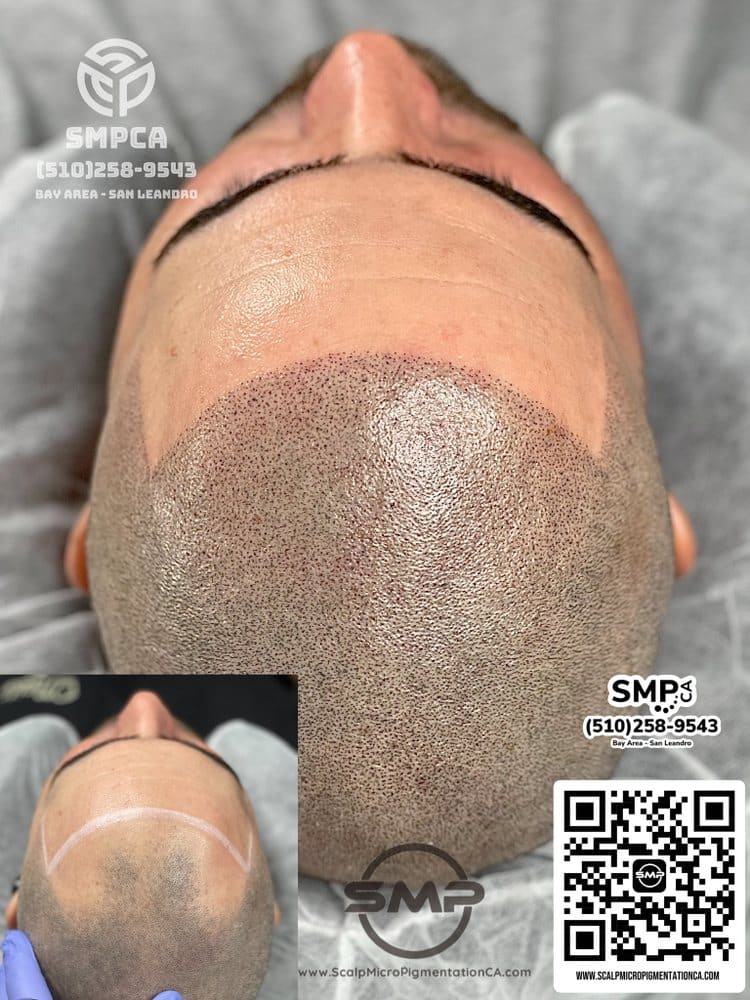
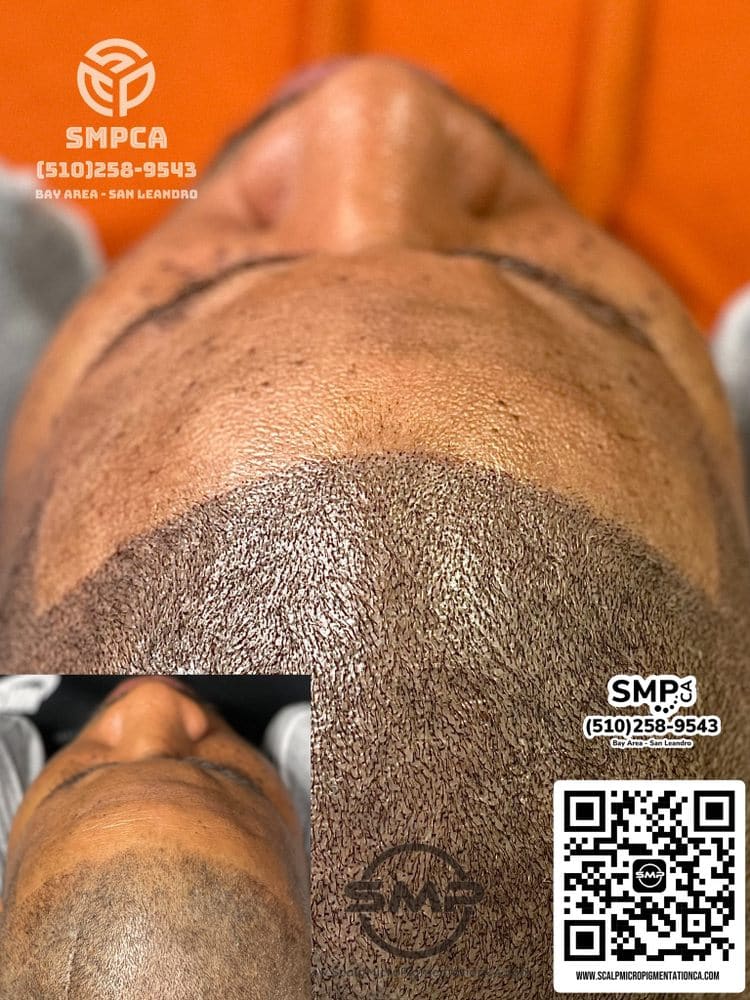
Thousands of sessions · hundreds of clients · one artist
Get your hairline — and your confidence — back.
Free, no-pressure quote. Tell me your situation and I'll show you exactly what's possible before you commit to anything.