
Scar Camouflage
SMP for Scars
Scalp micropigmentation can blend scars from surgery, skull fractures, craniotomy, burns, injuries, and hair transplants into the surrounding hair — so the scar stops being the first thing people see. Compassionate, master-barber-led work, one client at a time.
Can SMP cover a scar?
Yes. Scalp micropigmentation camouflages a scalp scar by tattooing microscopic pigment dots — that mimic real hair follicles — into and around the scar. That breaks up the smooth, hairless line that makes a scar stand out, so it blends into the surrounding hair. SMP doesn’t erase the scar or grow hair on it; it disguises it, and on a shaved or short cut the difference can be life-changing.
Scars we camouflage
Surgical scars
Scars from any scalp or cranial surgery — tumor removal, shunt placement (VP shunt), aneurysm clipping, or reconstructive work. Once the scar is fully healed and mature, pigment is layered around and into it to break up the smooth, hairless line.
Skull-fracture & head-injury scars
Accidents, falls, and trauma often leave a visible scar and a strip where hair no longer grows. SMP recreates the look of follicles across and around the scar so it blends with the rest of a shaved or short haircut.
Craniotomy / brain-surgery scars
Craniotomy incisions can leave a long, curved scar. SMP softens the contrast between the smooth scar tissue and the surrounding hair, making the line far harder to spot at a normal viewing distance.
Burn scars
Burn scars on the scalp can be camouflaged where the tissue has healed and stabilized. Because burn tissue behaves differently from normal skin, we assess each case carefully in person and set honest expectations.
Hair-transplant scars
FUT strip scars (a linear line) and FUE punch scars (a dotted pattern in the donor area) are among the most common scars we camouflage.
Injury & laceration scars
Everyday scars from cuts, sports, or old wounds that left a bald patch in the hair can usually be blended once mature.
Already had a hair transplant? See our dedicated transplant-scar camouflage page →
What to expect — an honest picture
- Your scar must be healed and mature. Generally 12+ months after the surgery or injury. We won’t work on fresh or unstable scar tissue.
- Scar tissue behaves differently. It can hold pigment unevenly, so we build density gradually across 2–4 sessions rather than forcing it in one — that’s how you get an even, natural blend.
- It works best with short hair. SMP recreates a shaved-follicle look, so camouflage is strongest on shaved or closely-cropped styles.
- We’ll tell you the truth. At your free consultation we assess the scar in person and give an honest opinion of what SMP can and can’t do for your case — no overpromising.
Note: SMP is a cosmetic camouflage procedure, not medical treatment, and this page is educational — not medical advice. If your scar is recent, painful, or changing, talk to your physician or surgeon first.
SMP scar camouflage — FAQ
Can scalp micropigmentation cover a scar?+
Yes — SMP is one of the most effective ways to camouflage a scalp scar. By tattooing tiny pigment dots that mimic hair follicles into and around the scar, an artist breaks up the smooth, hairless contrast that makes a scar stand out, so it blends into the surrounding hair. It doesn't remove the scar or grow hair on it — it disguises it visually, and the effect can be dramatic on shaved or short hair.
Can you camouflage a scar from a skull fracture or head injury?+
Yes. Scars from skull fractures, falls, accidents, and other head injuries are a common reason people come to us. Once the scar is fully healed and mature (generally 12+ months after the injury or surgery), we can layer pigment to recreate the look of follicles across the area so it blends with a shaved or closely cropped style. We assess every case in person and give an honest opinion of what's achievable.
Can SMP cover a craniotomy or brain-surgery scar?+
In most cases, yes — once the incision has fully healed and the scar tissue is stable. SMP reduces the contrast between the smooth scar and the surrounding hair, making a craniotomy line much harder to notice. Because every surgery and healing outcome is different, we evaluate the scar in person before committing to a plan.
Does SMP on a scar hurt, and is it safe on scar tissue?+
Scar tissue can feel different from normal skin — sometimes less sensitive, sometimes more — and it can take pigment differently, which is why experience matters. We use topical numbing and work conservatively on scarred areas, often starting lighter and building up. Your scar should be fully healed and mature before any SMP; we won't work on fresh or unstable scar tissue.
How many sessions does scar camouflage take?+
Scar work usually takes 2–4 sessions. Scarred skin can absorb and hold pigment unpredictably, so we build density gradually and let each layer heal before adding more — this is the safest way to get an even, natural-looking blend. Your exact plan is set at a free consultation.
Is this medical treatment?+
No — SMP is a cosmetic camouflage procedure, not medical or surgical treatment, and this page is educational, not medical advice. If your scar is recent, painful, changing, or you have questions about healing, speak with your physician or surgeon first. When you're healed and cleared, we're happy to assess whether SMP camouflage is a good fit.
A decade of SMP experience.
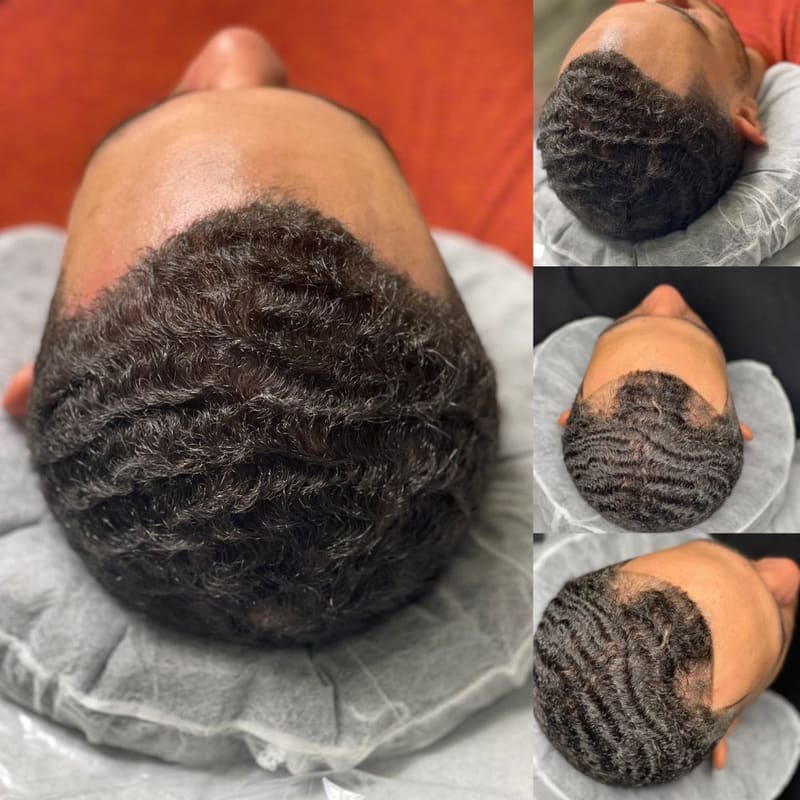
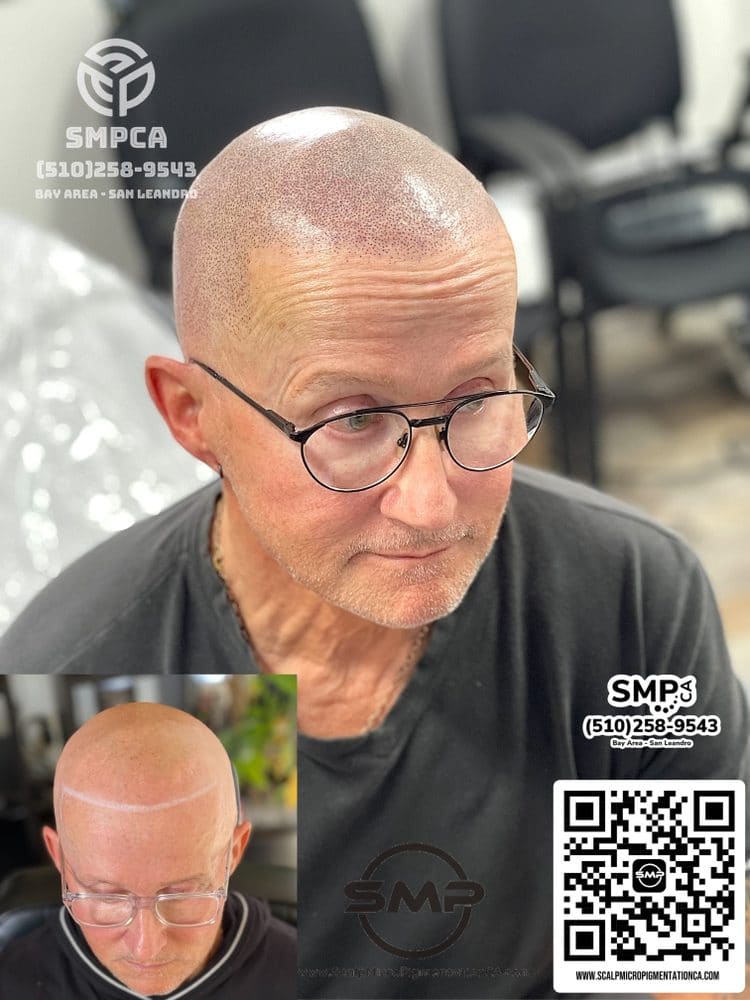
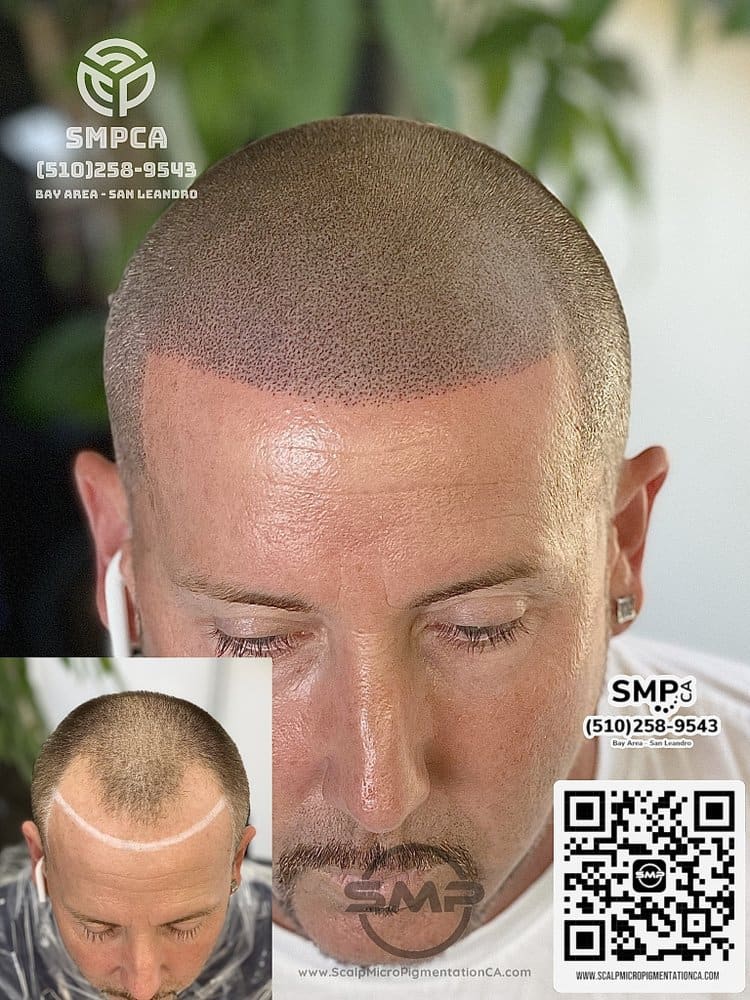
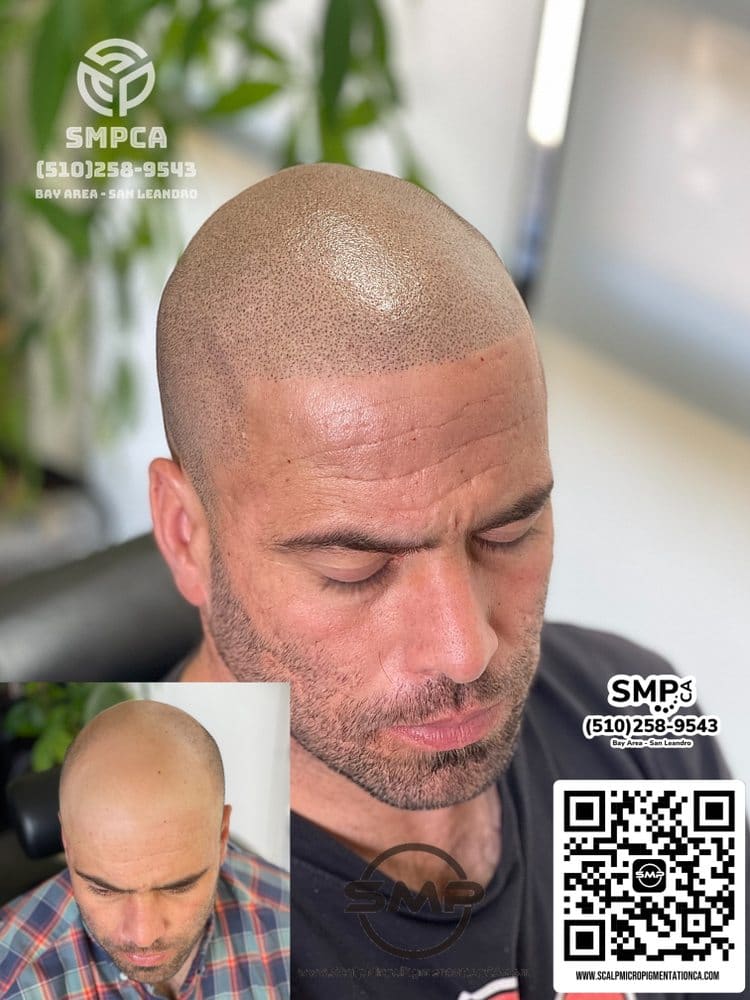
Every result you see is a real client — built dot by dot in San Lorenzo.
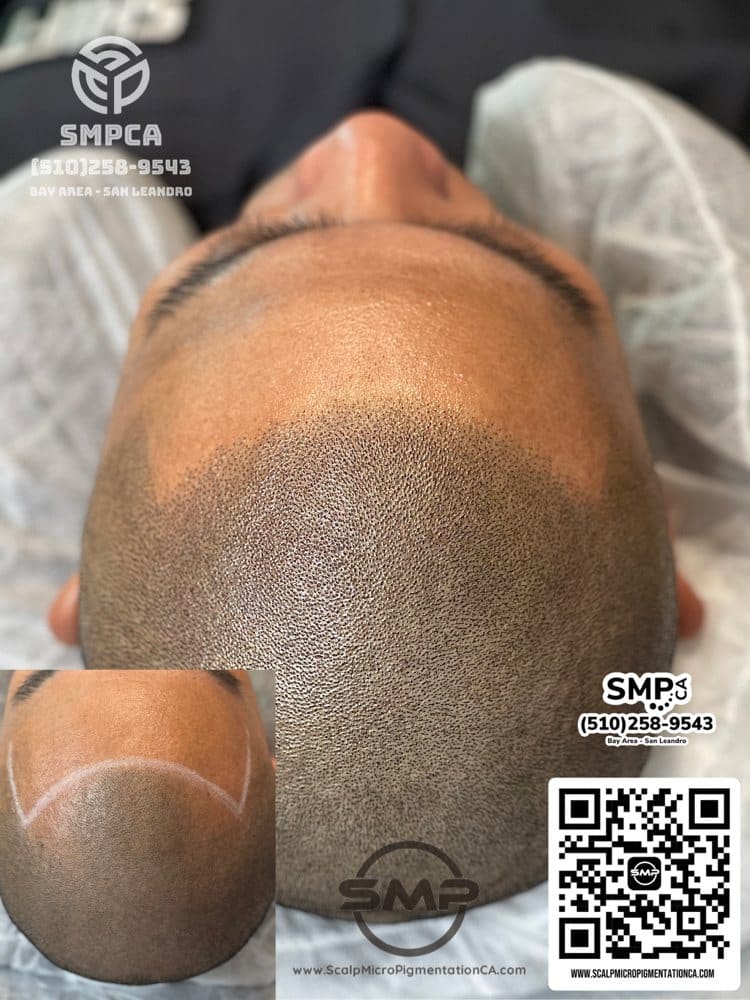
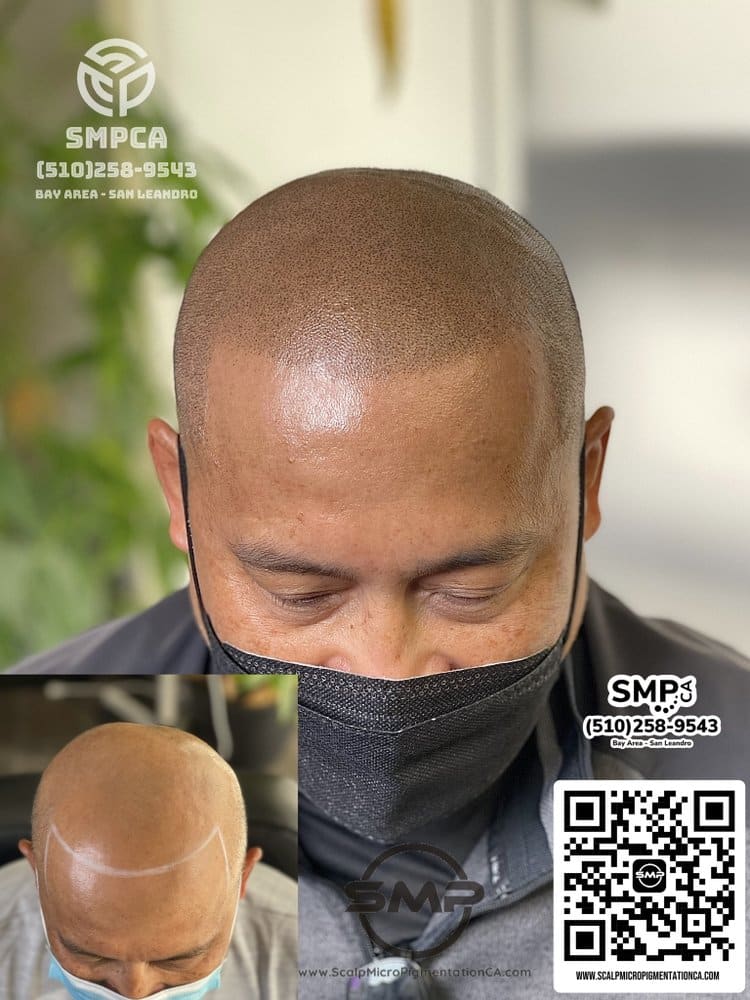
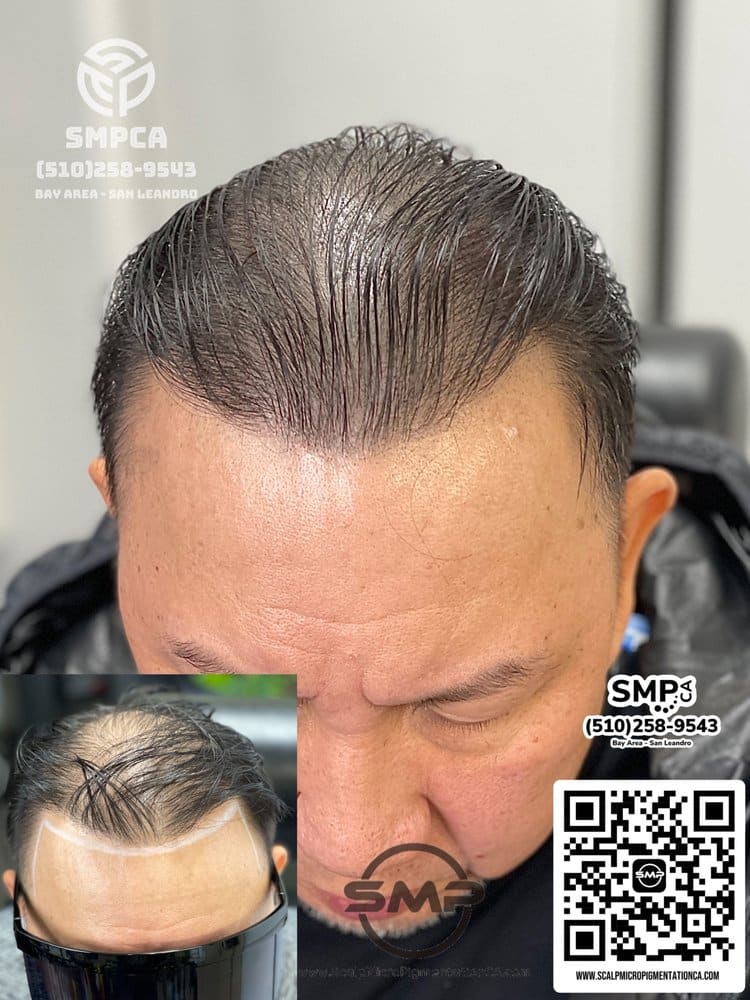
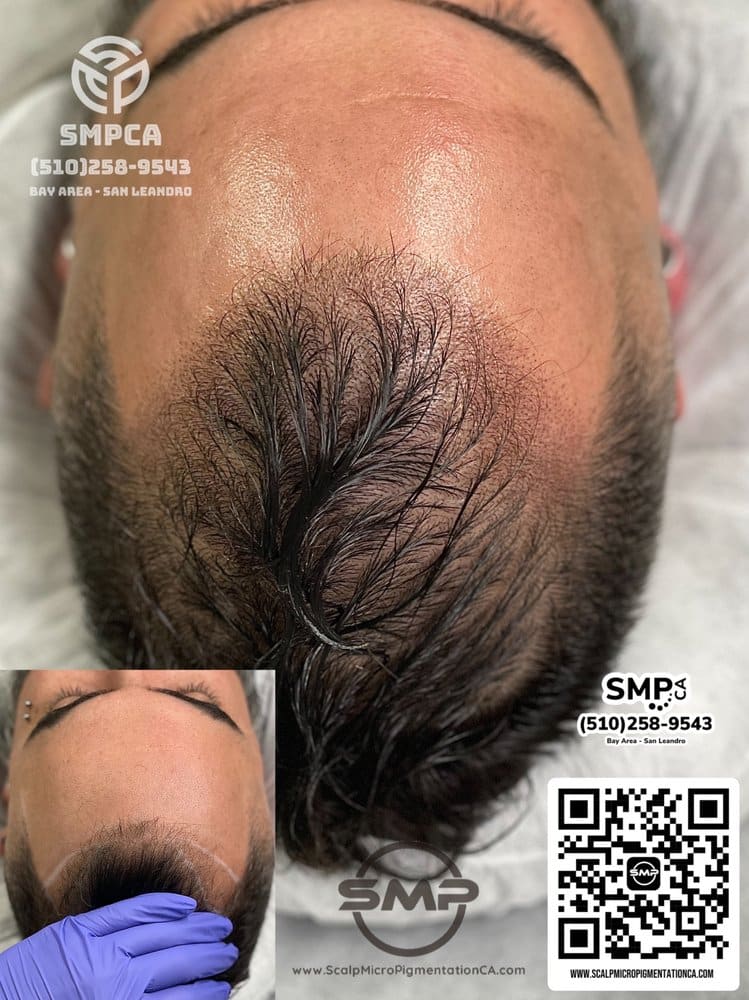
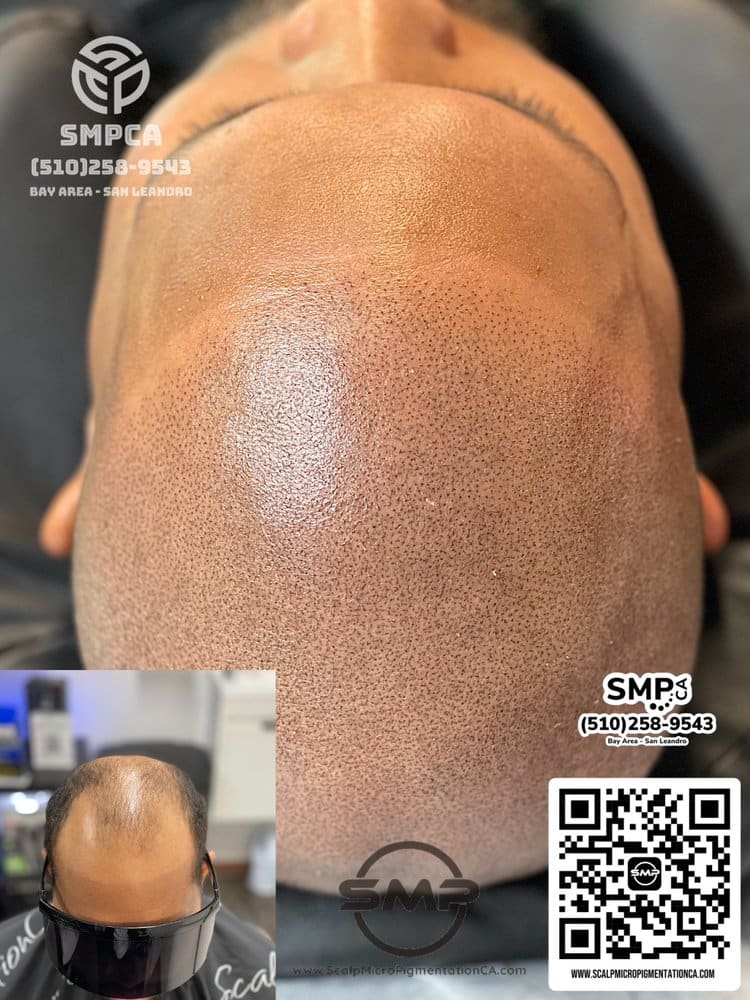
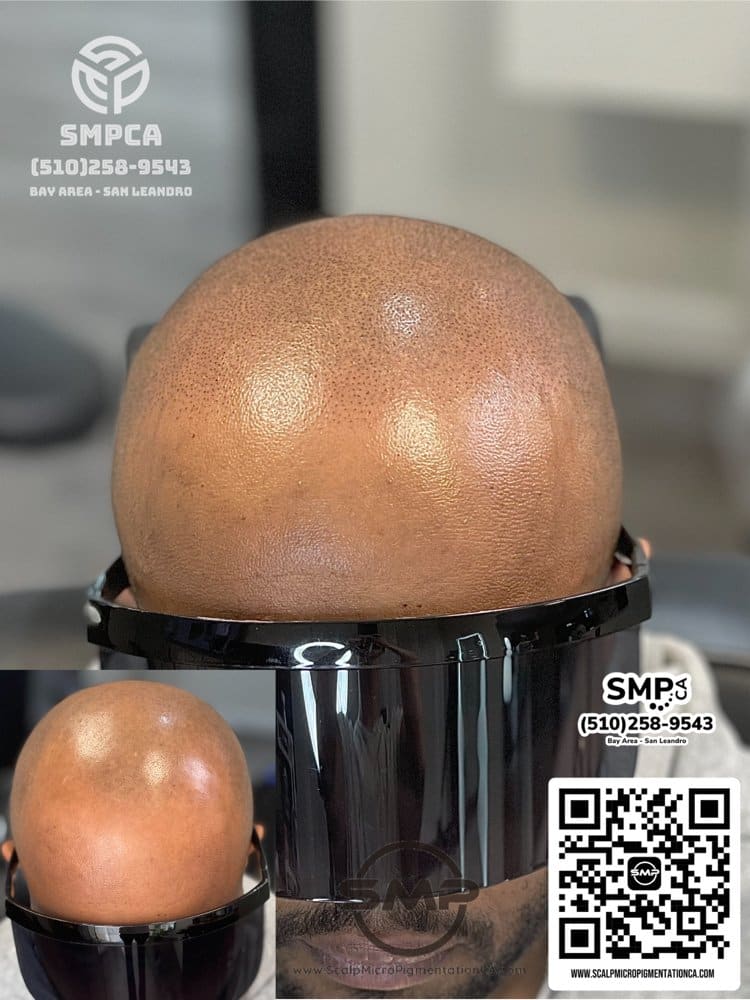
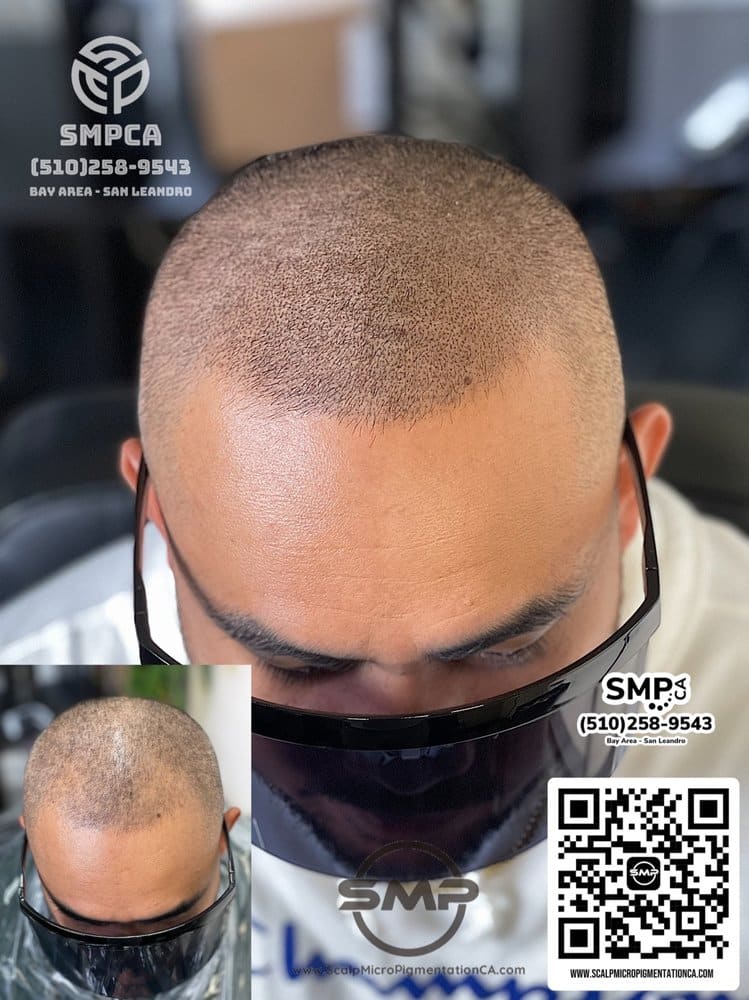
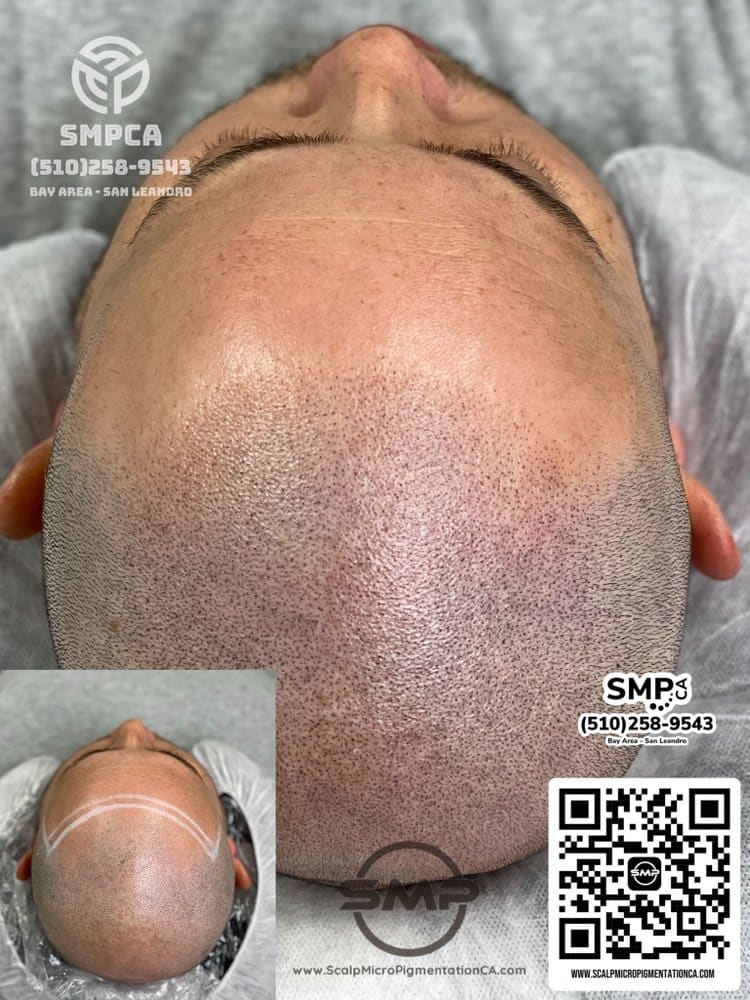
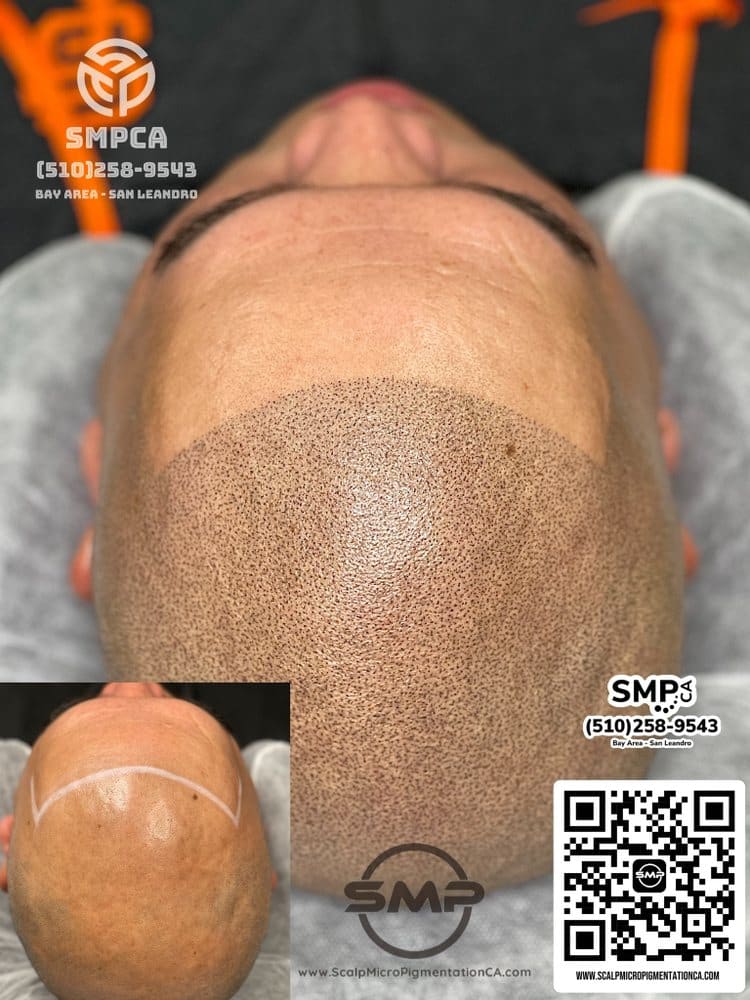
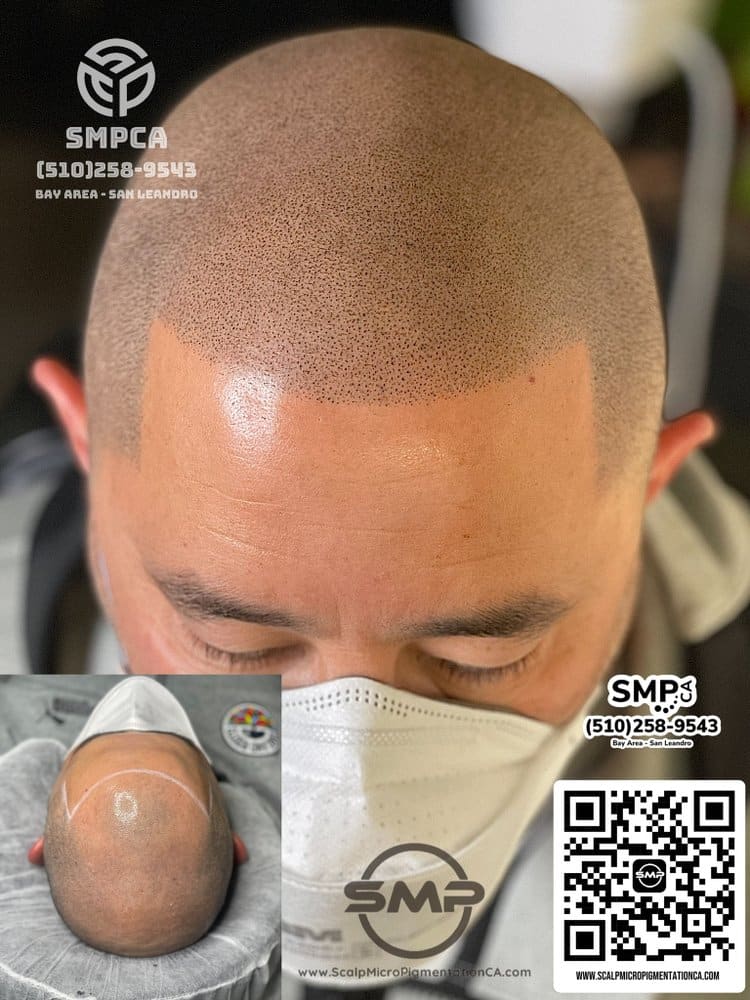
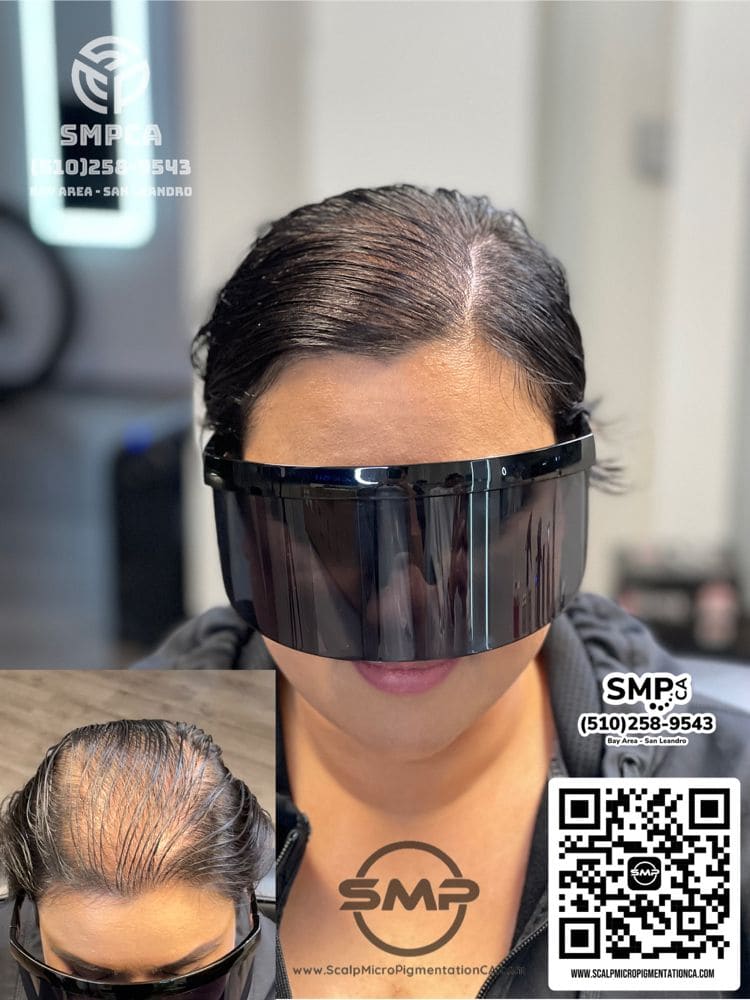
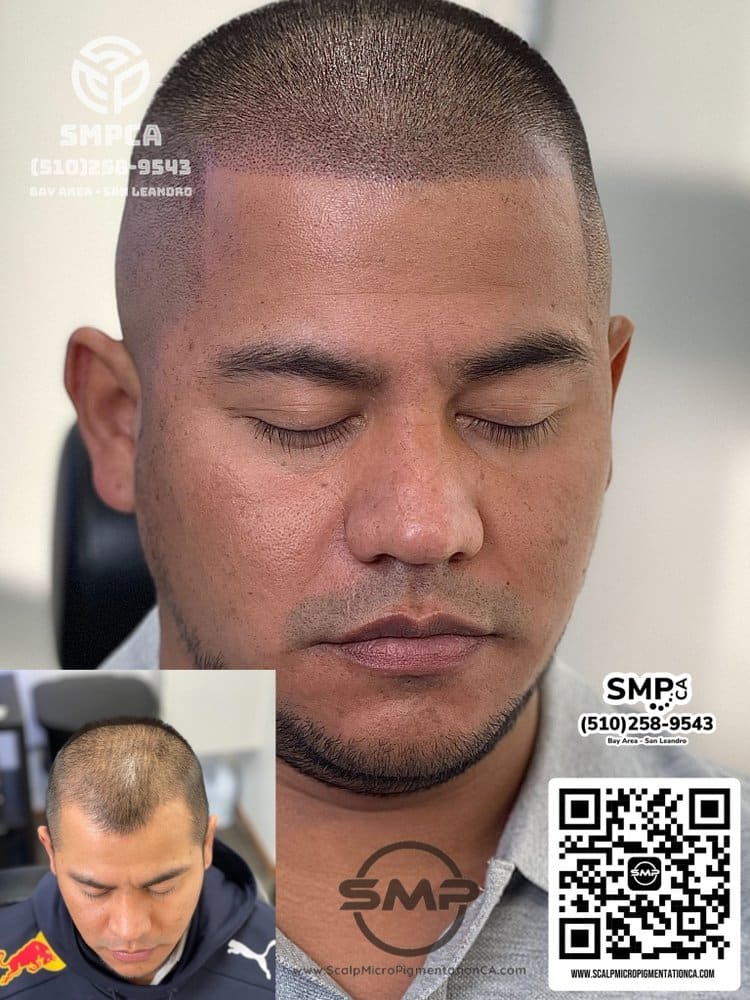
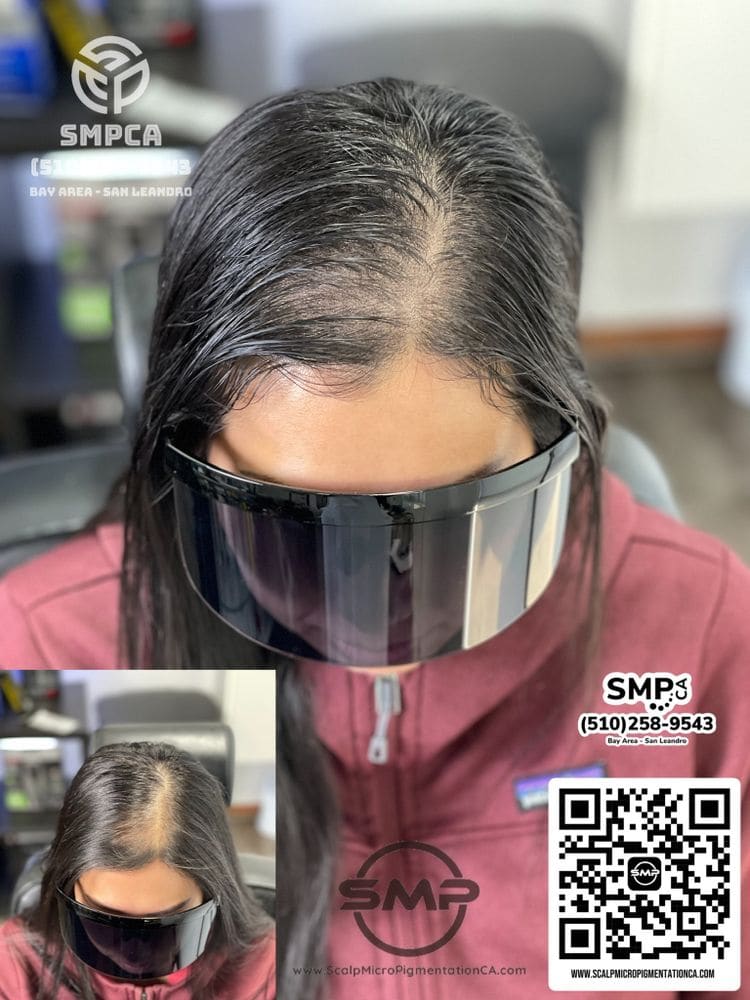
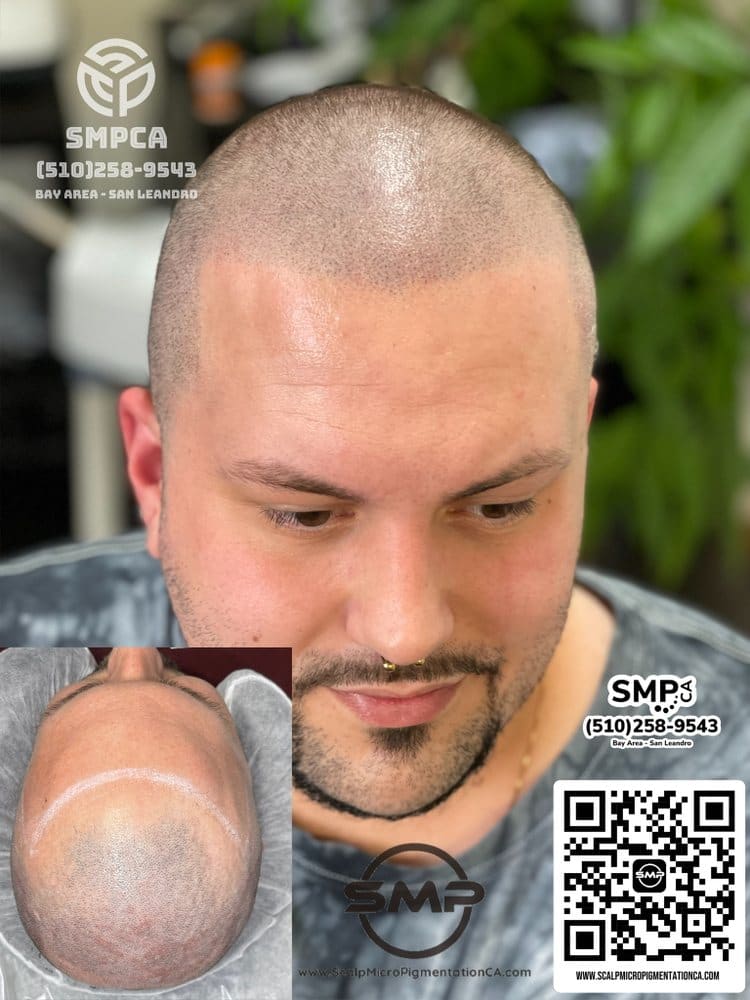
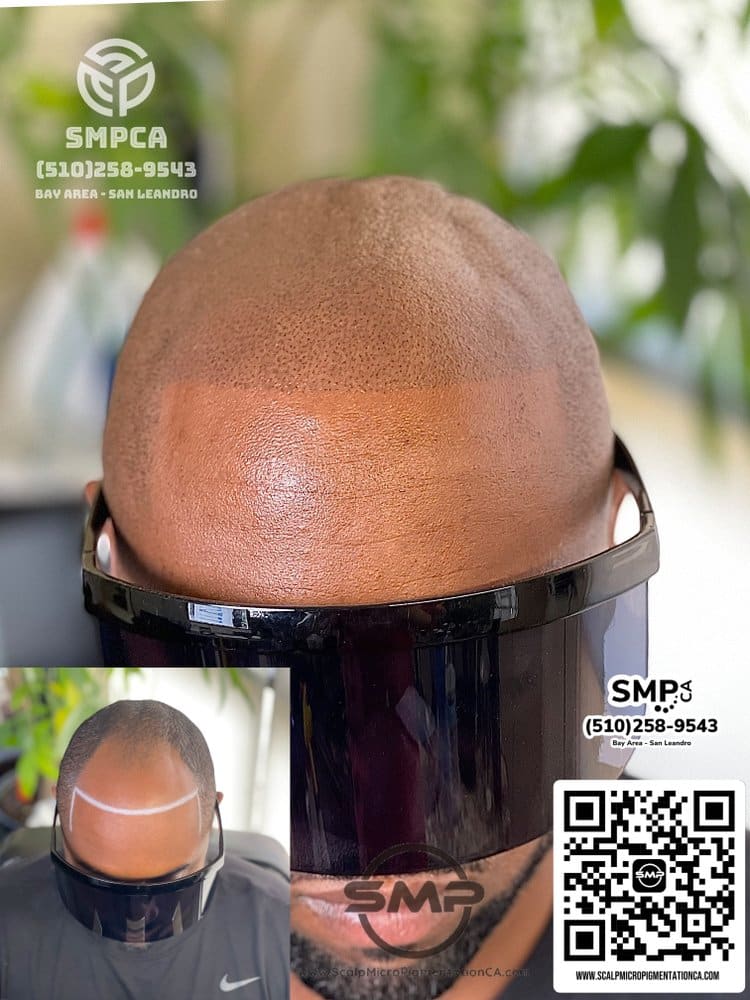
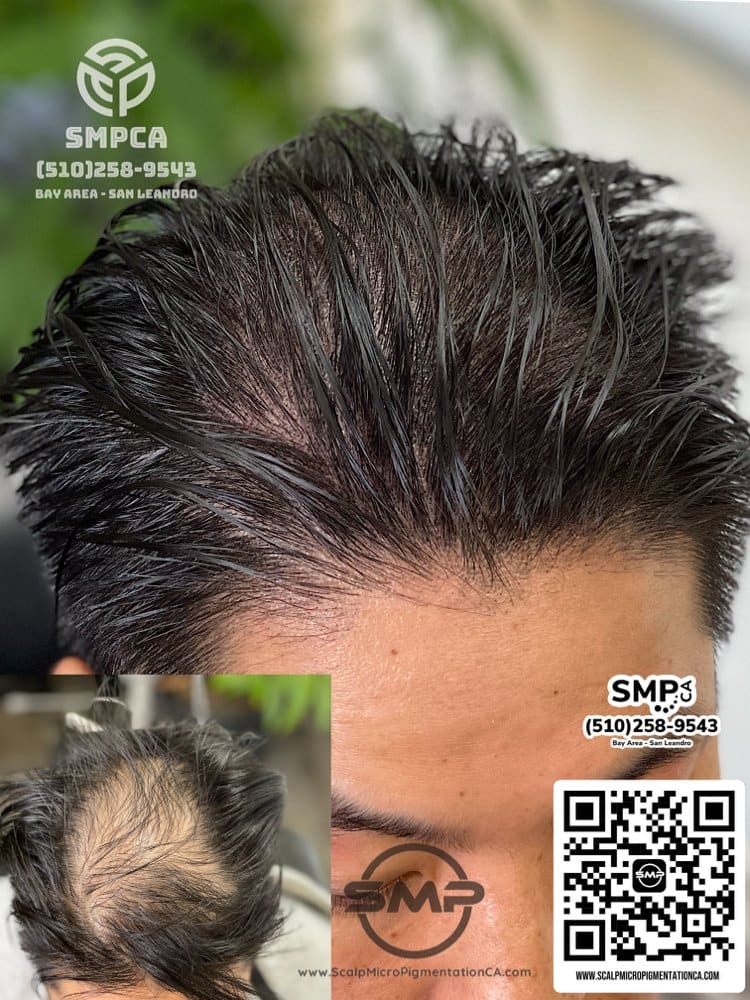
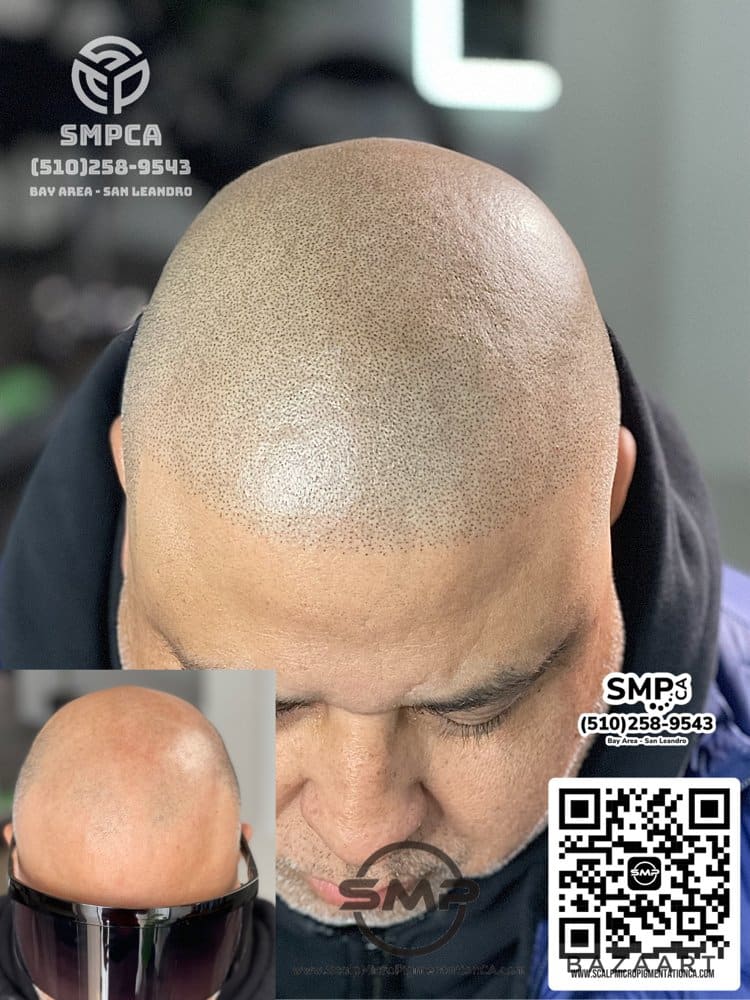
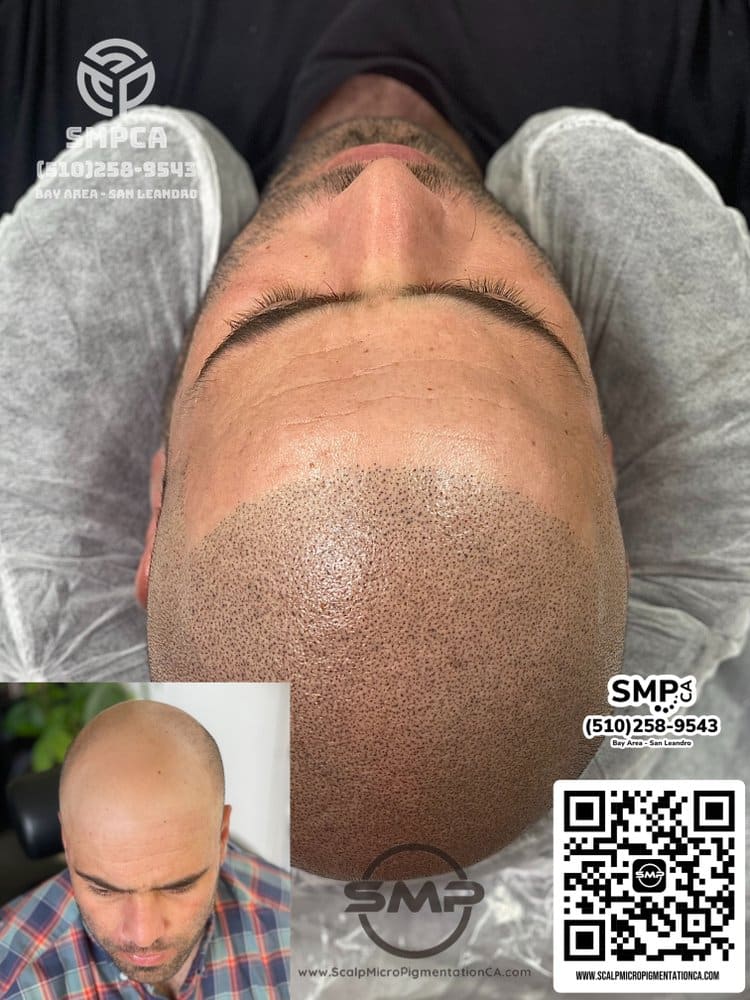
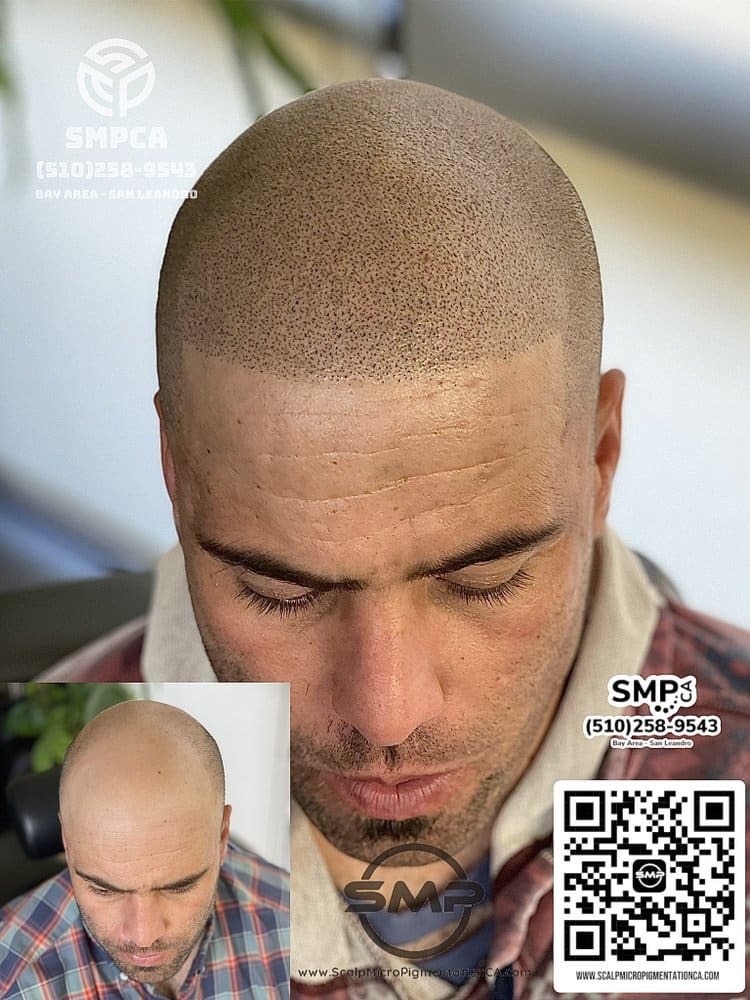
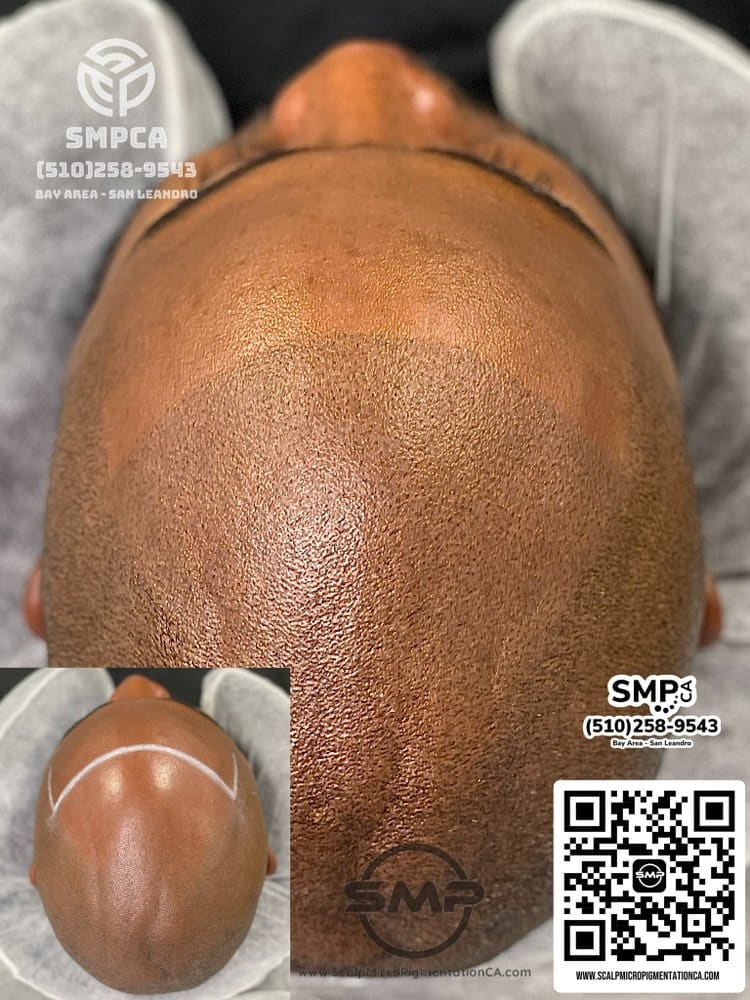
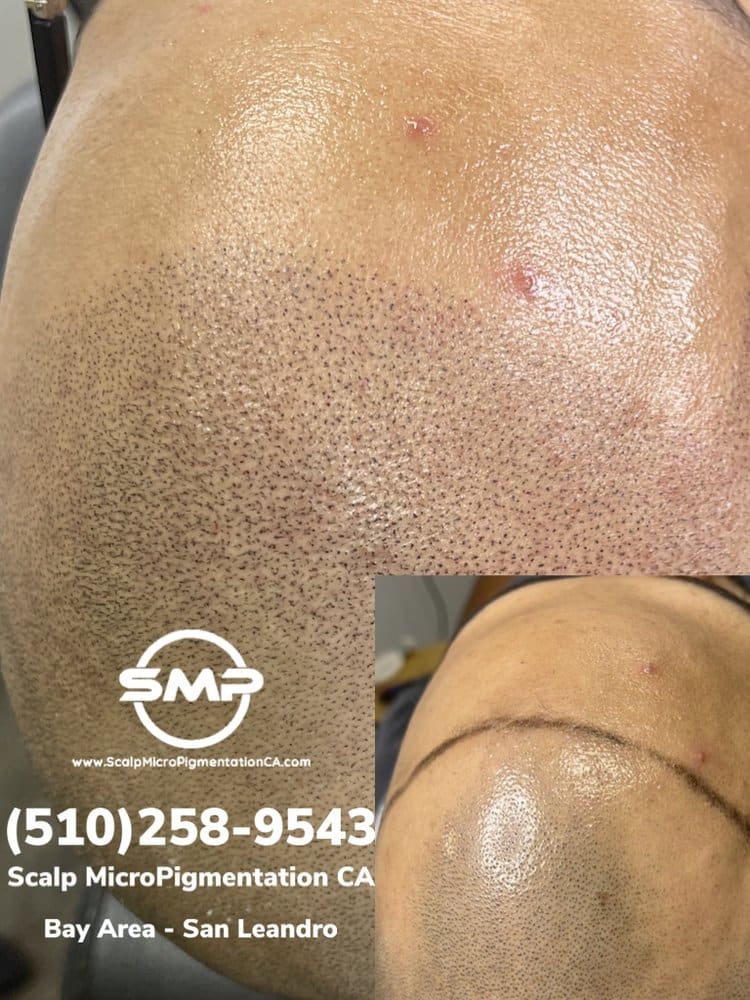
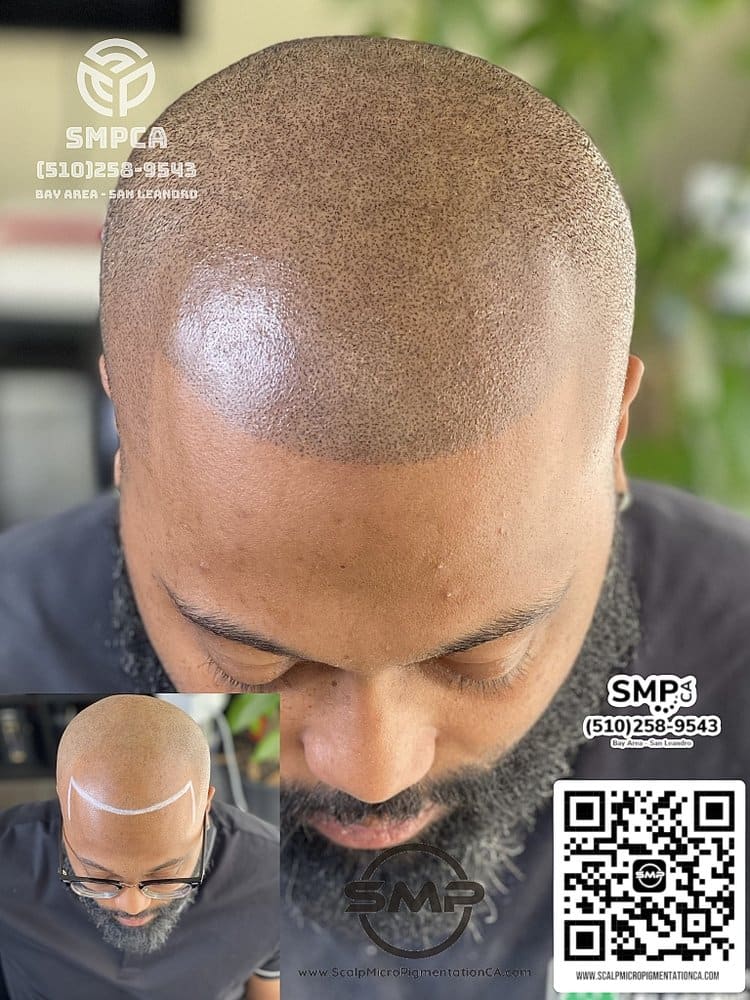
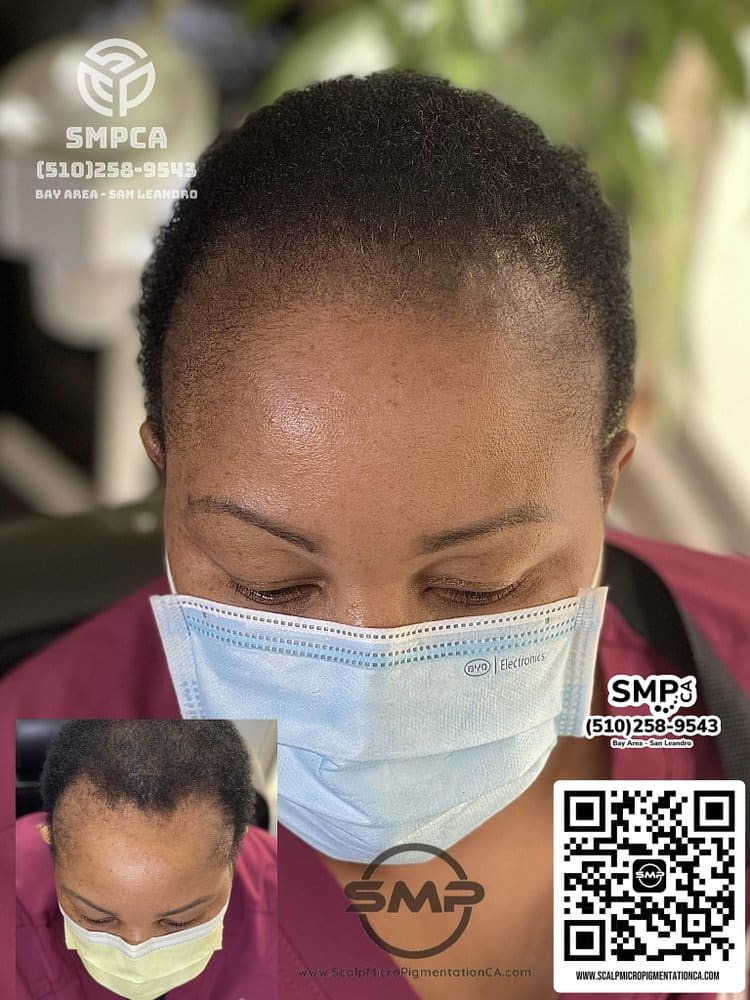
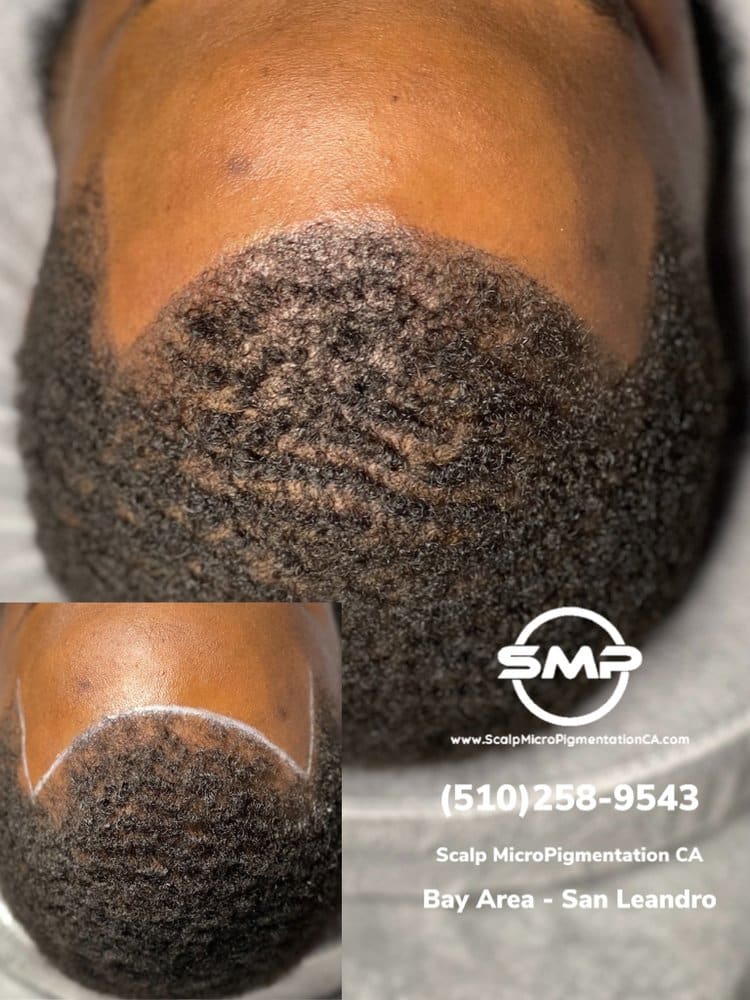
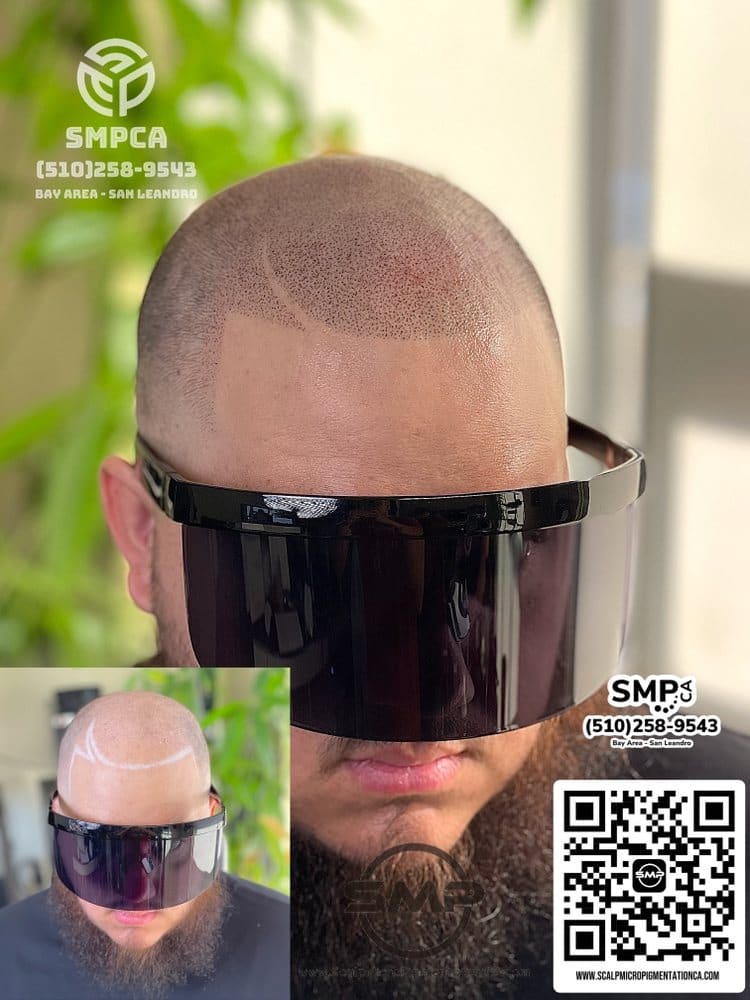
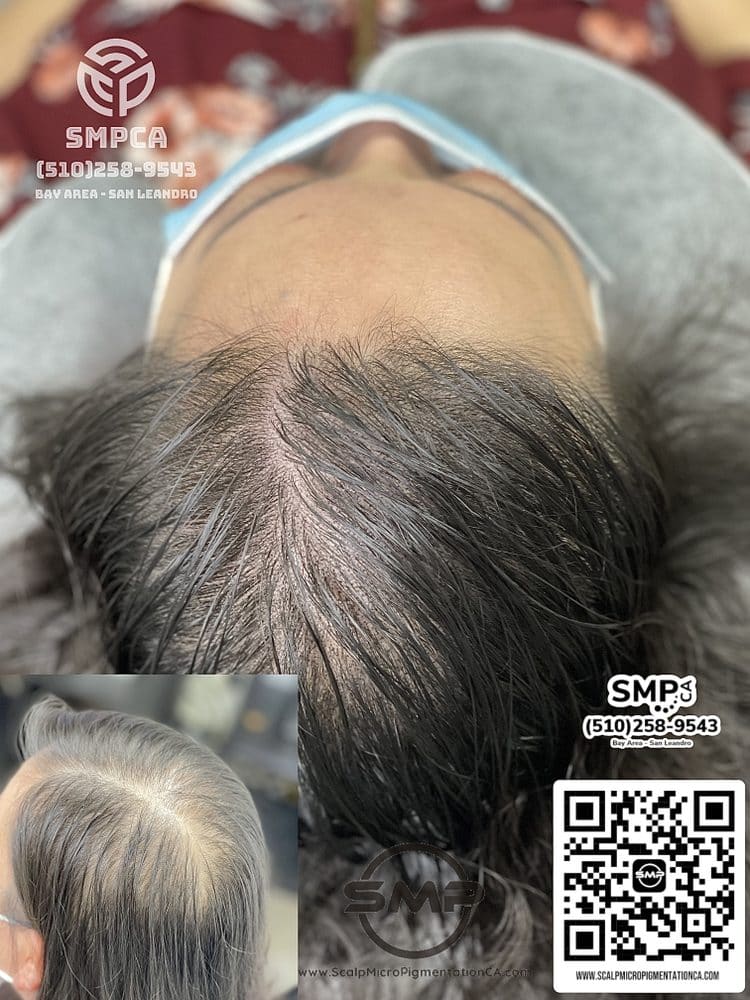
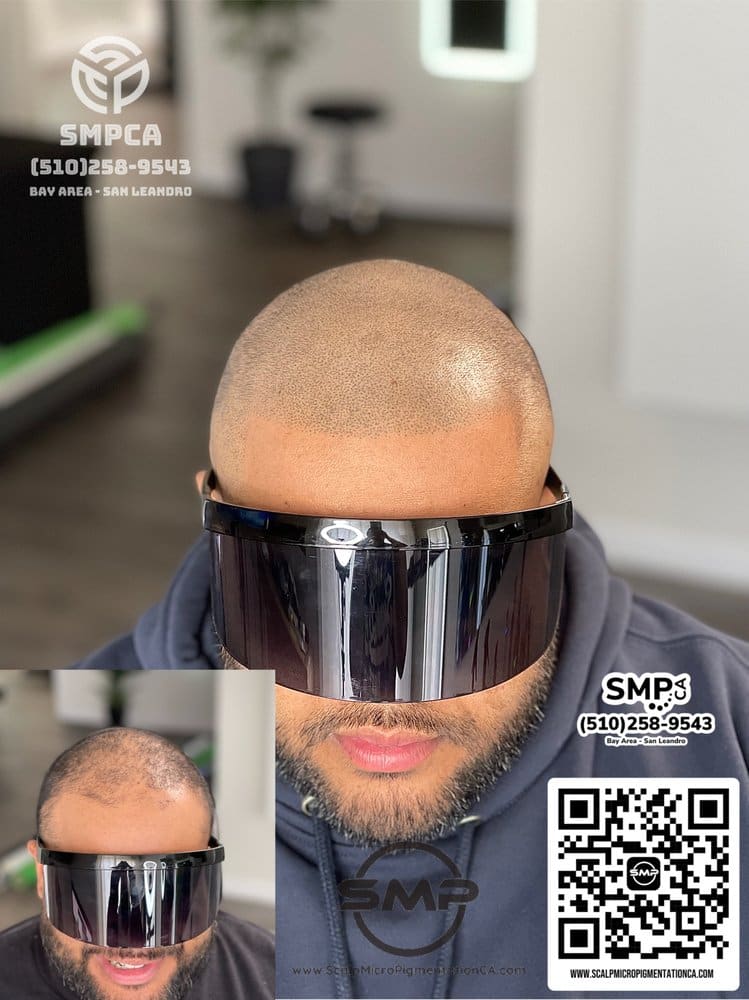
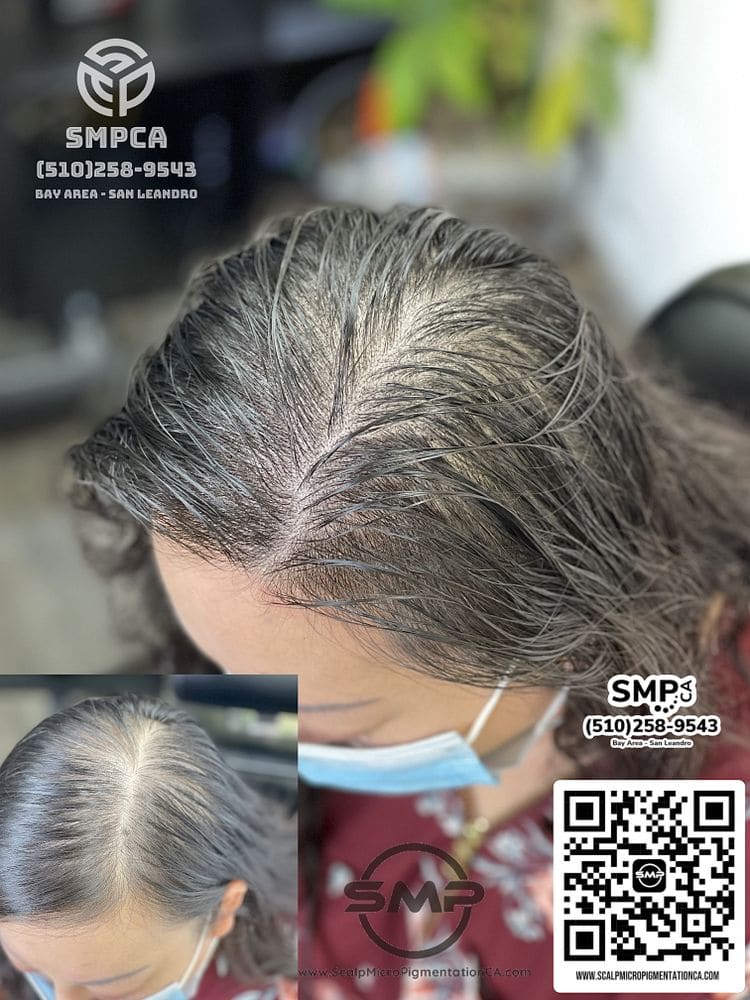
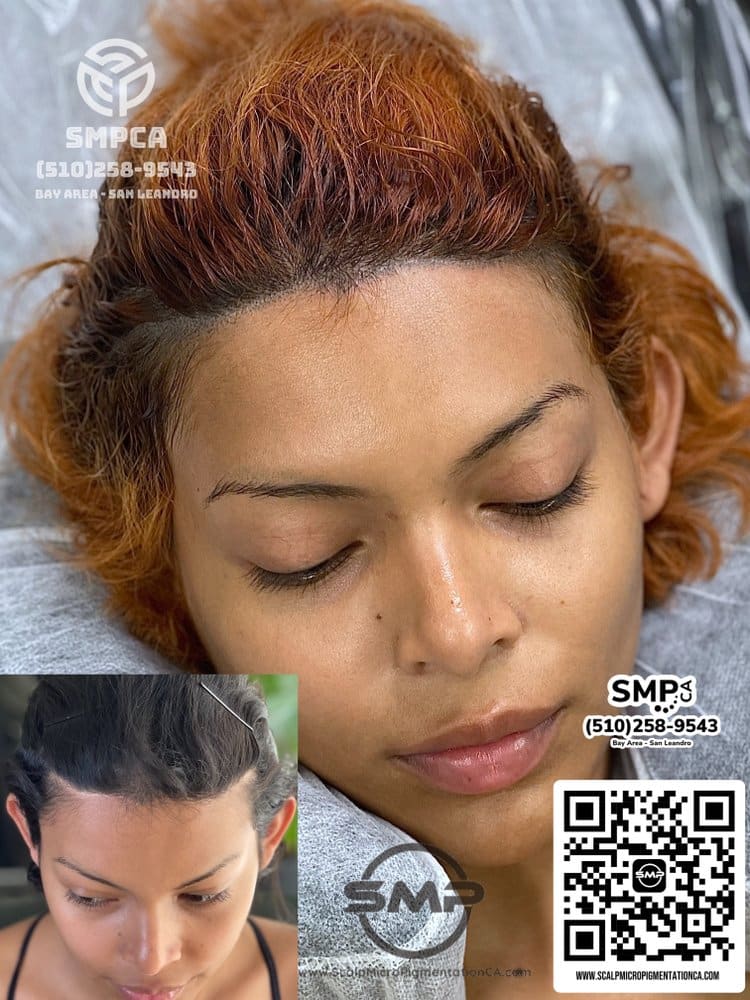
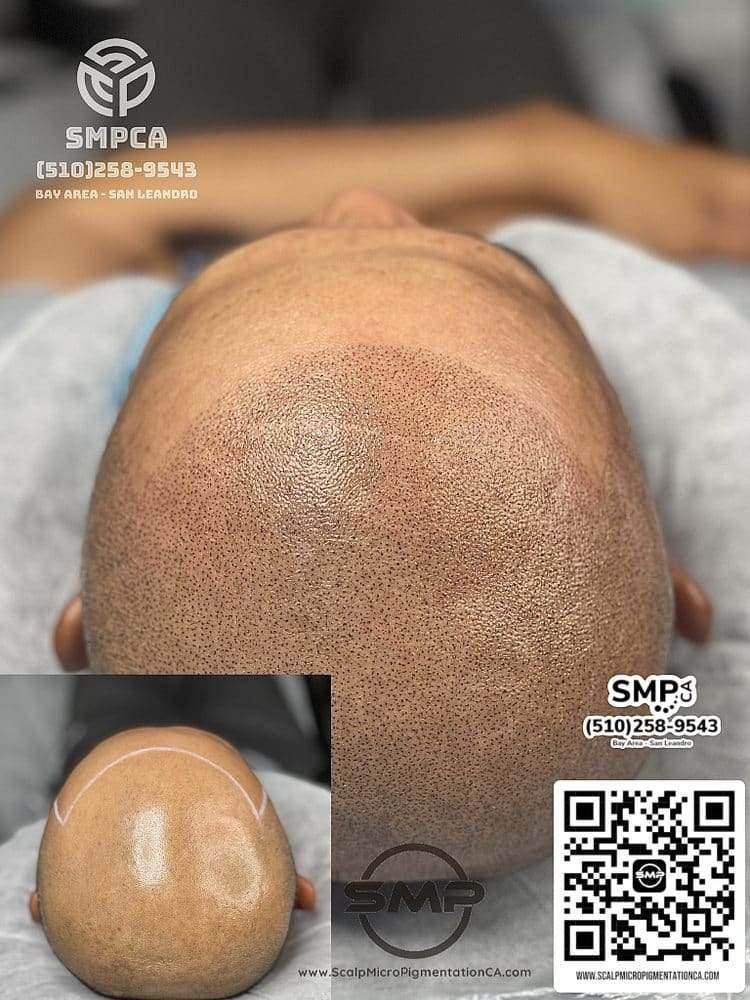
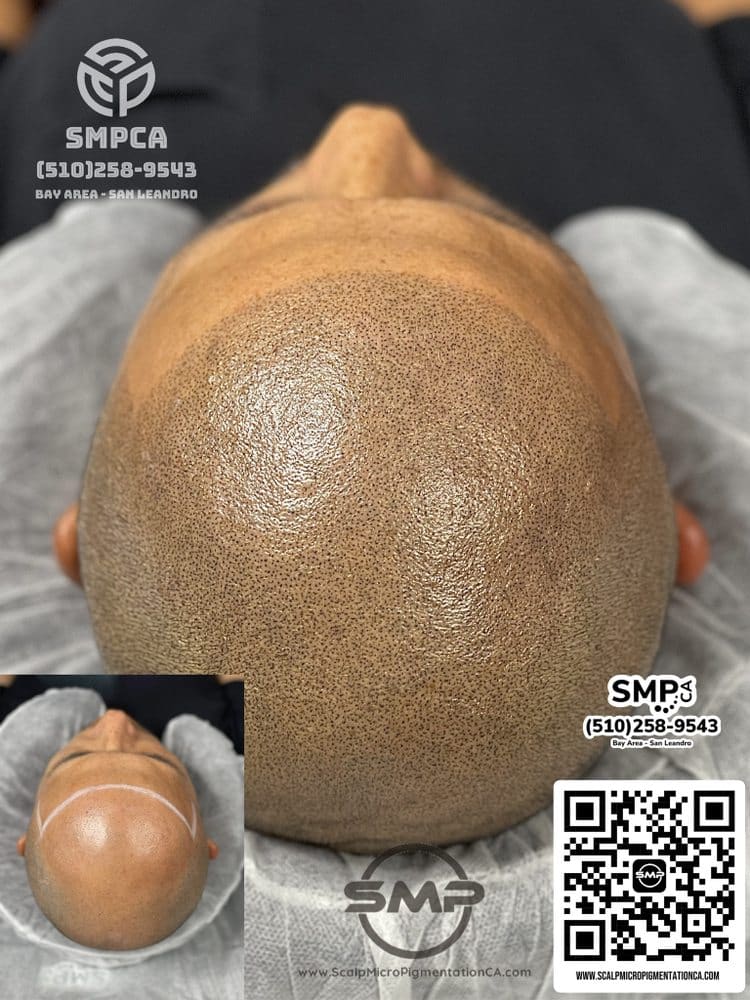
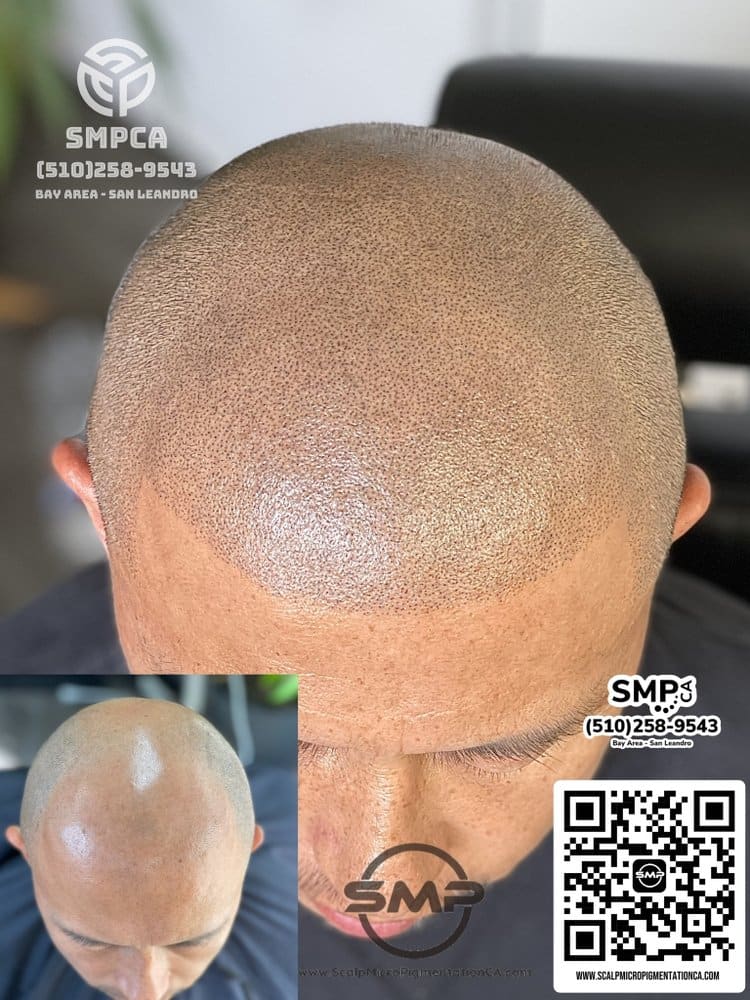
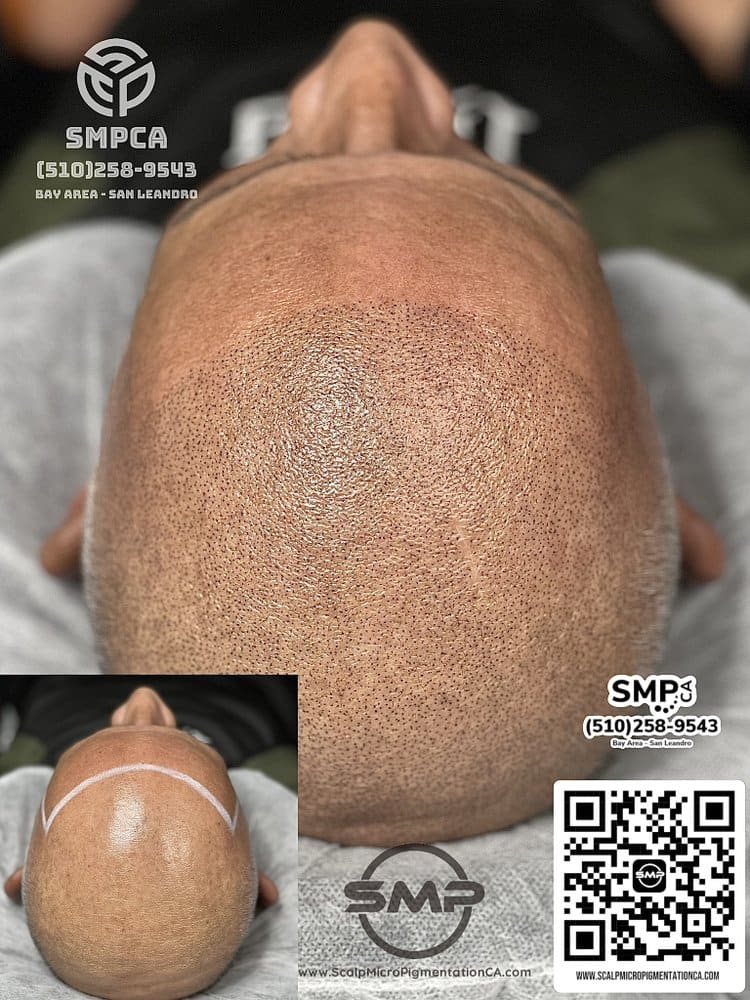
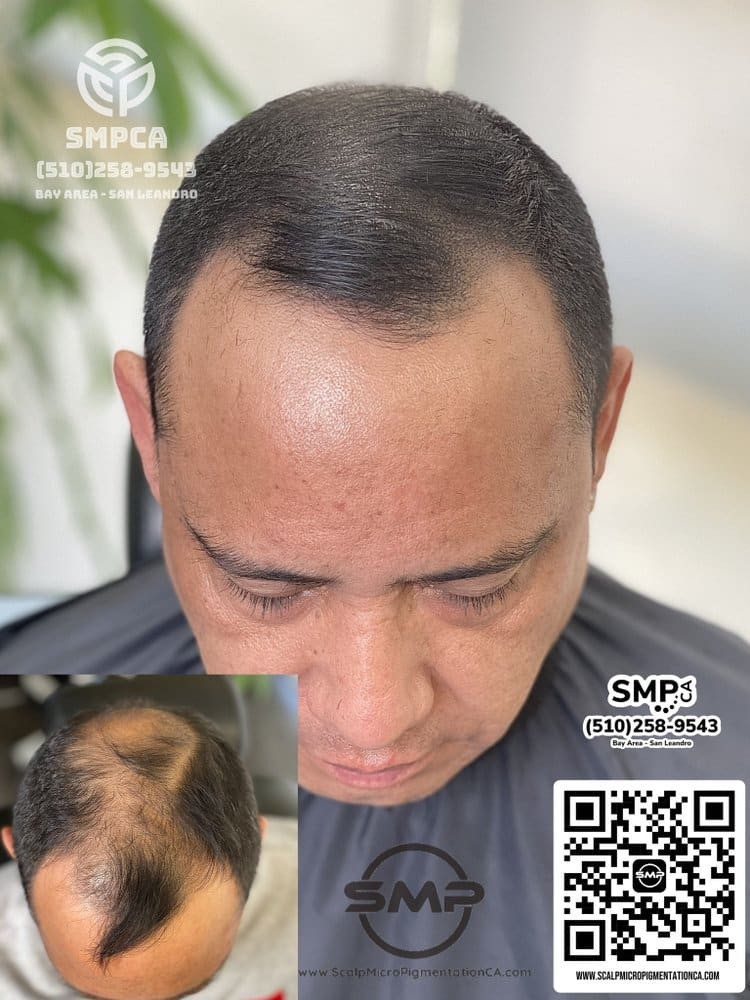
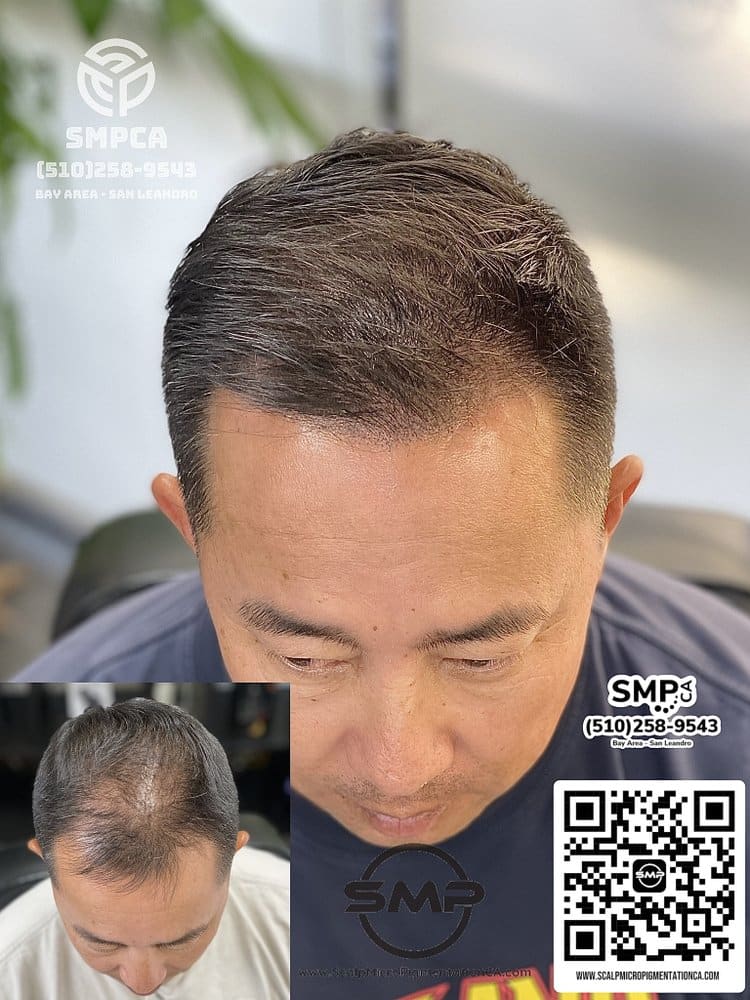
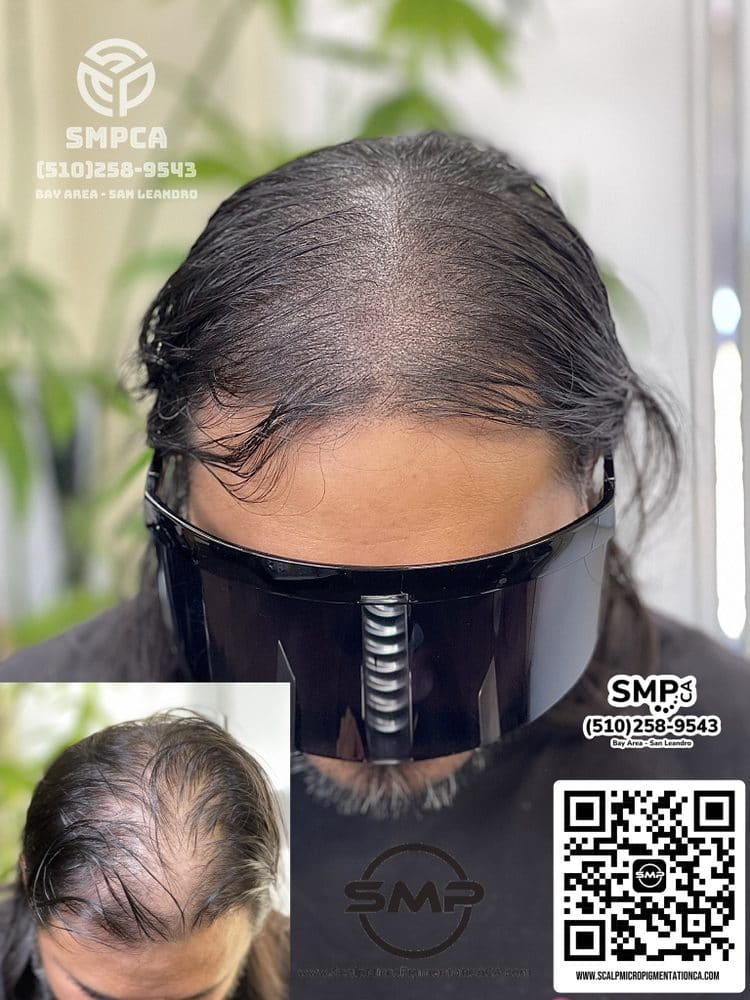
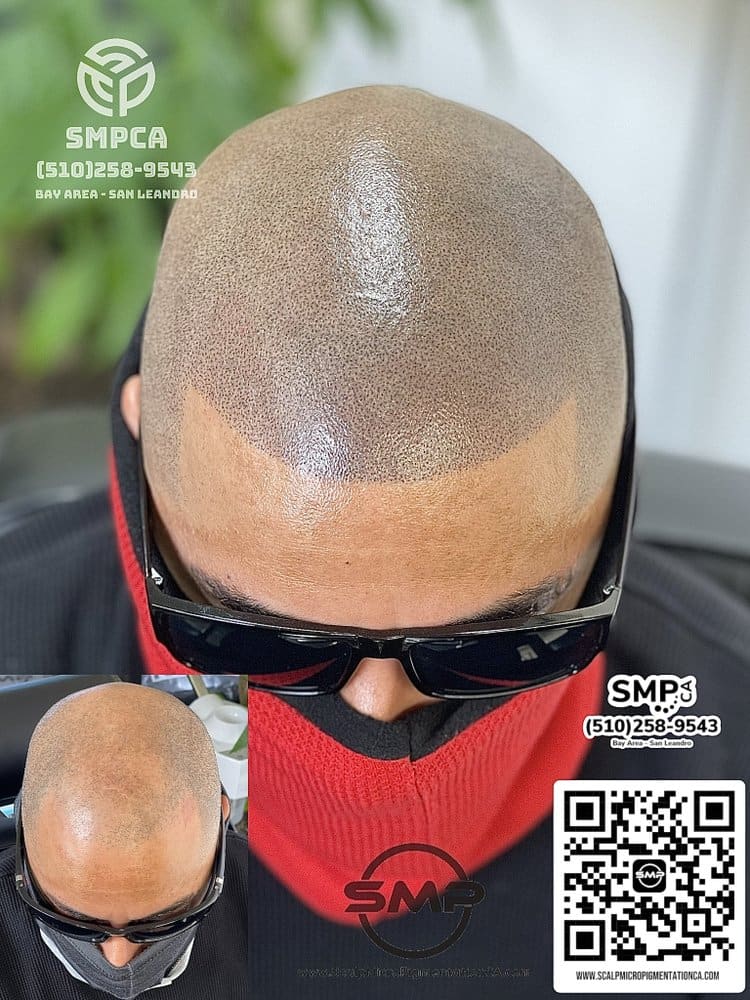
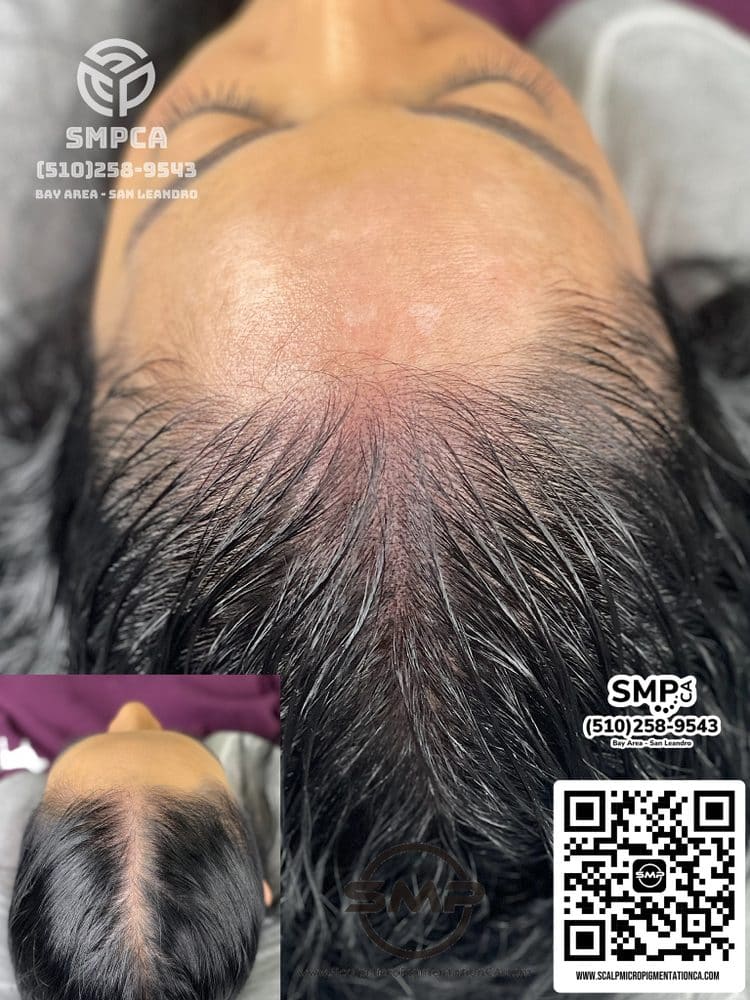
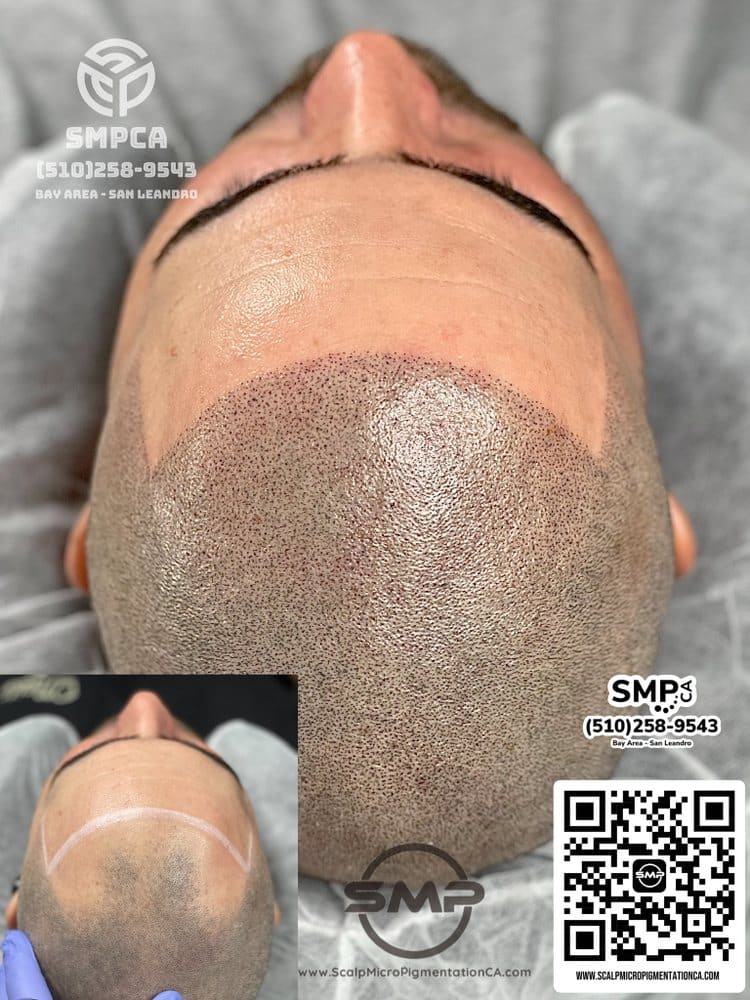
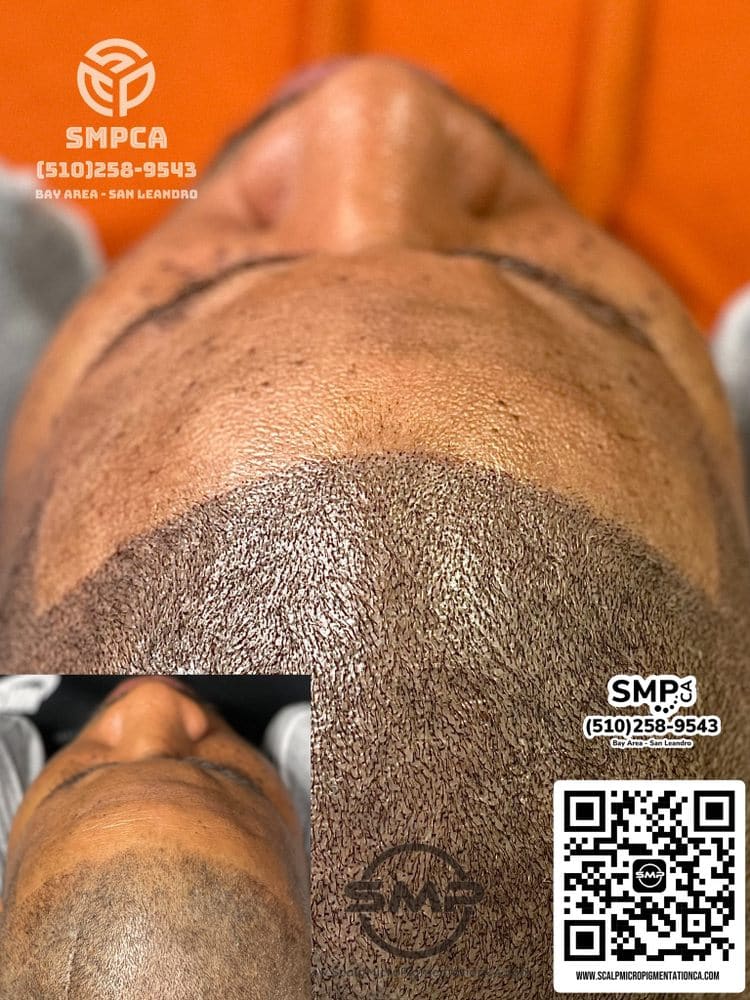
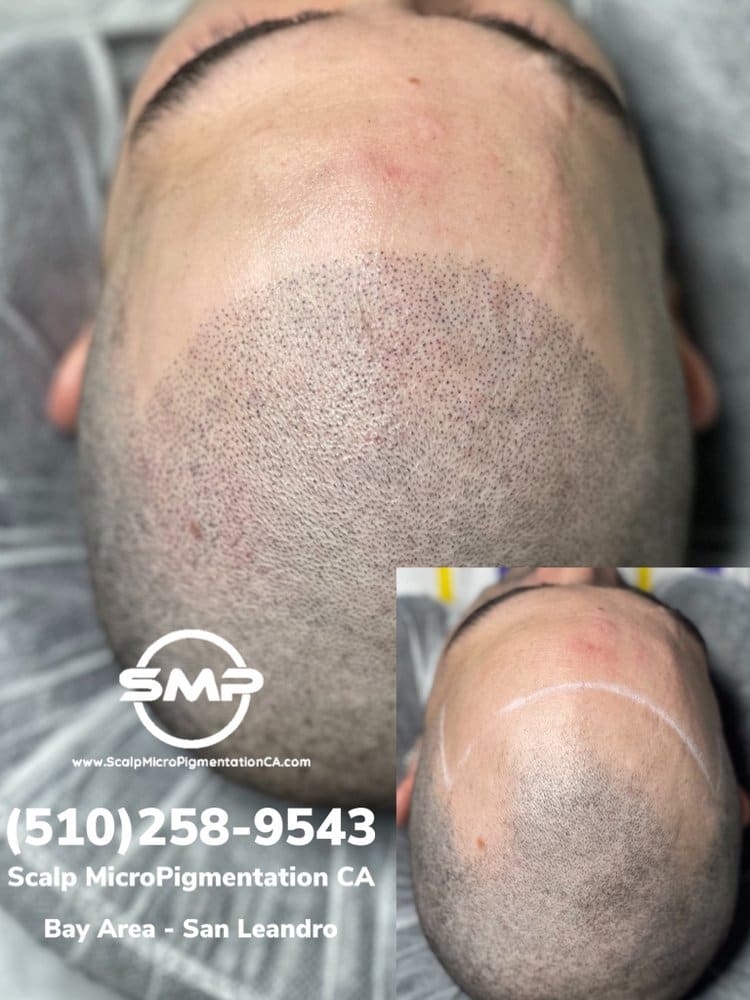
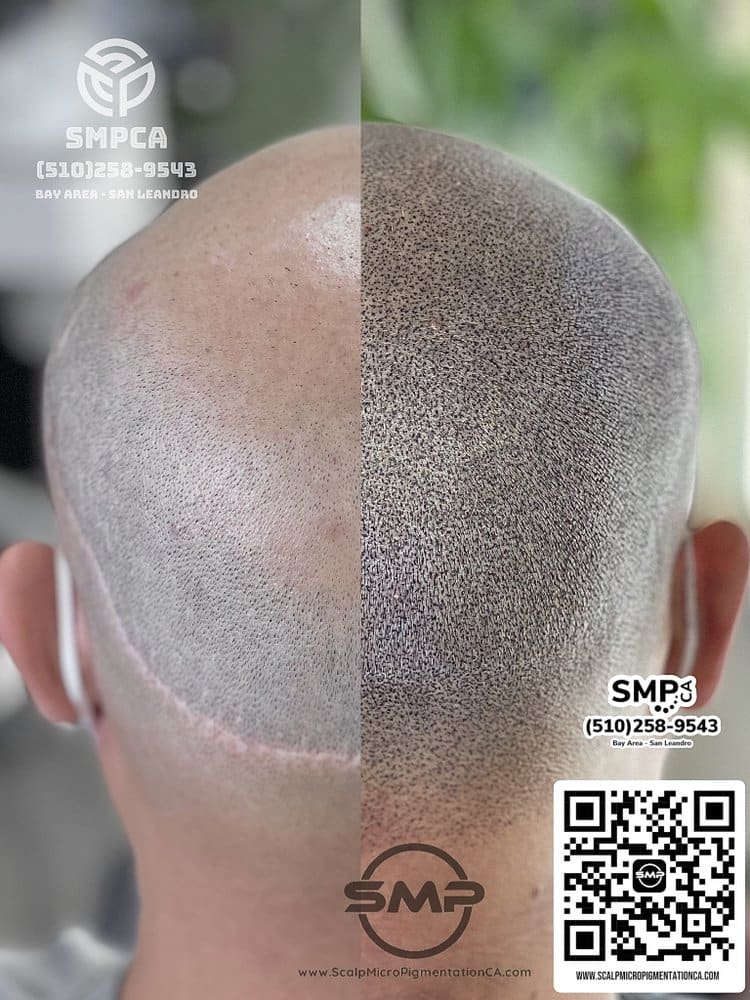
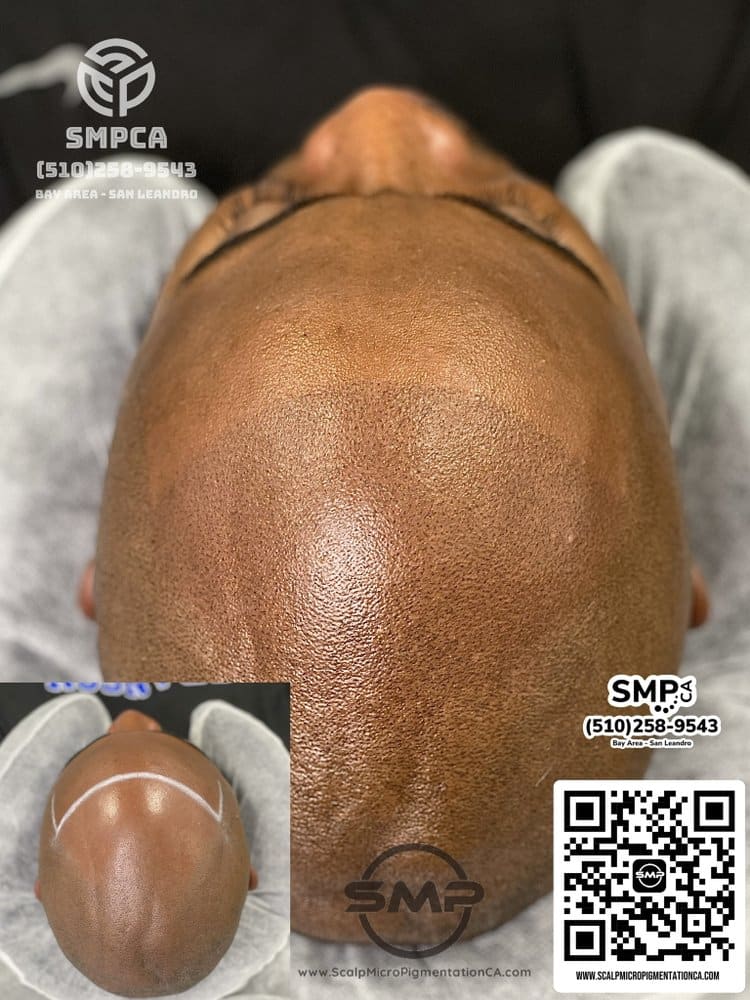
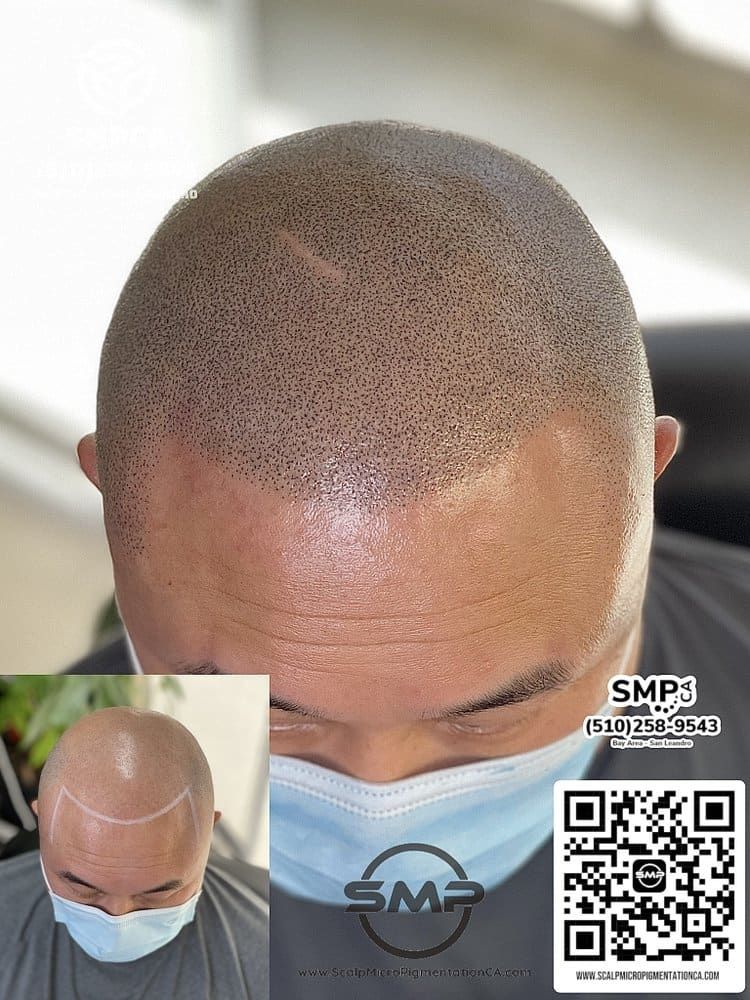
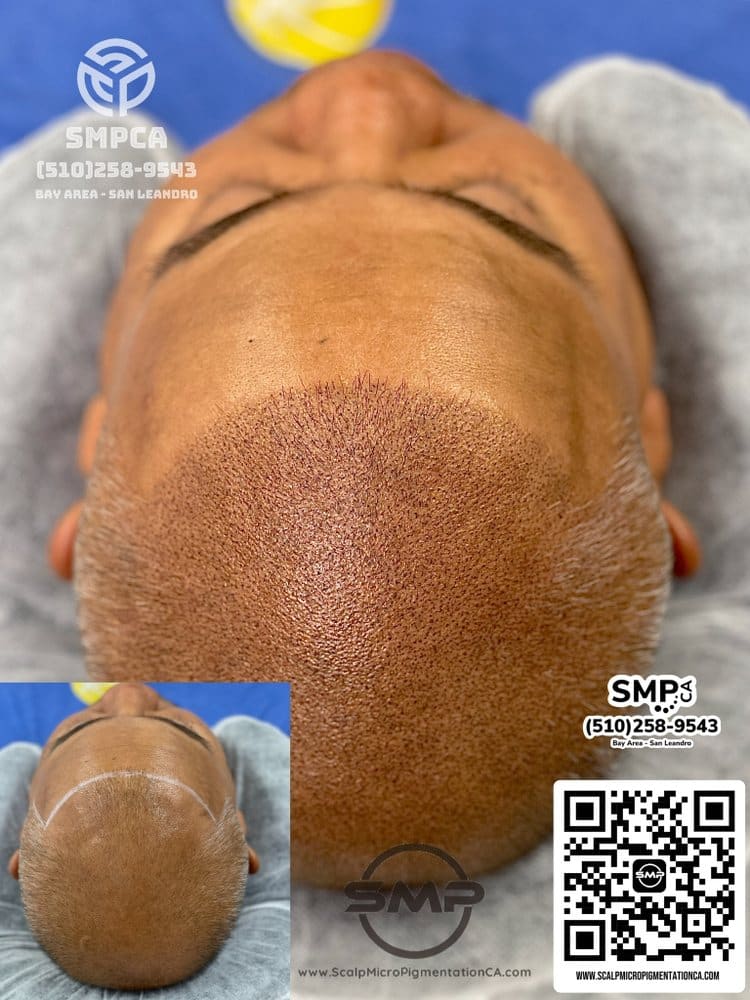
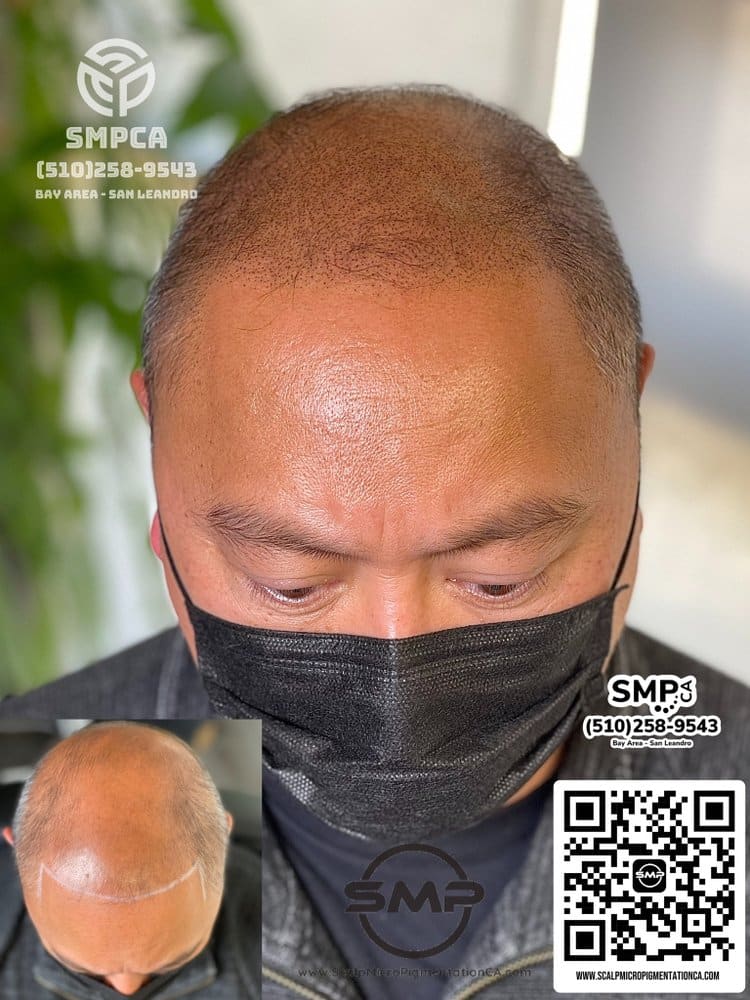
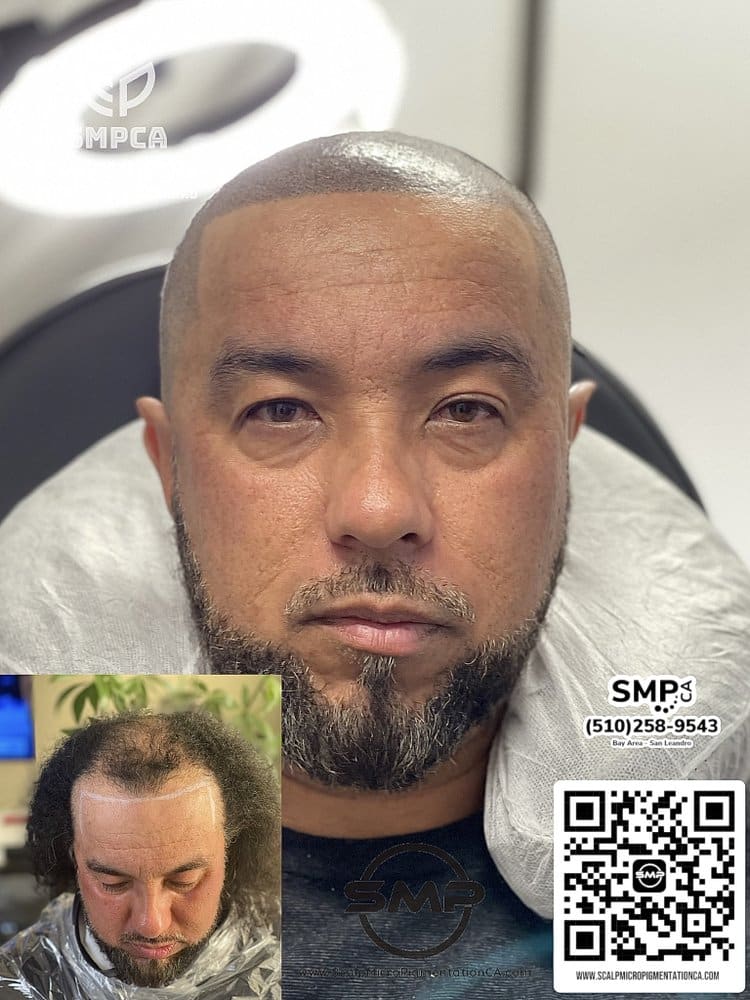
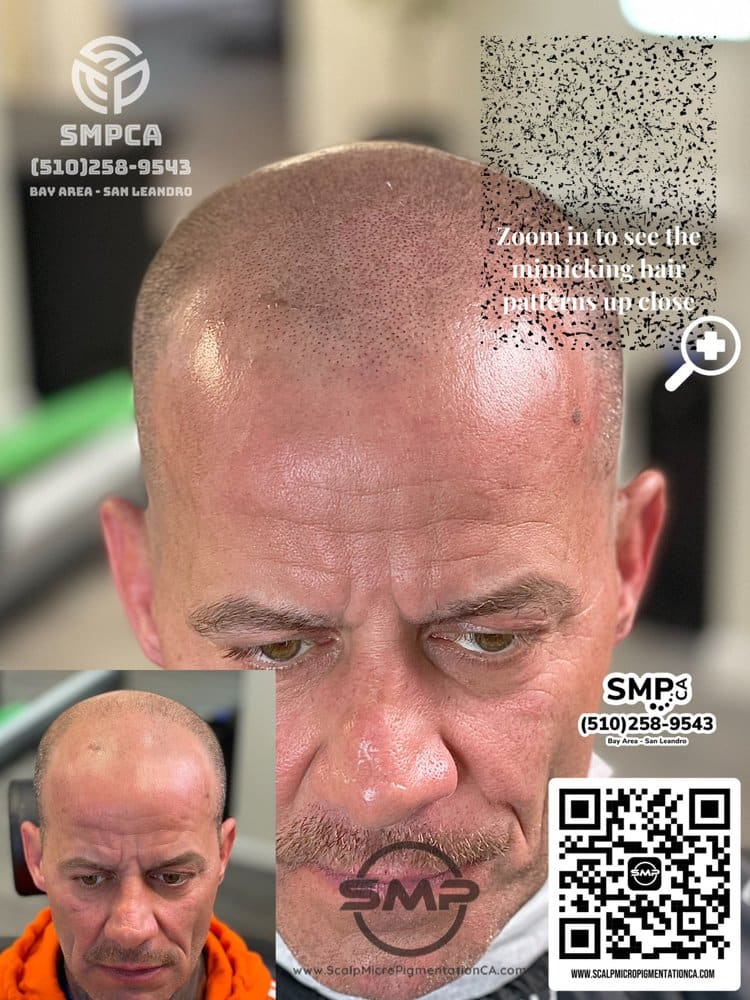
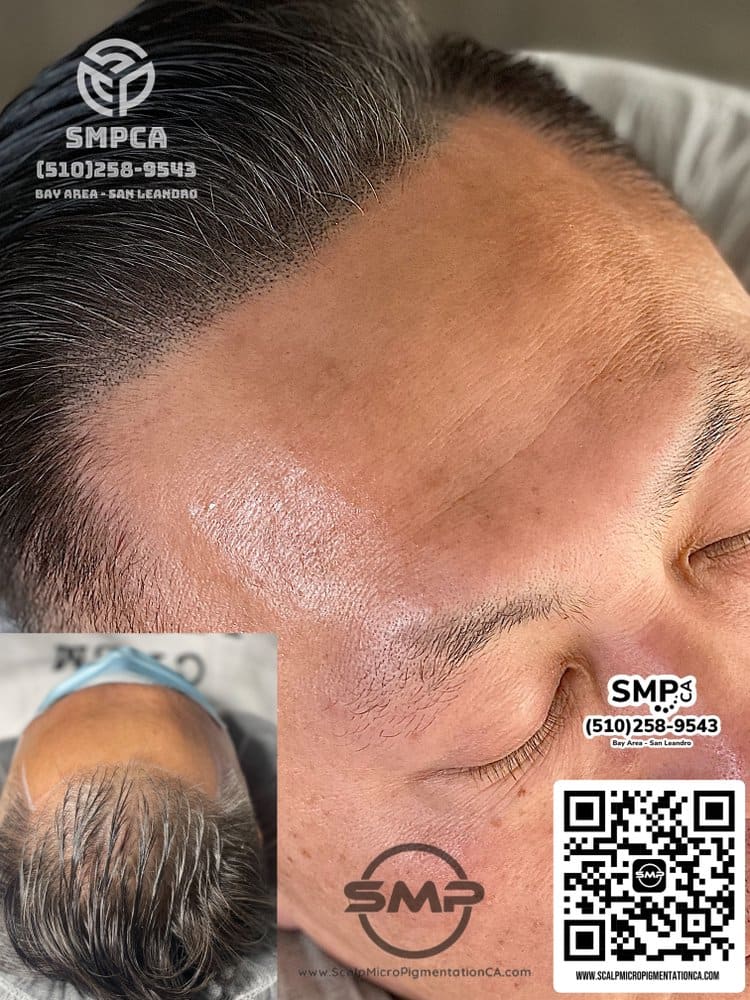
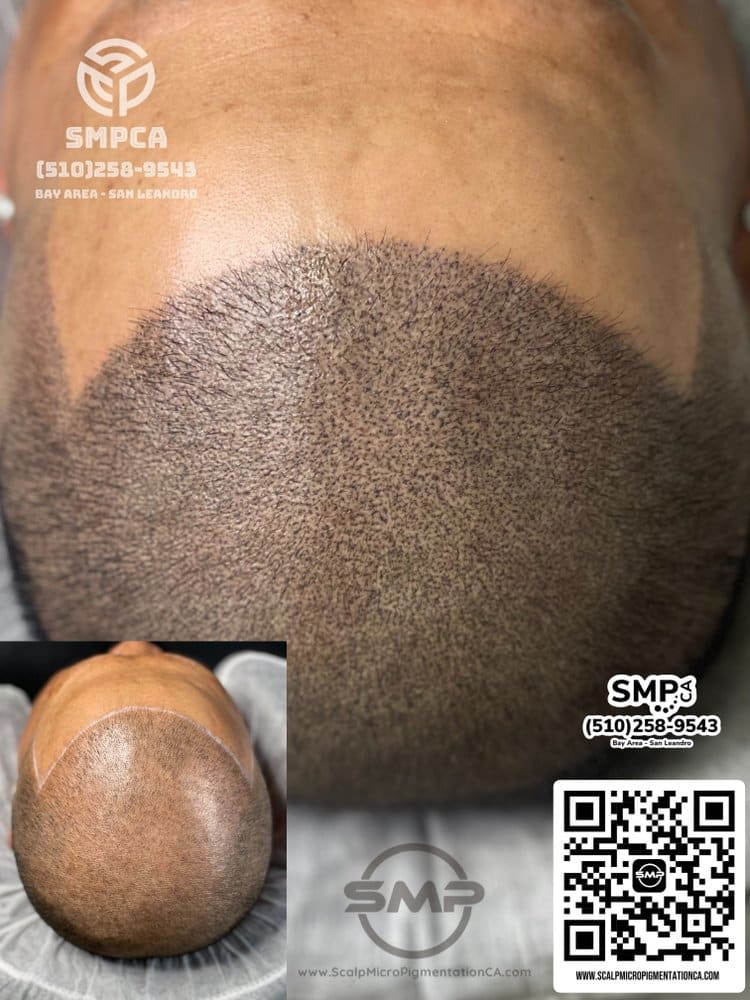
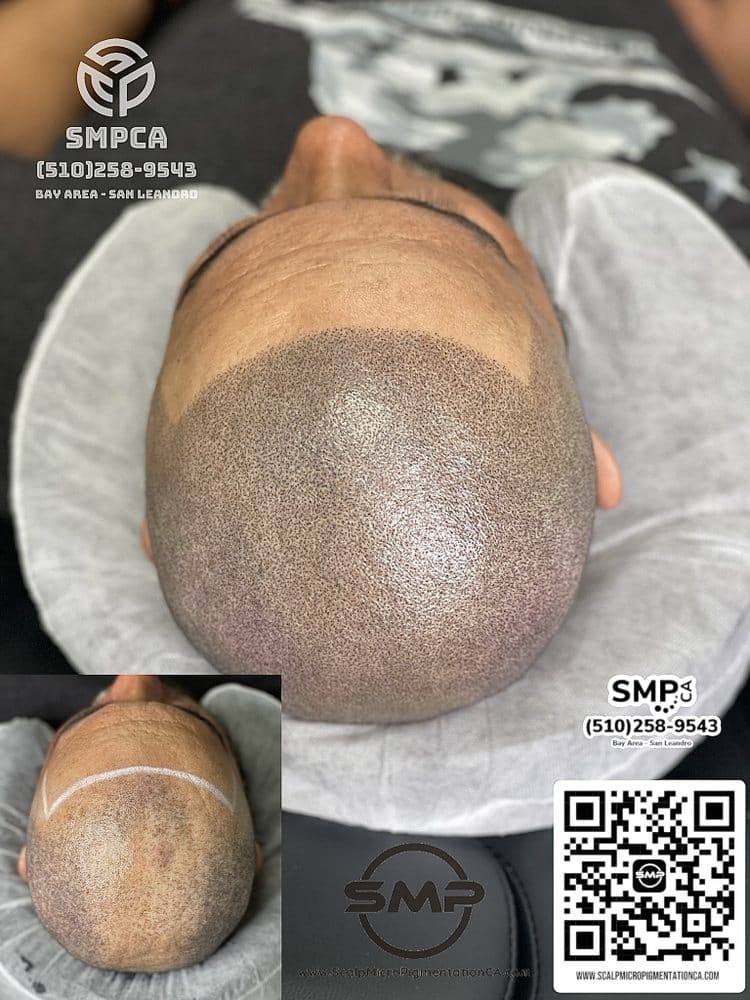
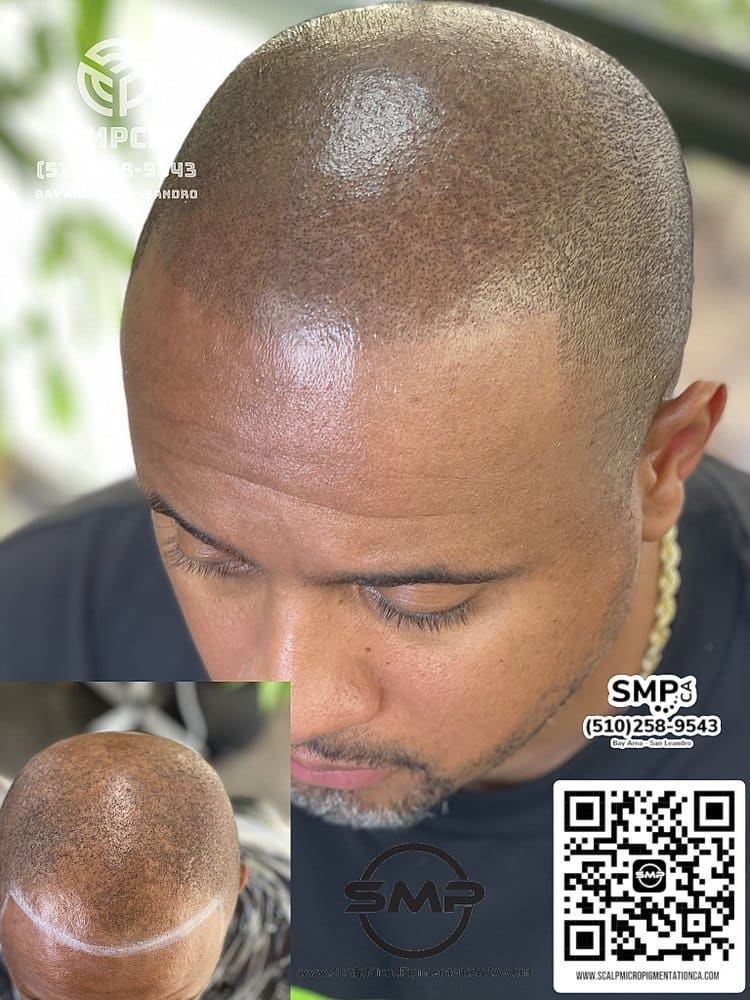
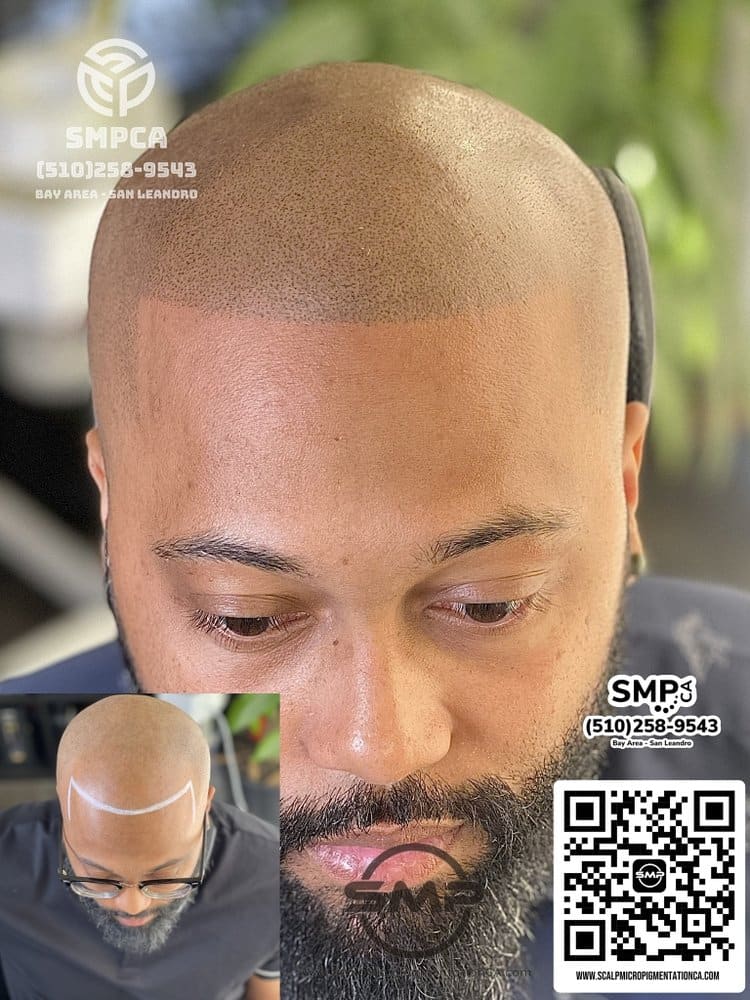
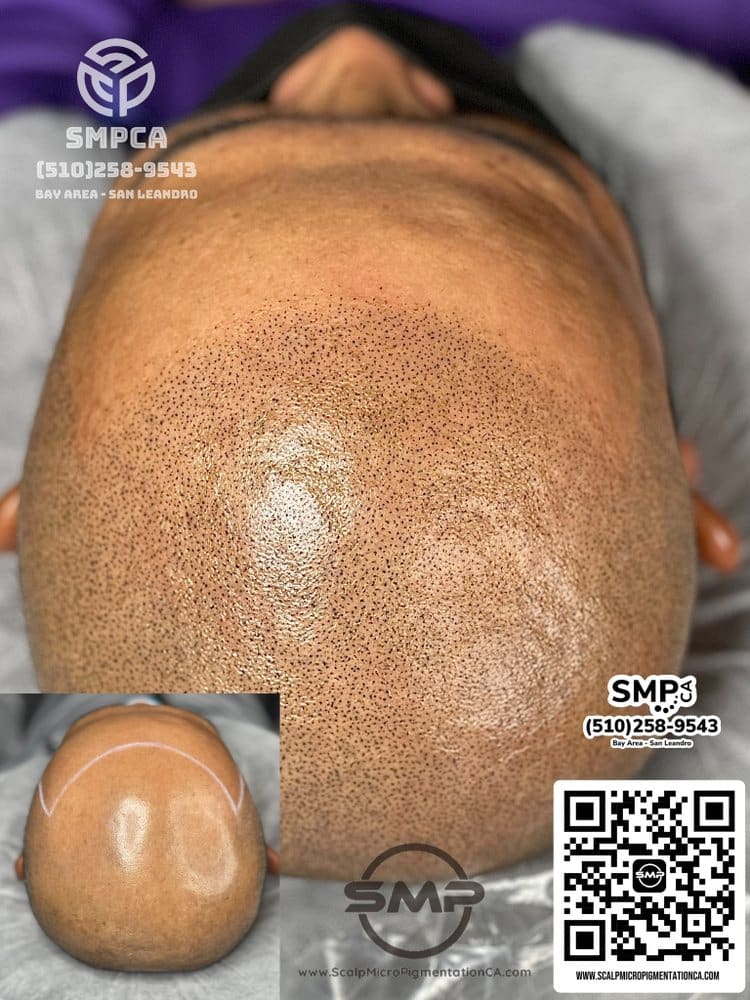
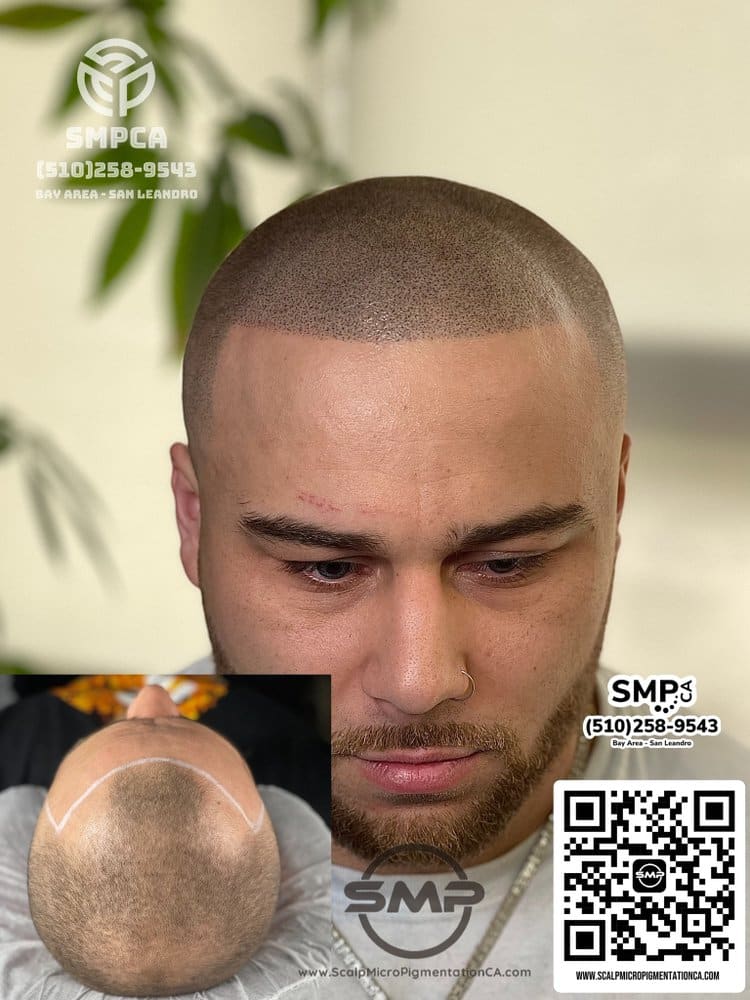
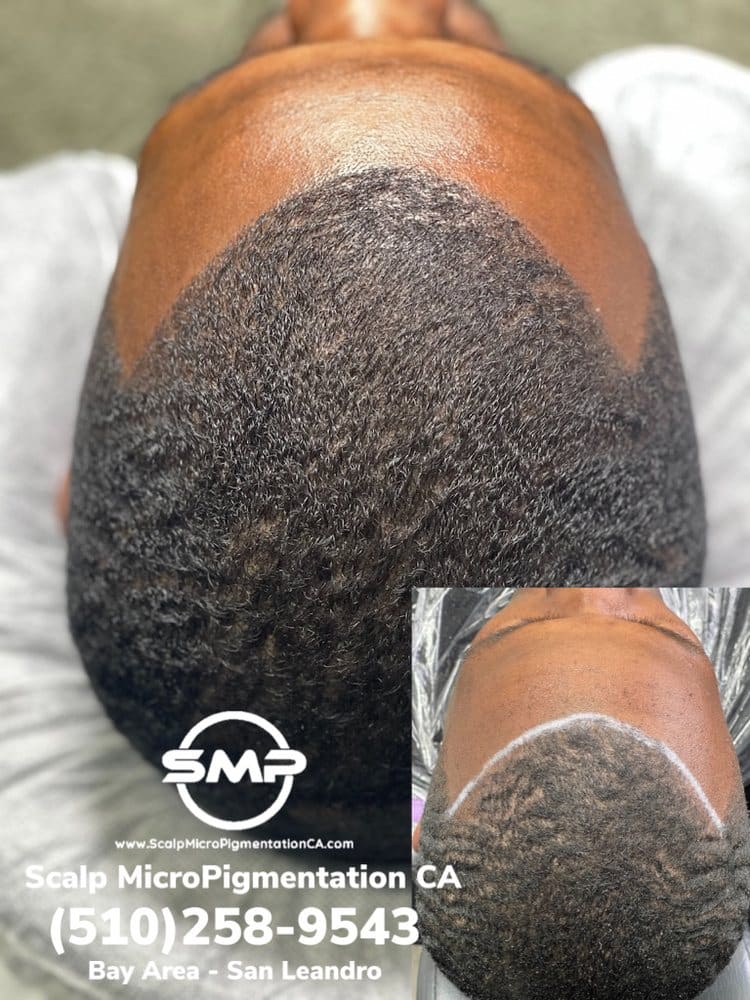
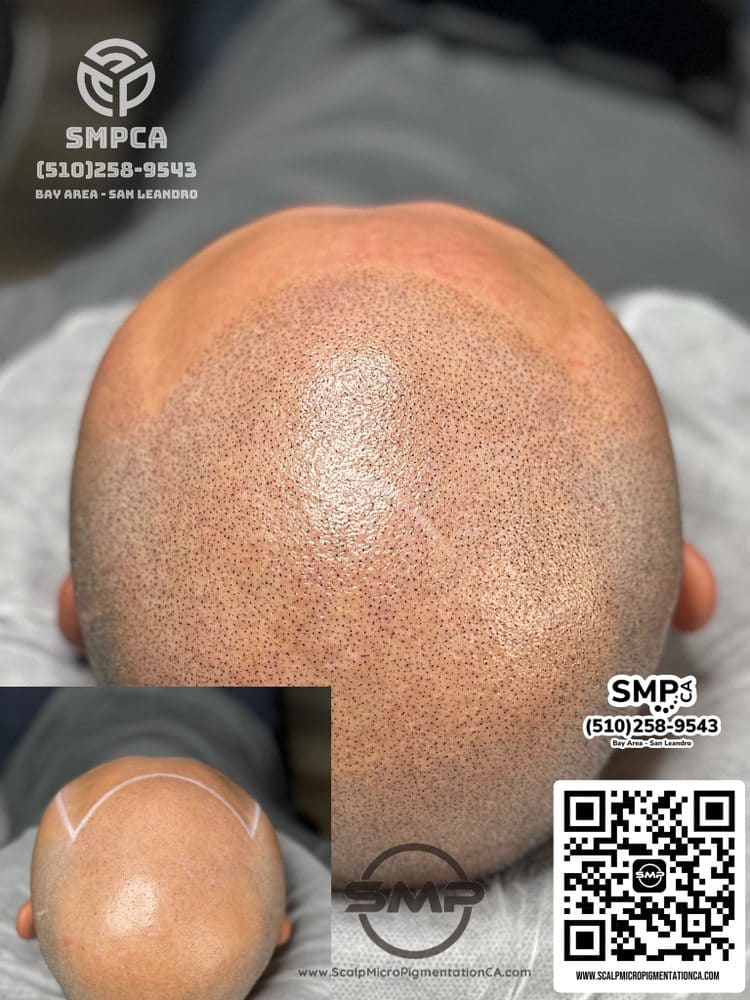
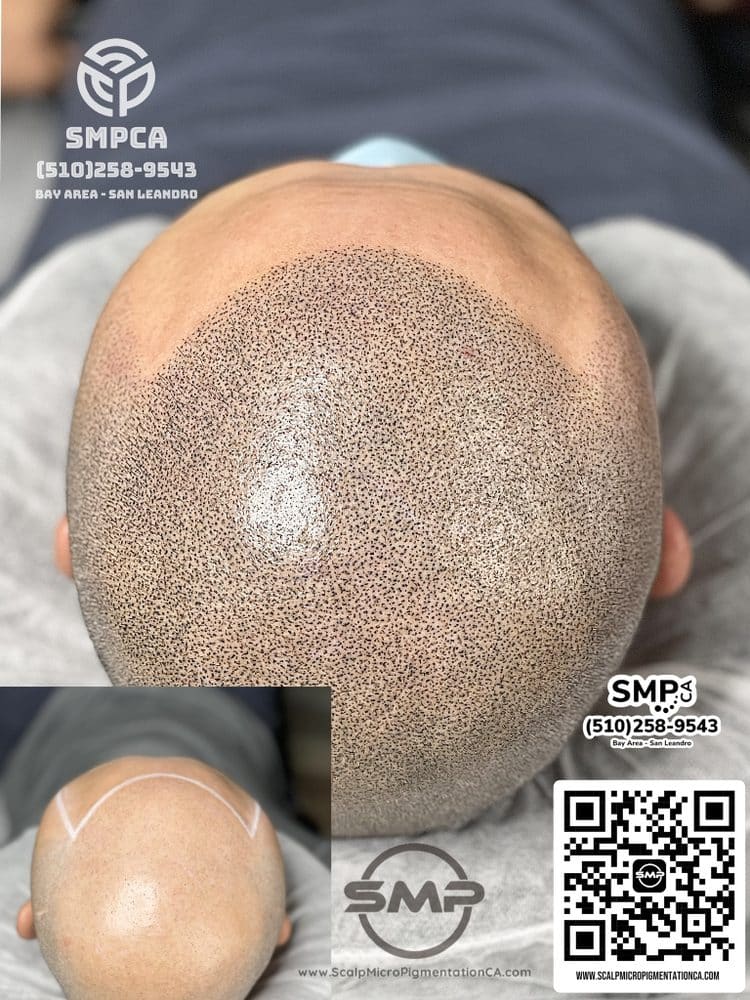
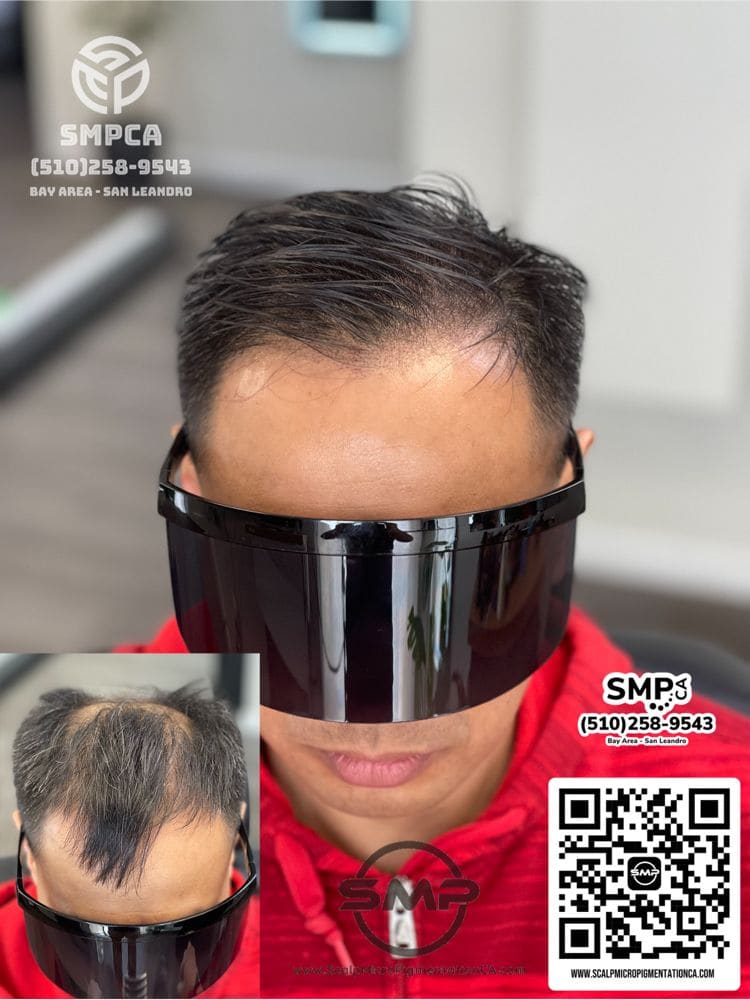
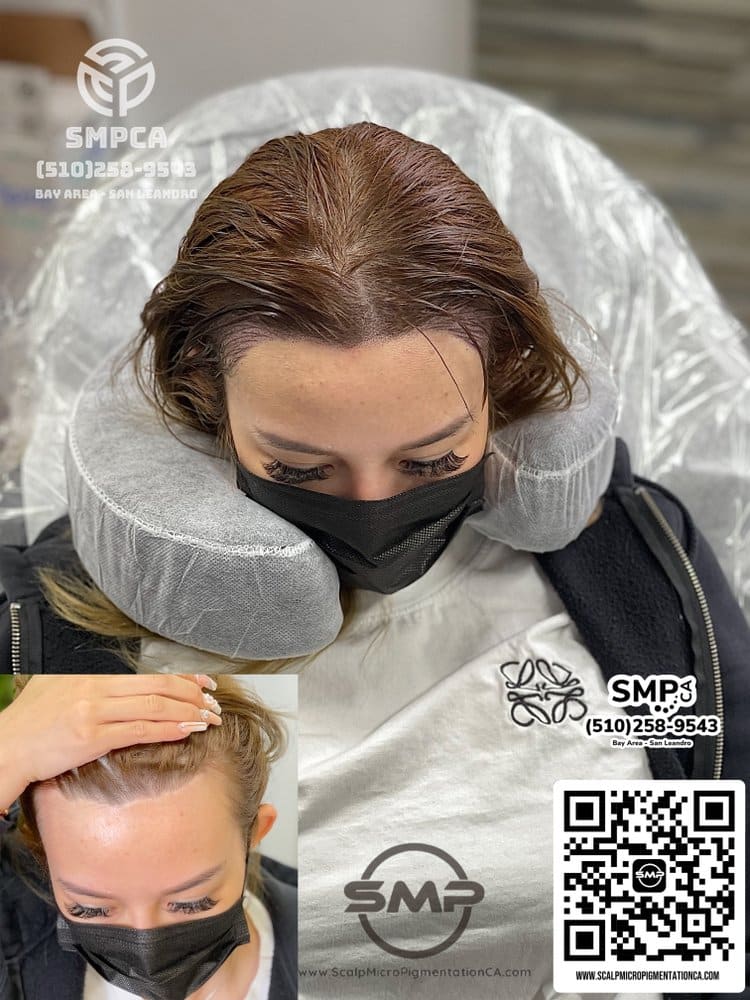
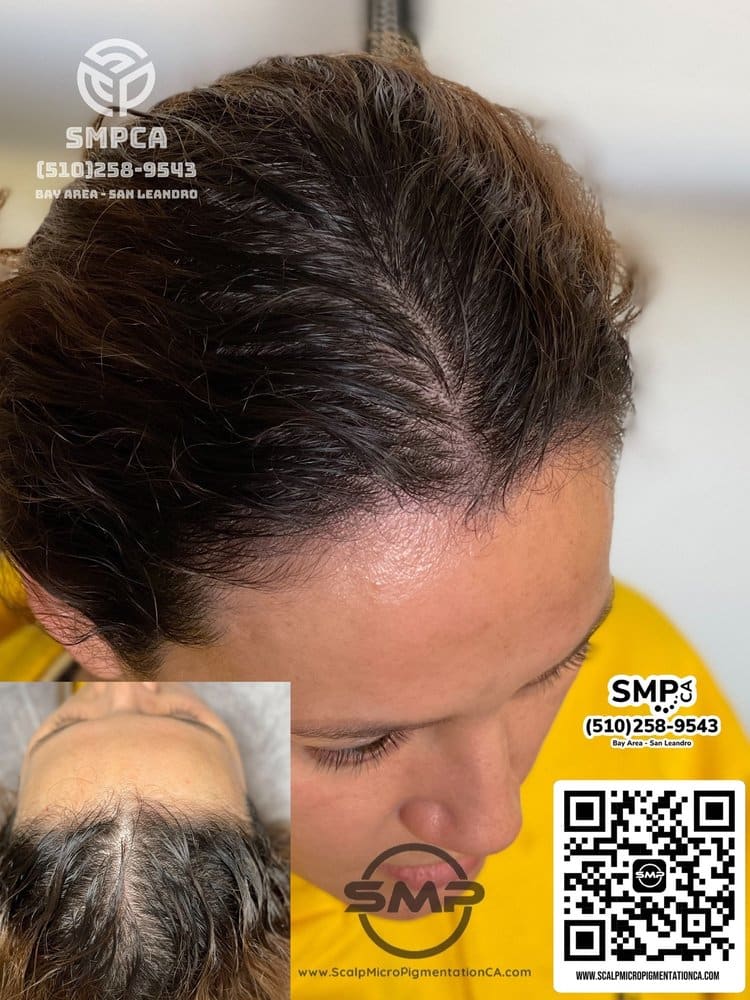
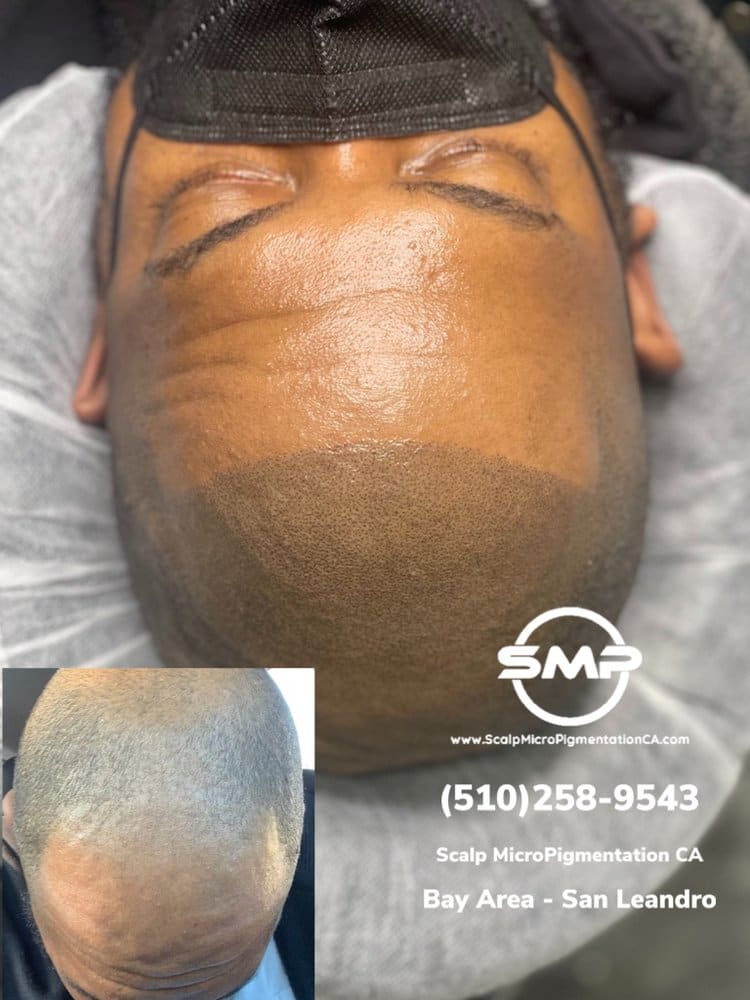
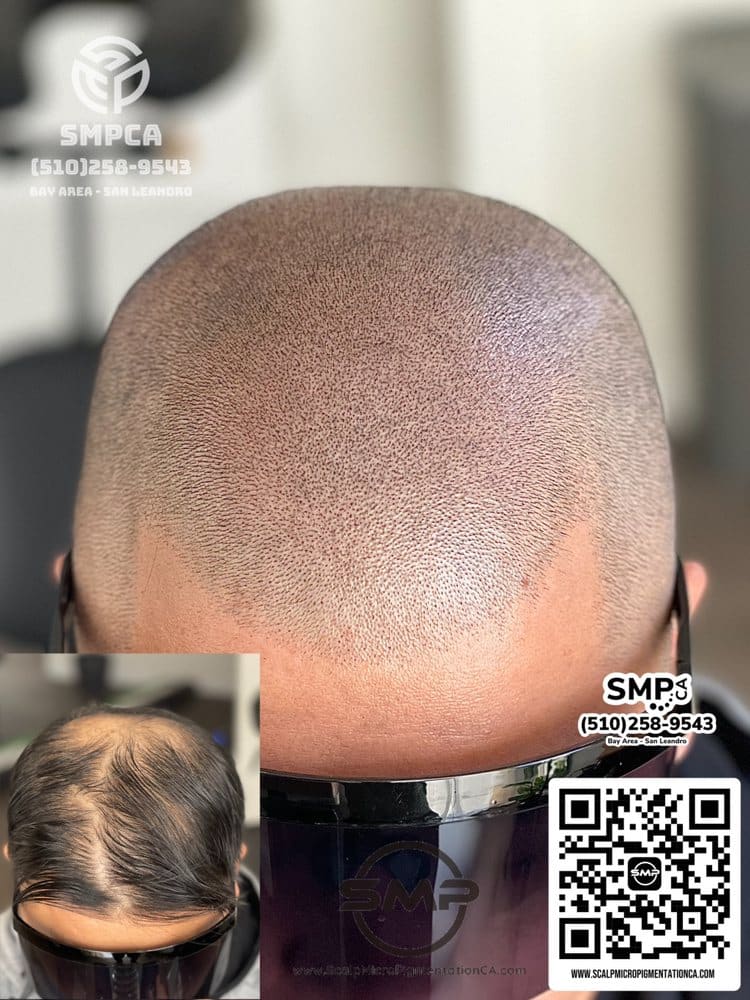
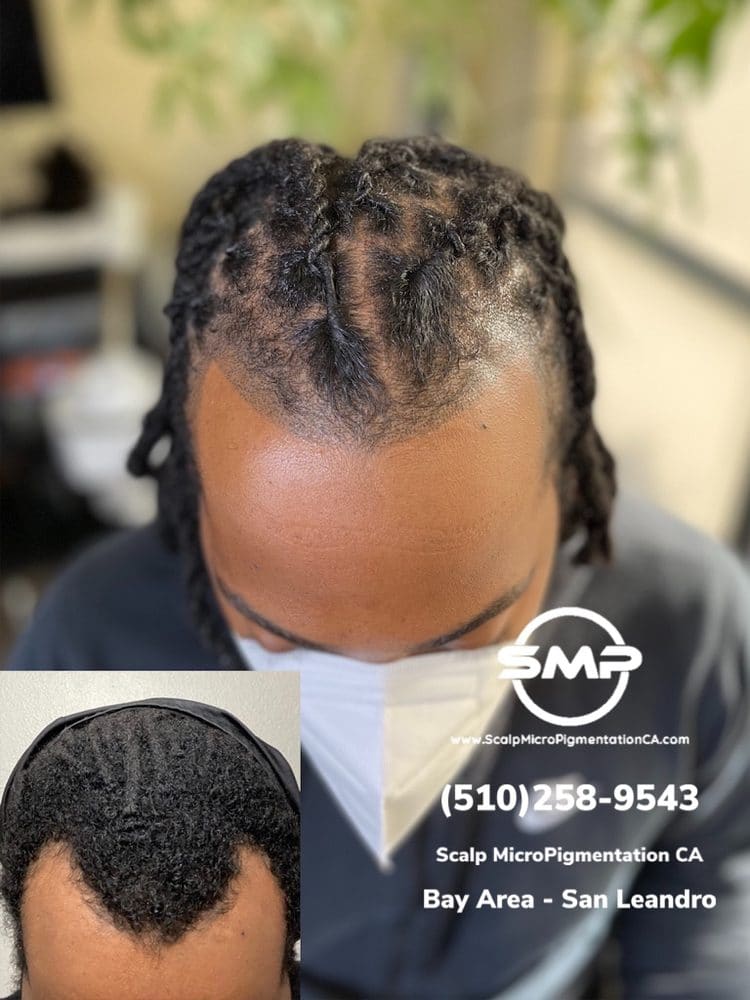
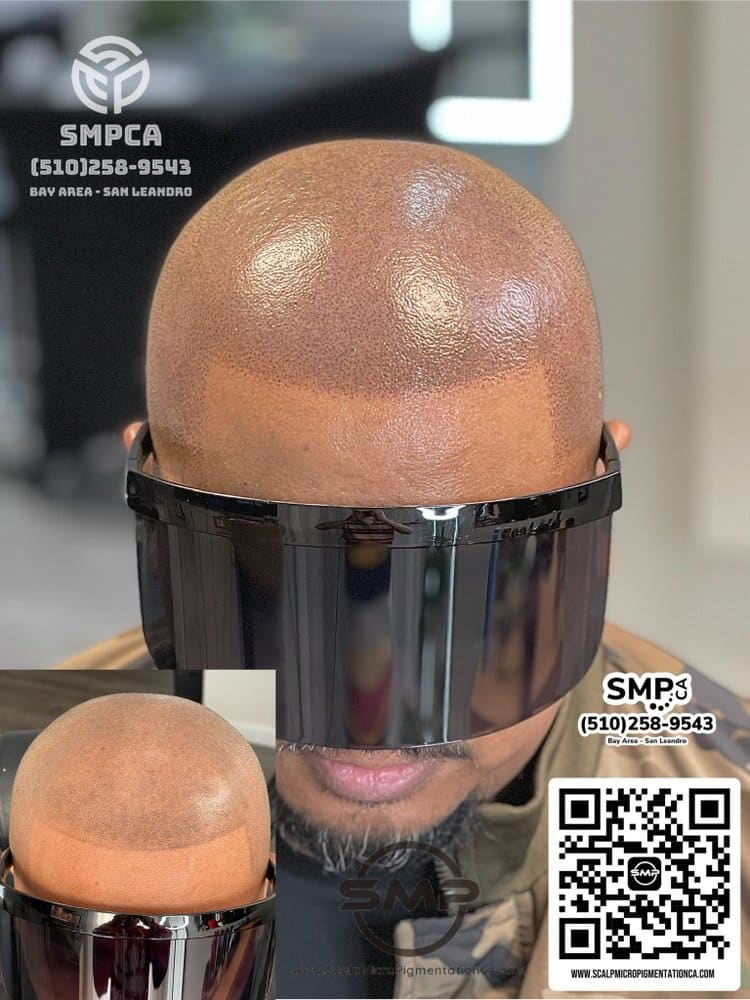
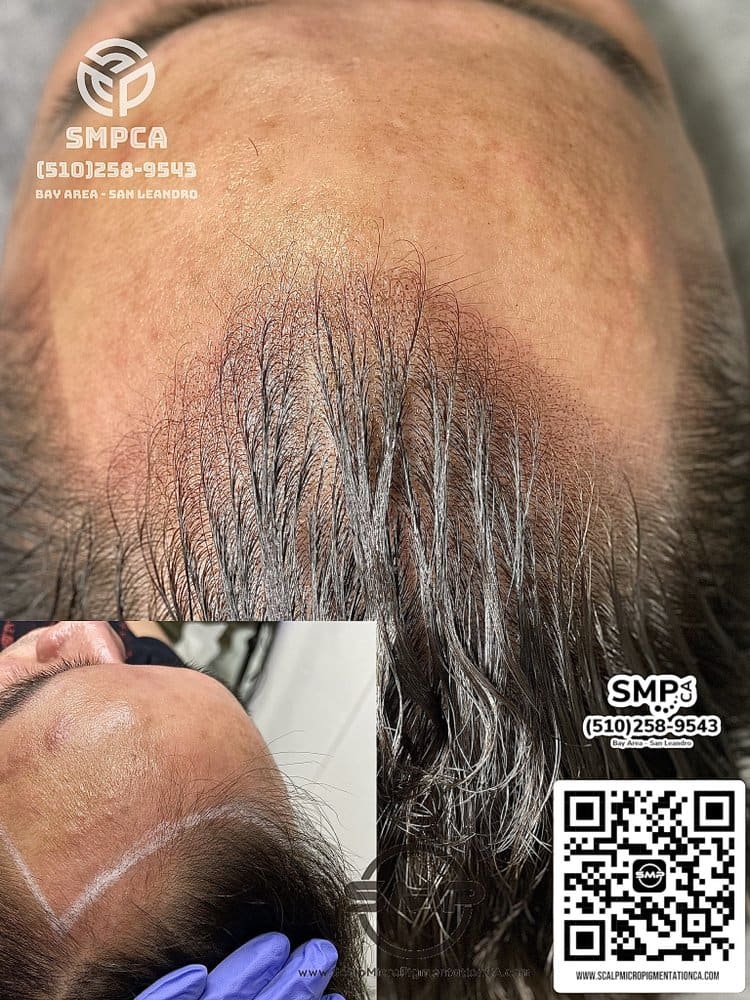
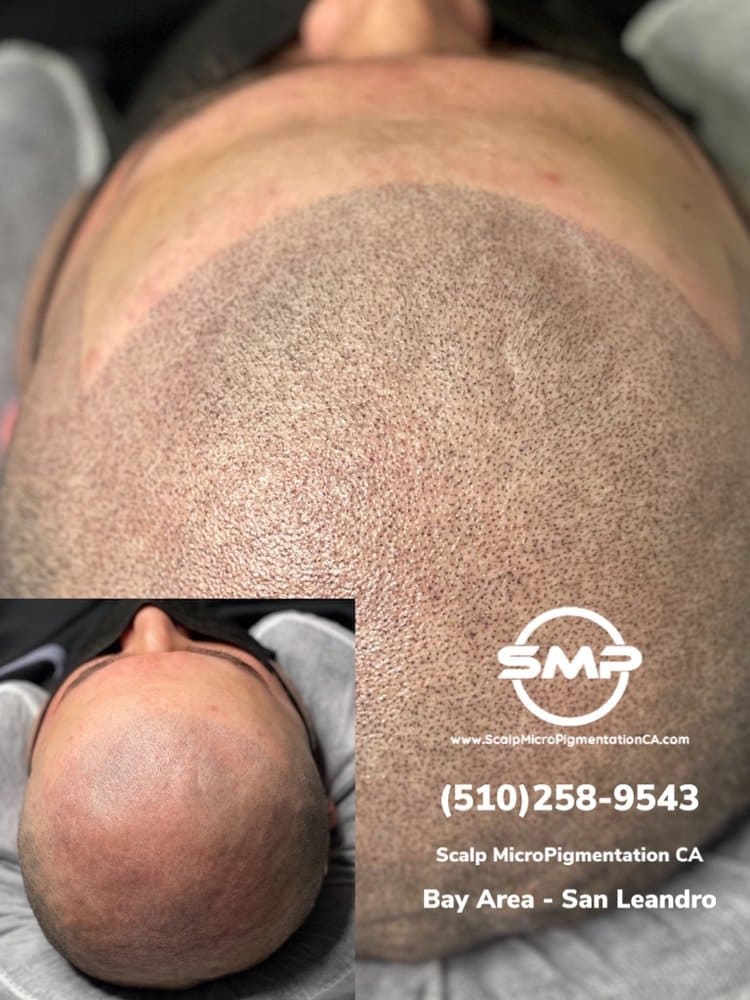
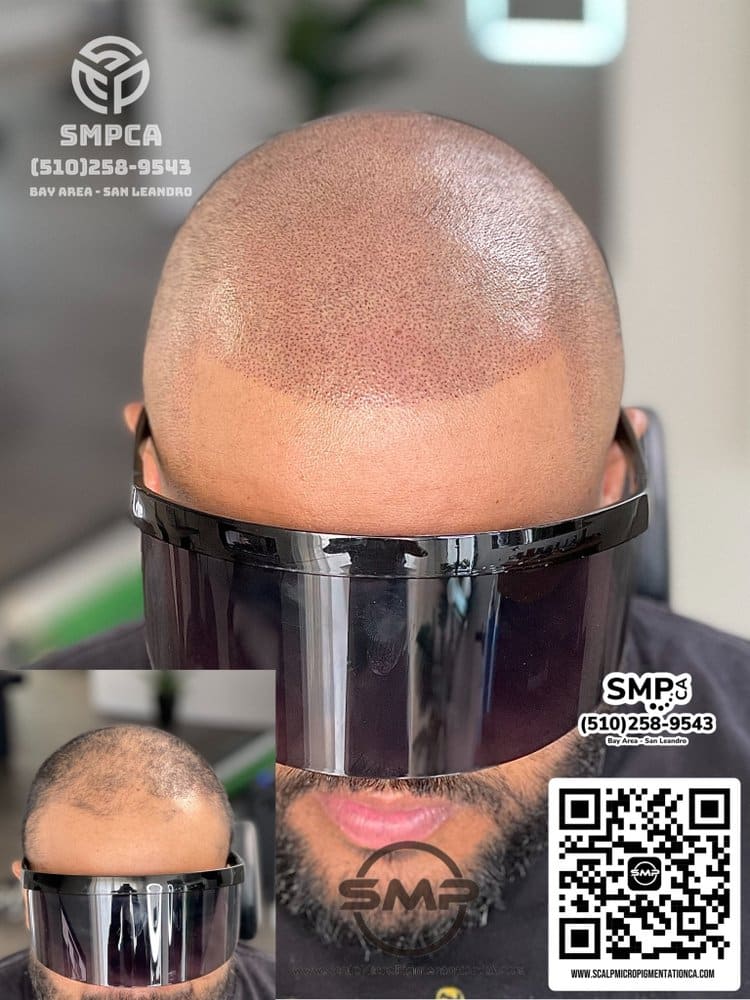
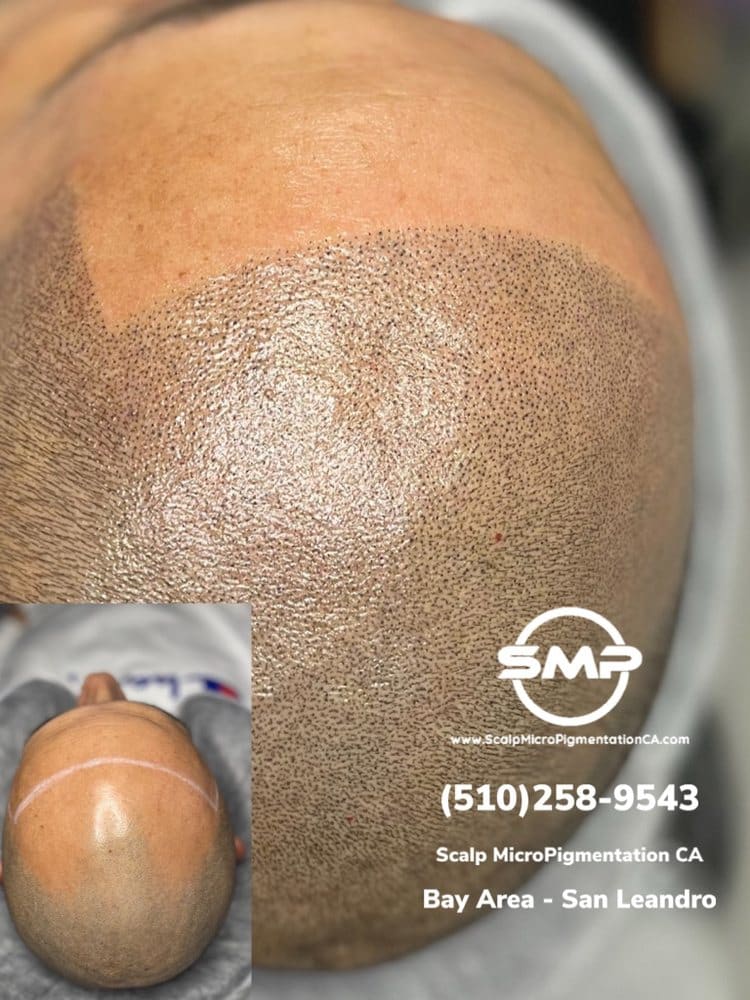
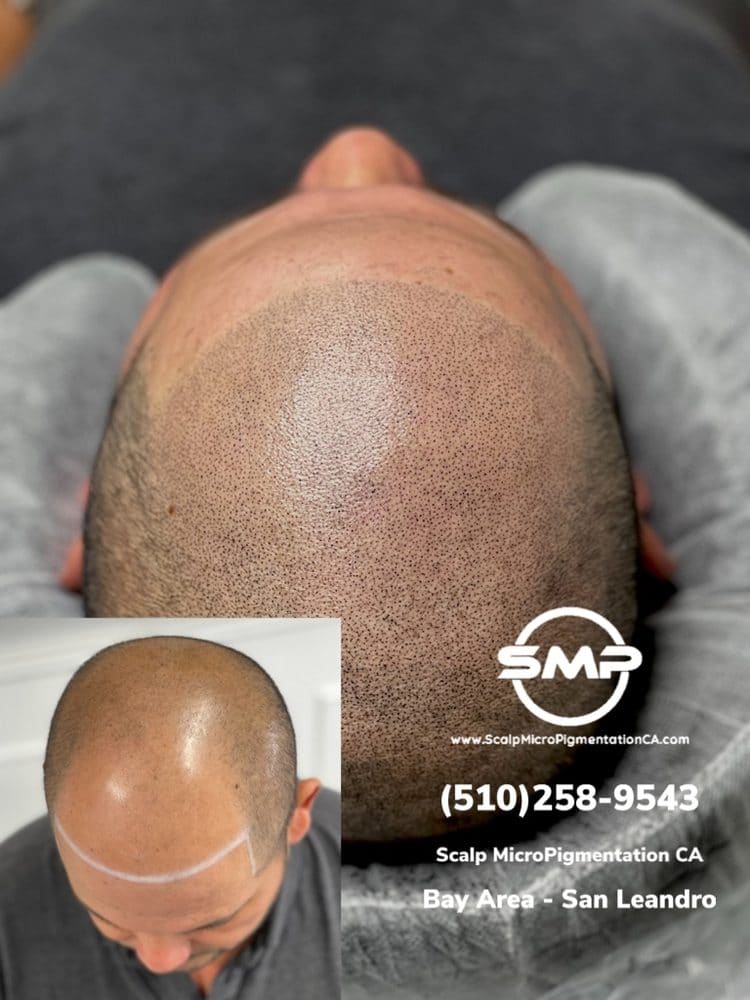
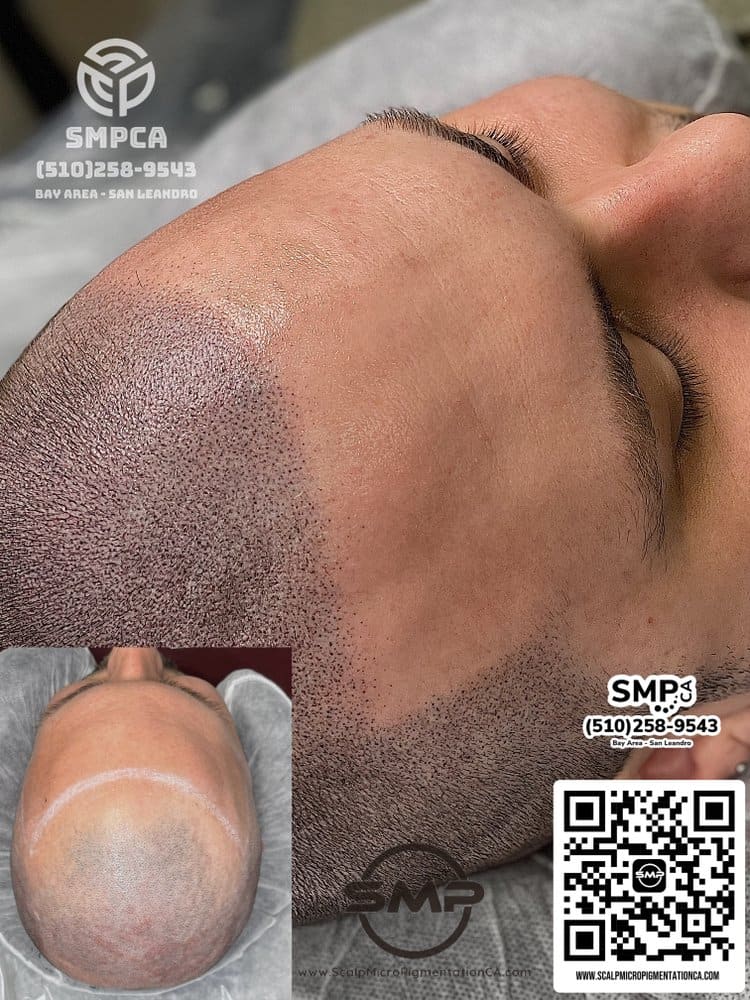
Thousands of sessions · hundreds of clients · one artist
Get your hairline — and your confidence — back.
Free, no-pressure quote. Tell me your situation and I'll show you exactly what's possible before you commit to anything.