
SMP, HSA/FSA & Insurance
Is SMP Covered by Insurance?
The honest answer: usually not — SMP is a cosmetic procedure. But for reconstructive cases tied to a medical diagnosis, there are real paths worth understanding, plus HSA/FSA. Here are the straight facts — no hype, and no coaching anyone to game a claim.
The honest short answer
In most cases, insurance does not cover SMP — it’s considered cosmetic, and there’s no dedicated insurance code for it. A doctor can’t just pick a diagnosis to make cosmetic SMP covered. The real exception is reconstructive care: when hair loss or scarring comes from a documented medical condition, a physician may be able to request coverage — and HSA/FSA often applies to medical/scar cases. Below is exactly how that works, honestly.
Cosmetic vs. reconstructive — the dividing line
SMP for typical male- or female-pattern hair loss is cosmetic — a personal choice to look fuller — and cosmetic procedures aren’t insurance-covered. That’s the vast majority of SMP, including most hairline and density work.
When SMP is part of restoring the scalp after a medical condition, injury, or surgery, it can fall under reconstructive care — and that’s where a physician may have a basis to request coverage. Diagnoses that can support a physician’s medical-necessity determination include:
Alopecia areata & autoimmune hair loss
Medical hair loss from an autoimmune condition — assessed and diagnosed by a physician or dermatologist.
Scarring (cicatricial) alopecia
Hair loss where the follicle is permanently scarred over, a recognized medical condition.
Burn scars on the scalp
Scalp scarring from burns, where camouflage is part of reconstructive care.
Traumatic & post-surgical scalp scars
Scars from injury, neurosurgery, or skin-cancer removal — where a surgeon may consider camouflage reconstructive.
Cancer-treatment reconstruction
Hair loss or scarring documented as part of cancer treatment (chemotherapy, radiation, surgery).
Congenital scalp defects
Reconstructive cases tied to a documented congenital condition.
Having one of these doesn’t guarantee coverage — it’s a stronger basis for your physician to request it. The decision always rests with your physician’s medical-necessity documentation and your insurer’s policies.
How coverage actually works
- Your physician drives it. A treating physician, dermatologist, or surgeon documents the diagnosis and medical necessity. We don’t diagnose or decide necessity.
- There’s no SMP-specific code. Physician offices sometimes use unlisted-procedure or medical-tattooing codes where appropriate — subject to the insurer’s rules and usually prior authorization.
- The insurer decides. Coverage depends on the plan, the documentation, and the payer’s policy. Many such claims are denied; some are approved. Neither we nor your doctor can promise the outcome.
- We support, we don’t bill. We provide an itemized receipt and procedure documentation and will coordinate with your physician — but we don’t submit claims, assign codes, or guarantee reimbursement.
HSA / FSA and financing
For medical and reconstructive cases — documented scar coverage, alopecia, burns, surgical or transplant scars — HSA and FSA funds often apply. We provide the itemized receipt and documentation your administrator typically needs (your administrator makes the final call). And for everyone else, we offer financing so the cost can be spread into monthly payments. See real pricing →
For physicians & clinics — referral partnerships
We welcome referral relationships with dermatologists, plastic surgeons, hair-transplant surgeons, burn centers, and oncology reconstruction programs. When SMP is an appropriate part of a patient’s reconstructive care, your office documents the medical necessity and coding; we deliver master-barber-led scar and scalp camouflage and provide the documentation your team needs. If you’d like to discuss a referral relationship, get in touch →
Related: SMP for surgical & head-injury scars · SMP for alopecia.
SMP & insurance — FAQ
Is scalp micropigmentation covered by insurance?+
In most cases, no. SMP is considered a cosmetic procedure, and cosmetic procedures are generally not covered by health insurance. There is also no widely accepted CPT code specifically for scalp micropigmentation. A provider can't simply pick a diagnosis or code to make cosmetic SMP covered — that would be improper.
Are there any cases where SMP might be covered?+
Sometimes, when SMP is part of reconstructive care rather than cosmetic enhancement. Patients with a medical diagnosis — such as alopecia areata, scarring (cicatricial) alopecia, burn scars, traumatic or post-surgical scalp scars, cancer-treatment reconstruction, or congenital scalp defects — may have a stronger basis for their physician to request coverage. Whether it's actually covered depends entirely on the patient's diagnosis, insurance plan, medical-necessity documentation, and the insurer's policies — and it usually requires prior authorization. Only your physician and insurer can determine that; we can't and don't.
How is reconstructive SMP billed if it is covered?+
Because there's no dedicated CPT code for SMP, physicians who perform or oversee medical tattooing sometimes use unlisted-procedure codes, medical-tattooing/micropigmentation codes where appropriate, or payer-specific codes — always subject to the insurer's rules and, typically, prior authorization. The coding and claim are handled by the treating/referring physician's office, not by us. We provide an itemized receipt and procedure documentation on request.
Can I use my HSA or FSA for SMP?+
Often, yes — for medical or reconstructive cases (documented scar coverage, alopecia, burns, surgical or transplant scars). Purely cosmetic hairline or density work is generally not HSA/FSA eligible. We provide an itemized receipt and the documentation your plan administrator typically requires; whether your specific expense qualifies is determined by your administrator and your physician.
Do you submit insurance claims or guarantee coverage?+
No. We're a private SMP studio, not a medical billing office — we don't submit insurance claims, assign diagnosis codes, or determine coverage, and we can't guarantee reimbursement. For reconstructive cases we're glad to coordinate with your physician and provide documentation, but the medical-necessity determination, coding, and claim are theirs, and the coverage decision is your insurer's.
What if I can't get coverage but still want SMP?+
Most of our clients pay directly, and we make it manageable — we offer financing so you can spread the cost into monthly payments. See our cost guide for real pricing ranges, and bring any questions to a free consultation.
Important: This page is general information, not medical, legal, insurance, or billing advice. SMPCA does not diagnose conditions, determine medical necessity, assign diagnosis or procedure codes, submit insurance claims, or guarantee that any procedure will be covered or reimbursed. Coverage decisions rest solely with your physician’s documentation and your insurer’s policies. Always consult your own physician and insurance provider about your specific situation.
A decade of SMP experience.
Every result you see is a real client — built dot by dot in San Lorenzo.
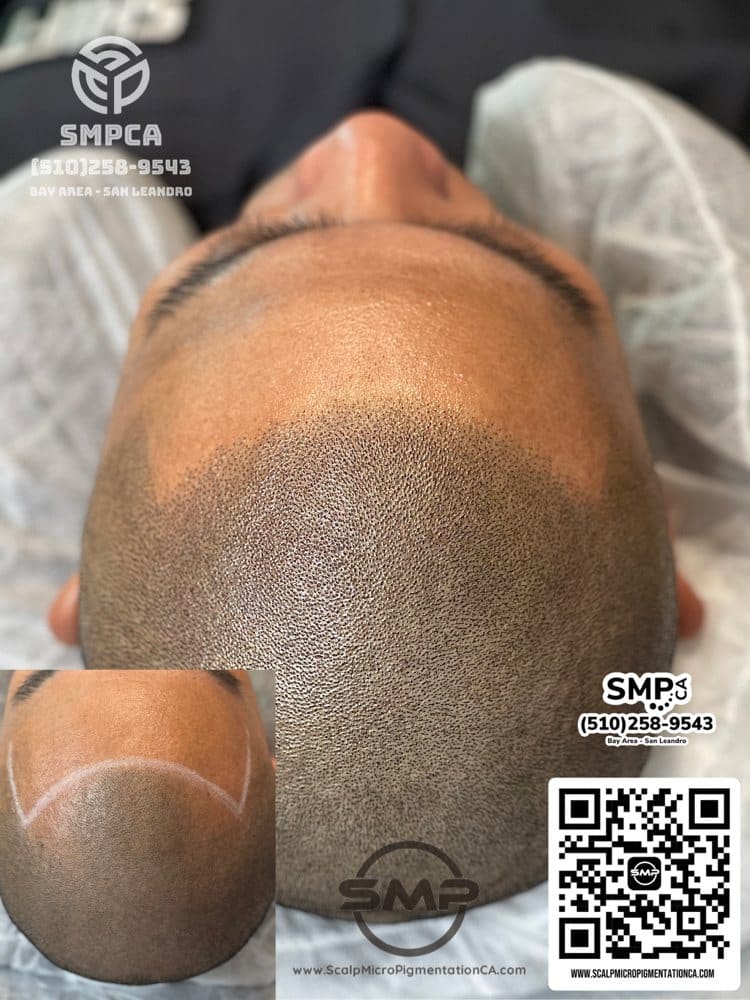
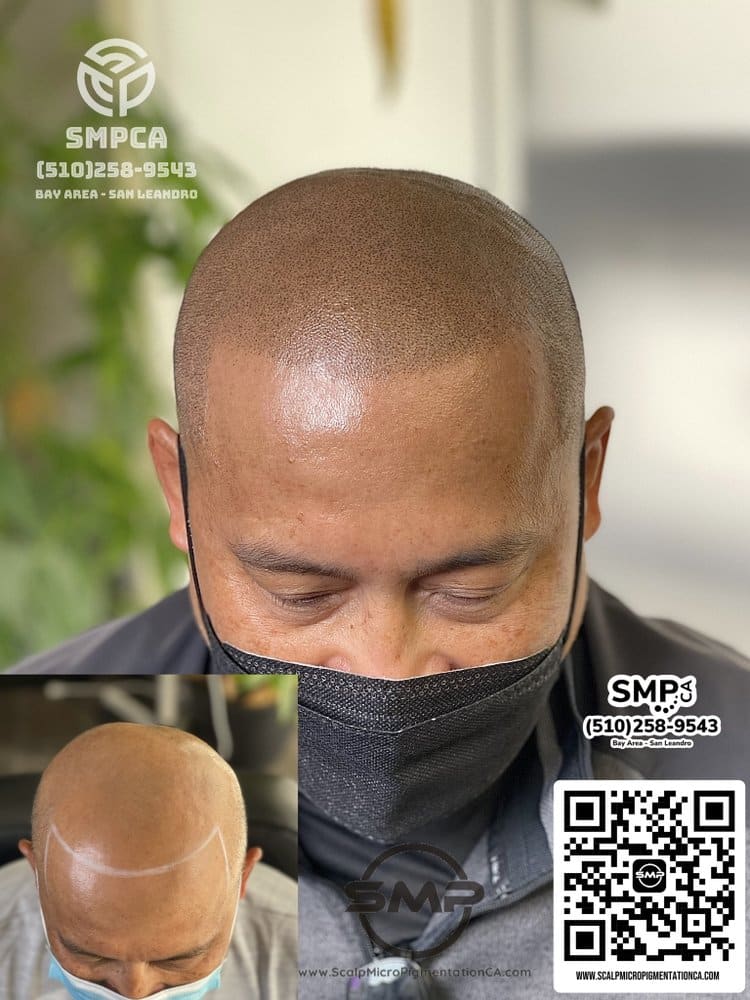
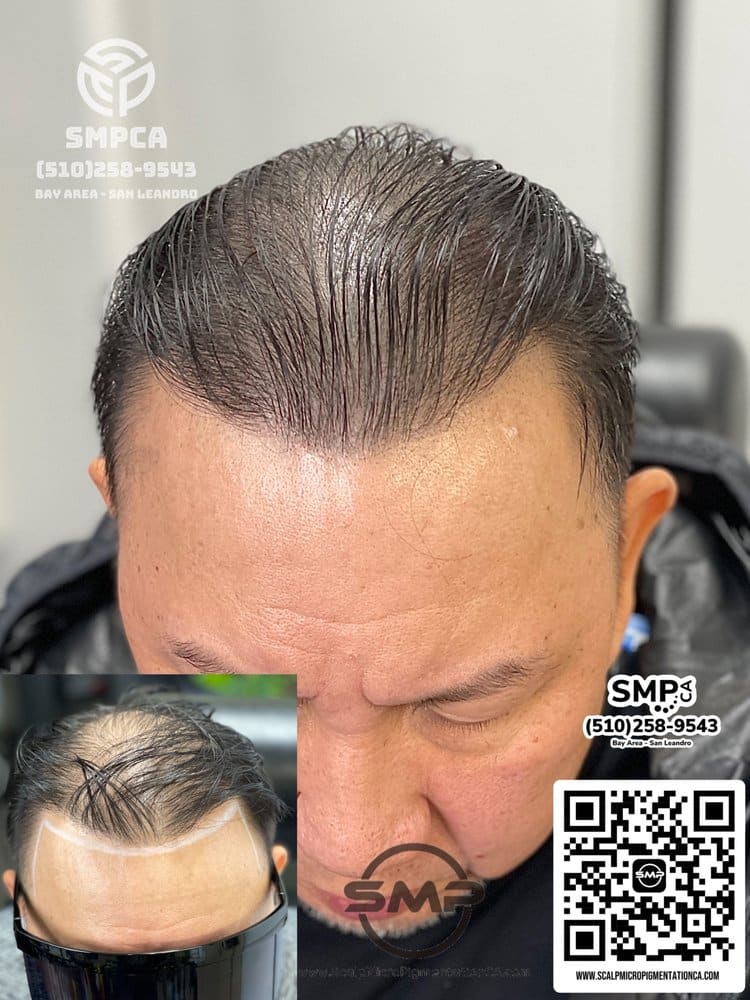
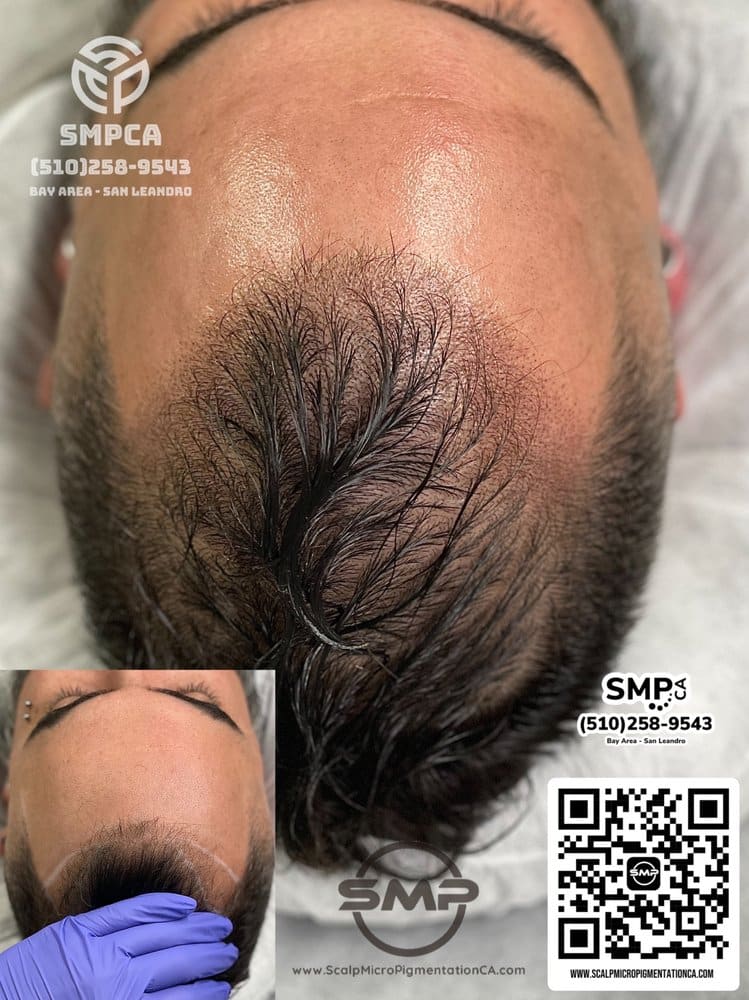
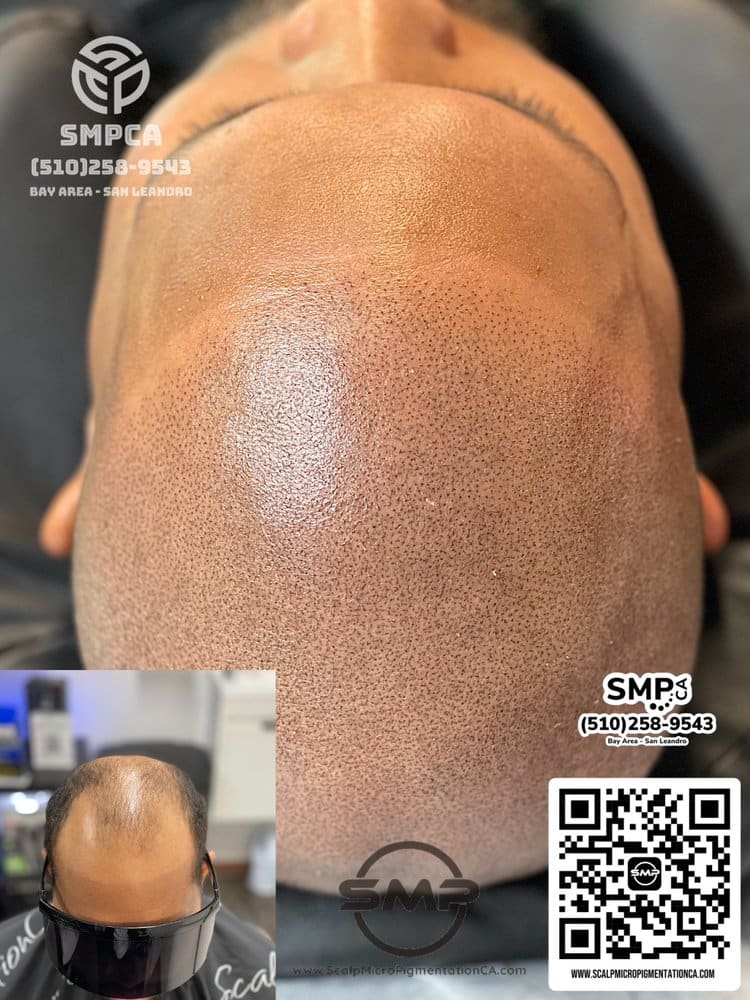
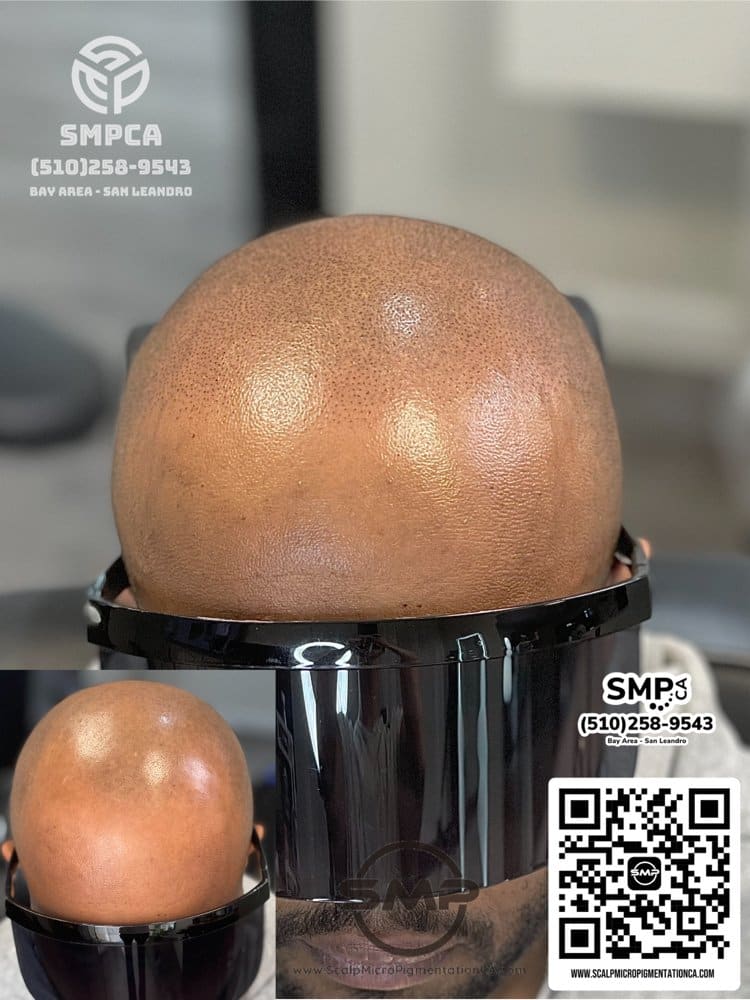
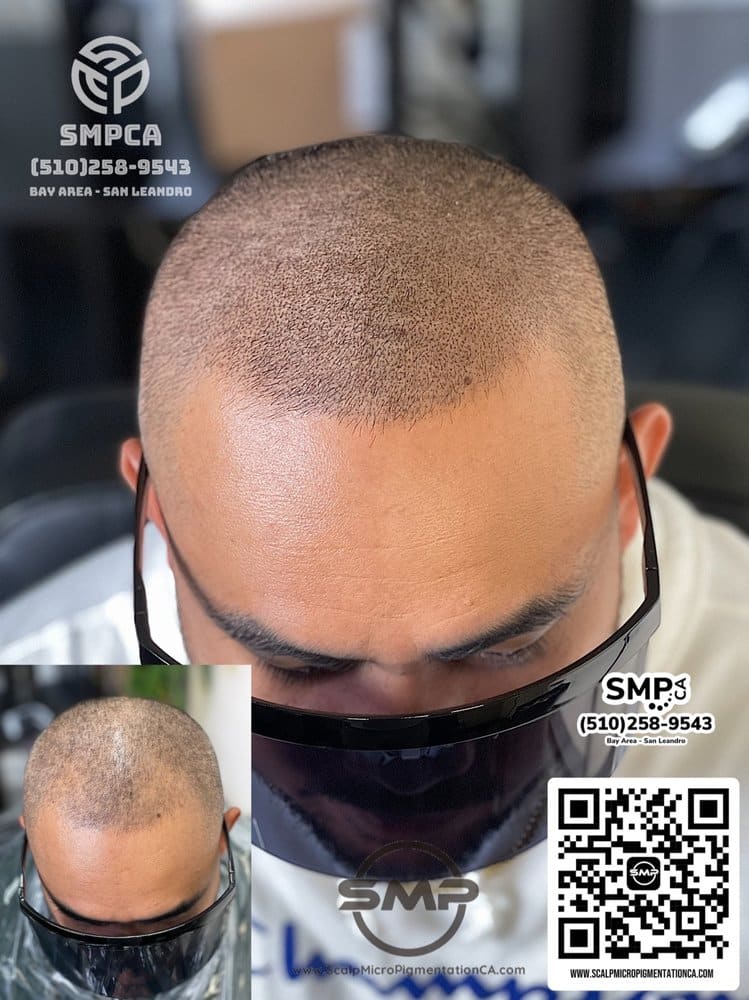
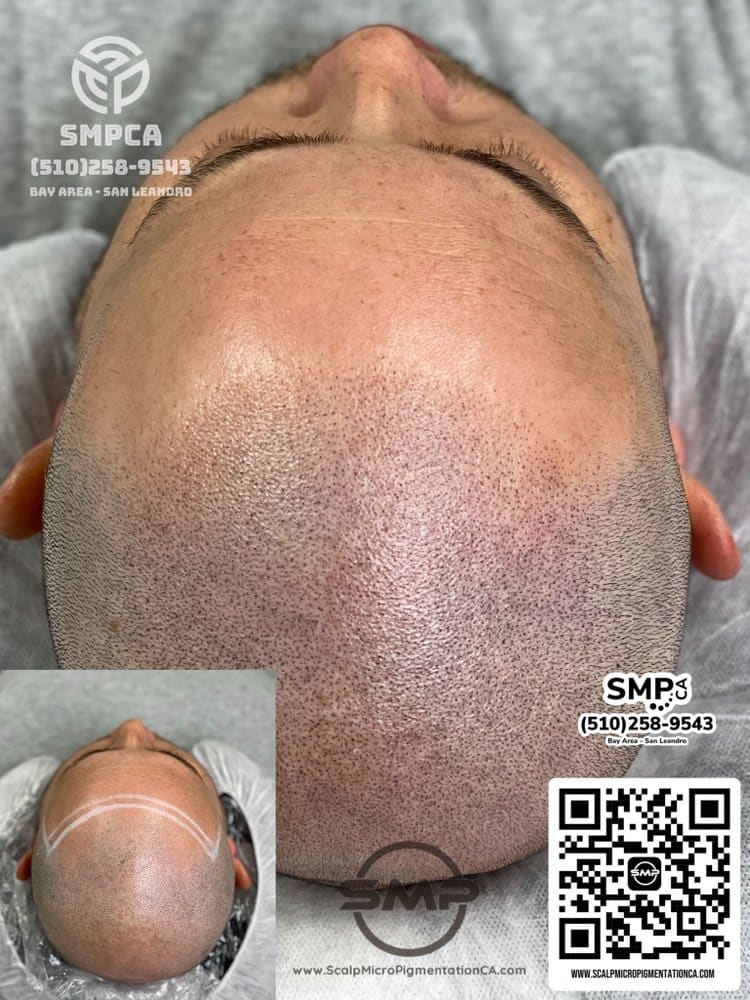
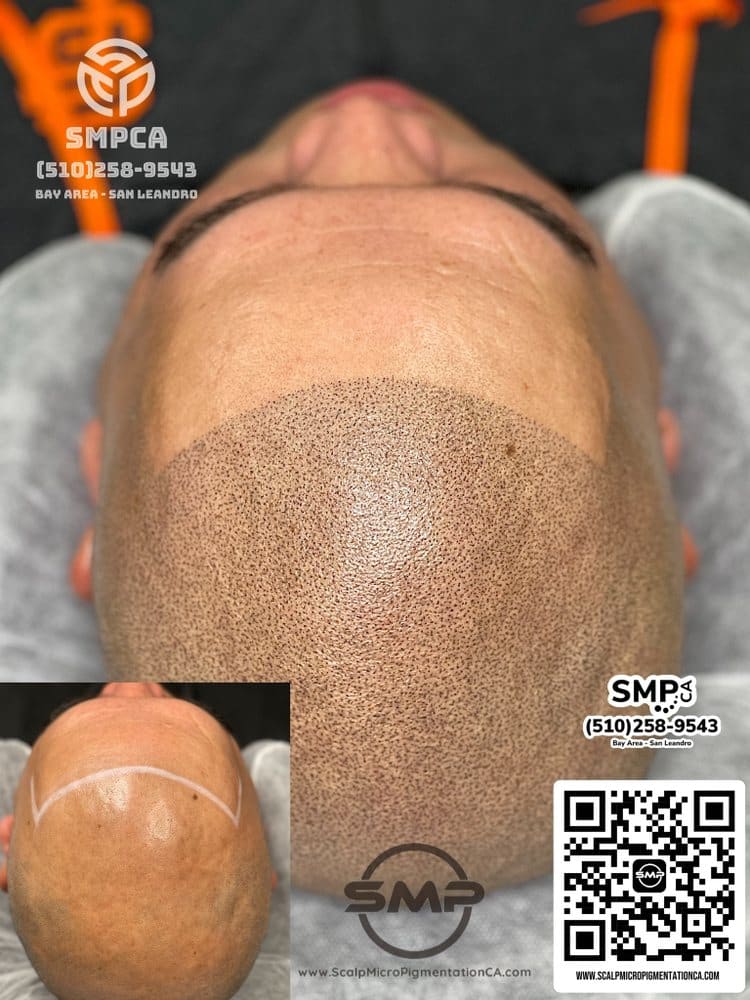
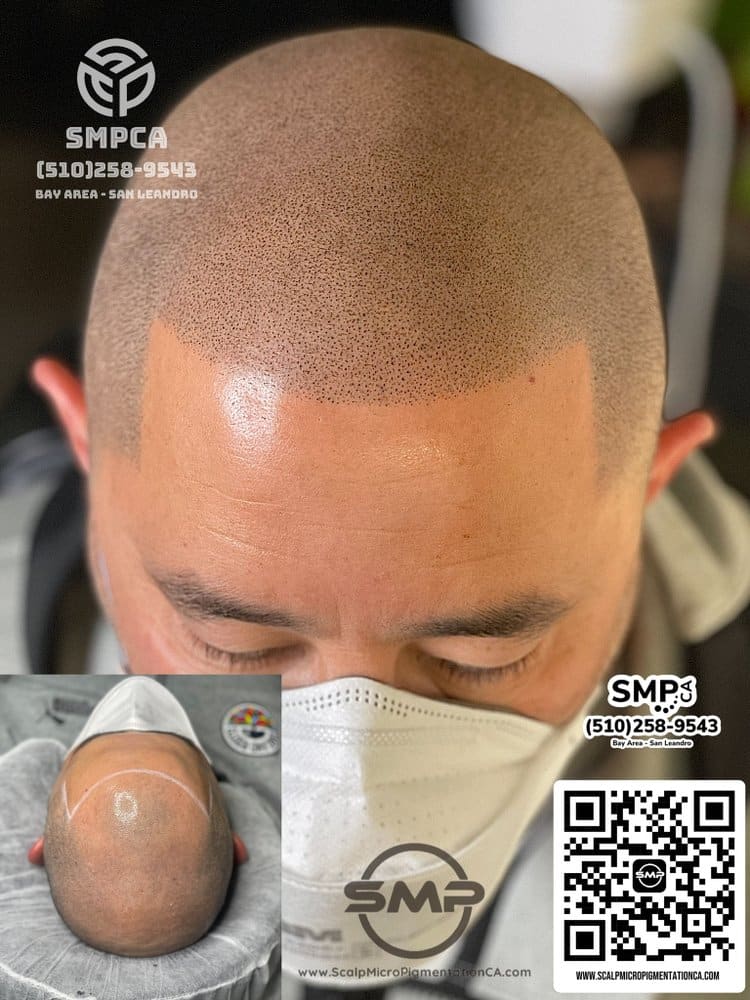
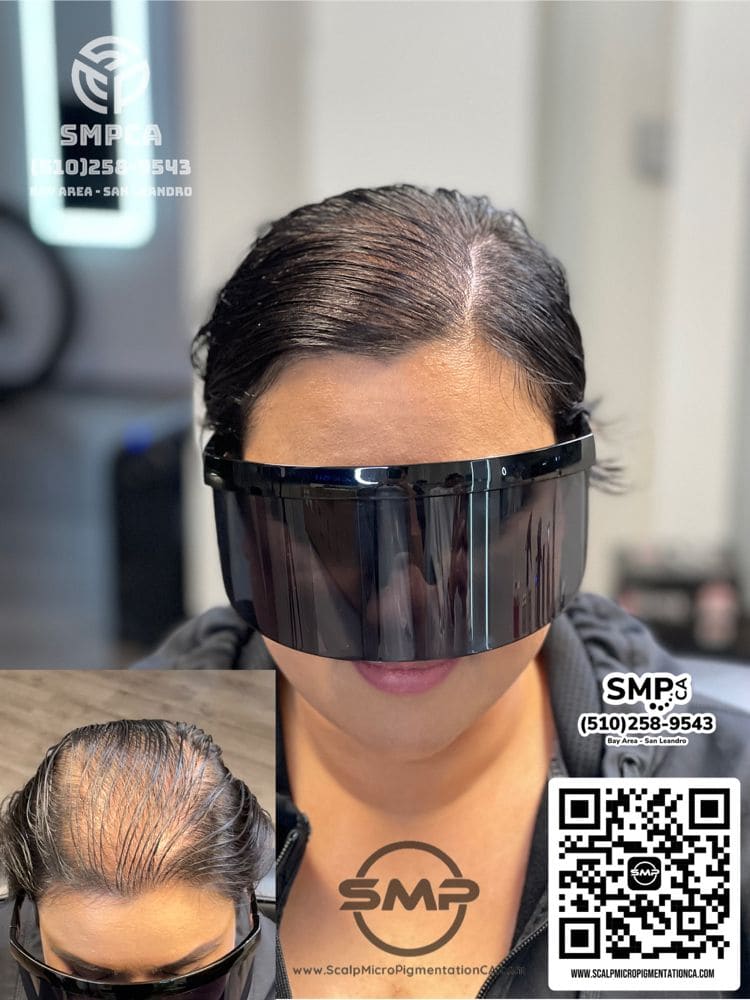
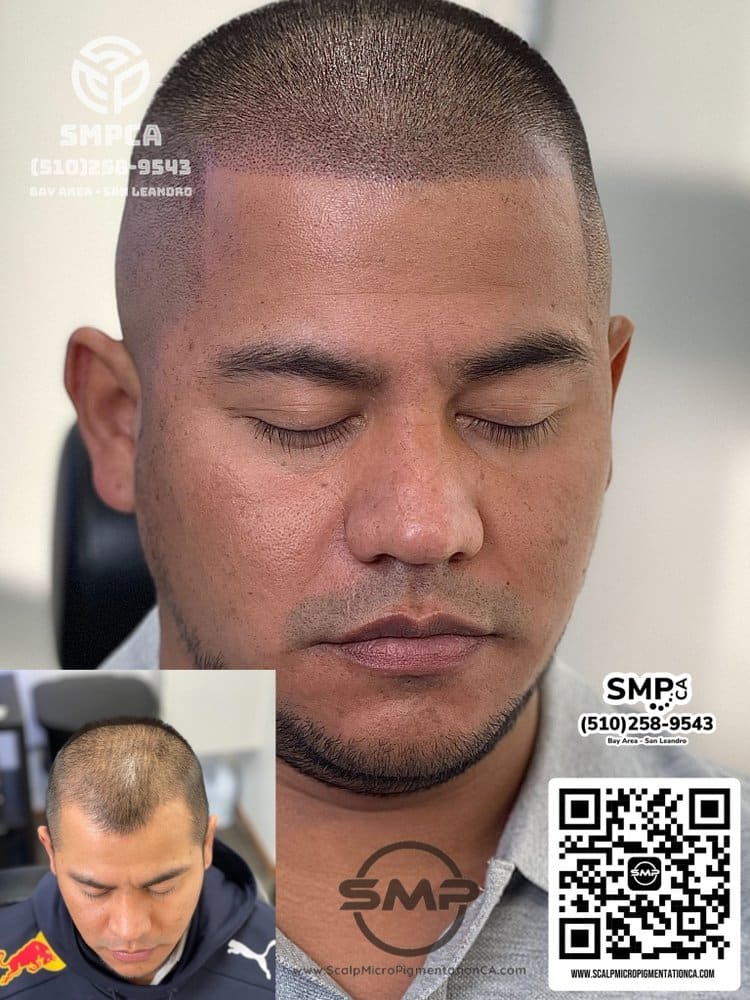
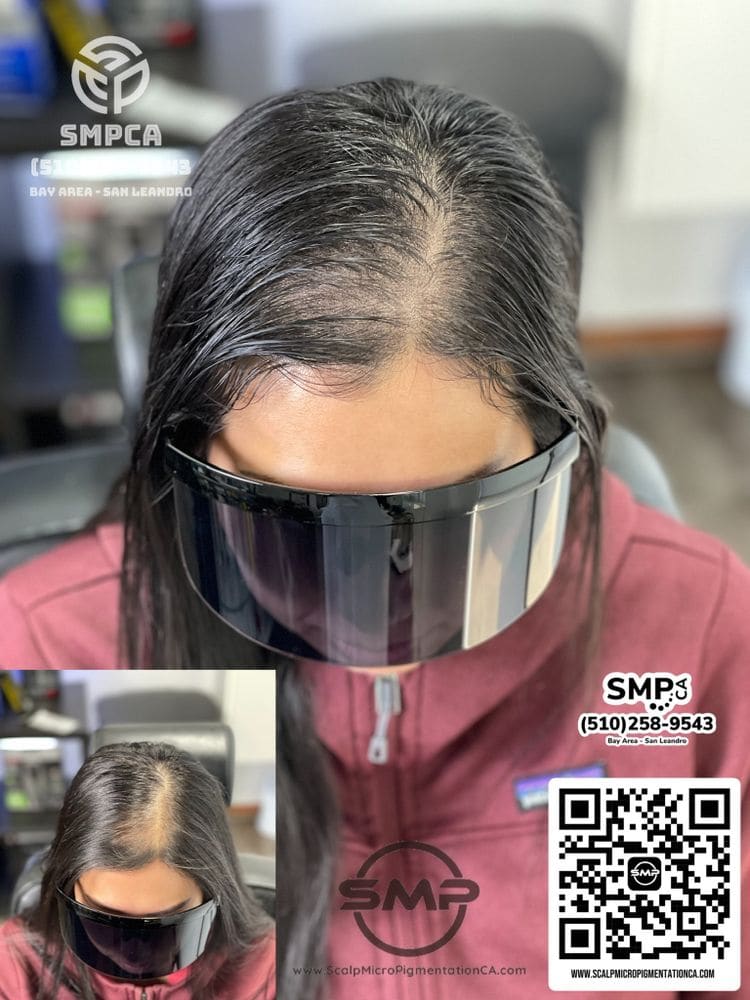
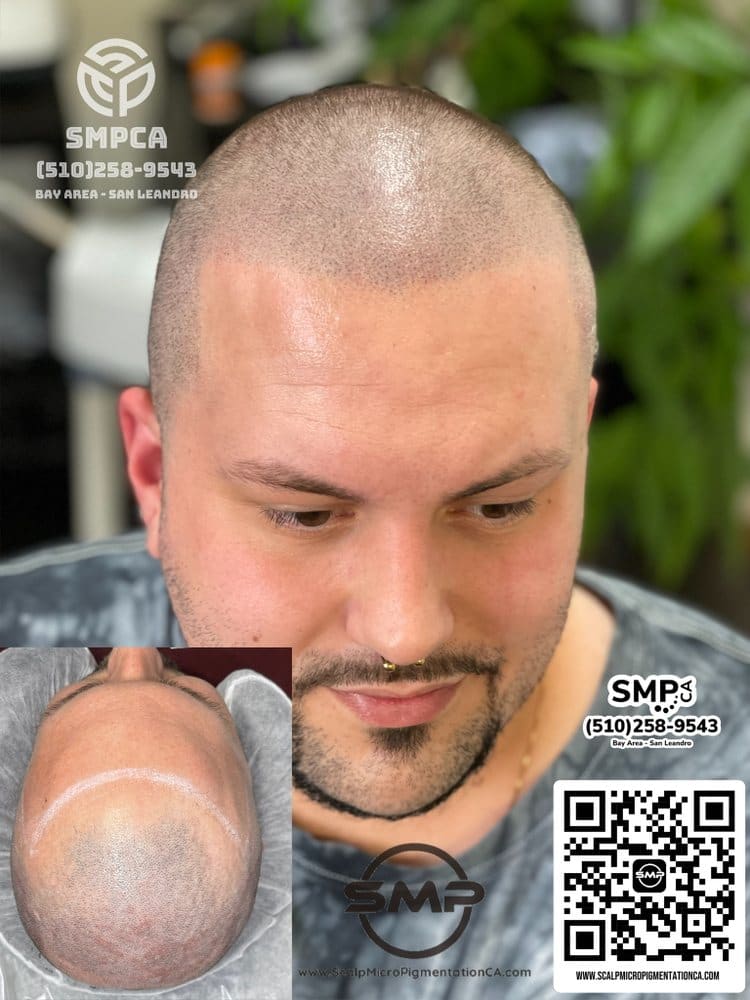
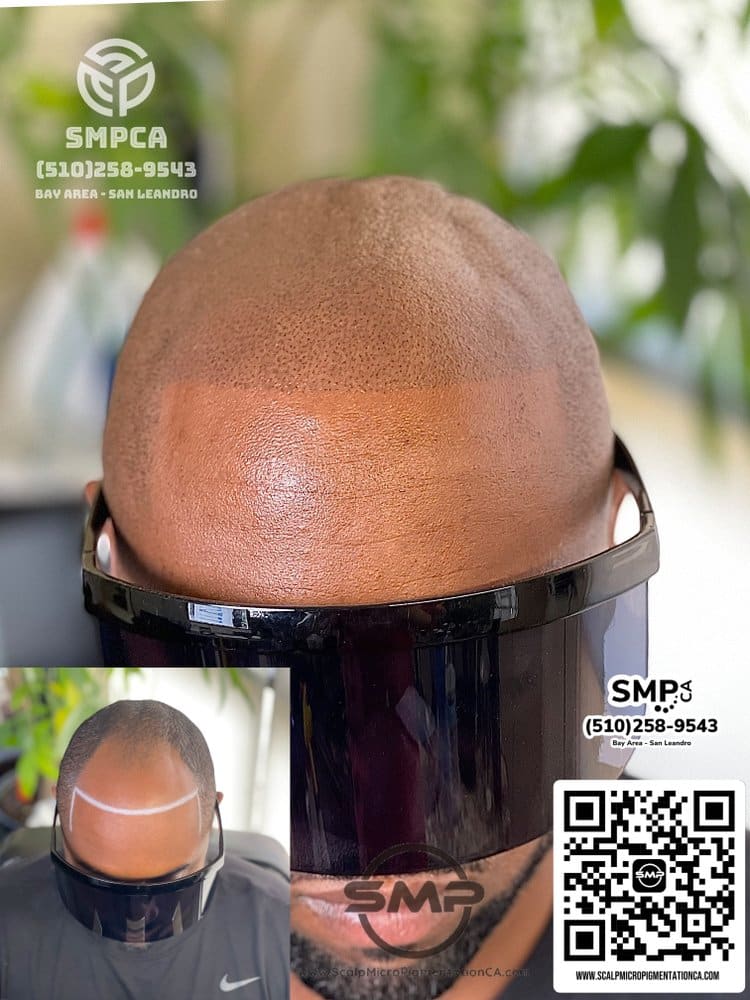
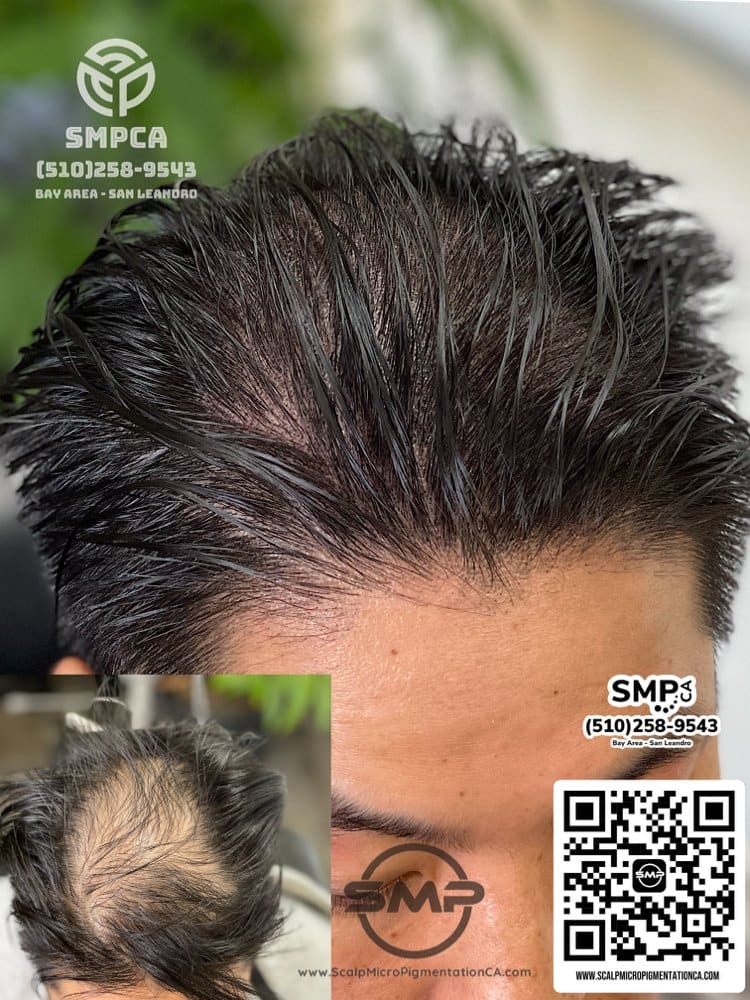
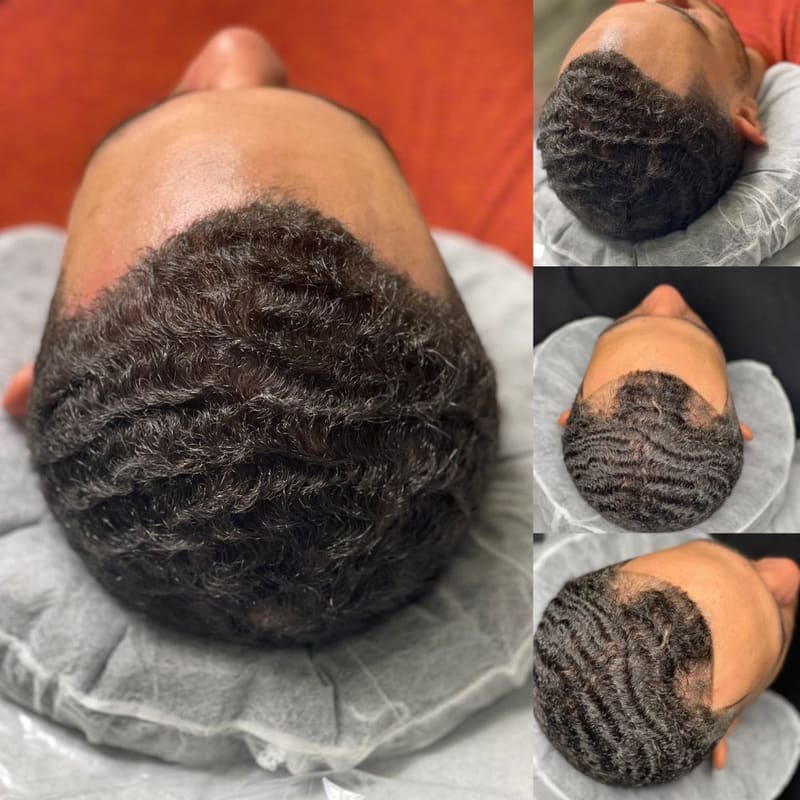
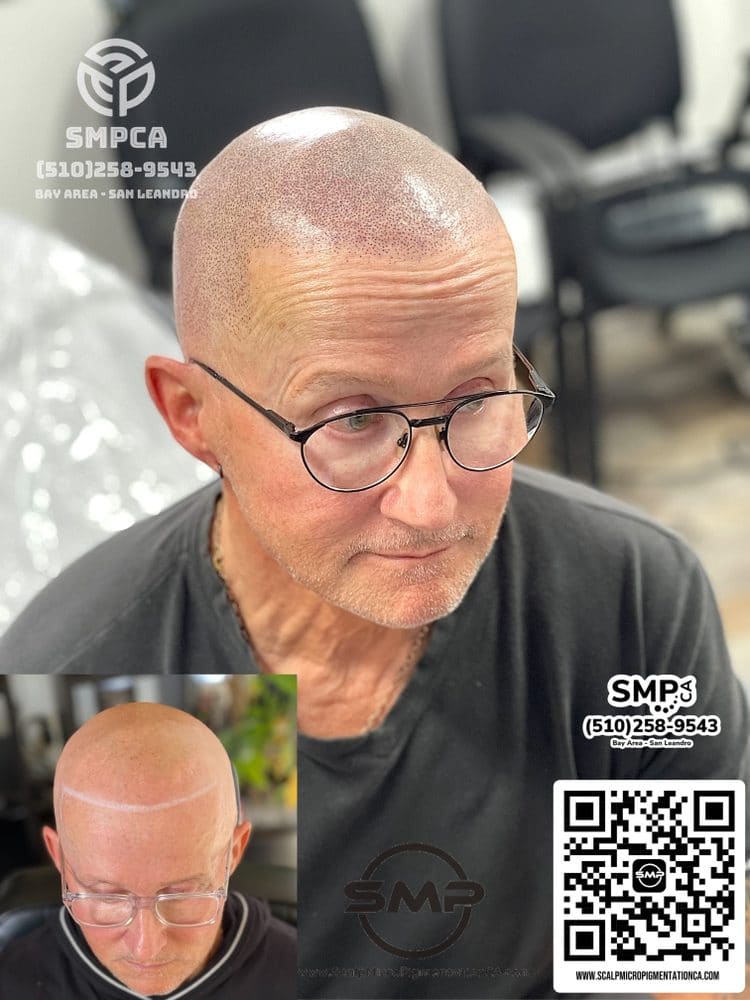
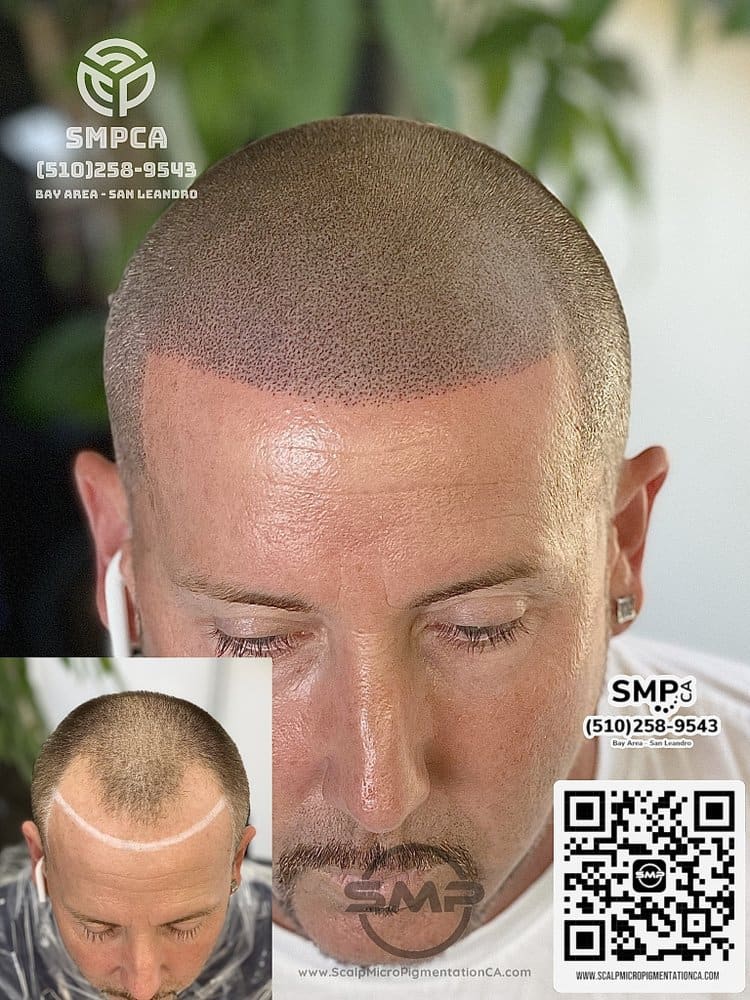
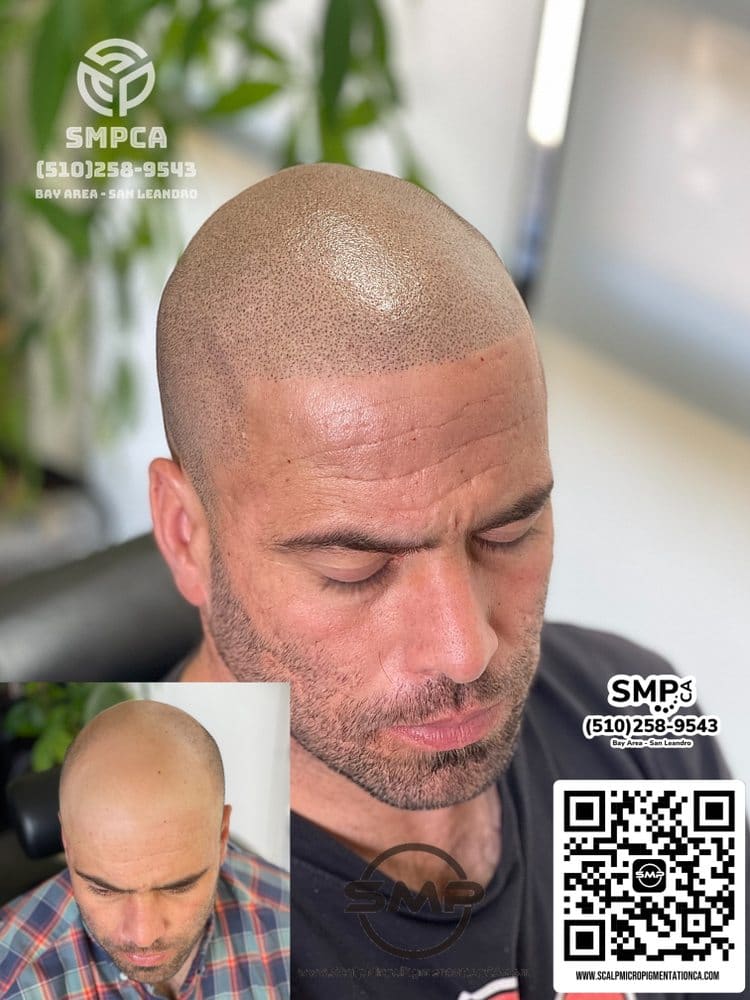
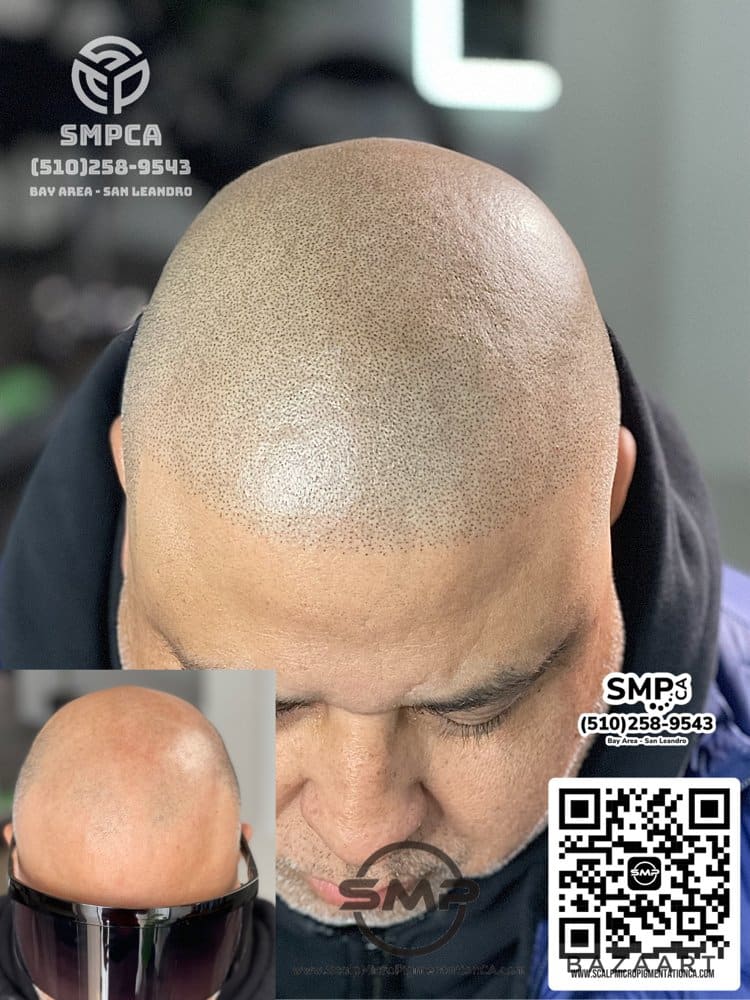
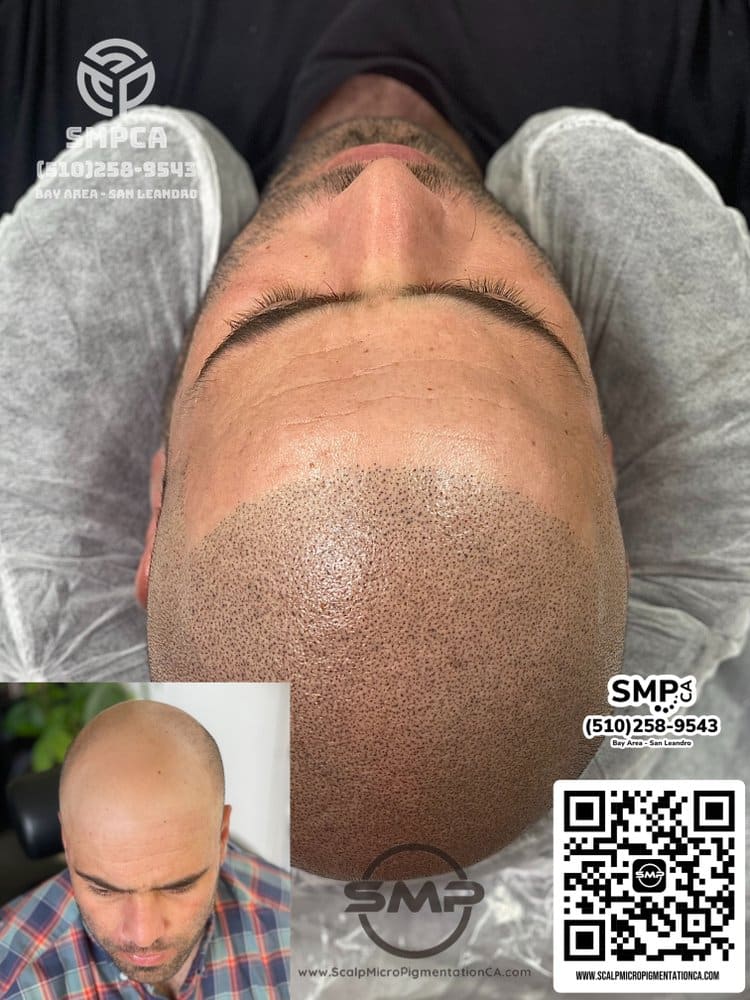
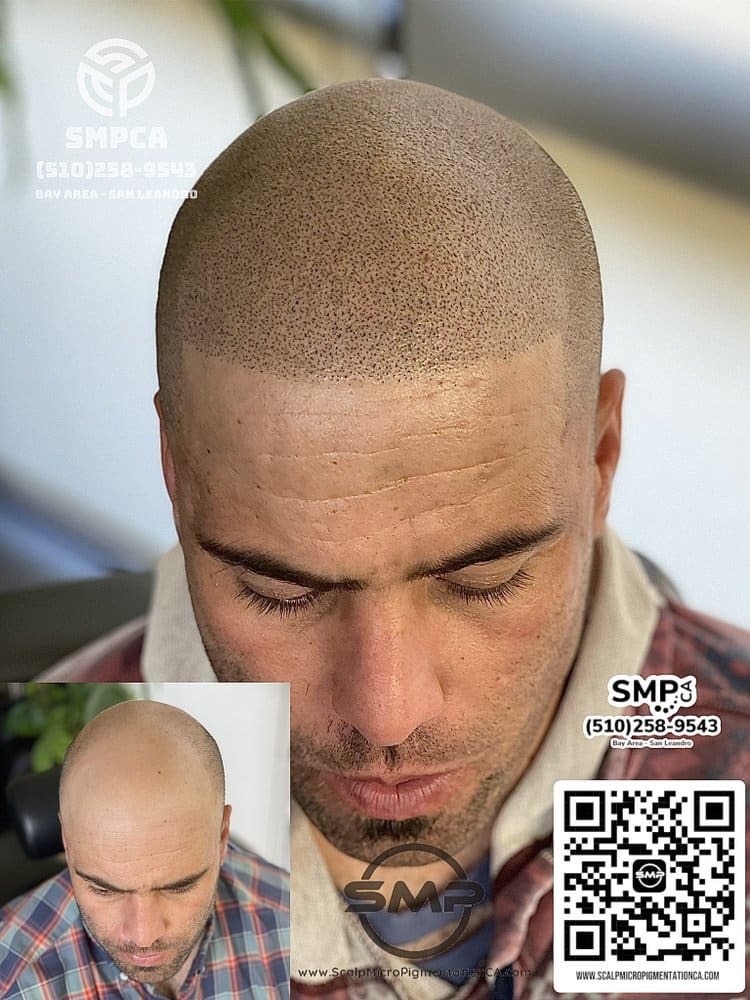
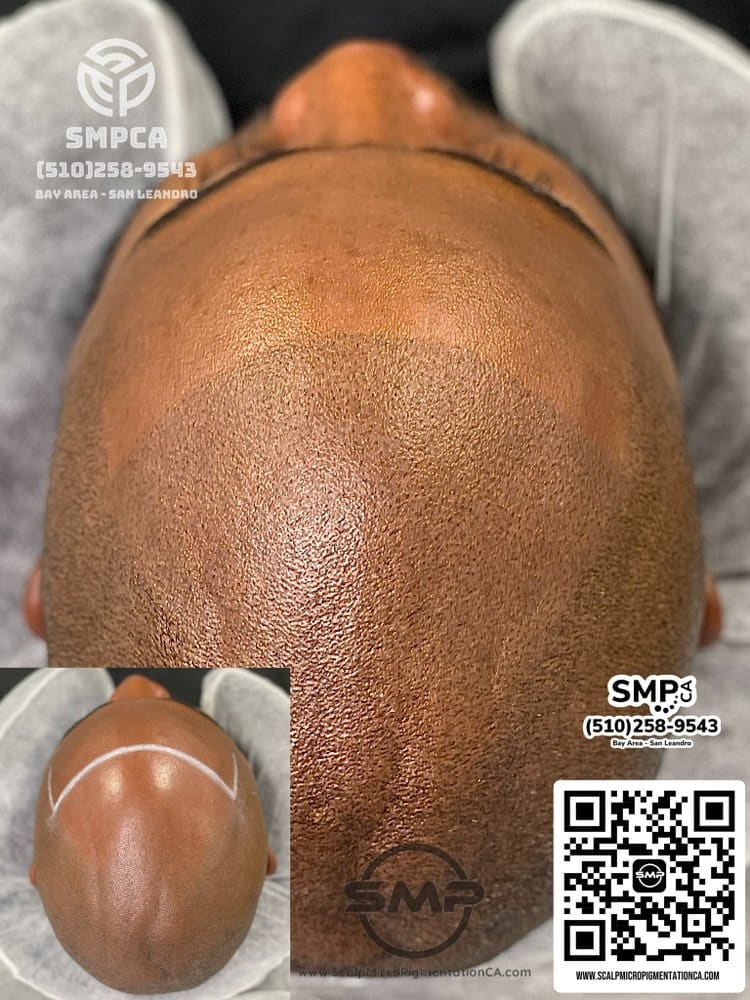
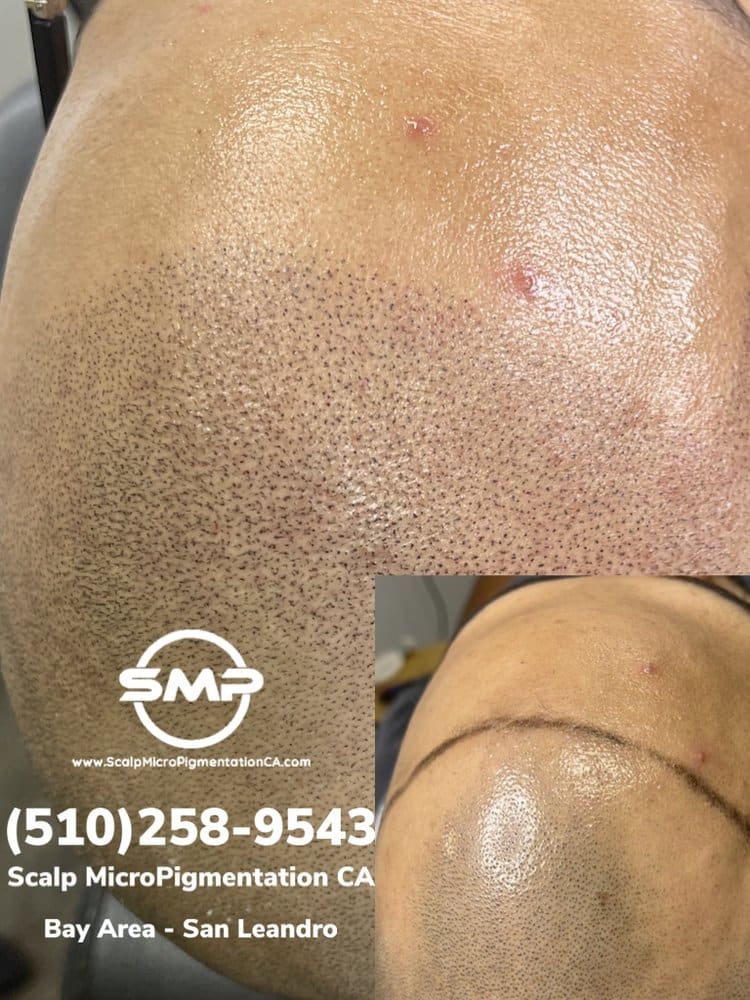
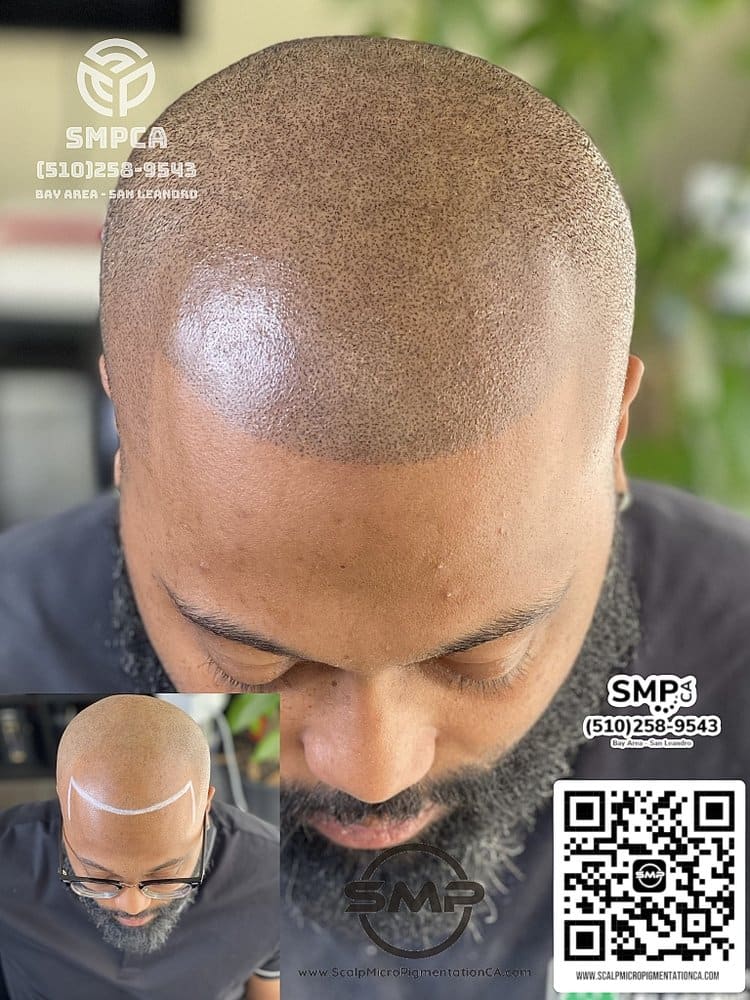
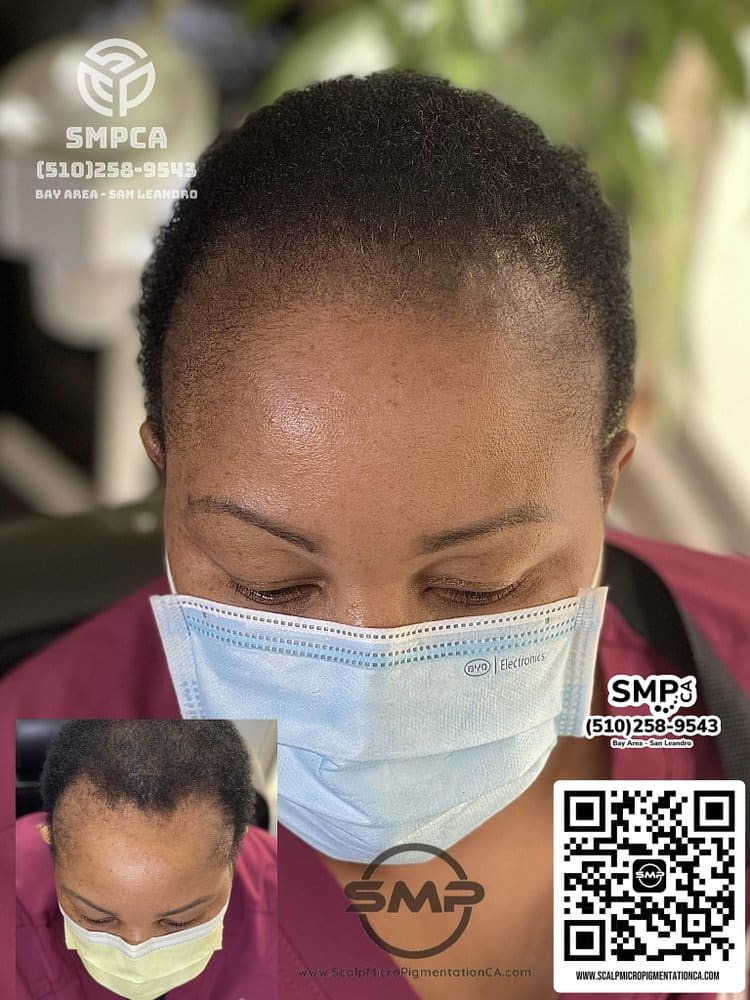
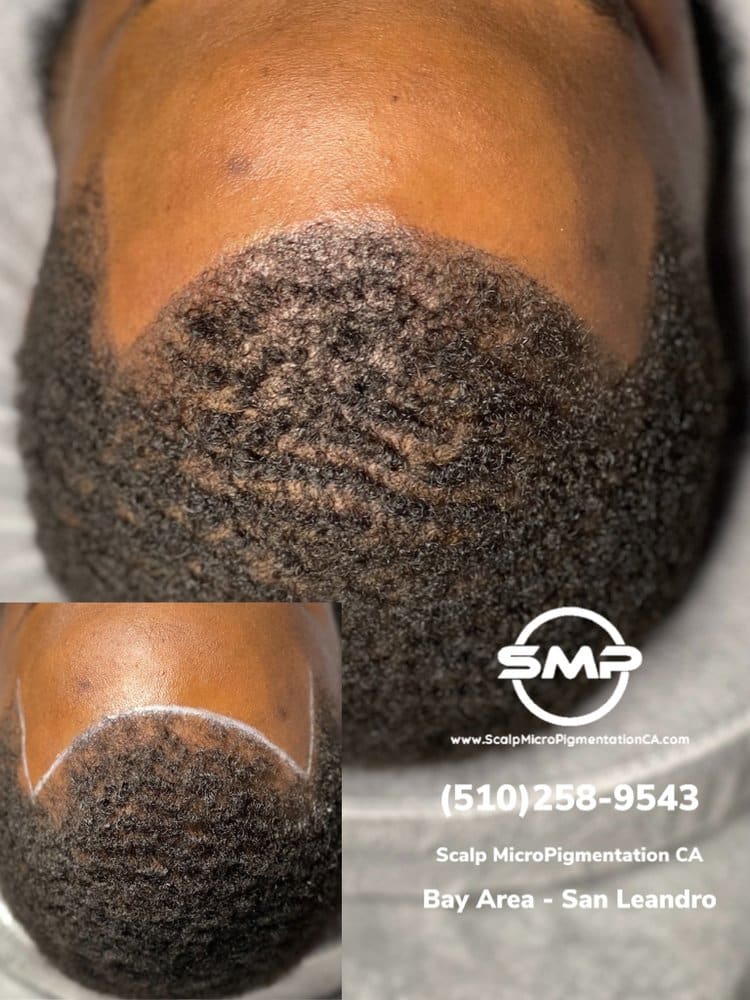
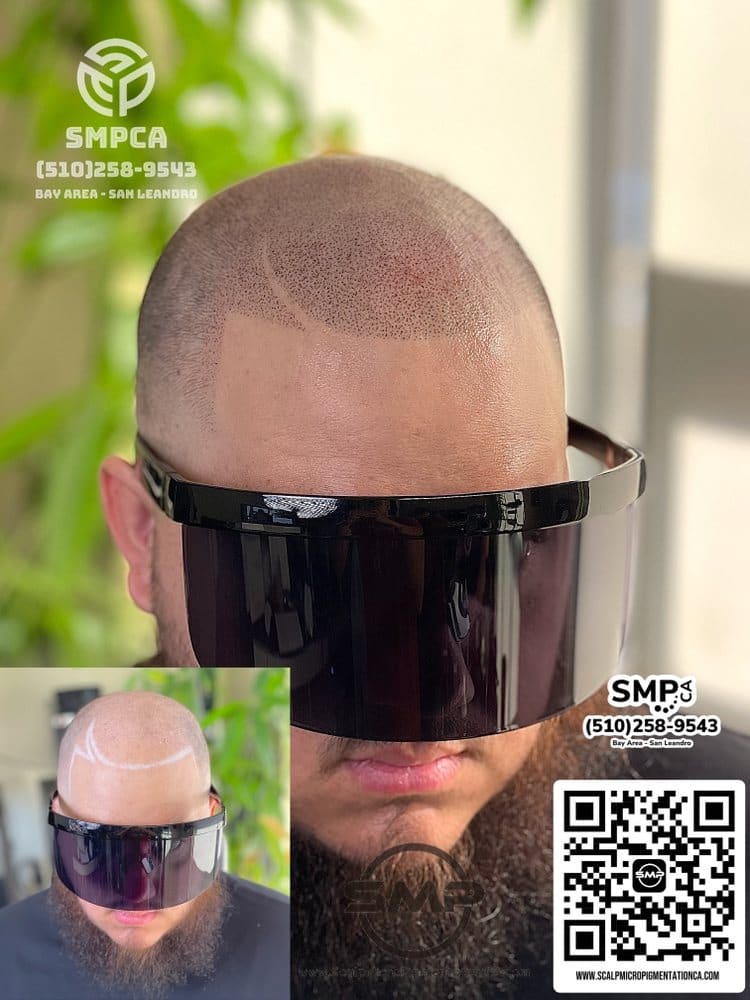
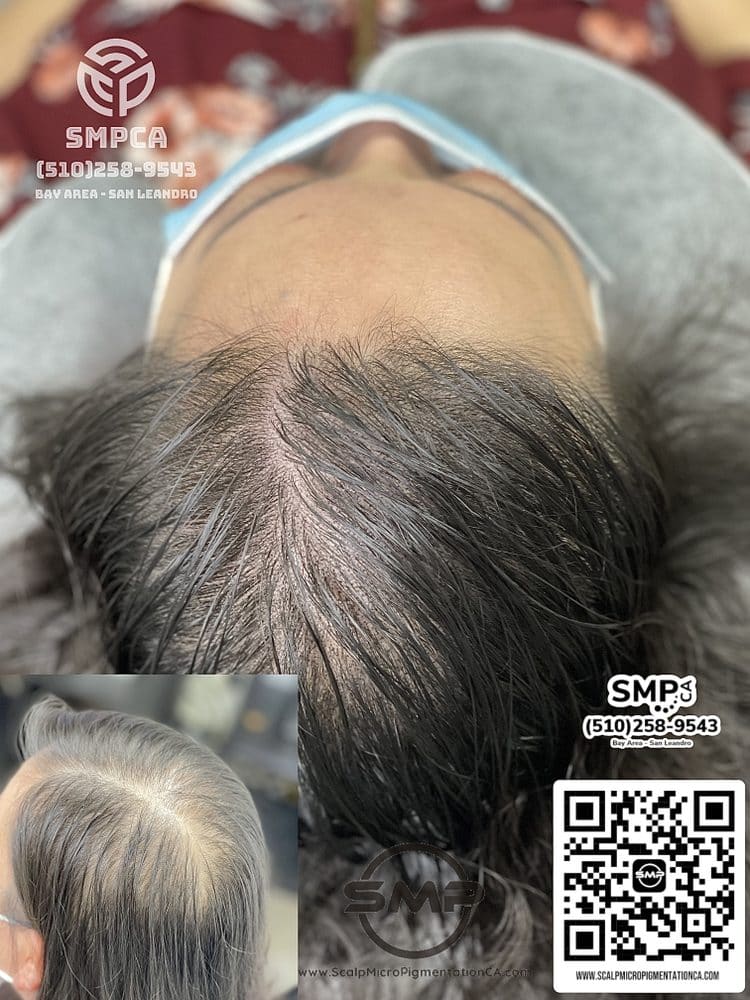
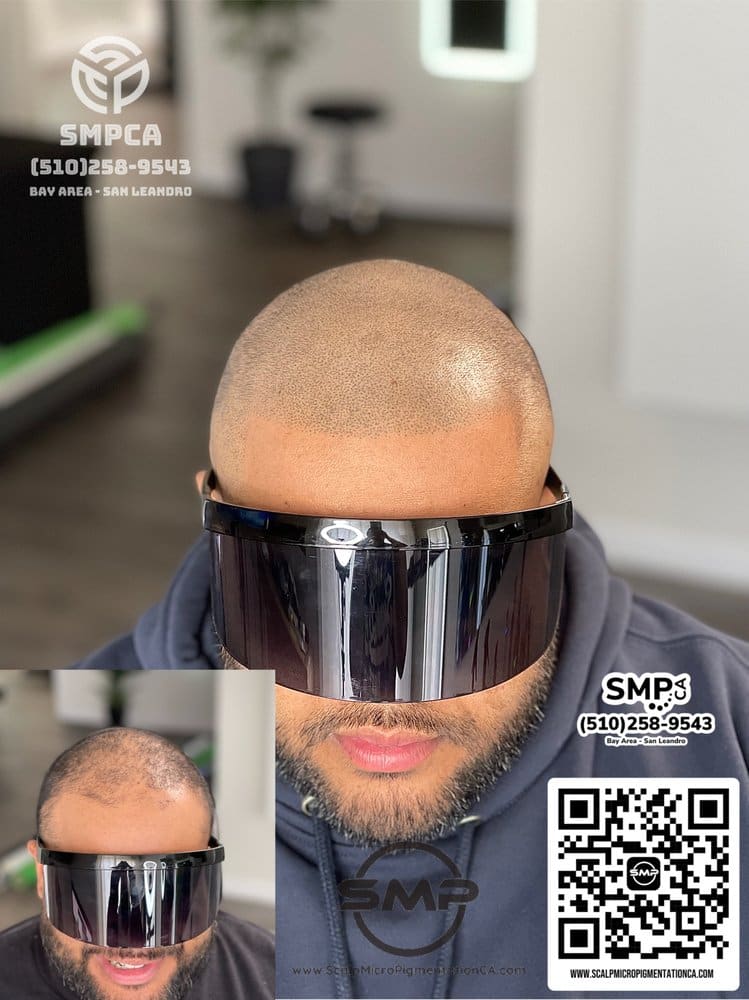
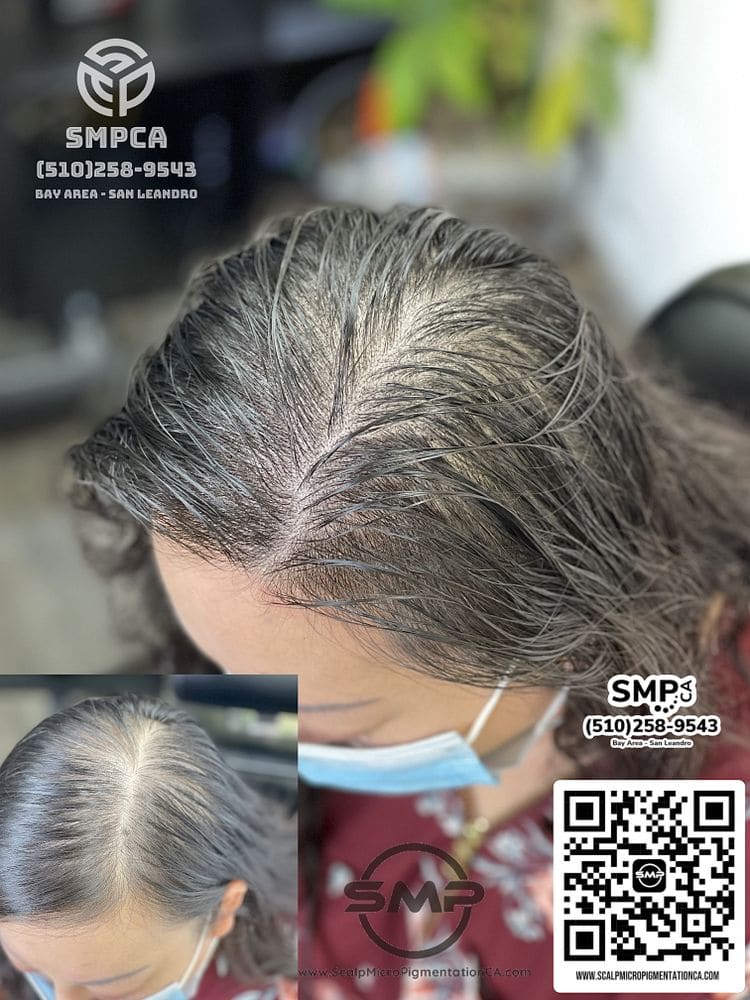
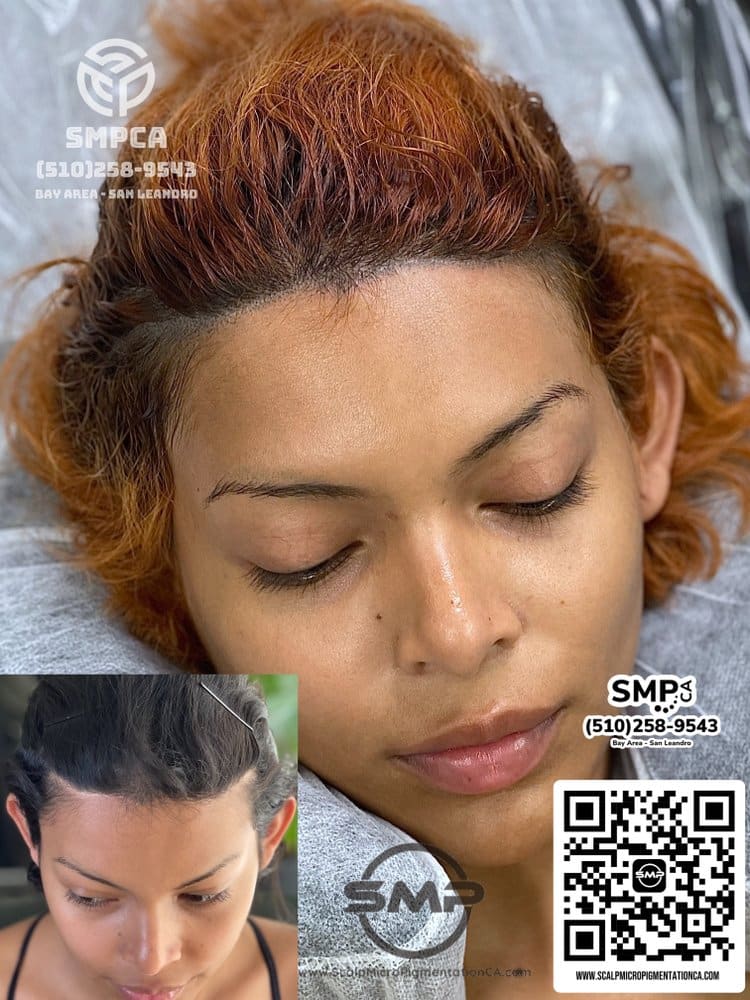
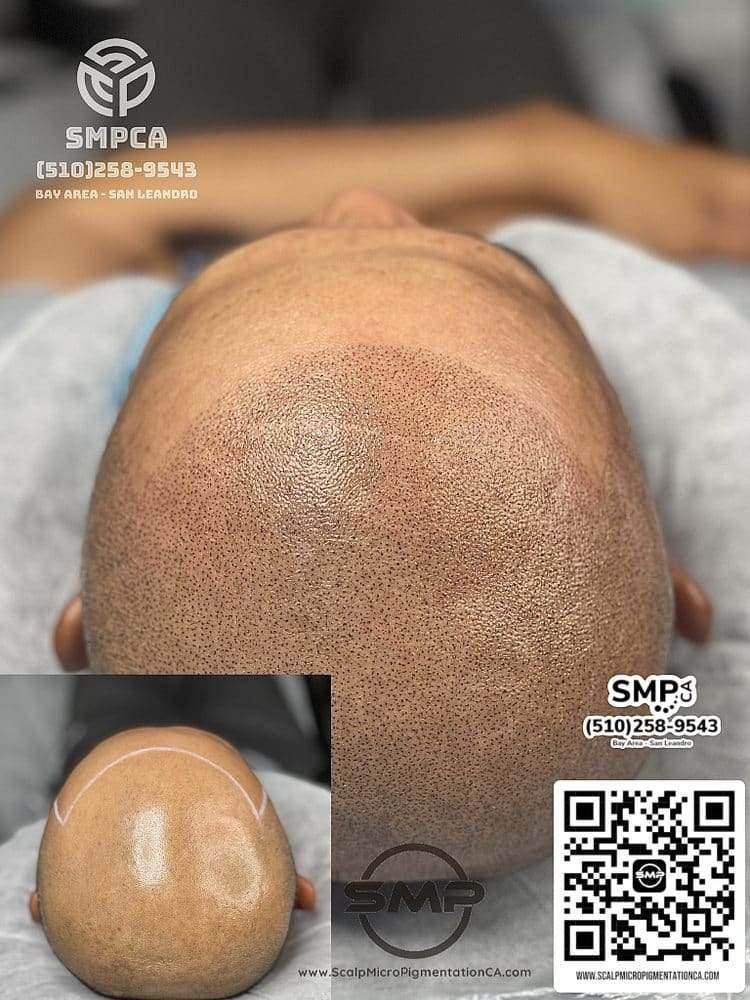
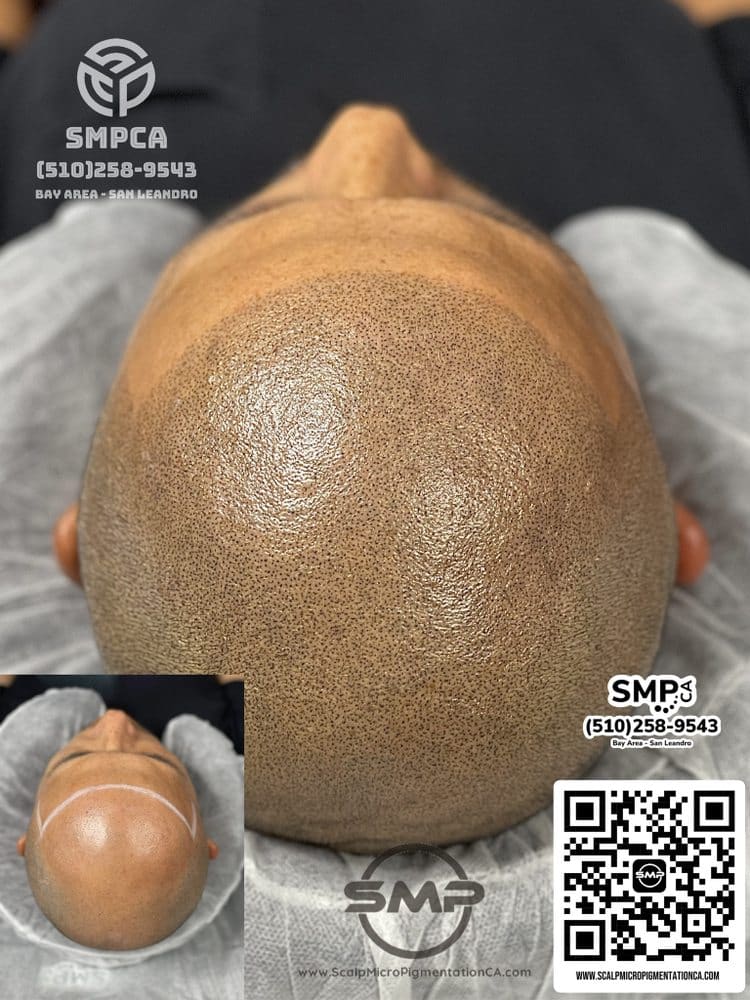
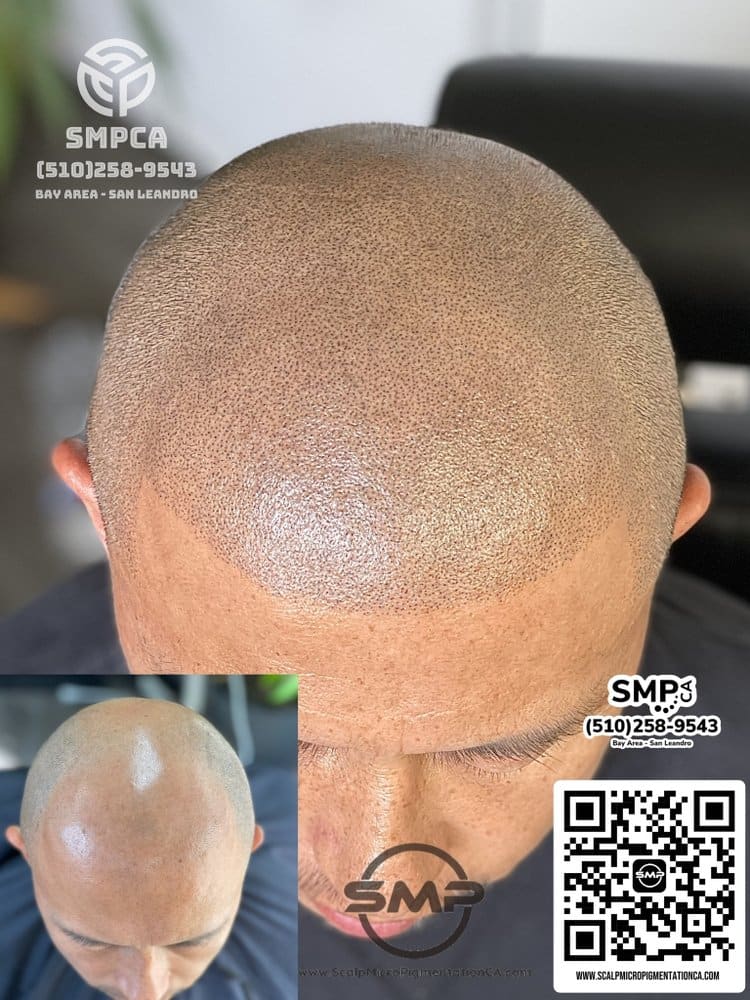
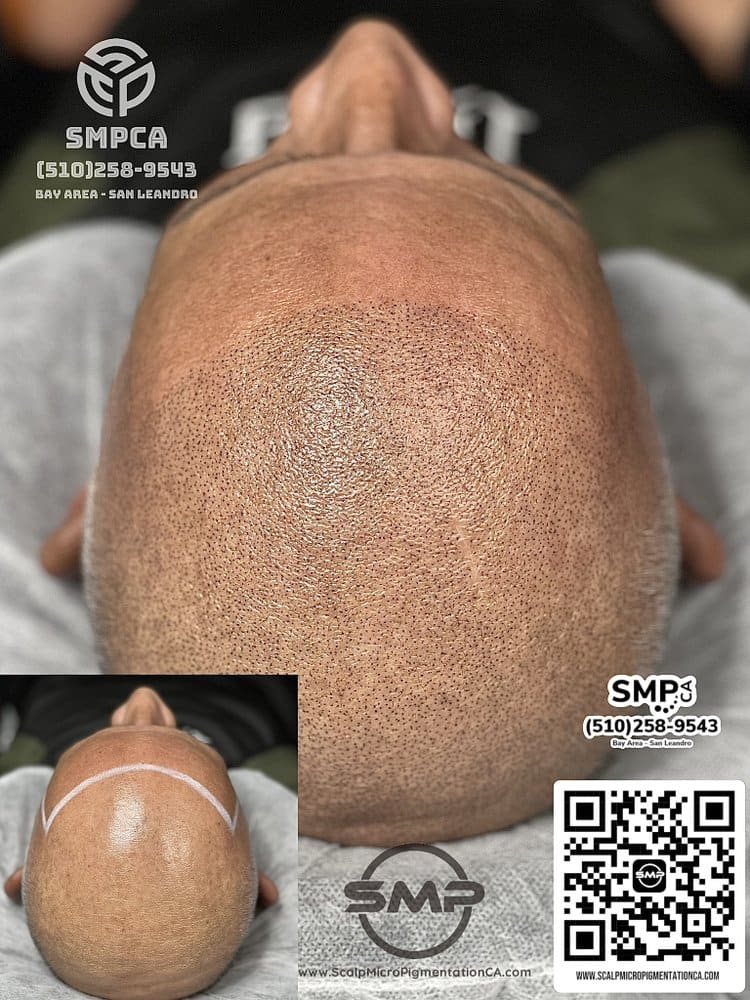
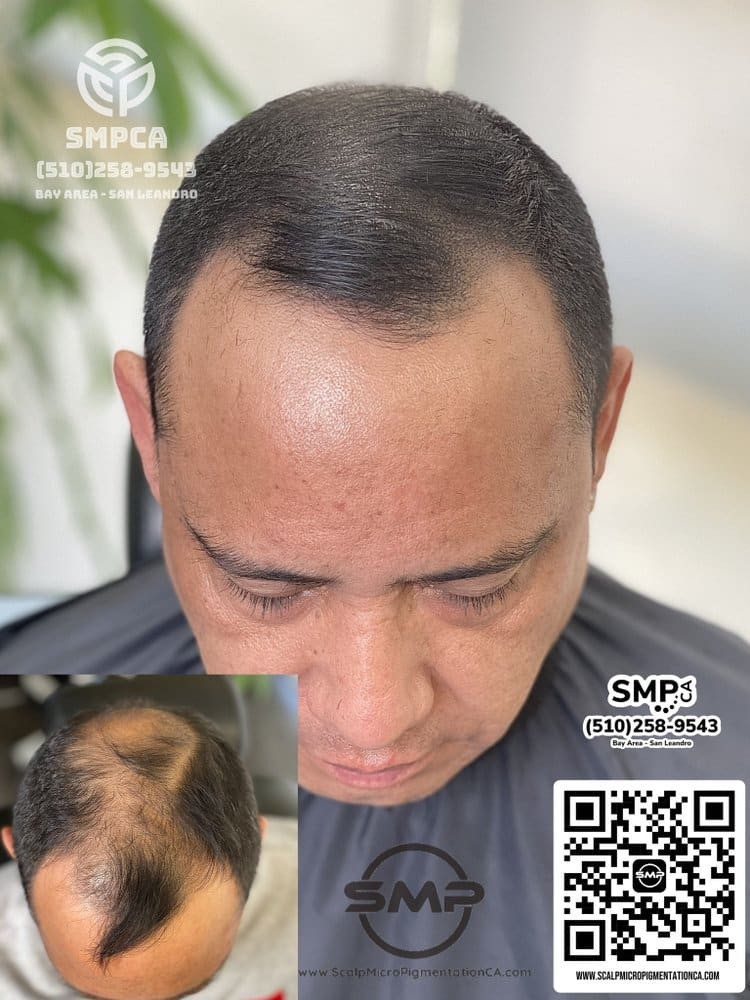
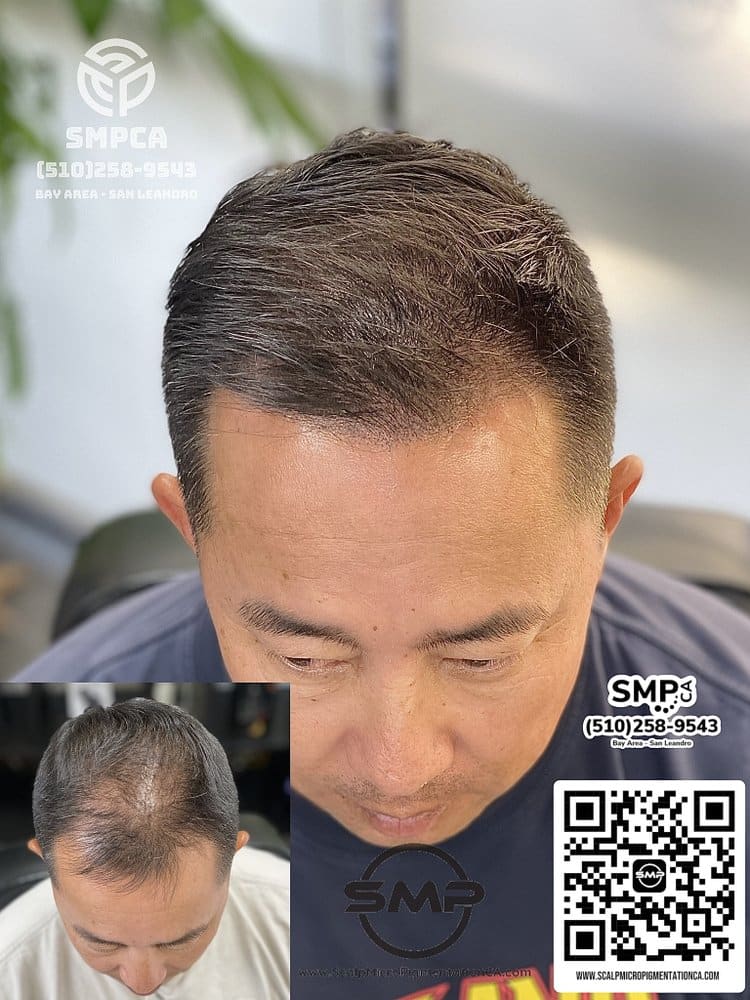
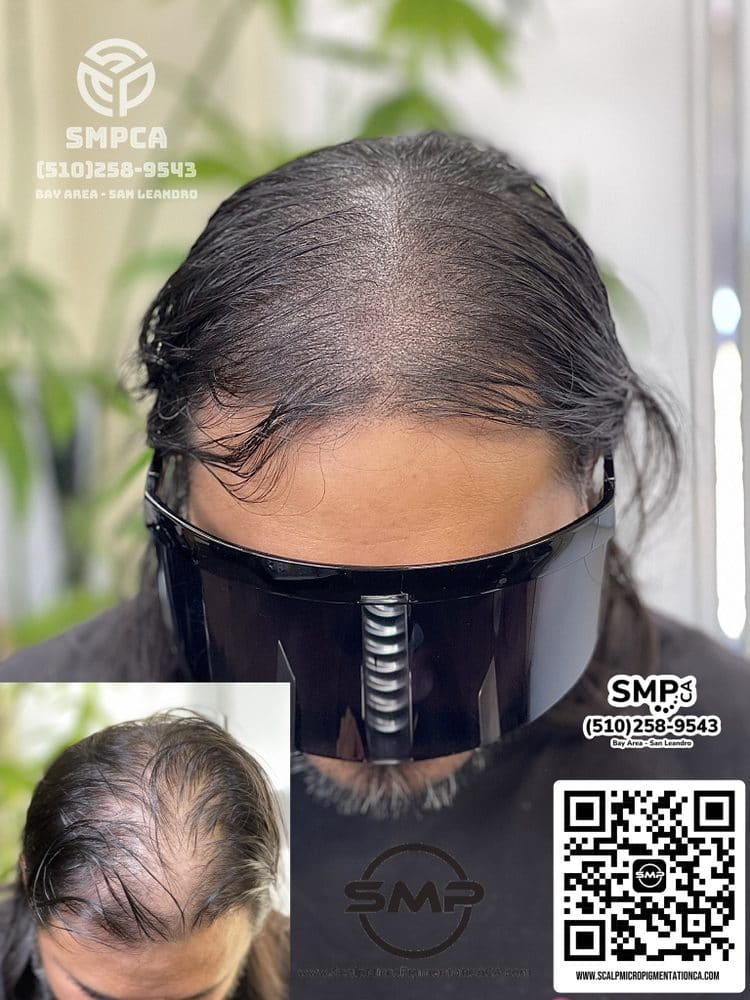
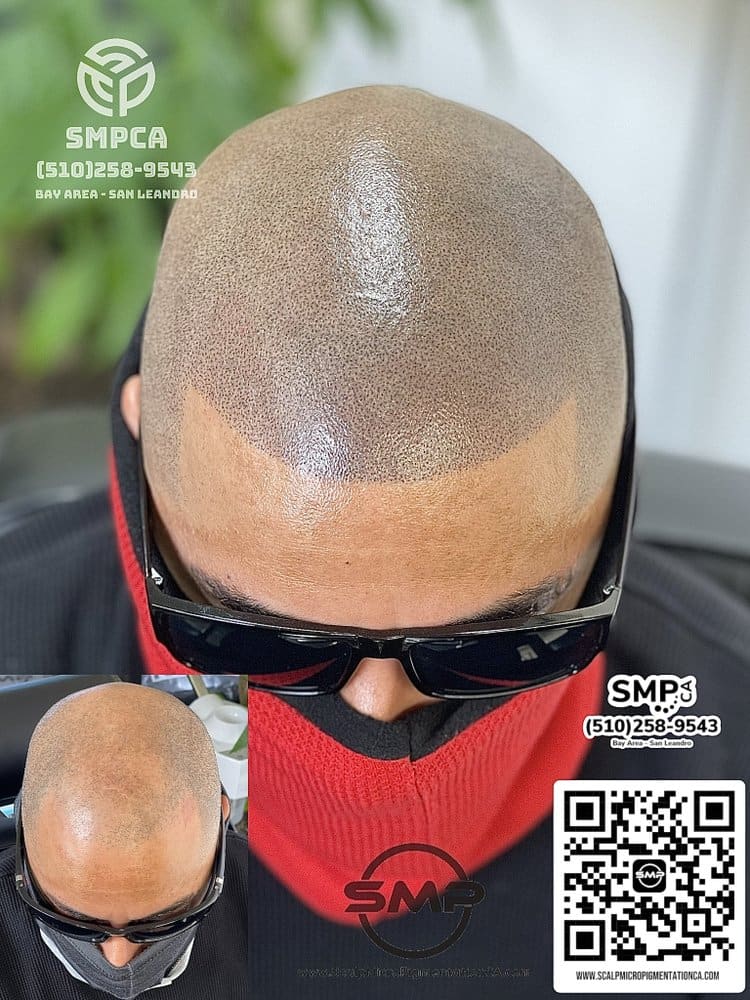
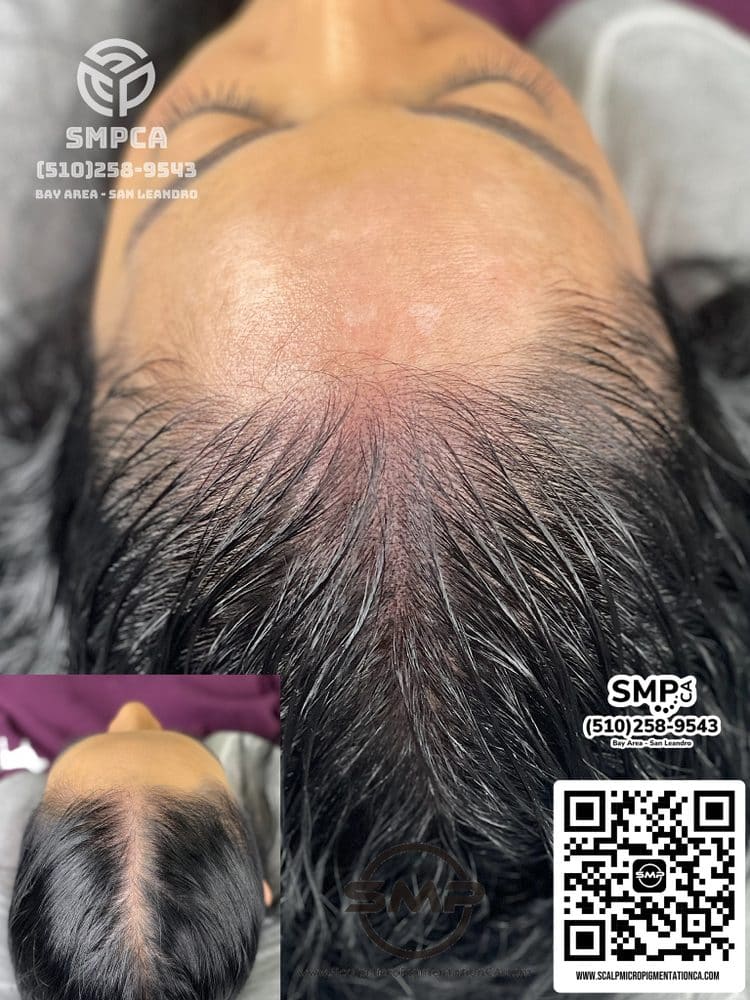
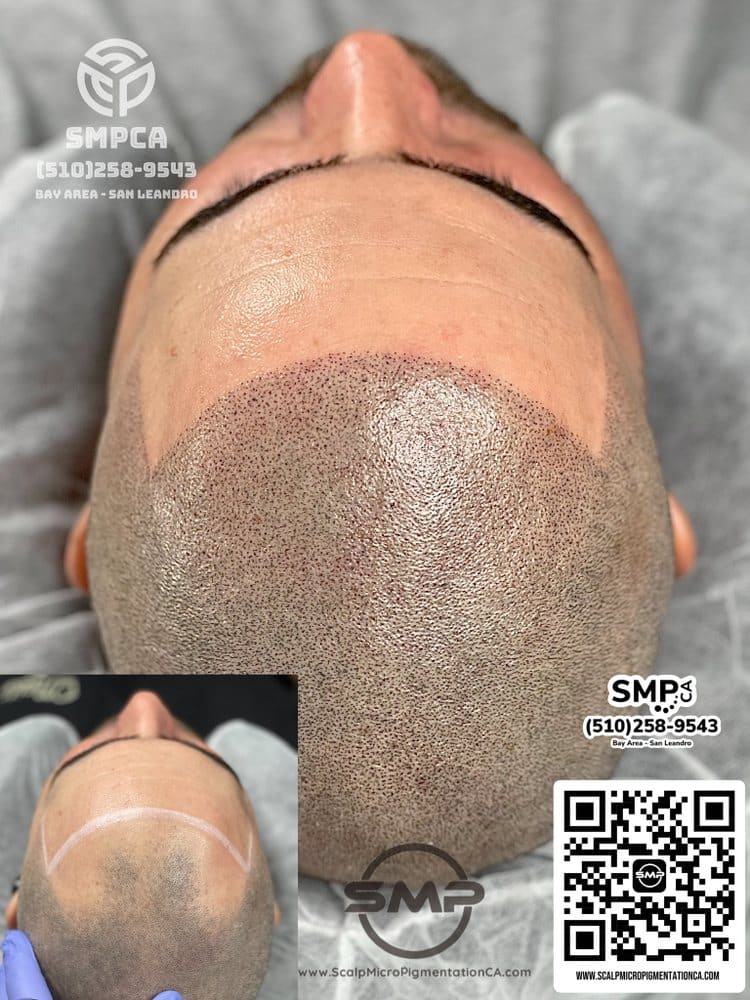
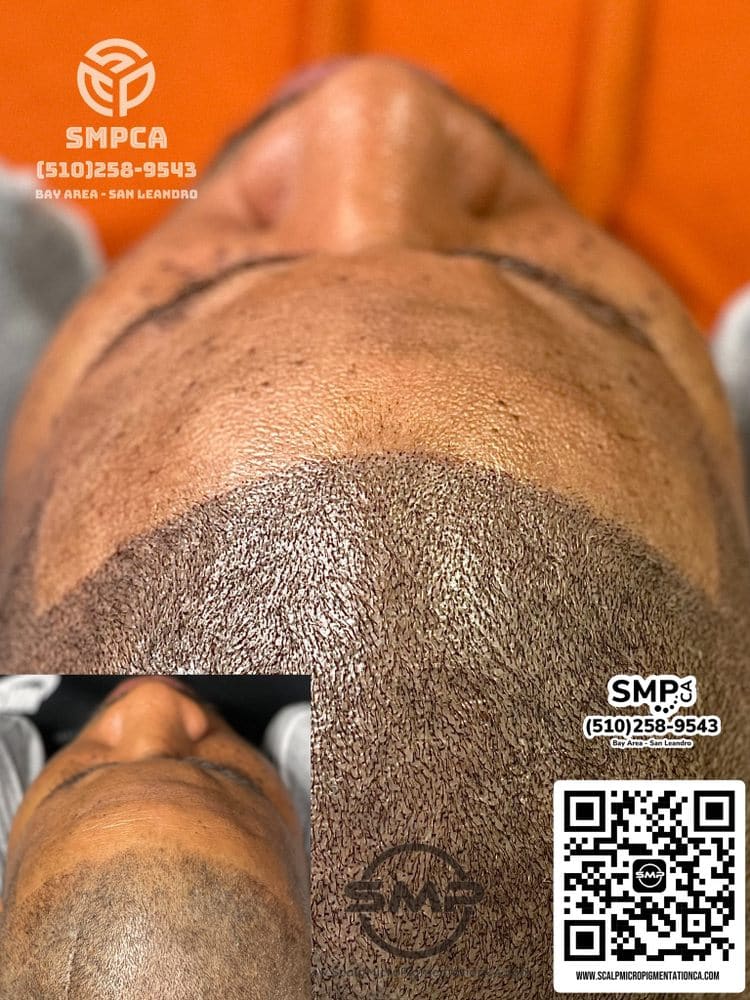
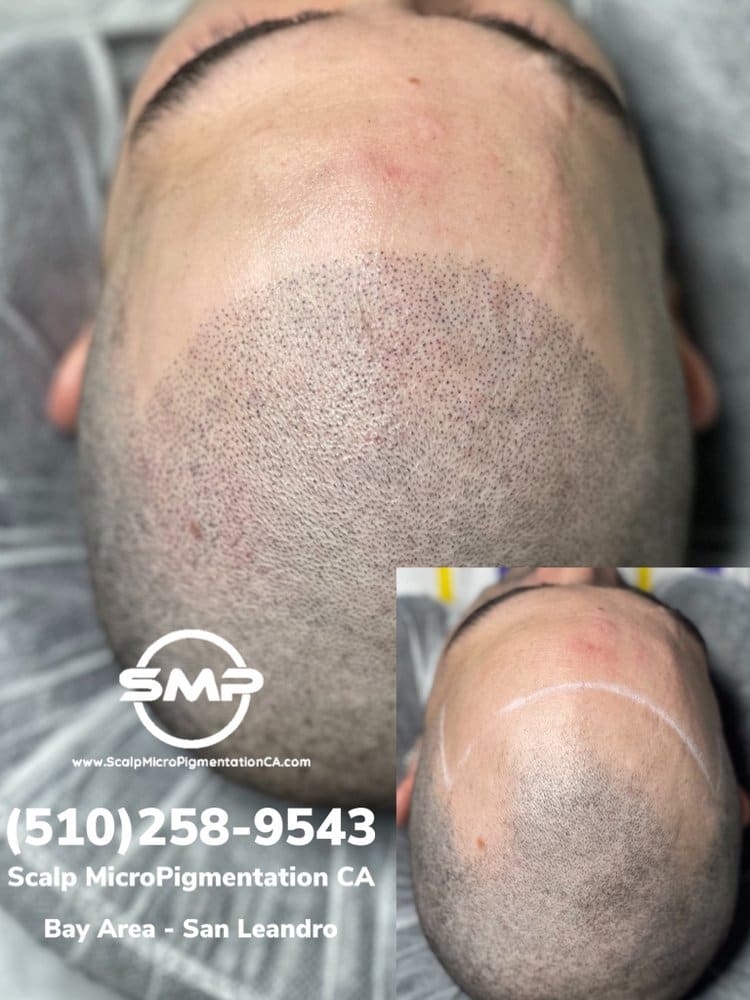
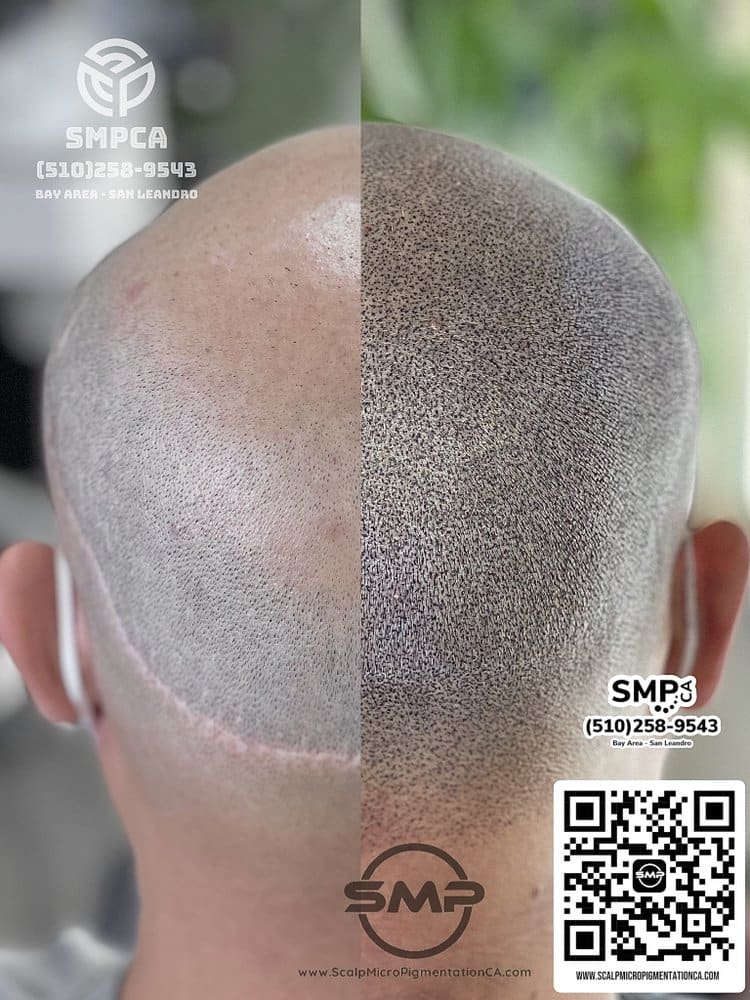
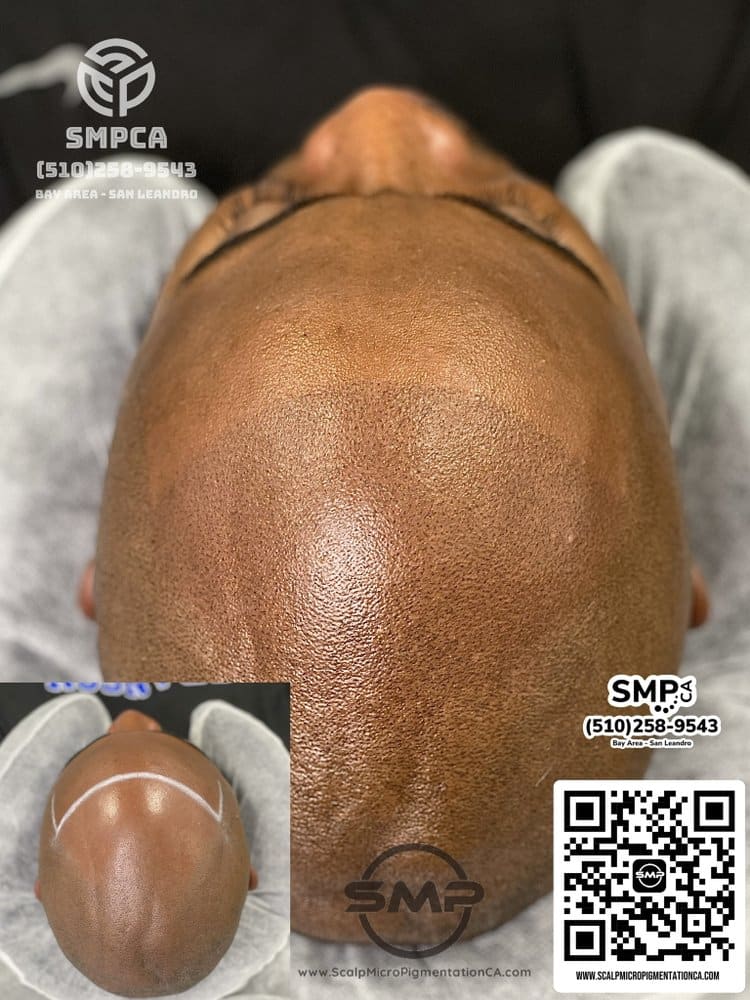
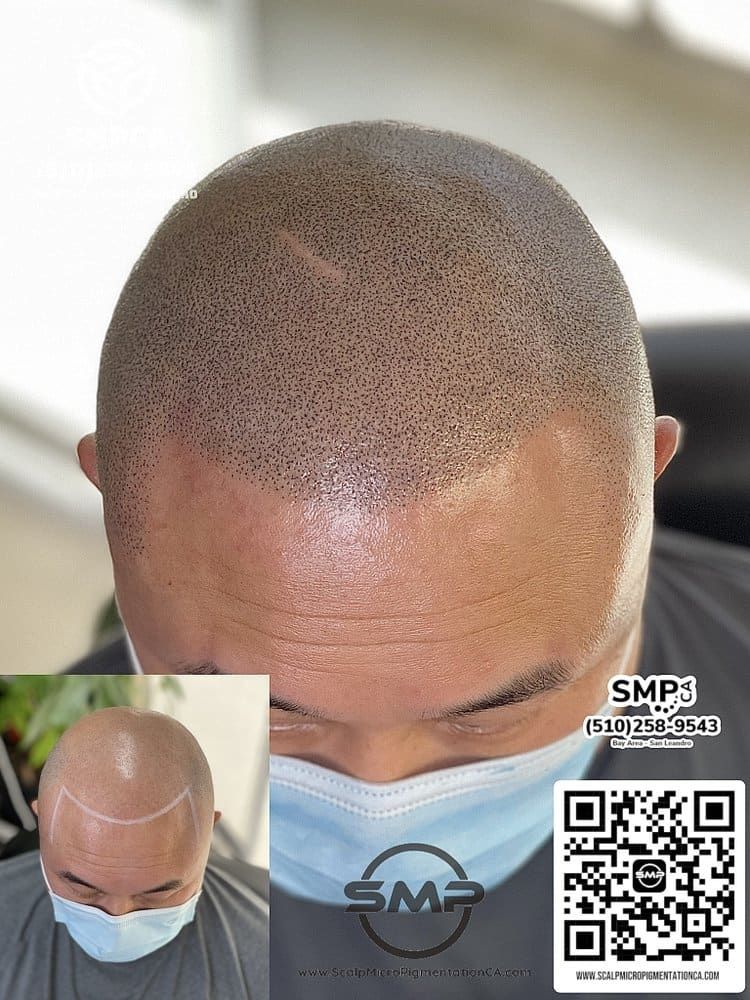
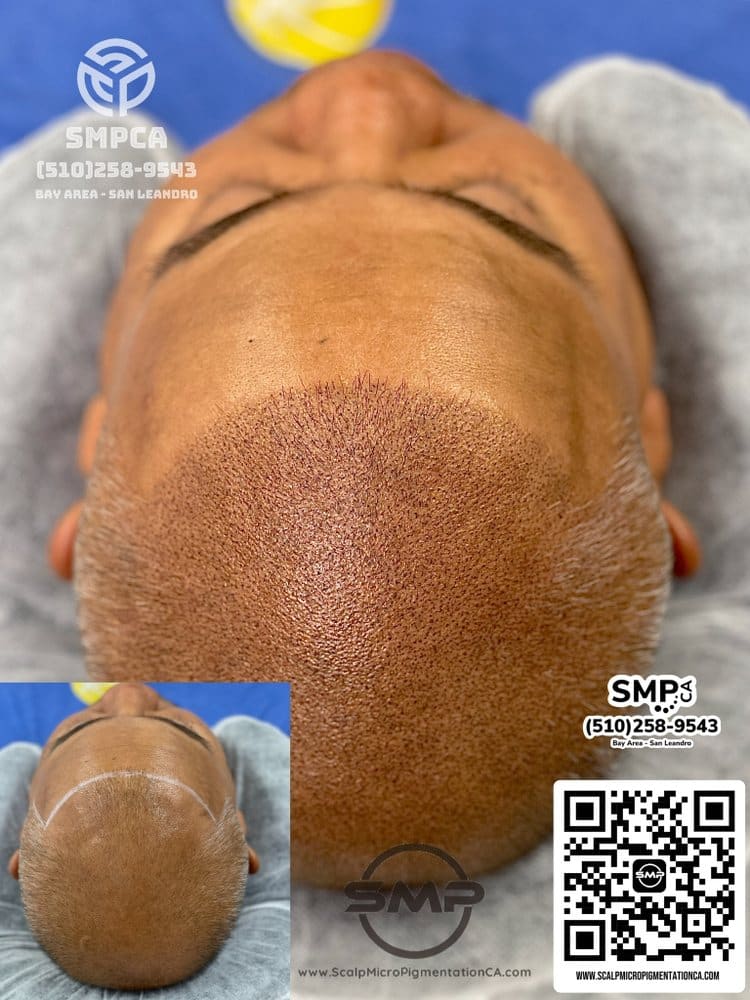
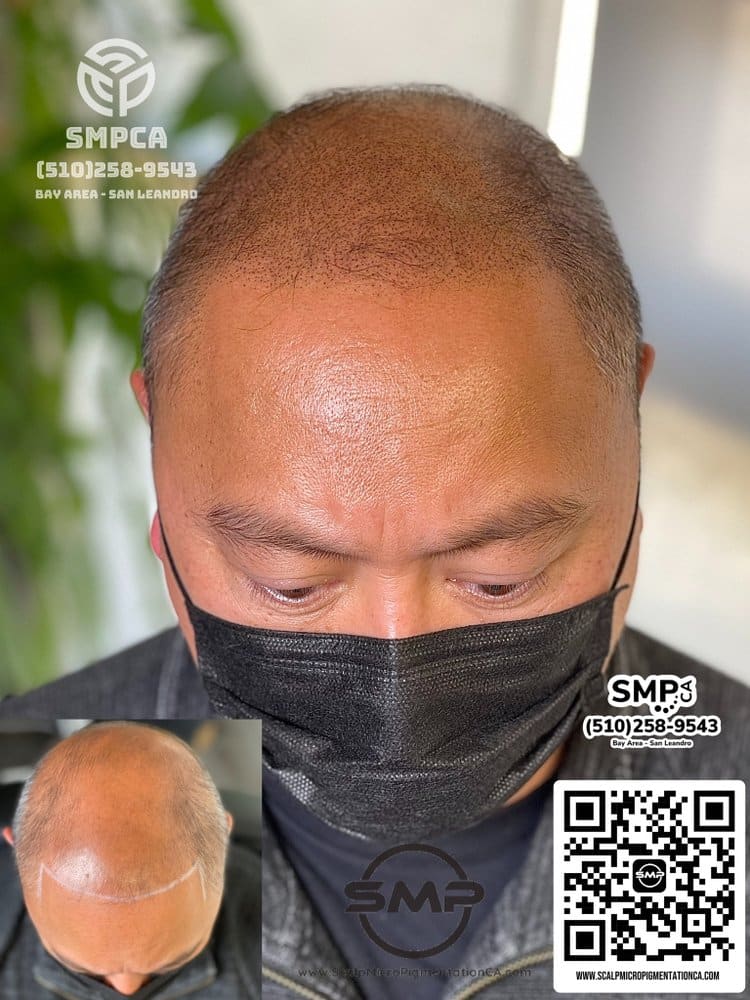
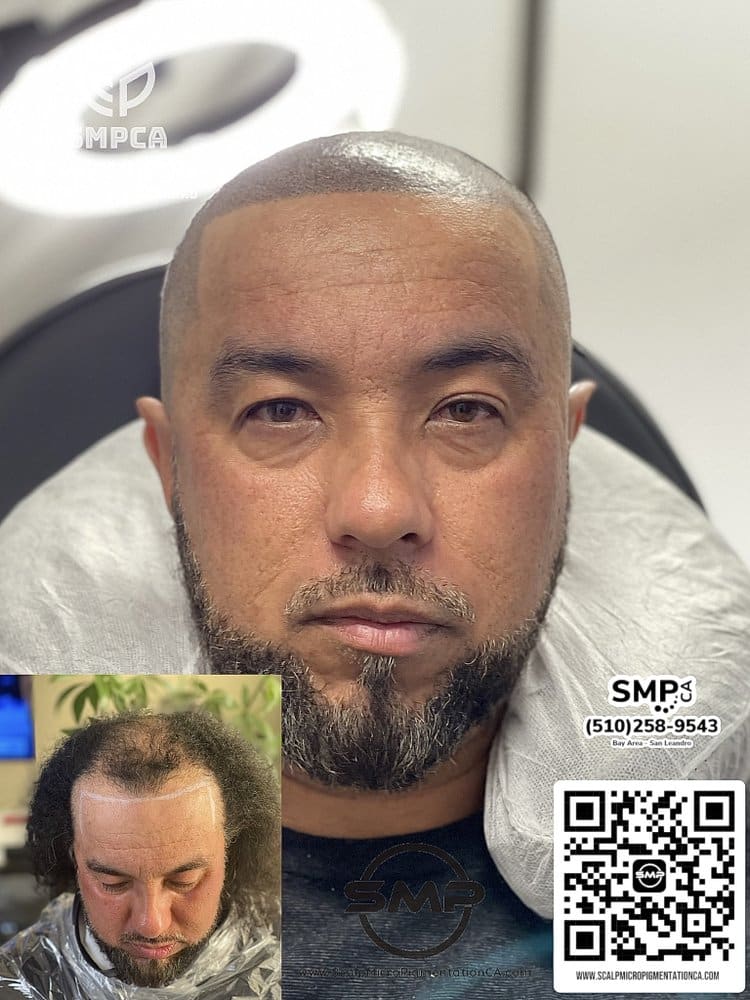
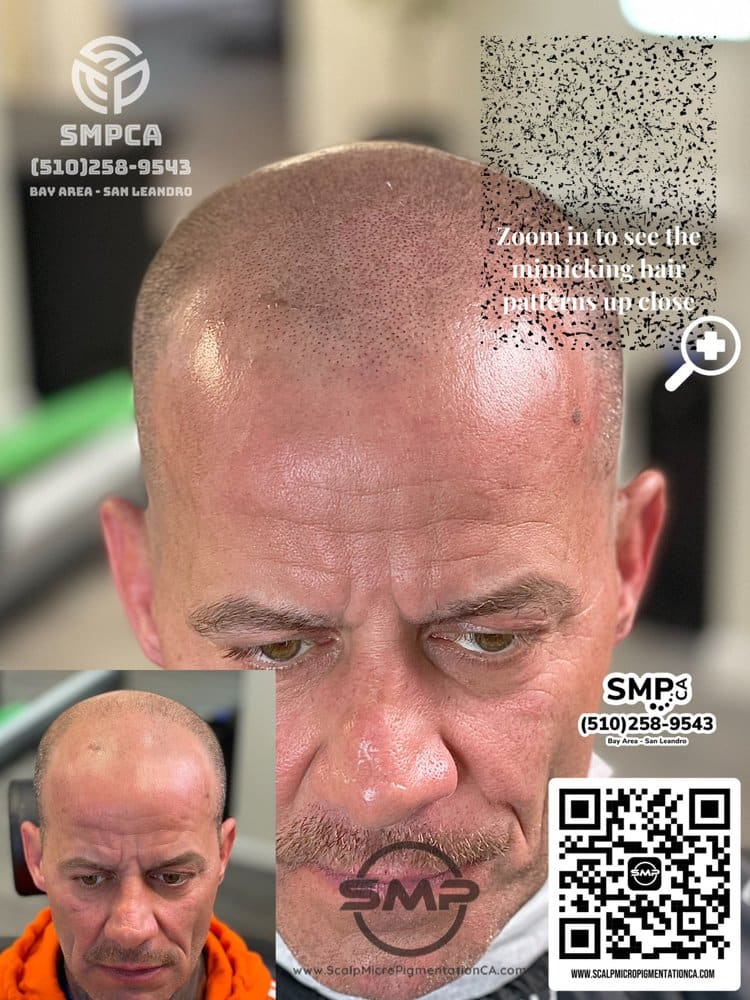
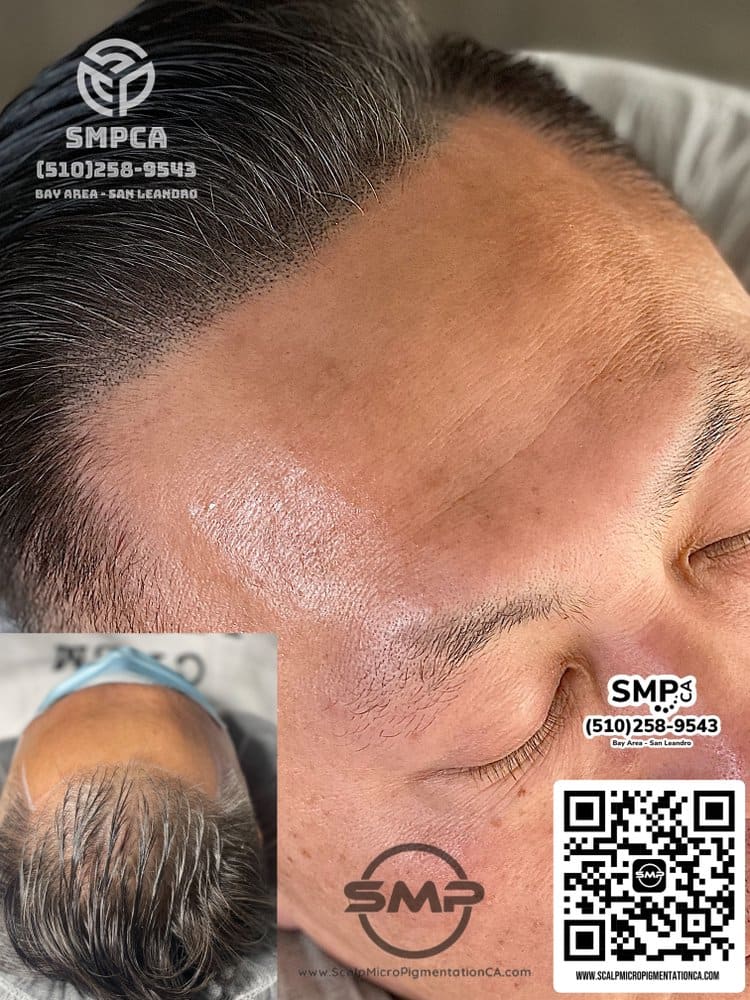
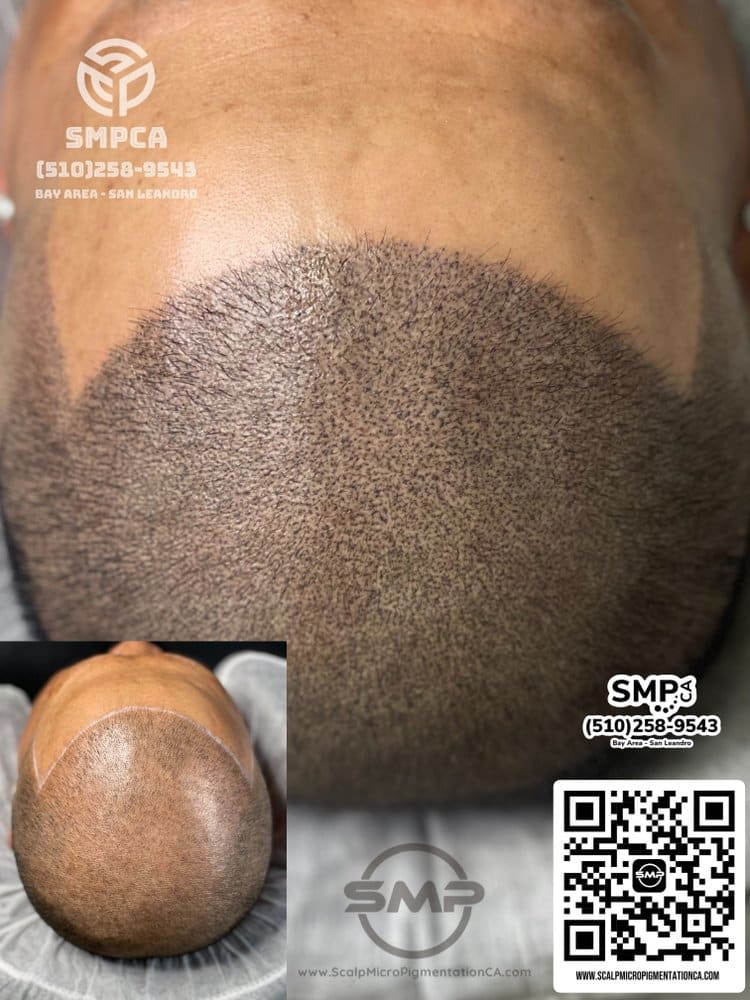
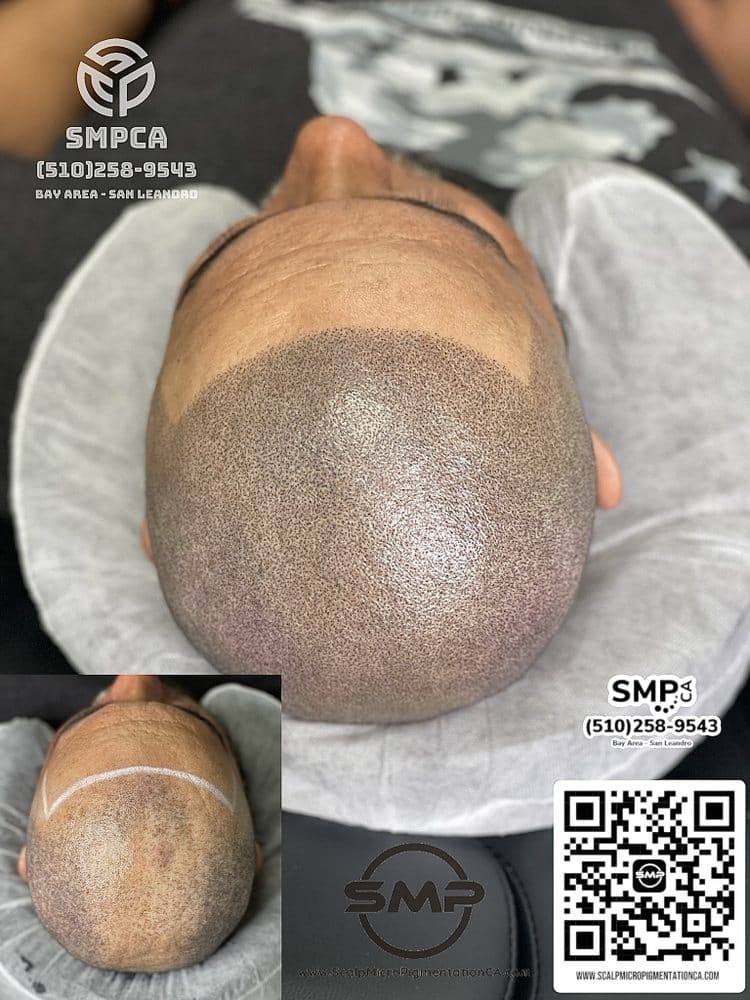
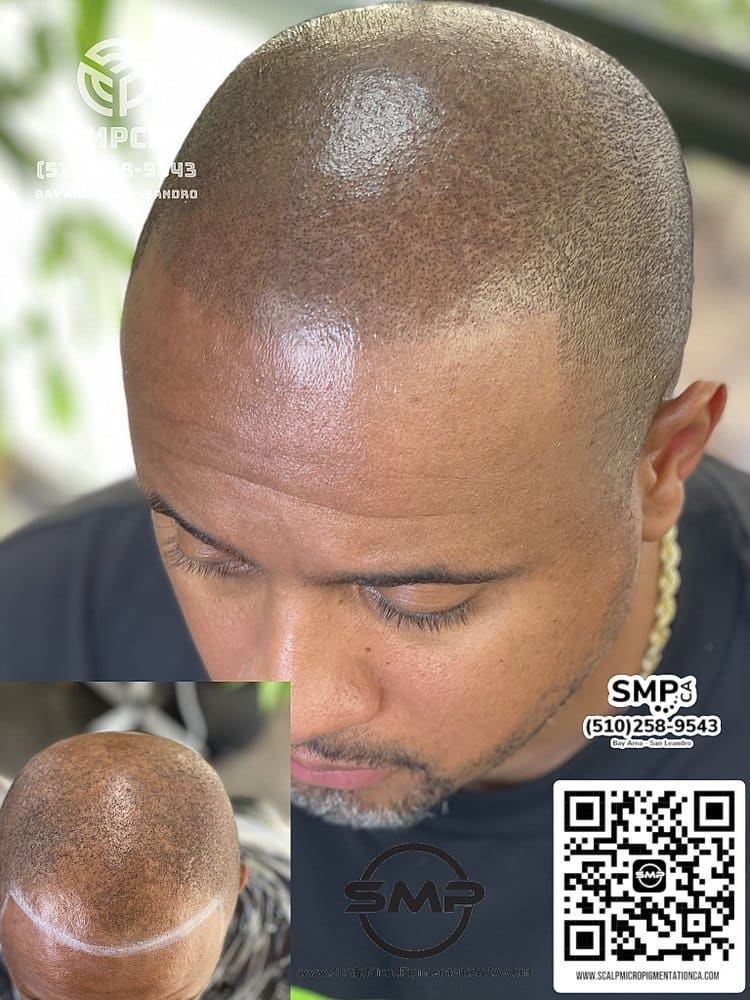
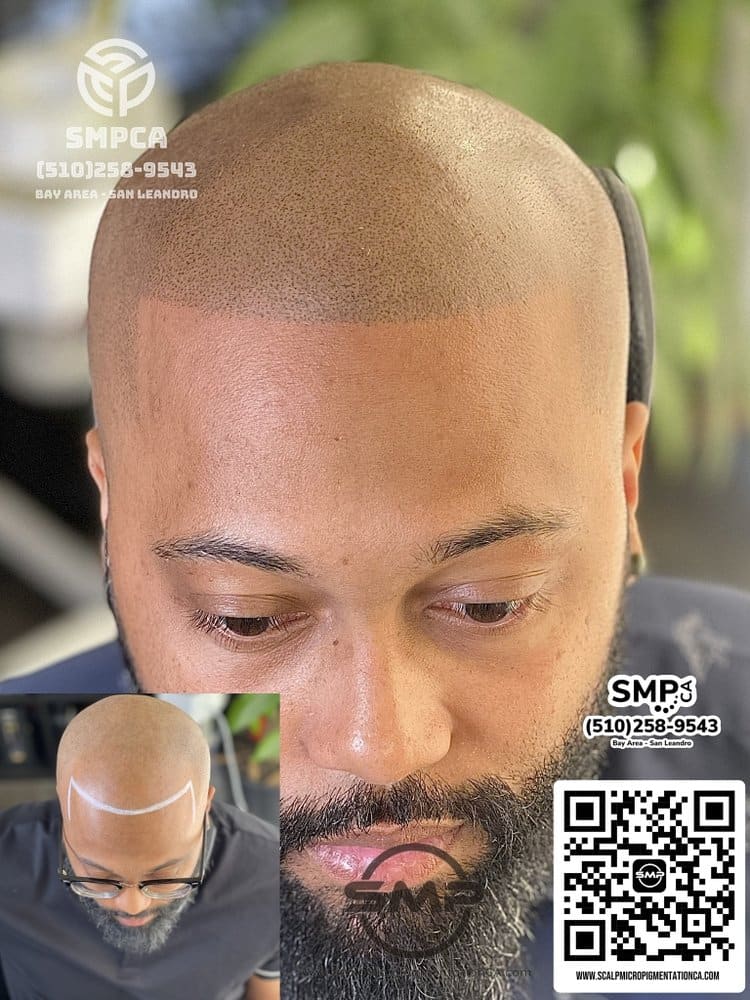
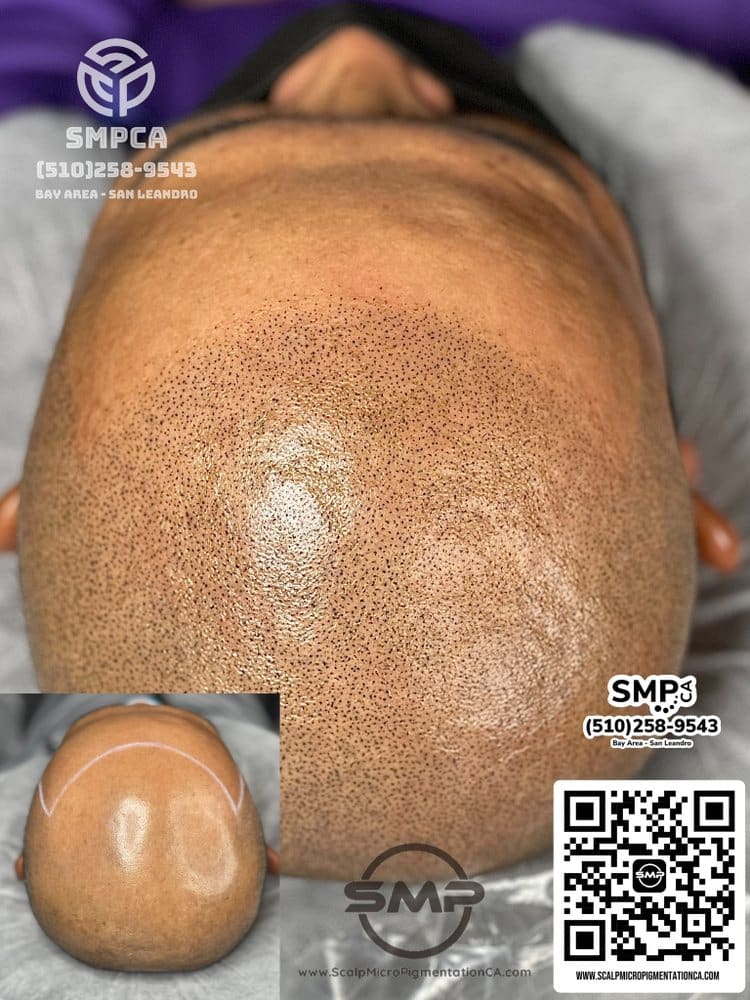
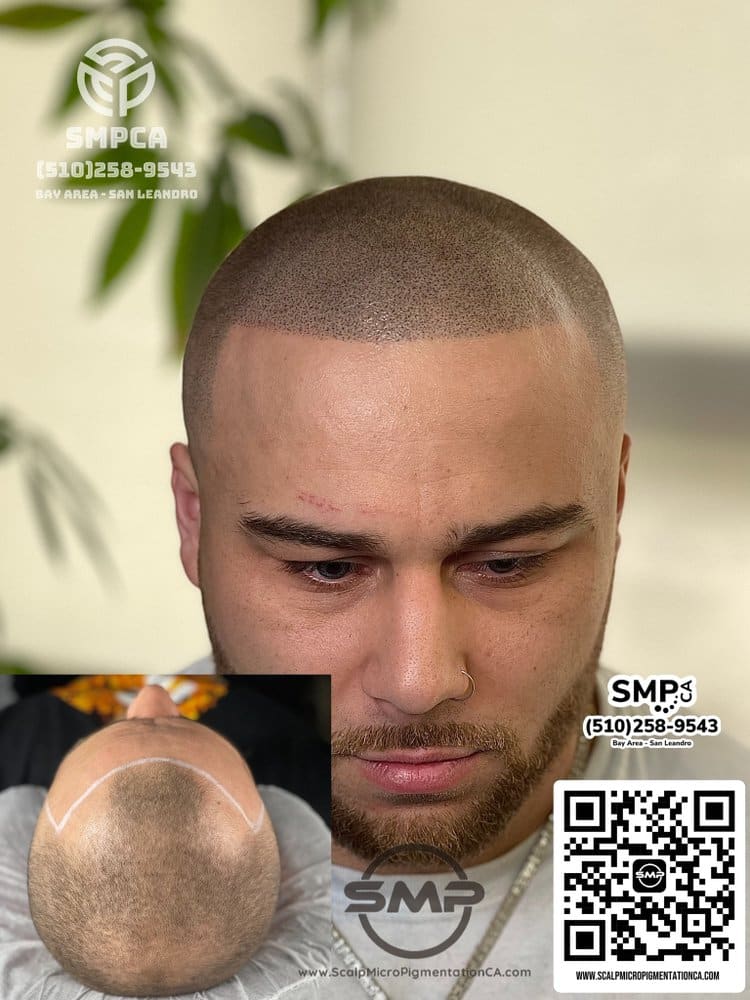
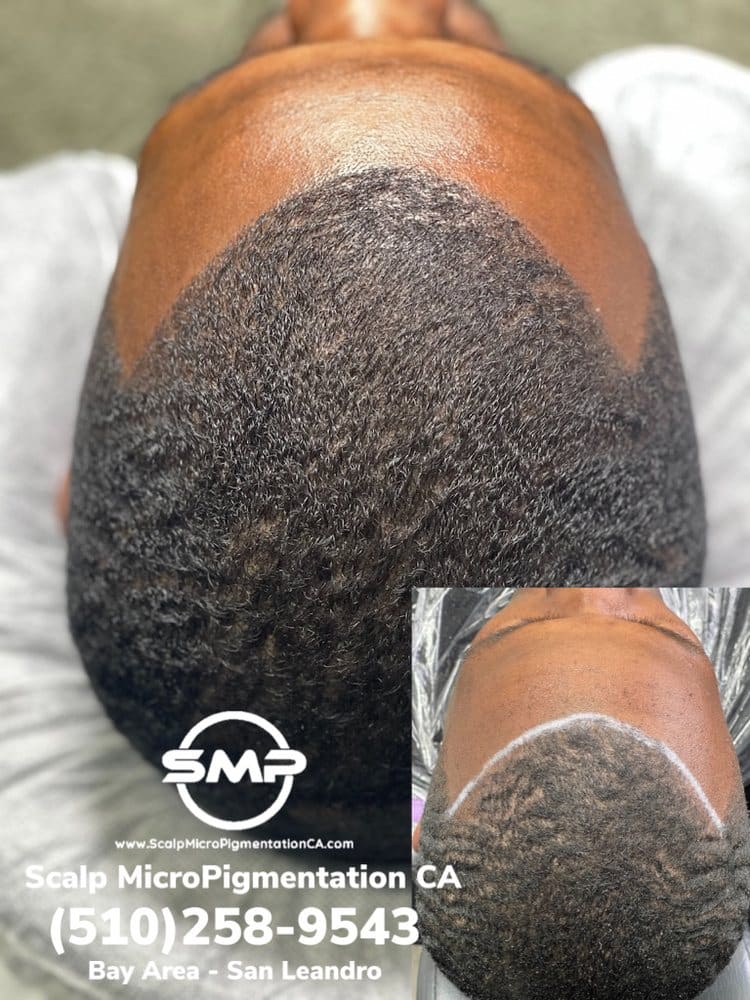
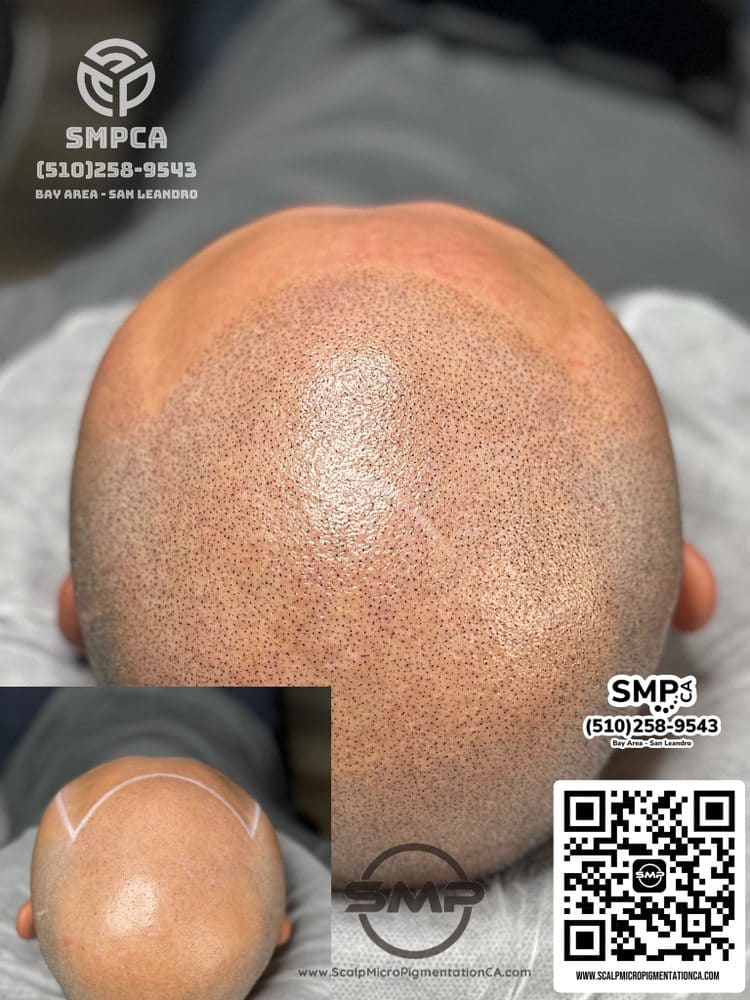
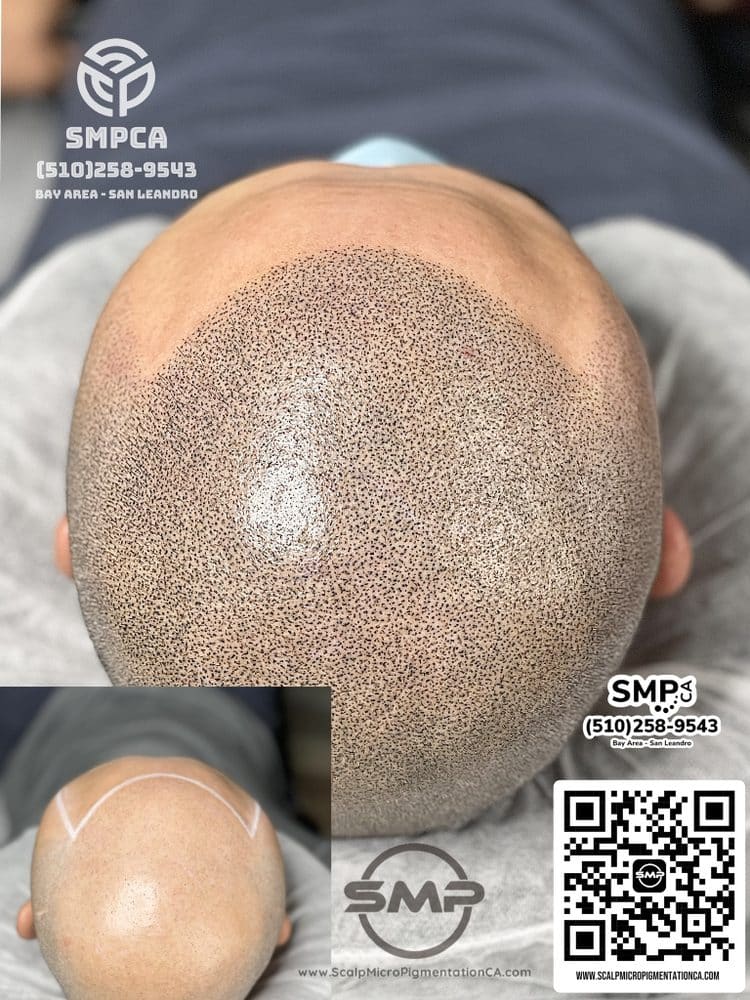
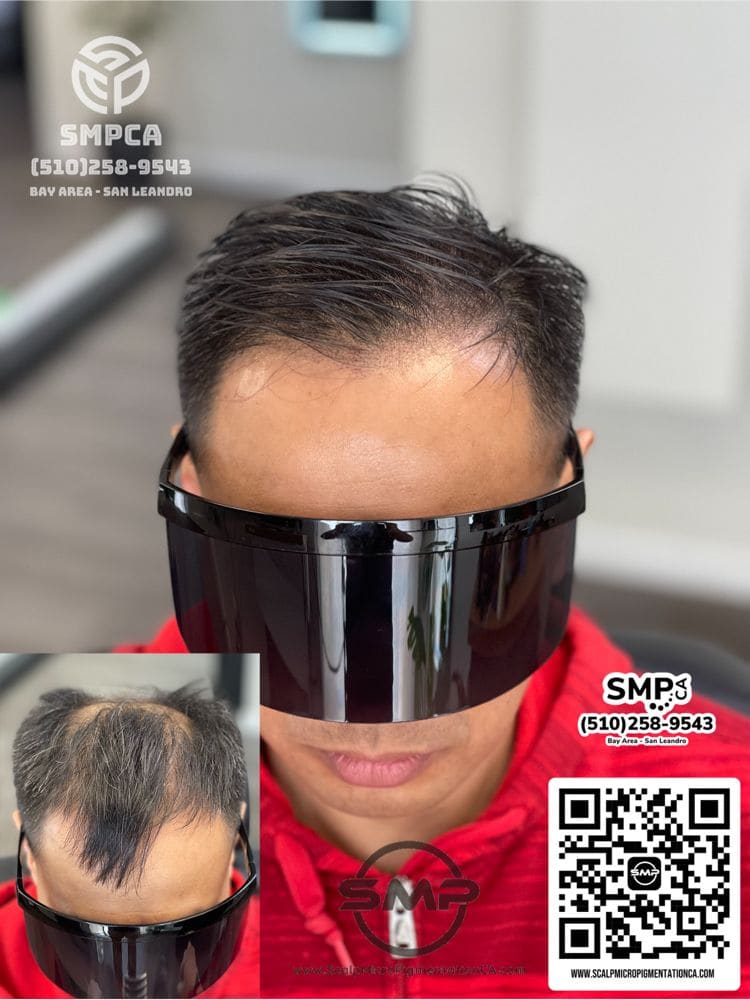
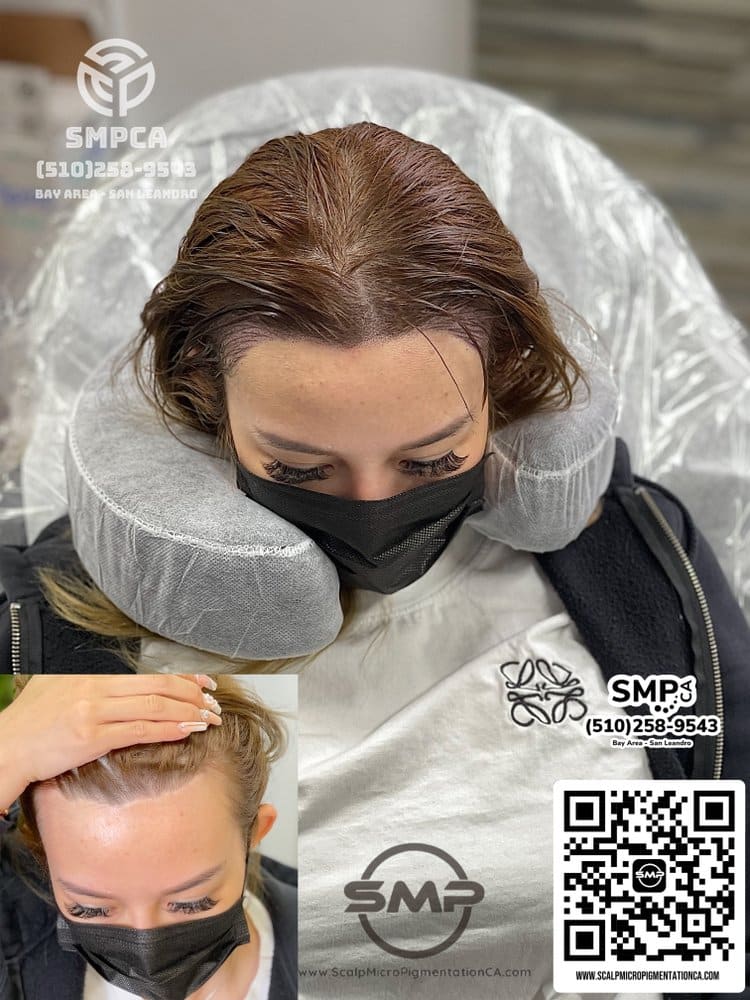
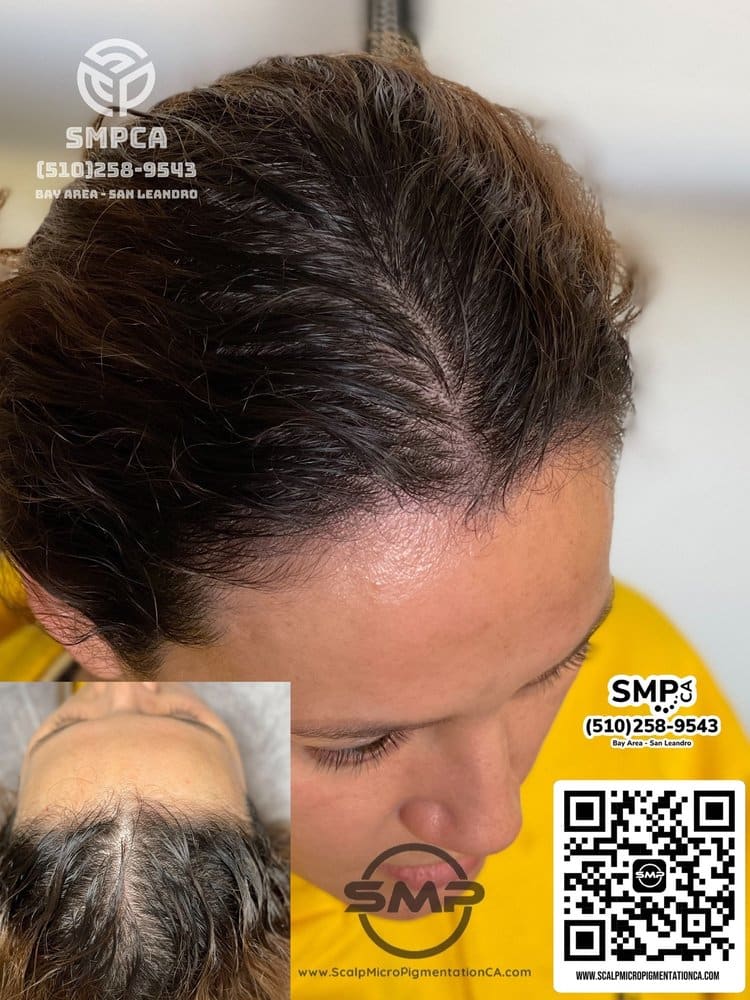
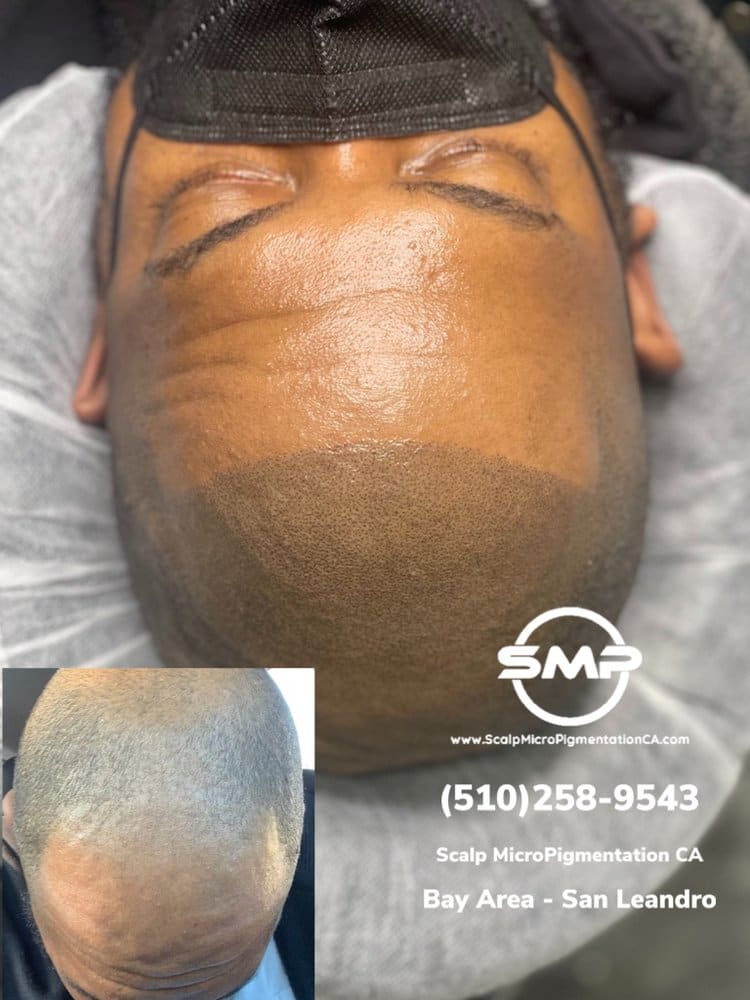
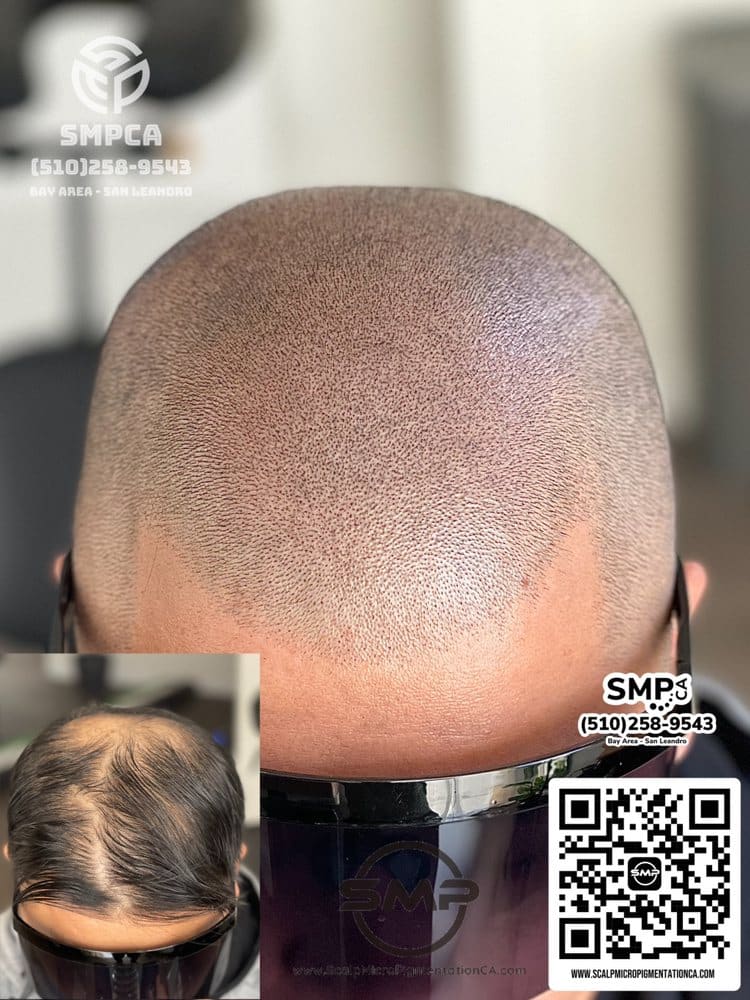
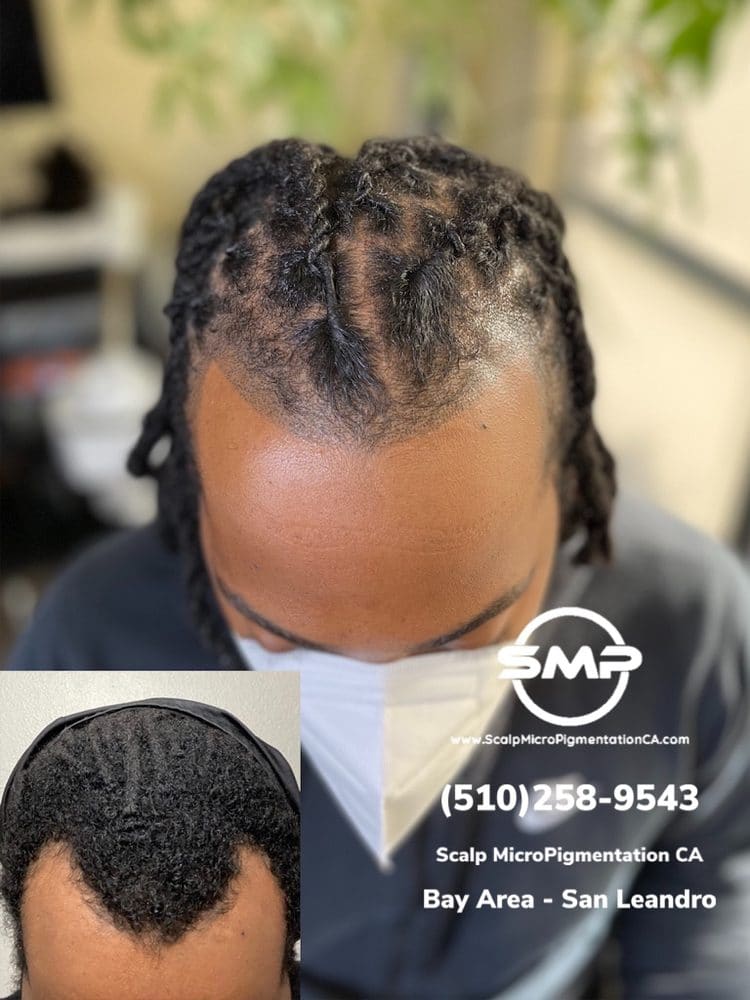
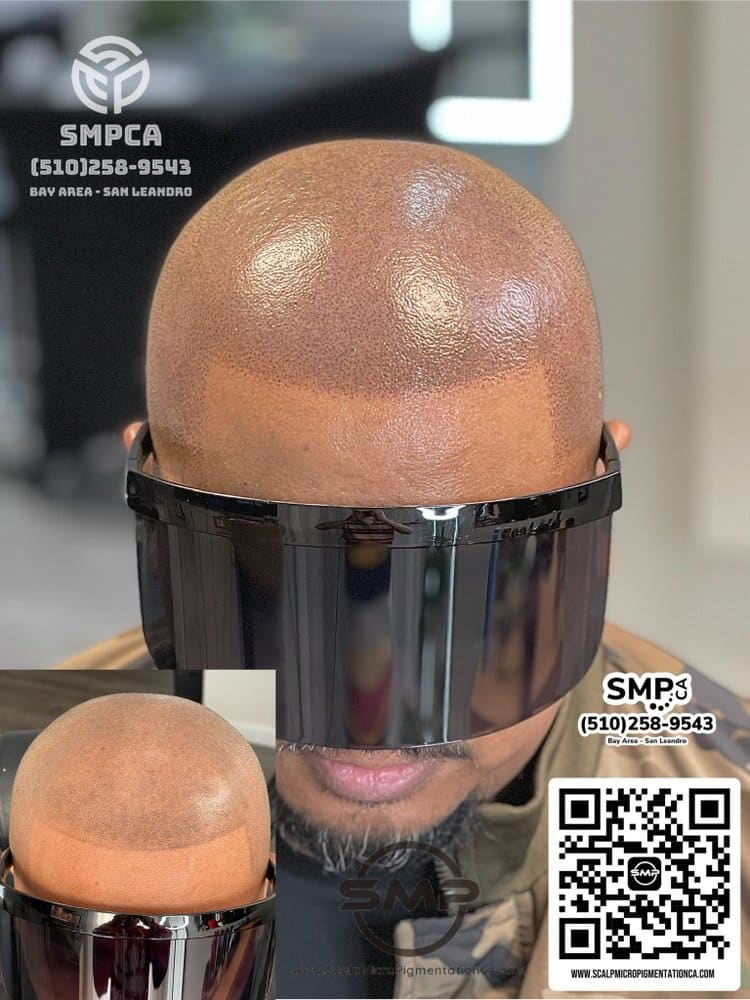
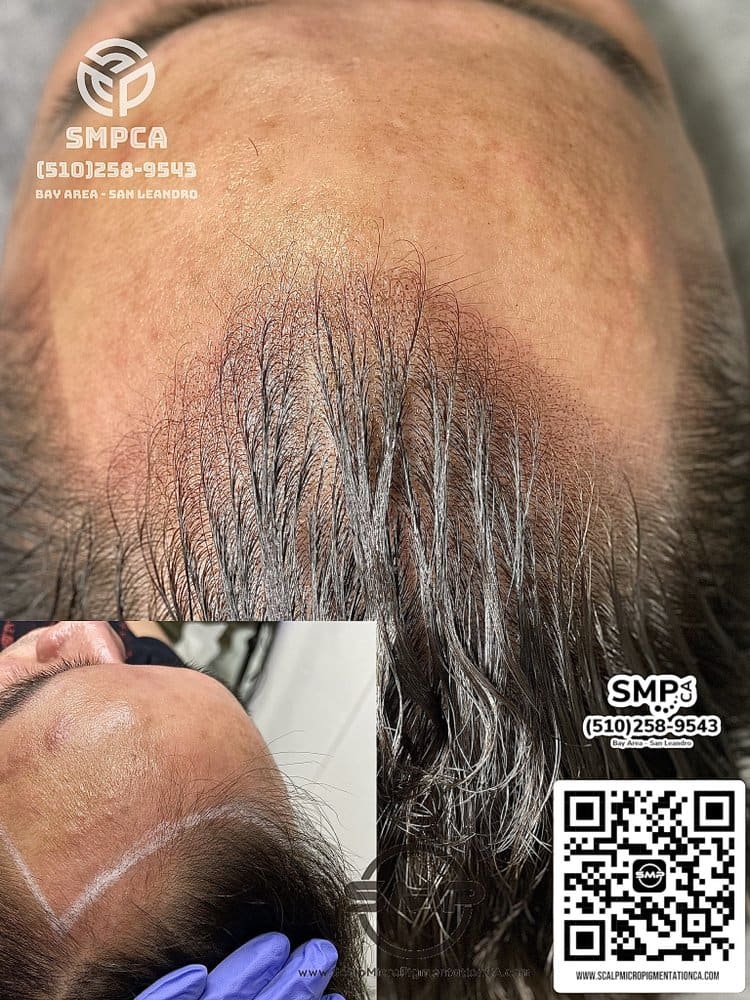
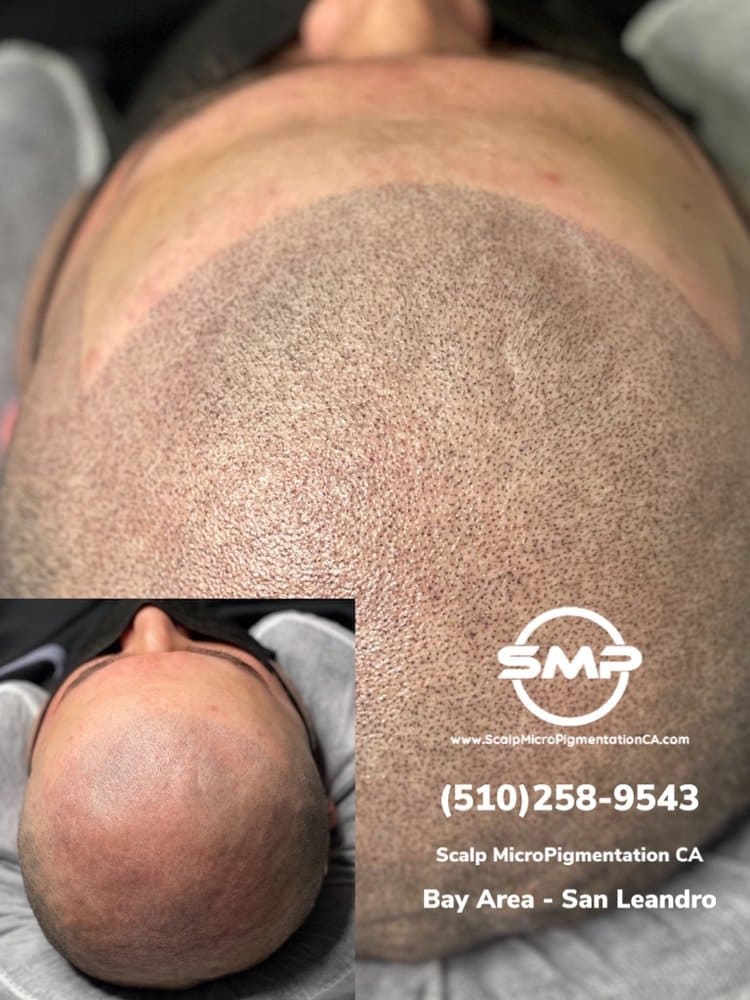
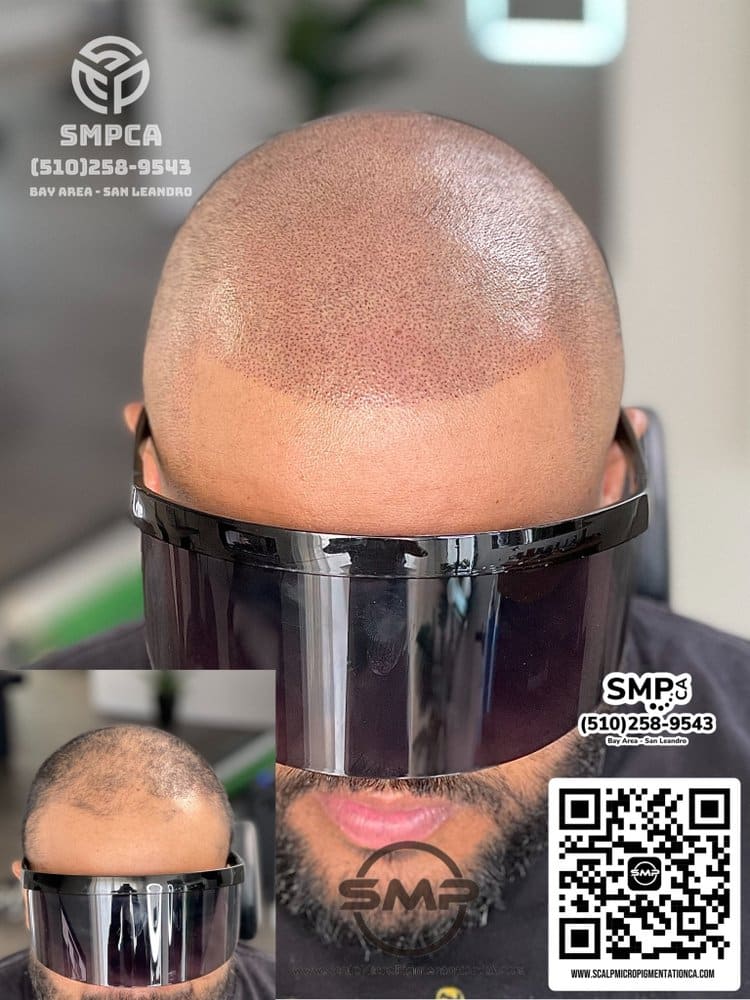
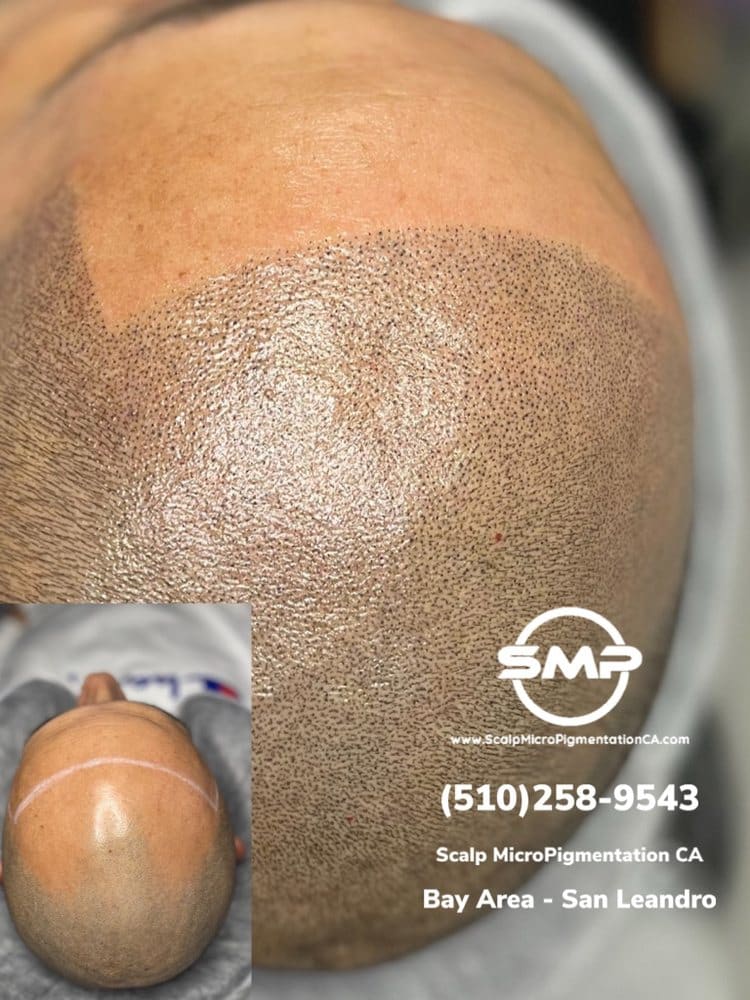
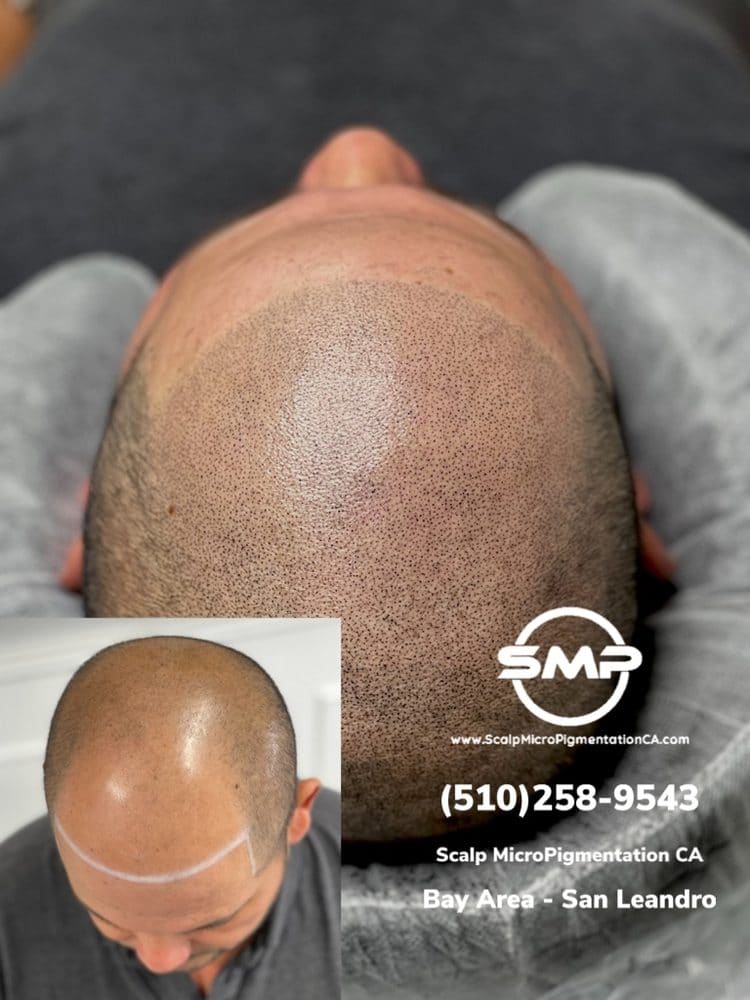
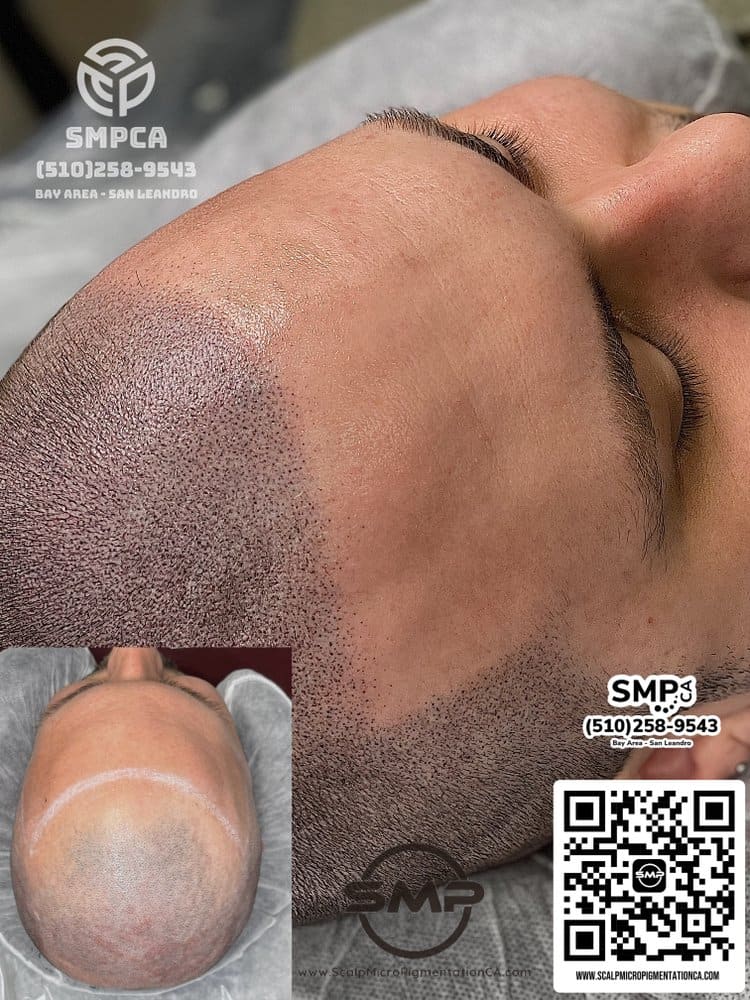
Thousands of sessions · hundreds of clients · one artist
Get your hairline — and your confidence — back.
Free, no-pressure quote. Tell me your situation and I'll show you exactly what's possible before you commit to anything.